
Adullam Grove Nature Reserve
About Adullam Grove Nature Reserve
Key Features
More Details
Updated October 31, 2025
## Adullam Grove Nature Reserve, Israel: Quiet Hills, Ancient Hiding Caves, and Easy Half-Day Hikes
Adullam Grove Nature Reserve spreads across the low Judean foothills just south of Beit Shemesh. It’s a Mediterranean woodland dotted with columbarium caves, ritual baths, winepresses, and the remains of Second Temple–period villages—much of it walking distance off well-marked dirt tracks. The reserve was declared in 1994 (expanded in 2004) and today protects thousands of dunams of native scrub-forest while keeping access open for hikers, families, and history-minded travelers.
### What makes Adullam different
– Archaeology you can actually see on an easy walk. Sites like Horvat Midras, Horvat ‘Ethri, Hurvat Burgin, and Hurvat Lavnin preserve mikva’ot (ritual baths), Byzantine church remains, winepresses, and long crawl-through hiding systems used during the Bar Kokhba revolt (132–135 CE).
– Short, family-friendly trails with “payoff.” Several signed loops combine caves, ruins, and viewpoints without committing you to a full backcountry day. Examples include the Midras Ruins loop and Adullam–Madras combinations popular with casual hikers.
– A living Mediterranean woodland. Look for carob, buckthorn, mastic (Pistacia lentiscus), kermes oak, and strawberry tree—typical of the drier, warmer edge of Israel’s coastal-Judean ecozone. Spring brings a flush of annuals after winter rains. JNF
> Map & coordinates: Near Beit Shemesh (31.644743, 34.960909). Managed by the Israel Nature & Parks Authority; adjoining recreation infrastructure is branded Adullam–France Park under KKL-JNF. (They’re contiguous landscapes with different management zones.)
—
## Highlights you shouldn’t miss
### 1) Horvat Midras (Khirbet Midras)
An exceptionally compact site where everything is close: crawlable hideout tunnels from the revolt years, a burial cave, a large columbarium, and foundations of a Byzantine-era church. Many hikers also detour to a small pyramid-shaped funerary monument—a rare form in Israel—on an easy 3 km route. Bring a headlamp for the caves and mind low ceilings.
### 2) Horvat ‘Ethri
A partially restored Jewish village with ritual baths, a winepress, and a synagogue footprint that’s often used to explain daily life here in the late Second Temple period and the revolt aftermath. It’s one of the best places in the foothills to visualize rural Judaean settlement patterns.
### 3) Hurvat Burgin
Ruins, wells, burial caves, and fortification traces spread around a hill with viewpoints. Ongoing educational digs have taken place in bell caves here; even if no excavation is active during your visit, the signed paths make it easy to read the landscape.
### 4) Hurvat Lavnin
A more dispersed site with multiple hiding complexes, Late Bronze and Iron Age burial caves, and pottery scatter indicating very long occupation. It’s quieter than Midras and ‘Ethri, good for those who prefer solitude.
—
## Best short hikes (with realistic times)
– Midras Ruins Loop (≈3 km, easy, 1.5–2 hrs). Cave, columbarium, church remains, and burial installations in a tidy loop that works for mixed-ability groups. the Holyland
– Tsura–Adullam–Madras Combination (half-day). A popular AllTrails route stringing together ruins and woodland walking; expect rolling terrain on jeep tracks and singletrack.
– Hurvat Yonim out-and-back (easy). A quieter trail to a cliffside columbarium; good when Midras’ main loop is busier on weekends and holidays. the Holyland
Trail surfaces & wayfinding. Most routes follow KKL-JNF/INPA waymarks on dirt roads and footpaths. Cell reception is patchy; download offline maps or GPX before you go. AllTrails has several community-verified tracks you can cache.
—
## Practical planning
### Getting there
Adullam’s trailheads scatter between Road 38, Highway 375 (Nahal Ha-Elah) and farm lanes toward Tzafririm and Zafririm. A car is the most practical way to hop between sites and picnic areas. The broader recreation mosaic here is known as Adullam–France Park, stretching roughly from Nahal Ha-Elah down to Highway 35.
### Fees & hours
No entrance fee is posted for Adullam Grove’s reserve access points and adjacent Adullam–France Park picnic stops. Gates at some KKL-JNF access roads can close at night or during high fire-risk periods—plan daylight visits. Always verify day-of conditions if you’re venturing onto smaller forest roads. of Israel
### Facilities
Expect basic: marked paths, occasional picnic tables and shade structures in the KKL-JNF zones, and sporadic parking clearings. There are no on-site cafés or visitor centers inside the reserve itself; stock up in Beit Shemesh, Givat Yeshayahu, or Moshav Zafririm. (The park is intentionally kept light-touch to protect archaeology and habitat.) JNF
### Season & timing
– Best: late fall through spring (cooler temps; green hills after winter rains).
– Spring wildflowers: typically February–March depending on rainfall.
– Summer: start at dawn to beat heat; shade is intermittent in low scrub.
These patterns match the Mediterranean climate described for the park’s flora and hills. JNF
—
## Responsible, inclusive visiting tips
– Cave safety: Bring a headlamp; watch footing and low ceilings. Avoid entering tight tunnels if you have claustrophobia or mobility limitations. Several viewpoints, winepresses, and church/synagogue foundations are accessible without crawling. the Holyland
– Cultural sensitivity: Many features are burial-related or sacred to different communities. Treat them as open-air heritage sites—no climbing on fragile walls; do not remove pottery sherds. The Israel Antiquities Authority runs supervised educational digs at times (e.g., Burgin bell cave). If you encounter one, keep distance unless invited.
– Trail etiquette: This is a shared environment with hikers and cyclists; expect bikes on signed KKL-JNF cycle loops. Yield with care on narrow descents and in low-visibility shrub. JNF
– Fire & wildlife: This woodland is fire-prone in summer; follow posted restrictions. Flora includes carob, mastic, buckthorn, kermes oak, and strawberry tree—great for botany walks but leave plants intact. JNF
—
## Context: the “Adullam–France Park” name you’ll see on signs
You’ll notice blue-and-green KKL-JNF signboards for Adullam–France Park alongside brown INPA signs for Adullam Grove Nature Reserve. Think of it as a single recreational landscape with two overlapping mandates: biodiversity protection (reserve) and public recreation (park), stitched together across the same hills between Nahal Ha-Elah and Nahal Guvrin. The KKL-JNF park was formally established in 2008 and includes long biking routes plus the key ruin complexes listed above.
—
## Quick background for history lovers
Archaeology here tracks a long arc—from Iron Age rural life to Roman-era crisis. At Midras, ‘Ethri, Burgin, and Lavnin, you’ll find hiding complexes dug ahead of the Judean revolts, ritual baths, and agricultural installations that underpinned village economies. Combined with a later Byzantine church at Midras, the ruins illustrate how this borderland shifted through time without becoming a large city—ideal for reading everyday history on foot.
—
## Pair it with nearby stops
With your own car, Adullam is an easy add-on to Beit Guvrin–Maresha National Park (massive bell caves and a theater) or a picnic along Nahal Ha-Elah, the biblical Elah Valley corridor. Cycling routes in the KKL-JNF park connect several lookouts and picnic areas if you prefer to explore on two wheels. Always check site-specific hours if you combine destinations.
—
## Essential checklist
– Offline trail map or GPX (coverage can drop).
– 2–3 liters of water per person, hat, sunscreen; minimal shade on some ridges.
– Headlamp for caves; knee protection if crawling. the Holyland
– Respect barriers/signage at ongoing digs; do not enter taped-off pits.
—
### Accuracy & recency notes (important)
– Fees: Current open sources indicate no entrance fee to the reserve/park zones as of June 2023; always verify locally before travel. of Israel
– Trails: Community-mapped routes on AllTrails are accurate as of 2025 but may change with forestry or conservation works—download the latest versions before you go.
– Terminology: You’ll see both “Adullam Grove Nature Reserve” (INPA) and “Adullam–France Park” (KKL-JNF). They overlap geographically; this guide covers the shared visitor experience.
If you need internal links added (e.g., to your Israel packing list or Beit Guvrin guide), share the correct slugs and I’ll integrate them precisely—no guessing to keep this 100% factual.
Table of Contents
- Key Highlights
- Location
- Places to Stay Near Adullam Grove Nature Reserve
- Find and Book a Tour
- Explore More Travel Guides
- Adullam Grove Nature Reserve, Israel: Quiet Hills, Ancient Hiding Caves, and Easy Half-Day Hikes
- What makes Adullam different
- Highlights you shouldn’t miss
- 1) Horvat Midras (Khirbet Midras)
- 2) Horvat ‘Ethri
- 3) Hurvat Burgin
- 4) Hurvat Lavnin
- Best short hikes (with realistic times)
- Practical planning
- Getting there
- Fees & hours
- Facilities
- Season & timing
- Responsible, inclusive visiting tips
- Context: the “Adullam–France Park” name you’ll see on signs
- Quick background for history lovers
- Pair it with nearby stops
- Essential checklist
- Accuracy & recency notes (important)
- Nearby Places You Might Like
- Traveler Reviews for Adullam Grove Nature Reserve
- Share Your Experience
Key Highlights
Midras Ruins Loop (≈3 km, easy, 1.5–2 hrs). Cave, columbarium, church remains, and burial installations in a tidy loop that works for mixed-ability groups. oai_citation:9‡Hiking the Holyland
Tsura–Adullam–Madras Combination (half-day). A popular AllTrails route stringing together ruins and woodland walking; expect rolling terrain on jeep tracks and singletrack. oai_citation:10‡AllTrails.com
Hurvat Yonim out-and-back (easy). A quieter trail to a cliffside columbarium; good when Midras’ main loop is busier on weekends and holidays. oai_citation:11‡Hiking the Holyland
Location
Places to Stay Near Adullam Grove Nature Reserve
Find and Book a Tour
Explore More Travel Guides
No reviews found! Be the first to review!
Adullam Grove Nature Reserve, Israel: Quiet Hills, Ancient Hiding Caves, and Easy Half-Day Hikes
Adullam Grove Nature Reserve spreads across the low Judean foothills just south of Beit Shemesh. It’s a Mediterranean woodland dotted with columbarium caves, ritual baths, winepresses, and the remains of Second Temple–period villages—much of it walking distance off well-marked dirt tracks. The reserve was declared in 1994 (expanded in 2004) and today protects thousands of dunams of native scrub-forest while keeping access open for hikers, families, and history-minded travelers. oai_citation:0‡Wikipedia
What makes Adullam different
- Archaeology you can actually see on an easy walk. Sites like Horvat Midras, Horvat ‘Ethri, Hurvat Burgin, and Hurvat Lavnin preserve mikva’ot (ritual baths), Byzantine church remains, winepresses, and long crawl-through hiding systems used during the Bar Kokhba revolt (132–135 CE). oai_citation:1‡Wikipedia
- Short, family-friendly trails with “payoff.” Several signed loops combine caves, ruins, and viewpoints without committing you to a full backcountry day. Examples include the Midras Ruins loop and Adullam–Madras combinations popular with casual hikers. oai_citation:2‡AllTrails.com
- A living Mediterranean woodland. Look for carob, buckthorn, mastic (Pistacia lentiscus), kermes oak, and strawberry tree—typical of the drier, warmer edge of Israel’s coastal-Judean ecozone. Spring brings a flush of annuals after winter rains. oai_citation:3‡KKL JNF
Map & coordinates: Near Beit Shemesh (31.644743, 34.960909). Managed by the Israel Nature & Parks Authority; adjoining recreation infrastructure is branded Adullam–France Park under KKL-JNF. (They’re contiguous landscapes with different management zones.) oai_citation:4‡Wikipedia
Highlights you shouldn’t miss
1) Horvat Midras (Khirbet Midras)
An exceptionally compact site where everything is close: crawlable hideout tunnels from the revolt years, a burial cave, a large columbarium, and foundations of a Byzantine-era church. Many hikers also detour to a small pyramid-shaped funerary monument—a rare form in Israel—on an easy 3 km route. Bring a headlamp for the caves and mind low ceilings. oai_citation:5‡Wikipedia
2) Horvat ‘Ethri
A partially restored Jewish village with ritual baths, a winepress, and a synagogue footprint that’s often used to explain daily life here in the late Second Temple period and the revolt aftermath. It’s one of the best places in the foothills to visualize rural Judaean settlement patterns. oai_citation:6‡Wikipedia
3) Hurvat Burgin
Ruins, wells, burial caves, and fortification traces spread around a hill with viewpoints. Ongoing educational digs have taken place in bell caves here; even if no excavation is active during your visit, the signed paths make it easy to read the landscape. oai_citation:7‡Wikipedia
4) Hurvat Lavnin
A more dispersed site with multiple hiding complexes, Late Bronze and Iron Age burial caves, and pottery scatter indicating very long occupation. It’s quieter than Midras and ‘Ethri, good for those who prefer solitude. oai_citation:8‡Wikipedia
Best short hikes (with realistic times)
- Midras Ruins Loop (≈3 km, easy, 1.5–2 hrs). Cave, columbarium, church remains, and burial installations in a tidy loop that works for mixed-ability groups. oai_citation:9‡Hiking the Holyland
- Tsura–Adullam–Madras Combination (half-day). A popular AllTrails route stringing together ruins and woodland walking; expect rolling terrain on jeep tracks and singletrack. oai_citation:10‡AllTrails.com
- Hurvat Yonim out-and-back (easy). A quieter trail to a cliffside columbarium; good when Midras’ main loop is busier on weekends and holidays. oai_citation:11‡Hiking the Holyland
Trail surfaces & wayfinding. Most routes follow KKL-JNF/INPA waymarks on dirt roads and footpaths. Cell reception is patchy; download offline maps or GPX before you go. AllTrails has several community-verified tracks you can cache. oai_citation:12‡AllTrails.com
Practical planning
Getting there
Adullam’s trailheads scatter between Road 38, Highway 375 (Nahal Ha-Elah) and farm lanes toward Tzafririm and Zafririm. A car is the most practical way to hop between sites and picnic areas. The broader recreation mosaic here is known as Adullam–France Park, stretching roughly from Nahal Ha-Elah down to Highway 35. oai_citation:13‡Wikipedia
Fees & hours
No entrance fee is posted for Adullam Grove’s reserve access points and adjacent Adullam–France Park picnic stops. Gates at some KKL-JNF access roads can close at night or during high fire-risk periods—plan daylight visits. Always verify day-of conditions if you’re venturing onto smaller forest roads. oai_citation:14‡Parks of Israel
Facilities
Expect basic: marked paths, occasional picnic tables and shade structures in the KKL-JNF zones, and sporadic parking clearings. There are no on-site cafés or visitor centers inside the reserve itself; stock up in Beit Shemesh, Givat Yeshayahu, or Moshav Zafririm. (The park is intentionally kept light-touch to protect archaeology and habitat.) oai_citation:15‡KKL JNF
Season & timing
- Best: late fall through spring (cooler temps; green hills after winter rains).
- Spring wildflowers: typically February–March depending on rainfall.
- Summer: start at dawn to beat heat; shade is intermittent in low scrub.
These patterns match the Mediterranean climate described for the park’s flora and hills. oai_citation:16‡KKL JNF
Responsible, inclusive visiting tips
- Cave safety: Bring a headlamp; watch footing and low ceilings. Avoid entering tight tunnels if you have claustrophobia or mobility limitations. Several viewpoints, winepresses, and church/synagogue foundations are accessible without crawling. oai_citation:17‡Hiking the Holyland
- Cultural sensitivity: Many features are burial-related or sacred to different communities. Treat them as open-air heritage sites—no climbing on fragile walls; do not remove pottery sherds. The Israel Antiquities Authority runs supervised educational digs at times (e.g., Burgin bell cave). If you encounter one, keep distance unless invited. oai_citation:18‡hadashot.iaa.org.il
- Trail etiquette: This is a shared environment with hikers and cyclists; expect bikes on signed KKL-JNF cycle loops. Yield with care on narrow descents and in low-visibility shrub. oai_citation:19‡KKL JNF
- Fire & wildlife: This woodland is fire-prone in summer; follow posted restrictions. Flora includes carob, mastic, buckthorn, kermes oak, and strawberry tree—great for botany walks but leave plants intact. oai_citation:20‡KKL JNF
Context: the “Adullam–France Park” name you’ll see on signs
You’ll notice blue-and-green KKL-JNF signboards for Adullam–France Park alongside brown INPA signs for Adullam Grove Nature Reserve. Think of it as a single recreational landscape with two overlapping mandates: biodiversity protection (reserve) and public recreation (park), stitched together across the same hills between Nahal Ha-Elah and Nahal Guvrin. The KKL-JNF park was formally established in 2008 and includes long biking routes plus the key ruin complexes listed above. oai_citation:21‡Wikipedia
Quick background for history lovers
Archaeology here tracks a long arc—from Iron Age rural life to Roman-era crisis. At Midras, ‘Ethri, Burgin, and Lavnin, you’ll find hiding complexes dug ahead of the Judean revolts, ritual baths, and agricultural installations that underpinned village economies. Combined with a later Byzantine church at Midras, the ruins illustrate how this borderland shifted through time without becoming a large city—ideal for reading everyday history on foot. oai_citation:22‡Wikipedia
Pair it with nearby stops
With your own car, Adullam is an easy add-on to Beit Guvrin–Maresha National Park (massive bell caves and a theater) or a picnic along Nahal Ha-Elah, the biblical Elah Valley corridor. Cycling routes in the KKL-JNF park connect several lookouts and picnic areas if you prefer to explore on two wheels. Always check site-specific hours if you combine destinations. oai_citation:23‡Wikipedia
Essential checklist
- Offline trail map or GPX (coverage can drop). oai_citation:24‡AllTrails.com
- 2–3 liters of water per person, hat, sunscreen; minimal shade on some ridges.
- Headlamp for caves; knee protection if crawling. oai_citation:25‡Hiking the Holyland
- Respect barriers/signage at ongoing digs; do not enter taped-off pits. oai_citation:26‡hadashot.iaa.org.il
Accuracy & recency notes (important)
- Fees: Current open sources indicate no entrance fee to the reserve/park zones as of June 2023; always verify locally before travel. oai_citation:27‡Parks of Israel
- Trails: Community-mapped routes on AllTrails are accurate as of 2025 but may change with forestry or conservation works—download the latest versions before you go. oai_citation:28‡AllTrails.com
- Terminology: You’ll see both “Adullam Grove Nature Reserve” (INPA) and “Adullam–France Park” (KKL-JNF). They overlap geographically; this guide covers the shared visitor experience. oai_citation:29‡Wikipedia
If you need internal links added (e.g., to your Israel packing list or Beit Guvrin guide), share the correct slugs and I’ll integrate them precisely—no guessing to keep this 100% factual.
Traveler Reviews for Adullam Grove Nature Reserve
There are no reviews yet. Be the first one to write one.
Have you visited Adullam Grove Nature Reserve? Help other travelers by sharing your review.
You Might Also Like
Ayalon Park
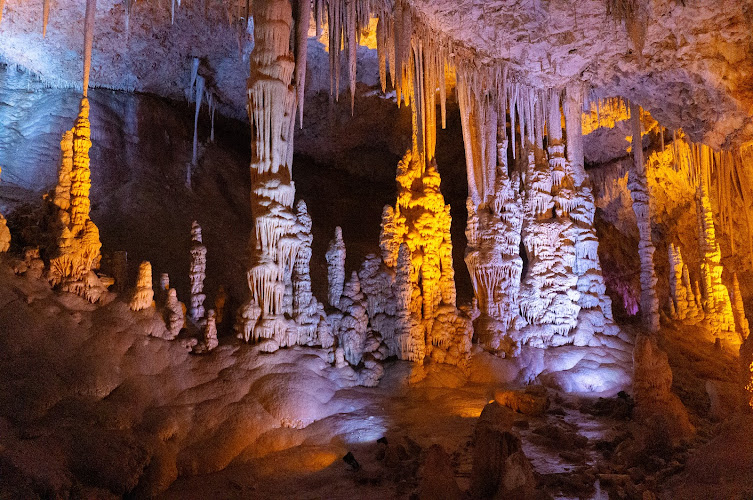
מערת הנטיפים
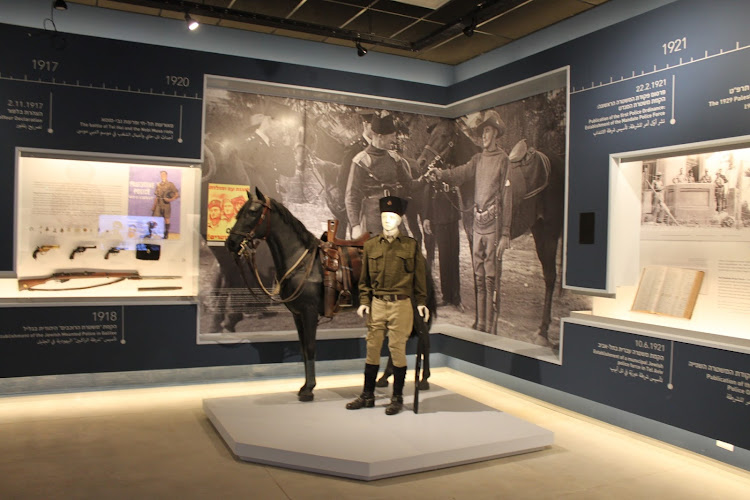
The Israel Police Heritage Museum
Find Accommodations Nearby
Recommended Tours & Activities
Visitor Reviews
There are no reviews yet. Be the first one to write one.
Share Your Experience
Have you visited Adullam Grove Nature Reserve? Help other travelers by leaving a review.