
Adachi Museum of Art
About Adachi Museum of Art
Description
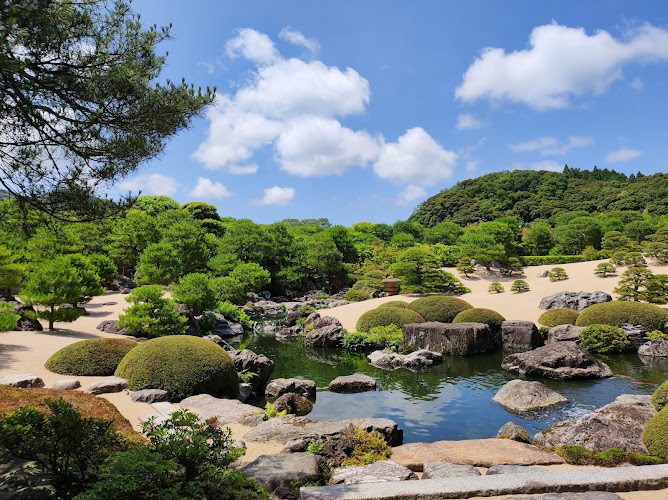
The Adachi Museum of Art in Japan has a reputation that goes far beyond its walls, and honestly, it deserves the attention. This museum is not just about paintings and ceramics, though its rotating exhibitions of modern Japanese art from the 1900s are impressive on their own. What really sets it apart is how seamlessly the art inside connects with the gardens outside. You don’t just look at the exhibits—you feel them, because the museum’s windows frame the landscaped gardens like living paintings. It’s one of those places where you catch yourself staring out the window as much as you do at the canvases. And that’s not by accident. The founder, Adachi Zenko, wanted the museum to be a place where art and nature blend together, and it shows in every detail.
Now, I’ll be honest—this place isn’t for everyone. If you’re looking for a high-energy museum with interactive displays or flashy modern installations, you might find the slower pace here a bit underwhelming. Some visitors do walk away feeling like it’s too rigid in its rules—no photography in the galleries, for example, and a very structured flow through the exhibits. But for travelers who appreciate quiet beauty, thoughtful curation, and the kind of gardens that make you stop mid-step, it’s hard to beat. The museum has consistently been ranked among the top Japanese gardens in the country, and after you see them, you’ll understand why people keep coming back.
The overall vibe is calm and contemplative. You’ll find yourself slowing down, noticing the way the light hits a ceramic bowl or how the raked gravel in the garden seems to ripple like water. It’s not a place you rush through—it’s more like a retreat, where art and nature are in conversation. And while some visitors might leave thinking it didn’t quite live up to the hype, the majority seem to walk away genuinely moved. To me, that makes it worth the trip.
Key Features
- Rotating exhibitions of Japanese paintings from the 1900s, including Nihonga works that highlight traditional themes with modern touches.
- A remarkable collection of ceramics, showcasing both historical and contemporary artistry.
- Six meticulously designed Japanese gardens that are considered living works of art, including a dry landscape garden and a moss garden.
- Floor-to-ceiling windows that frame the gardens like paintings, allowing visitors to experience art and nature as one continuous experience.
- Onsite amenities such as a restaurant serving seasonal dishes, restrooms, and accessibility features including wheelchair-accessible entrances, parking, and restrooms.
- Free parking options, both in a dedicated lot and on nearby streets, making it convenient for those traveling by car.
Best Time to Visit
Timing can really make or break your visit to the Adachi Museum of Art. The gardens transform drastically with the seasons, and that’s half the magic. Spring brings cherry blossoms and fresh greens, while summer is lush and full, with the moss garden looking especially vibrant (and yes, it can get humid, but that’s part of the charm). Autumn is probably the most dramatic, with fiery reds and golds reflected in the carefully maintained ponds. Winter, though, is underrated. A snowfall turns the gardens into something straight out of a painting—quiet, minimal, and breathtaking in its simplicity.
If you’re someone who hates crowds, weekdays in the morning are your best bet. The museum can get busy, especially during peak foliage season in autumn. But if you arrive early, you’ll have more space to breathe and actually take it all in without constantly dodging tour groups. Personally, I think winter mornings are the most peaceful time to go—you’ll practically have the place to yourself, and the gardens under snow are unforgettable.
How to Get There
Getting to the Adachi Museum of Art does require a bit of planning since it’s not smack in the middle of a big city. Most visitors arrive via Matsue or Yonago, and from there, it’s a bus or taxi ride to the museum. The museum actually offers a free shuttle bus from nearby train stations, which is a lifesaver if you don’t want to fuss with local buses. If you’re driving, the free parking makes it a really straightforward option, and honestly, having your own car gives you the flexibility to explore the surrounding countryside too.
For international travelers, it’s worth noting that while signage is available in English, the area itself feels less tourist-saturated compared to bigger Japanese cities. That’s part of the charm, though—it feels more authentic, like you’re stepping into a place that locals genuinely value. Just don’t expect English to be spoken everywhere, so having a translation app on your phone can make the trip smoother.
Tips for Visiting
Here’s the thing about the Adachi Museum of Art: it rewards patience. If you’re the type who likes to breeze through museums in under an hour, you’ll miss what makes this place special. Plan at least two to three hours, maybe more if you want to linger in the gardens or have a meal at the restaurant.
A few tips from my own experience (and from watching other visitors make rookie mistakes):
- Photography is not allowed in the galleries, so don’t waste time fumbling with your camera inside. Save it for the gardens.
- Wear comfortable shoes. You’ll be walking and standing quite a bit, and while the museum is accessible, you’ll still want shoes that don’t leave you sore.
- Do yourself a favor and grab the English guidebook or audio guide—it really helps you understand the context behind the art and gardens.
- Plan your visit around mealtime if you can. The onsite restaurant serves seasonal dishes with views of the gardens, and it’s worth it just for the atmosphere.
- If you’re traveling with kids, be prepared for a quieter, more contemplative environment. It’s not the easiest place to keep young children entertained, though the gardens might hold their attention for a while.
- Don’t rush. Sit on a bench, watch the light shift across the sand in the dry garden, or notice how the trees frame the mountains in the distance. That’s the real experience.
And one last thought—if you’re the kind of traveler who likes to check boxes and move on, you might not fully appreciate this museum. But if you’re willing to slow down, let yourself be absorbed, and treat the visit as a kind of meditation, the Adachi Museum of Art can leave a lasting impression. It’s less about what you see and more about how you feel while you’re there. And honestly, isn’t that what great travel experiences are all about?
Key Features
- Rotating exhibitions of Japanese paintings from the 1900s, including Nihonga works that highlight traditional themes with modern touches.
- A remarkable collection of ceramics, showcasing both historical and contemporary artistry.
- Six meticulously designed Japanese gardens that are considered living works of art, including a dry landscape garden and a moss garden.
- Floor-to-ceiling windows that frame the gardens like paintings, allowing visitors to experience art and nature as one continuous experience.
- Onsite amenities such as a restaurant serving seasonal dishes, restrooms, and accessibility features including wheelchair-accessible entrances, parking, and restrooms.
- Free parking options, both in a dedicated lot and on nearby streets, making it convenient for those traveling by car.
- Photography is not allowed in the galleries, so don’t waste time fumbling with your camera inside. Save it for the gardens.
- Wear comfortable shoes. You’ll be walking and standing quite a bit, and while the museum is accessible, you’ll still want shoes that don’t leave you sore.
More Details
Updated September 9, 2025
Table of Contents
Description
The Adachi Museum of Art in Japan has a reputation that goes far beyond its walls, and honestly, it deserves the attention. This museum is not just about paintings and ceramics, though its rotating exhibitions of modern Japanese art from the 1900s are impressive on their own. What really sets it apart is how seamlessly the art inside connects with the gardens outside. You don’t just look at the exhibits—you feel them, because the museum’s windows frame the landscaped gardens like living paintings. It’s one of those places where you catch yourself staring out the window as much as you do at the canvases. And that’s not by accident. The founder, Adachi Zenko, wanted the museum to be a place where art and nature blend together, and it shows in every detail.
Now, I’ll be honest—this place isn’t for everyone. If you’re looking for a high-energy museum with interactive displays or flashy modern installations, you might find the slower pace here a bit underwhelming. Some visitors do walk away feeling like it’s too rigid in its rules—no photography in the galleries, for example, and a very structured flow through the exhibits. But for travelers who appreciate quiet beauty, thoughtful curation, and the kind of gardens that make you stop mid-step, it’s hard to beat. The museum has consistently been ranked among the top Japanese gardens in the country, and after you see them, you’ll understand why people keep coming back.
The overall vibe is calm and contemplative. You’ll find yourself slowing down, noticing the way the light hits a ceramic bowl or how the raked gravel in the garden seems to ripple like water. It’s not a place you rush through—it’s more like a retreat, where art and nature are in conversation. And while some visitors might leave thinking it didn’t quite live up to the hype, the majority seem to walk away genuinely moved. To me, that makes it worth the trip.
Key Features
- Rotating exhibitions of Japanese paintings from the 1900s, including Nihonga works that highlight traditional themes with modern touches.
- A remarkable collection of ceramics, showcasing both historical and contemporary artistry.
- Six meticulously designed Japanese gardens that are considered living works of art, including a dry landscape garden and a moss garden.
- Floor-to-ceiling windows that frame the gardens like paintings, allowing visitors to experience art and nature as one continuous experience.
- Onsite amenities such as a restaurant serving seasonal dishes, restrooms, and accessibility features including wheelchair-accessible entrances, parking, and restrooms.
- Free parking options, both in a dedicated lot and on nearby streets, making it convenient for those traveling by car.
Best Time to Visit
Timing can really make or break your visit to the Adachi Museum of Art. The gardens transform drastically with the seasons, and that’s half the magic. Spring brings cherry blossoms and fresh greens, while summer is lush and full, with the moss garden looking especially vibrant (and yes, it can get humid, but that’s part of the charm). Autumn is probably the most dramatic, with fiery reds and golds reflected in the carefully maintained ponds. Winter, though, is underrated. A snowfall turns the gardens into something straight out of a painting—quiet, minimal, and breathtaking in its simplicity.
If you’re someone who hates crowds, weekdays in the morning are your best bet. The museum can get busy, especially during peak foliage season in autumn. But if you arrive early, you’ll have more space to breathe and actually take it all in without constantly dodging tour groups. Personally, I think winter mornings are the most peaceful time to go—you’ll practically have the place to yourself, and the gardens under snow are unforgettable.
How to Get There
Getting to the Adachi Museum of Art does require a bit of planning since it’s not smack in the middle of a big city. Most visitors arrive via Matsue or Yonago, and from there, it’s a bus or taxi ride to the museum. The museum actually offers a free shuttle bus from nearby train stations, which is a lifesaver if you don’t want to fuss with local buses. If you’re driving, the free parking makes it a really straightforward option, and honestly, having your own car gives you the flexibility to explore the surrounding countryside too.
For international travelers, it’s worth noting that while signage is available in English, the area itself feels less tourist-saturated compared to bigger Japanese cities. That’s part of the charm, though—it feels more authentic, like you’re stepping into a place that locals genuinely value. Just don’t expect English to be spoken everywhere, so having a translation app on your phone can make the trip smoother.
Tips for Visiting
Here’s the thing about the Adachi Museum of Art: it rewards patience. If you’re the type who likes to breeze through museums in under an hour, you’ll miss what makes this place special. Plan at least two to three hours, maybe more if you want to linger in the gardens or have a meal at the restaurant.
A few tips from my own experience (and from watching other visitors make rookie mistakes):
- Photography is not allowed in the galleries, so don’t waste time fumbling with your camera inside. Save it for the gardens.
- Wear comfortable shoes. You’ll be walking and standing quite a bit, and while the museum is accessible, you’ll still want shoes that don’t leave you sore.
- Do yourself a favor and grab the English guidebook or audio guide—it really helps you understand the context behind the art and gardens.
- Plan your visit around mealtime if you can. The onsite restaurant serves seasonal dishes with views of the gardens, and it’s worth it just for the atmosphere.
- If you’re traveling with kids, be prepared for a quieter, more contemplative environment. It’s not the easiest place to keep young children entertained, though the gardens might hold their attention for a while.
- Don’t rush. Sit on a bench, watch the light shift across the sand in the dry garden, or notice how the trees frame the mountains in the distance. That’s the real experience.
And one last thought—if you’re the kind of traveler who likes to check boxes and move on, you might not fully appreciate this museum. But if you’re willing to slow down, let yourself be absorbed, and treat the visit as a kind of meditation, the Adachi Museum of Art can leave a lasting impression. It’s less about what you see and more about how you feel while you’re there. And honestly, isn’t that what great travel experiences are all about?
Key Highlights
- Rotating exhibitions of Japanese paintings from the 1900s, including Nihonga works that highlight traditional themes with modern touches.
- A remarkable collection of ceramics, showcasing both historical and contemporary artistry.
- Six meticulously designed Japanese gardens that are considered living works of art, including a dry landscape garden and a moss garden.
- Floor-to-ceiling windows that frame the gardens like paintings, allowing visitors to experience art and nature as one continuous experience.
- Onsite amenities such as a restaurant serving seasonal dishes, restrooms, and accessibility features including wheelchair-accessible entrances, parking, and restrooms.
- Free parking options, both in a dedicated lot and on nearby streets, making it convenient for those traveling by car.
- Photography is not allowed in the galleries, so don’t waste time fumbling with your camera inside. Save it for the gardens.
- Wear comfortable shoes. You’ll be walking and standing quite a bit, and while the museum is accessible, you’ll still want shoes that don’t leave you sore.
Location
Places to Stay Near Adachi Museum of Art
Find and Book a Tour
Explore More Travel Guides
No reviews found! Be the first to review!
Traveler Reviews for Adachi Museum of Art
There are no reviews yet. Be the first one to write one.
Have you visited Adachi Museum of Art? Help other travelers by sharing your review.
You Might Also Like

Toyota Commemorative Museum of Industry and Technology

Maizuru Park

The Museum of Modern Art, Gunma
Find Accommodations Nearby
Recommended Tours & Activities
Visitor Reviews
There are no reviews yet. Be the first one to write one.
Share Your Experience
Have you visited Adachi Museum of Art? Help other travelers by leaving a review.