

2-chōme-10-28 Aobadai
About 2-chōme-10-28 Aobadai
Description
There’s a quiet corner in Tokyo that many travelers overlook, yet it feels like the kind of place where the city exhales a little. This building in Aobadai isn’t the sort that screams for attention with neon lights or towering glass walls. Instead, it carries itself with a calm, understated confidence—like someone who doesn’t need to say much to make an impression. The area around it is clean and modern, with that well-kept Tokyo polish, but there’s also a sense of warmth that creeps in when you notice the small cafés tucked between residential blocks or the locals walking their dogs along tree-lined streets. It’s one of those places that doesn’t try too hard to be cool, but somehow ends up being exactly that.
What makes this spot special isn’t just the structure itself, but how it fits into its surroundings. The architecture feels deliberate—modern but not sterile, with subtle design touches that hint at Japanese minimalism. I remember walking by one late afternoon, the sun bouncing off the building’s façade in that soft golden way that Tokyo light seems to manage so well. There was this feeling of balance—between old and new, between city life and quiet retreat. You know that sense of being in the middle of a big city but still hearing your own thoughts? That’s what this place gives you.
Aobadai has always had this reputation for being a little more refined than the buzzing chaos of Shibuya or the packed streets of Shinjuku. It’s more residential, more local. The building here reflects that personality—it’s practical yet stylish, a mix of function and form. It’s the kind of place where you can imagine creative professionals working quietly on their laptops, or a small design studio tucked inside, or maybe even someone’s dream apartment with a view of Tokyo’s skyline. It’s understated, but that’s exactly what gives it charm.
Key Features
- Architectural Design: A sleek, modern structure that blends contemporary Japanese aesthetics with everyday functionality. The lines are clean, the materials thoughtfully chosen, and the overall impression is one of quiet sophistication.
- Location Advantage: Situated in Aobadai, a district known for its balance between urban convenience and residential calm. You’re close enough to Shibuya to feel the city’s pulse, yet far enough to escape the rush.
- Accessibility: Well-connected by Tokyo’s public transport system, making it easy for travelers to explore nearby attractions without hassle.
- Local Atmosphere: Surrounded by cozy coffee shops, boutique stores, and a few hidden restaurants that serve incredible Japanese and fusion cuisine.
- Safety and Cleanliness: Like most of Tokyo, the area around the building is impeccably maintained and feels safe even late at night.
- Community Feel: Despite being in a major city, there’s a sense of neighborhood here—locals greet each other, and small businesses thrive.
Honestly, one of my favorite things about this part of Tokyo is how it surprises you. You might turn a corner and find a tiny bakery selling the best croissants you’ve ever had, or stumble upon a small art gallery that feels like someone’s personal passion project. The building at this address sits right in the middle of that kind of discovery zone. It’s not a tourist attraction per se, but it’s part of what makes Tokyo so endlessly interesting.
Best Time to Visit
Tokyo changes personality with the seasons, and Aobadai is no exception. If you visit in spring, the air smells faintly of cherry blossoms from nearby parks, and the streets feel alive but not crowded. It’s the kind of time when you can just wander without a plan and still feel like you’re part of something beautiful. Summer brings a more energetic vibe—long days, warm nights, and that unmistakable hum of city life. It can get humid, sure, but there’s something magical about grabbing a cold drink and watching the world go by from a shaded café terrace.
Autumn, though, might be the sweet spot. The weather is crisp, the light is perfect for photography, and the trees along the nearby streets turn into shades of amber and gold. I remember one particular evening in October when the air was cool enough for a light jacket and the city felt like it was slowing down just a bit. Winter has its charm too—quiet, reflective, and cozy. The building takes on a different mood then, with warm lights glowing through its windows as the city hums softly outside.
How to Get There
Getting to this part of Tokyo is fairly straightforward, which is one of the reasons travelers find it so appealing. The nearest major station is Shibuya, one of the busiest in the world, and from there it’s just a short ride or even a pleasant walk if you don’t mind stretching your legs. The walk itself can be quite enjoyable—you’ll pass through a mix of residential streets and small shops that give you a glimpse of everyday Tokyo life.
Public transportation here is reliable to the minute. You can hop on a local bus or take the Tokyu Den-en-toshi Line, depending on where you’re coming from. If you’re staying in central Tokyo, you’ll likely be within 20–30 minutes of Aobadai by train. Taxis and ride-sharing services are also available, though they can be a bit pricey compared to the train. Personally, I always prefer taking the train—it’s part of the Tokyo experience, and there’s something oddly satisfying about navigating the city’s complex rail map like a local.
Tips for Visiting
First off, don’t rush. This isn’t the kind of place you “do” in an hour. Take your time to explore the surrounding streets, grab a coffee, and just watch how the neighborhood moves. It’s slower than central Tokyo but still full of life in its own way. If you’re into photography, bring your camera—the light here, especially in the late afternoon, has a softness that makes even the simplest street corner look cinematic.
Another tip: try to visit during a weekday if you can. Weekends can get a bit busier, especially with locals out and about running errands or meeting friends. During the week, you’ll get more of that peaceful, everyday Tokyo atmosphere that’s hard to find in tourist-heavy areas. And if you’re into food (who isn’t?), explore the nearby restaurants. Many of them are small, family-run places that serve food made with care—you can taste it in every bite.
One thing I’ve learned from traveling around Tokyo is that the best memories often come from the unplanned moments. Maybe you’ll stumble into a local bookstore, or find a rooftop with a view you didn’t expect. The building here is part of that story—it’s not a landmark in the traditional sense, but it’s a piece of the city’s rhythm, a quiet witness to the everyday beauty of Tokyo life.
And here’s a small personal note: when I first visited this area, I didn’t expect to like it as much as I did. I was chasing the big sights—Shibuya Crossing, Tokyo Tower, all the usual suspects. But after spending an afternoon wandering through Aobadai, I realized that these smaller, quieter parts of the city are where you really feel Tokyo’s heart. There’s something deeply satisfying about discovering a place that feels lived-in, authentic, and just a bit off the beaten track.
So if you’re planning a trip to Tokyo and want to see beyond the obvious, make time for a stop here. Bring your curiosity, your camera, and maybe a good pair of walking shoes. Who knows—you might find your own favorite corner of the city right here, just like I did.
Key Features
- Key Features
- Best Time to Visit
- How to Get There
- Tips for Visiting
More Details
Updated November 7, 2025
Table of Contents
Description
There’s a quiet corner in Tokyo that many travelers overlook, yet it feels like the kind of place where the city exhales a little. This building in Aobadai isn’t the sort that screams for attention with neon lights or towering glass walls. Instead, it carries itself with a calm, understated confidence—like someone who doesn’t need to say much to make an impression. The area around it is clean and modern, with that well-kept Tokyo polish, but there’s also a sense of warmth that creeps in when you notice the small cafés tucked between residential blocks or the locals walking their dogs along tree-lined streets. It’s one of those places that doesn’t try too hard to be cool, but somehow ends up being exactly that.
What makes this spot special isn’t just the structure itself, but how it fits into its surroundings. The architecture feels deliberate—modern but not sterile, with subtle design touches that hint at Japanese minimalism. I remember walking by one late afternoon, the sun bouncing off the building’s façade in that soft golden way that Tokyo light seems to manage so well. There was this feeling of balance—between old and new, between city life and quiet retreat. You know that sense of being in the middle of a big city but still hearing your own thoughts? That’s what this place gives you.
Aobadai has always had this reputation for being a little more refined than the buzzing chaos of Shibuya or the packed streets of Shinjuku. It’s more residential, more local. The building here reflects that personality—it’s practical yet stylish, a mix of function and form. It’s the kind of place where you can imagine creative professionals working quietly on their laptops, or a small design studio tucked inside, or maybe even someone’s dream apartment with a view of Tokyo’s skyline. It’s understated, but that’s exactly what gives it charm.
Key Features
- Architectural Design: A sleek, modern structure that blends contemporary Japanese aesthetics with everyday functionality. The lines are clean, the materials thoughtfully chosen, and the overall impression is one of quiet sophistication.
- Location Advantage: Situated in Aobadai, a district known for its balance between urban convenience and residential calm. You’re close enough to Shibuya to feel the city’s pulse, yet far enough to escape the rush.
- Accessibility: Well-connected by Tokyo’s public transport system, making it easy for travelers to explore nearby attractions without hassle.
- Local Atmosphere: Surrounded by cozy coffee shops, boutique stores, and a few hidden restaurants that serve incredible Japanese and fusion cuisine.
- Safety and Cleanliness: Like most of Tokyo, the area around the building is impeccably maintained and feels safe even late at night.
- Community Feel: Despite being in a major city, there’s a sense of neighborhood here—locals greet each other, and small businesses thrive.
Honestly, one of my favorite things about this part of Tokyo is how it surprises you. You might turn a corner and find a tiny bakery selling the best croissants you’ve ever had, or stumble upon a small art gallery that feels like someone’s personal passion project. The building at this address sits right in the middle of that kind of discovery zone. It’s not a tourist attraction per se, but it’s part of what makes Tokyo so endlessly interesting.
Best Time to Visit
Tokyo changes personality with the seasons, and Aobadai is no exception. If you visit in spring, the air smells faintly of cherry blossoms from nearby parks, and the streets feel alive but not crowded. It’s the kind of time when you can just wander without a plan and still feel like you’re part of something beautiful. Summer brings a more energetic vibe—long days, warm nights, and that unmistakable hum of city life. It can get humid, sure, but there’s something magical about grabbing a cold drink and watching the world go by from a shaded café terrace.
Autumn, though, might be the sweet spot. The weather is crisp, the light is perfect for photography, and the trees along the nearby streets turn into shades of amber and gold. I remember one particular evening in October when the air was cool enough for a light jacket and the city felt like it was slowing down just a bit. Winter has its charm too—quiet, reflective, and cozy. The building takes on a different mood then, with warm lights glowing through its windows as the city hums softly outside.
How to Get There
Getting to this part of Tokyo is fairly straightforward, which is one of the reasons travelers find it so appealing. The nearest major station is Shibuya, one of the busiest in the world, and from there it’s just a short ride or even a pleasant walk if you don’t mind stretching your legs. The walk itself can be quite enjoyable—you’ll pass through a mix of residential streets and small shops that give you a glimpse of everyday Tokyo life.
Public transportation here is reliable to the minute. You can hop on a local bus or take the Tokyu Den-en-toshi Line, depending on where you’re coming from. If you’re staying in central Tokyo, you’ll likely be within 20–30 minutes of Aobadai by train. Taxis and ride-sharing services are also available, though they can be a bit pricey compared to the train. Personally, I always prefer taking the train—it’s part of the Tokyo experience, and there’s something oddly satisfying about navigating the city’s complex rail map like a local.
Tips for Visiting
First off, don’t rush. This isn’t the kind of place you “do” in an hour. Take your time to explore the surrounding streets, grab a coffee, and just watch how the neighborhood moves. It’s slower than central Tokyo but still full of life in its own way. If you’re into photography, bring your camera—the light here, especially in the late afternoon, has a softness that makes even the simplest street corner look cinematic.
Another tip: try to visit during a weekday if you can. Weekends can get a bit busier, especially with locals out and about running errands or meeting friends. During the week, you’ll get more of that peaceful, everyday Tokyo atmosphere that’s hard to find in tourist-heavy areas. And if you’re into food (who isn’t?), explore the nearby restaurants. Many of them are small, family-run places that serve food made with care—you can taste it in every bite.
One thing I’ve learned from traveling around Tokyo is that the best memories often come from the unplanned moments. Maybe you’ll stumble into a local bookstore, or find a rooftop with a view you didn’t expect. The building here is part of that story—it’s not a landmark in the traditional sense, but it’s a piece of the city’s rhythm, a quiet witness to the everyday beauty of Tokyo life.
And here’s a small personal note: when I first visited this area, I didn’t expect to like it as much as I did. I was chasing the big sights—Shibuya Crossing, Tokyo Tower, all the usual suspects. But after spending an afternoon wandering through Aobadai, I realized that these smaller, quieter parts of the city are where you really feel Tokyo’s heart. There’s something deeply satisfying about discovering a place that feels lived-in, authentic, and just a bit off the beaten track.
So if you’re planning a trip to Tokyo and want to see beyond the obvious, make time for a stop here. Bring your curiosity, your camera, and maybe a good pair of walking shoes. Who knows—you might find your own favorite corner of the city right here, just like I did.
Key Highlights
- Key Features
- Best Time to Visit
- How to Get There
- Tips for Visiting
Location
Places to Stay Near 2-chōme-10-28 Aobadai
Find and Book a Tour
Explore More Travel Guides
No reviews found! Be the first to review!
Traveler Reviews for 2-chōme-10-28 Aobadai
There are no reviews yet. Be the first one to write one.
Have you visited 2-chōme-10-28 Aobadai? Help other travelers by sharing your review.
You Might Also Like
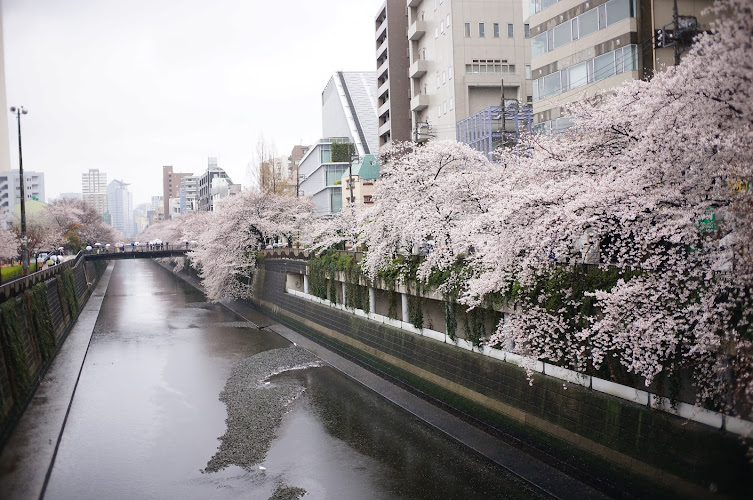
Nakame Park Bridge

Meguro River Park

Meguro Parasitological Museum
Find Accommodations Nearby
Recommended Tours & Activities
Visitor Reviews
There are no reviews yet. Be the first one to write one.
Share Your Experience
Have you visited 2-chōme-10-28 Aobadai? Help other travelers by leaving a review.