Meguro River
About Meguro River
Description
The Meguro River winds its way through the heart of Tokyo like a quiet thread of calm amid the city’s constant hum. It’s not one of those places that screams for attention. Instead, it quietly wins people over—one stroll, one photo, one late-afternoon coffee at a riverside café at a time. I remember wandering there one spring afternoon, camera in hand, thinking I’d stay for half an hour. Three hours later, I was still there, watching petals drift across the water like tiny pink boats. That’s the kind of spell this river casts.
Stretching about eight kilometers, the Meguro River flows through some of Tokyo’s most stylish neighborhoods—Nakameguro, Meguro, and Shinagawa—before eventually meeting Tokyo Bay. The riverbanks are beautifully landscaped, with paved pathways perfect for walking, cycling, or just sitting down to people-watch. And yes, it’s famous for its cherry blossoms. During sakura season, the entire area transforms into a pink tunnel that draws locals and travelers alike. But honestly, it’s not just about spring. Each season paints the river in its own colors—lush greens in summer, fiery reds and oranges in autumn, and soft, reflective tones in winter.
What makes the Meguro River special isn’t just its beauty; it’s the atmosphere. It’s the sound of water trickling under small bridges, the smell of freshly brewed coffee from a nearby café, and the soft chatter of friends meeting after work. It’s Tokyo at its most relaxed, its most human. You’ll find boutiques tucked between trees, tiny ramen shops, sake bars, and even art galleries that seem to appear out of nowhere. It’s a place that rewards curiosity. Take a turn down a quiet side street, and you might stumble upon a hidden bakery or a cozy bookstore that feels like it’s been waiting for you all along.
Key Features
- Cherry Blossoms: Over 800 cherry trees line the river, creating one of Tokyo’s most photographed spring scenes.
- Scenic Walkways: Wide pedestrian paths along both sides of the river make it ideal for leisurely walks or evening jogs.
- Local Cafés and Boutiques: Independent shops and cafés give the area a creative, laid-back vibe that’s distinctly Tokyo.
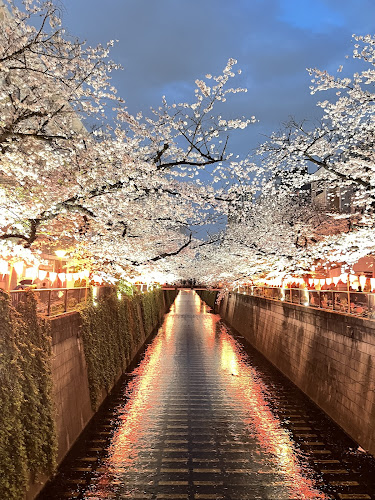
- Night Illuminations: During sakura season, lanterns light up the trees, casting a magical reflection on the water.
- All-Season Appeal: Cherry blossoms in spring, greenery in summer, colorful foliage in autumn, and serene reflections in winter.
- Family-Friendly: The area is safe and enjoyable for kids, with plenty of open space to explore.
And though it’s a popular spot, it rarely feels overwhelming. Sure, it gets crowded during peak cherry blossom season, but even then, there’s a kind of shared joy in the air. People slow down, smile more, and take time to just be. That’s rare in a city like Tokyo, and it’s what makes the Meguro River so memorable.
Best Time to Visit
Most travelers will tell you to visit in spring—and they’re not wrong. Late March to early April is when the cherry blossoms are in full bloom, and the river becomes a living postcard. The blossoms arch over the water, forming pink canopies that look almost unreal. But here’s the thing: the Meguro River is worth visiting any time of year. Summer brings lush greenery and cool shade, perfect for escaping the heat. Autumn sets the trees ablaze with warm hues, and winter gives the river a quiet, reflective charm that feels almost poetic.
If you’re not into crowds, I’d suggest going early in the morning or late in the evening. There’s something peaceful about watching the city wake up or wind down by the river. And if you love photography, the golden hour light here is pure magic—it hits the water just right, turning everything a soft, glowing gold.
How to Get There
Getting to the Meguro River is easy, which is part of its charm. The most popular stretch runs through Nakameguro, just a few minutes’ walk from Nakameguro Station on the Tokyu Toyoko Line or Hibiya Subway Line. From there, it’s all about exploring on foot. You can start near the station and follow the river either direction—each side has its own personality. The Nakameguro area tends to be trendier, with lots of cafés and boutiques, while the sections closer to Meguro Station feel a bit quieter and more residential.
Another nice route is to begin near Ikejiri-Ohashi Station and walk downstream toward Meguro. It’s about a 40-minute stroll if you take your time, but honestly, you’ll probably stop every few minutes to take photos or grab a snack. Public transport in Tokyo is incredibly reliable, so you can hop on a train or bus from almost anywhere in the city and reach the river without much hassle.
Tips for Visiting
Here’s where a few insider notes come in handy. First, if you’re planning to visit during cherry blossom season, go early—like, before 9 a.m. The crowds can get intense later in the day, especially on weekends. Bring a camera (or just your phone) because you’ll definitely want to capture the view. But don’t spend the whole time behind a lens; take a few moments to just stand there and soak it in. The petals falling into the river, the laughter from nearby cafés—it’s one of those rare experiences that feels both fleeting and timeless.
Also, wear comfortable shoes. The river path stretches quite a distance, and you’ll want to explore both sides. If you’re visiting in summer, bring water and maybe a hat—it can get warm. In winter, bundle up and grab a hot drink from one of the many coffee stands; it’s a simple pleasure that somehow makes the cold air feel cozy. And if you’re traveling with kids, good news—the area is safe and stroller-friendly. Just note that parking can be tricky, and there isn’t designated wheelchair-accessible parking close to the river, so public transport is your best bet.
One last tip: don’t rush. The Meguro River isn’t the kind of place you “check off” a list. It’s meant to be experienced slowly. Sit on a bench, watch the reflections ripple across the water, and listen to the soft buzz of life around you. Maybe pop into a local shop, chat with the owner, or try a seasonal dessert (the sakura-flavored ice cream in spring is a personal favorite). Those small moments are what make the visit memorable.
At the end of the day, the Meguro River isn’t just a sightseeing spot—it’s a slice of Tokyo life. It’s where the city exhales, where locals unwind, and where visitors find a quieter rhythm amid the metropolis. Whether you come for the cherry blossoms, the food, or just a peaceful walk, you’ll leave with a sense of calm—and probably a few too many photos on your phone. But that’s okay. Some places deserve to be remembered that way.
Key Features
- Key Features
- Best Time to Visit
- How to Get There
- Tips for Visiting
More Details
Updated November 10, 2025
Table of Contents
Description
The Meguro River winds its way through the heart of Tokyo like a quiet thread of calm amid the city’s constant hum. It’s not one of those places that screams for attention. Instead, it quietly wins people over—one stroll, one photo, one late-afternoon coffee at a riverside café at a time. I remember wandering there one spring afternoon, camera in hand, thinking I’d stay for half an hour. Three hours later, I was still there, watching petals drift across the water like tiny pink boats. That’s the kind of spell this river casts.
Stretching about eight kilometers, the Meguro River flows through some of Tokyo’s most stylish neighborhoods—Nakameguro, Meguro, and Shinagawa—before eventually meeting Tokyo Bay. The riverbanks are beautifully landscaped, with paved pathways perfect for walking, cycling, or just sitting down to people-watch. And yes, it’s famous for its cherry blossoms. During sakura season, the entire area transforms into a pink tunnel that draws locals and travelers alike. But honestly, it’s not just about spring. Each season paints the river in its own colors—lush greens in summer, fiery reds and oranges in autumn, and soft, reflective tones in winter.
What makes the Meguro River special isn’t just its beauty; it’s the atmosphere. It’s the sound of water trickling under small bridges, the smell of freshly brewed coffee from a nearby café, and the soft chatter of friends meeting after work. It’s Tokyo at its most relaxed, its most human. You’ll find boutiques tucked between trees, tiny ramen shops, sake bars, and even art galleries that seem to appear out of nowhere. It’s a place that rewards curiosity. Take a turn down a quiet side street, and you might stumble upon a hidden bakery or a cozy bookstore that feels like it’s been waiting for you all along.
Key Features
- Cherry Blossoms: Over 800 cherry trees line the river, creating one of Tokyo’s most photographed spring scenes.
- Scenic Walkways: Wide pedestrian paths along both sides of the river make it ideal for leisurely walks or evening jogs.
- Local Cafés and Boutiques: Independent shops and cafés give the area a creative, laid-back vibe that’s distinctly Tokyo.
- Night Illuminations: During sakura season, lanterns light up the trees, casting a magical reflection on the water.
- All-Season Appeal: Cherry blossoms in spring, greenery in summer, colorful foliage in autumn, and serene reflections in winter.
- Family-Friendly: The area is safe and enjoyable for kids, with plenty of open space to explore.
And though it’s a popular spot, it rarely feels overwhelming. Sure, it gets crowded during peak cherry blossom season, but even then, there’s a kind of shared joy in the air. People slow down, smile more, and take time to just be. That’s rare in a city like Tokyo, and it’s what makes the Meguro River so memorable.
Best Time to Visit
Most travelers will tell you to visit in spring—and they’re not wrong. Late March to early April is when the cherry blossoms are in full bloom, and the river becomes a living postcard. The blossoms arch over the water, forming pink canopies that look almost unreal. But here’s the thing: the Meguro River is worth visiting any time of year. Summer brings lush greenery and cool shade, perfect for escaping the heat. Autumn sets the trees ablaze with warm hues, and winter gives the river a quiet, reflective charm that feels almost poetic.
If you’re not into crowds, I’d suggest going early in the morning or late in the evening. There’s something peaceful about watching the city wake up or wind down by the river. And if you love photography, the golden hour light here is pure magic—it hits the water just right, turning everything a soft, glowing gold.
How to Get There
Getting to the Meguro River is easy, which is part of its charm. The most popular stretch runs through Nakameguro, just a few minutes’ walk from Nakameguro Station on the Tokyu Toyoko Line or Hibiya Subway Line. From there, it’s all about exploring on foot. You can start near the station and follow the river either direction—each side has its own personality. The Nakameguro area tends to be trendier, with lots of cafés and boutiques, while the sections closer to Meguro Station feel a bit quieter and more residential.
Another nice route is to begin near Ikejiri-Ohashi Station and walk downstream toward Meguro. It’s about a 40-minute stroll if you take your time, but honestly, you’ll probably stop every few minutes to take photos or grab a snack. Public transport in Tokyo is incredibly reliable, so you can hop on a train or bus from almost anywhere in the city and reach the river without much hassle.
Tips for Visiting
Here’s where a few insider notes come in handy. First, if you’re planning to visit during cherry blossom season, go early—like, before 9 a.m. The crowds can get intense later in the day, especially on weekends. Bring a camera (or just your phone) because you’ll definitely want to capture the view. But don’t spend the whole time behind a lens; take a few moments to just stand there and soak it in. The petals falling into the river, the laughter from nearby cafés—it’s one of those rare experiences that feels both fleeting and timeless.
Also, wear comfortable shoes. The river path stretches quite a distance, and you’ll want to explore both sides. If you’re visiting in summer, bring water and maybe a hat—it can get warm. In winter, bundle up and grab a hot drink from one of the many coffee stands; it’s a simple pleasure that somehow makes the cold air feel cozy. And if you’re traveling with kids, good news—the area is safe and stroller-friendly. Just note that parking can be tricky, and there isn’t designated wheelchair-accessible parking close to the river, so public transport is your best bet.
One last tip: don’t rush. The Meguro River isn’t the kind of place you “check off” a list. It’s meant to be experienced slowly. Sit on a bench, watch the reflections ripple across the water, and listen to the soft buzz of life around you. Maybe pop into a local shop, chat with the owner, or try a seasonal dessert (the sakura-flavored ice cream in spring is a personal favorite). Those small moments are what make the visit memorable.
At the end of the day, the Meguro River isn’t just a sightseeing spot—it’s a slice of Tokyo life. It’s where the city exhales, where locals unwind, and where visitors find a quieter rhythm amid the metropolis. Whether you come for the cherry blossoms, the food, or just a peaceful walk, you’ll leave with a sense of calm—and probably a few too many photos on your phone. But that’s okay. Some places deserve to be remembered that way.

Key Highlights
- Key Features
- Best Time to Visit
- How to Get There
- Tips for Visiting
Location
Places to Stay Near Meguro River
Find and Book a Tour
Explore More Travel Guides
No reviews found! Be the first to review!
Traveler Reviews for Meguro River
There are no reviews yet. Be the first one to write one.
Have you visited Meguro River? Help other travelers by sharing your review.
Find Accommodations Nearby
Recommended Tours & Activities
Visitor Reviews
There are no reviews yet. Be the first one to write one.
Share Your Experience
Have you visited Meguro River? Help other travelers by leaving a review.