

1660-7 Kumagawa
About 1660-7 Kumagawa
Description
If you’re one of those curious folks (like me) who appreciates uncovering places that, well, aren’t plastered across every single travel guide, then 1660-7 Kumagawa in Fussa might just light up your travel radar. It isn’t a palace. It’s not a neon-lit arcade. It’s a building—sounds simple, right? But stick with me, because sometimes subtle is spectacular.
I’ll be honest: this isn’t the kind of spot where you should expect crowds with selfie sticks. Instead, there’s a quieter charm here. The architecture whispers more than shouts, if you get me. Especially if you enjoy experiencing the simple, everyday face of Tokyo life—beyond the bustle—this building will catch your eye. I’ve always thought structures like this are like time capsules. Walk by here on a rainy afternoon and you’ll probably see all sorts of locals going about their daily lives, from students lugging backpacks to shopkeepers hurrying along under umbrellas.
Truth be told, you won’t find throngs of people lining up for Instagram photos out front. But maybe that's the heart of its appeal. This building reflects an unforced, genuine side of Fussa. It's sturdy, reliable—and still manages to have a mysterious bit of personality, tucked away in the details if you slow down and look. I once found myself sketching the patterned brickwork outside after popping into a nearby bakery. Lost track of time, honestly.
What makes it all work? The feeling of belonging in a true Tokyo neighborhood. Out here, you hear laughter echo from modest apartments, the hum of bicycles gliding by, and the low murmur of conversation in the air. A slice-of-life scene, if ever there was one. This isn’t a tourist trap—it’s a little window into daily Japanese rhythm, and if you, like me, crave authenticity over showmanship, you’ll appreciate that.
Key Features
- Modest yet distinct architecture: While this isn’t the kind of building you see splashed on postcards, there’s a certain practical grace to its lines. I'd call it “quietly confident.” If you’re into functional design with quirky touches (I always look for those little details—like the odd mosaic or unexpected overhang), this spot rewards a keen observer.
- Genuine local atmosphere: Unlike the buzzier wards of Tokyo, here you slip right into everyday life. On the street out front, you’ll see residents chatting, kids heading off to school, folks on their routine errands… It sort of resets your sense of what Japanese life is actually like. It feels authentic, because it is.
- Proximity to river walks & green space: Not the headline act, but worth mentioning—Kumagawa is in a spot that makes wandering easy. A little detour and you’re riverside, a favorite of mine for a slow, reflective stroll after a busy, packed morning. If you love the sound of water and chance to spot the odd heron, you’re in luck.
- Less foot traffic, more serenity: Forget squeezing past crowds. Here you step outside without the stress, which I think makes all the difference for meaningful moments—whether you want to read on a nearby bench or just sip a strong coffee in peace. (I could go on about the coffee.)
- Community landmarks nearby: You’re not in a vacuum. Small cafes, family-run stores, temples, and curious shops sprinkle the area. Some old-timers told me about a secret ramen spot just a block or two away—one of those places with a handwritten menu and a chef who knows everyone by name.
- Great for urban photography: From dusk to dawn, there’s always a new angle. Street scenes out here have a raw, honest look. Not too polished, not too chaotic—just real life happening, with changing light that makes photos sing.
Best Time to Visit
Okay, let’s break it down. Tokyo’s weather is stubbornly changeable. I’ve wandered through Fussa in the drizzle and in the sticky midsummer humidity (pro-tip: avoid the peak of August unless you enjoy feeling like a steamed dumpling). For 1660-7 Kumagawa, the best window is late March through early May. Here’s why:
Spring brings a breath of fresh air—literally. Cherry blossoms aren’t exactly blanketing this block, but nearby trees dazzle with pink confetti, making the stroll from the station genuinely uplifting. Temperatures range from a brisk 10°C (50°F) to a balmy 20°C (68°F), so you’re never too cold or sweating through your shirt.
If you love autumn colors (and who doesn't?), late October and November are tip-top. Clear blue skies, gentle breezes, and those outrageous Japanese maples turning every shade of orange-red you can imagine. Plus, the area’s less crowded than central Tokyo—so you can linger, people-watch, and take it all in without ever feeling rushed.
In a pinch, winter’s fine too. Not much snow, and if you bundle up, you’ll get that cozy, brisk afternoon vibe without the crowds or noise. Honestly, there’s no really bad season, but spring and fall, they just have heart.
How to Get There
First things first, you’ll want to aim for Fussa Station—most convenient if you’re coming in from central Tokyo. Hop on an Ome Line train out of Shinjuku. It’s direct, plus you get a window seat look at suburbia giving way to a quieter side of the city. (You’ll notice the city’s pulse slowing down the closer you get… I love that.)
From the station, you’re looking at about a 12-minute walk. Keep your eyes peeled for little signboards, and don’t be afraid to wander a little—the streets here are safe, and some side roads hold lovely surprises (hello, unmarked yakitori shop). GPS is your friend, but honestly, part of the fun is seeing how the backstreets weave together. If you’re dragging a suitcase, the roads are smooth and mostly flat. You’ll be at 1660-7 Kumagawa before your coffee cools off.
Taxis wait at Fussa Station if you’re loaded down with luggage or just feeling indulgent (no judgment). Locals are pretty friendly, so if you’re lost, just ask. I’ve had folks literally walk me a few blocks out of pure kindness, probably chuckling at my hopeless sense of direction.
Tips for Visiting
Here’s where I toss in all the random advice nobody ever told me (until, embarrassingly, after the fact). So! Take this as your secret cheat sheet for getting the most out of your stop at 1660-7 Kumagawa:
- Bring your camera—or just your phone will do. Stormy skies, glinty sunlight, locals zipping by—honestly, it’s a goldmine for candid shots. And don’t stick to eye-level: angles are everything here.
- Pack light. With so many side-streets calling out to be explored and the local shops absolutely demanding a peek inside, you’ll be glad for a light load. Plus, nothing kills the mood like wrestling with a heavy backpack in a tight doorway.
- Stop for coffee or tea nearby. The local shopkeepers take pride in what they serve, and if you’re lucky, you might get a quick local history lesson thrown in for free. (I speak from experience—one owner gave me tips on where to spot the best sunset.)
- Get curious. Duck into the alleyways, read the storefront signs, notice the quirky details in the neighboring architecture. This is where you’ll find the personality few outsiders ever see.
- Strike up a chat if you speak a bit of Japanese (or, in my case, pantomime badly while laughing). Most people around here appreciate the extra effort and are surprisingly open to helping a lost traveler find that elusive noodle shop or the best local bakery.
- Allow extra time. Give yourself buffers. Even if you think, “this will only take an hour”—trust me, you’ll want a little longer to linger. The streets have a way of slowing you down.
- Visit in the early evening if you like seeing neighborhoods mellow out. The light changes. The crowds thin. You get to see life from another angle.
Above all, let yourself be surprised. 1660-7 Kumagawa has a subtle charm that won’t knock you over the head—it just quietly shuffles up alongside and nudges you to notice the little things. That’s where the best memories are made. Safe travels, and may you find a story to bring home!
Key Features
- Key Features
- Best Time to Visit
- How to Get There
- Tips for Visiting
More Details
Updated June 6, 2025
Table of Contents
Description
If you’re one of those curious folks (like me) who appreciates uncovering places that, well, aren’t plastered across every single travel guide, then 1660-7 Kumagawa in Fussa might just light up your travel radar. It isn’t a palace. It’s not a neon-lit arcade. It’s a building—sounds simple, right? But stick with me, because sometimes subtle is spectacular.
I’ll be honest: this isn’t the kind of spot where you should expect crowds with selfie sticks. Instead, there’s a quieter charm here. The architecture whispers more than shouts, if you get me. Especially if you enjoy experiencing the simple, everyday face of Tokyo life—beyond the bustle—this building will catch your eye. I’ve always thought structures like this are like time capsules. Walk by here on a rainy afternoon and you’ll probably see all sorts of locals going about their daily lives, from students lugging backpacks to shopkeepers hurrying along under umbrellas.
Truth be told, you won’t find throngs of people lining up for Instagram photos out front. But maybe that’s the heart of its appeal. This building reflects an unforced, genuine side of Fussa. It’s sturdy, reliable—and still manages to have a mysterious bit of personality, tucked away in the details if you slow down and look. I once found myself sketching the patterned brickwork outside after popping into a nearby bakery. Lost track of time, honestly.
What makes it all work? The feeling of belonging in a true Tokyo neighborhood. Out here, you hear laughter echo from modest apartments, the hum of bicycles gliding by, and the low murmur of conversation in the air. A slice-of-life scene, if ever there was one. This isn’t a tourist trap—it’s a little window into daily Japanese rhythm, and if you, like me, crave authenticity over showmanship, you’ll appreciate that.
Key Features
- Modest yet distinct architecture: While this isn’t the kind of building you see splashed on postcards, there’s a certain practical grace to its lines. I’d call it “quietly confident.” If you’re into functional design with quirky touches (I always look for those little details—like the odd mosaic or unexpected overhang), this spot rewards a keen observer.
- Genuine local atmosphere: Unlike the buzzier wards of Tokyo, here you slip right into everyday life. On the street out front, you’ll see residents chatting, kids heading off to school, folks on their routine errands… It sort of resets your sense of what Japanese life is actually like. It feels authentic, because it is.
- Proximity to river walks & green space: Not the headline act, but worth mentioning—Kumagawa is in a spot that makes wandering easy. A little detour and you’re riverside, a favorite of mine for a slow, reflective stroll after a busy, packed morning. If you love the sound of water and chance to spot the odd heron, you’re in luck.
- Less foot traffic, more serenity: Forget squeezing past crowds. Here you step outside without the stress, which I think makes all the difference for meaningful moments—whether you want to read on a nearby bench or just sip a strong coffee in peace. (I could go on about the coffee.)
- Community landmarks nearby: You’re not in a vacuum. Small cafes, family-run stores, temples, and curious shops sprinkle the area. Some old-timers told me about a secret ramen spot just a block or two away—one of those places with a handwritten menu and a chef who knows everyone by name.
- Great for urban photography: From dusk to dawn, there’s always a new angle. Street scenes out here have a raw, honest look. Not too polished, not too chaotic—just real life happening, with changing light that makes photos sing.
Best Time to Visit
Okay, let’s break it down. Tokyo’s weather is stubbornly changeable. I’ve wandered through Fussa in the drizzle and in the sticky midsummer humidity (pro-tip: avoid the peak of August unless you enjoy feeling like a steamed dumpling). For 1660-7 Kumagawa, the best window is late March through early May. Here’s why:
Spring brings a breath of fresh air—literally. Cherry blossoms aren’t exactly blanketing this block, but nearby trees dazzle with pink confetti, making the stroll from the station genuinely uplifting. Temperatures range from a brisk 10°C (50°F) to a balmy 20°C (68°F), so you’re never too cold or sweating through your shirt.
If you love autumn colors (and who doesn’t?), late October and November are tip-top. Clear blue skies, gentle breezes, and those outrageous Japanese maples turning every shade of orange-red you can imagine. Plus, the area’s less crowded than central Tokyo—so you can linger, people-watch, and take it all in without ever feeling rushed.
In a pinch, winter’s fine too. Not much snow, and if you bundle up, you’ll get that cozy, brisk afternoon vibe without the crowds or noise. Honestly, there’s no really bad season, but spring and fall, they just have heart.
How to Get There
First things first, you’ll want to aim for Fussa Station—most convenient if you’re coming in from central Tokyo. Hop on an Ome Line train out of Shinjuku. It’s direct, plus you get a window seat look at suburbia giving way to a quieter side of the city. (You’ll notice the city’s pulse slowing down the closer you get… I love that.)
From the station, you’re looking at about a 12-minute walk. Keep your eyes peeled for little signboards, and don’t be afraid to wander a little—the streets here are safe, and some side roads hold lovely surprises (hello, unmarked yakitori shop). GPS is your friend, but honestly, part of the fun is seeing how the backstreets weave together. If you’re dragging a suitcase, the roads are smooth and mostly flat. You’ll be at 1660-7 Kumagawa before your coffee cools off.
Taxis wait at Fussa Station if you’re loaded down with luggage or just feeling indulgent (no judgment). Locals are pretty friendly, so if you’re lost, just ask. I’ve had folks literally walk me a few blocks out of pure kindness, probably chuckling at my hopeless sense of direction.
Tips for Visiting
Here’s where I toss in all the random advice nobody ever told me (until, embarrassingly, after the fact). So! Take this as your secret cheat sheet for getting the most out of your stop at 1660-7 Kumagawa:
- Bring your camera—or just your phone will do. Stormy skies, glinty sunlight, locals zipping by—honestly, it’s a goldmine for candid shots. And don’t stick to eye-level: angles are everything here.
- Pack light. With so many side-streets calling out to be explored and the local shops absolutely demanding a peek inside, you’ll be glad for a light load. Plus, nothing kills the mood like wrestling with a heavy backpack in a tight doorway.
- Stop for coffee or tea nearby. The local shopkeepers take pride in what they serve, and if you’re lucky, you might get a quick local history lesson thrown in for free. (I speak from experience—one owner gave me tips on where to spot the best sunset.)
- Get curious. Duck into the alleyways, read the storefront signs, notice the quirky details in the neighboring architecture. This is where you’ll find the personality few outsiders ever see.
- Strike up a chat if you speak a bit of Japanese (or, in my case, pantomime badly while laughing). Most people around here appreciate the extra effort and are surprisingly open to helping a lost traveler find that elusive noodle shop or the best local bakery.
- Allow extra time. Give yourself buffers. Even if you think, “this will only take an hour”—trust me, you’ll want a little longer to linger. The streets have a way of slowing you down.
- Visit in the early evening if you like seeing neighborhoods mellow out. The light changes. The crowds thin. You get to see life from another angle.
Above all, let yourself be surprised. 1660-7 Kumagawa has a subtle charm that won’t knock you over the head—it just quietly shuffles up alongside and nudges you to notice the little things. That’s where the best memories are made. Safe travels, and may you find a story to bring home!
Key Highlights
- Key Features
- Best Time to Visit
- How to Get There
- Tips for Visiting
Location
Places to Stay Near 1660-7 Kumagawa
Find and Book a Tour
Explore More Travel Guides
No reviews found! Be the first to review!
Traveler Reviews for 1660-7 Kumagawa
There are no reviews yet. Be the first one to write one.
Have you visited 1660-7 Kumagawa? Help other travelers by sharing your review.
You Might Also Like
Kitadenen
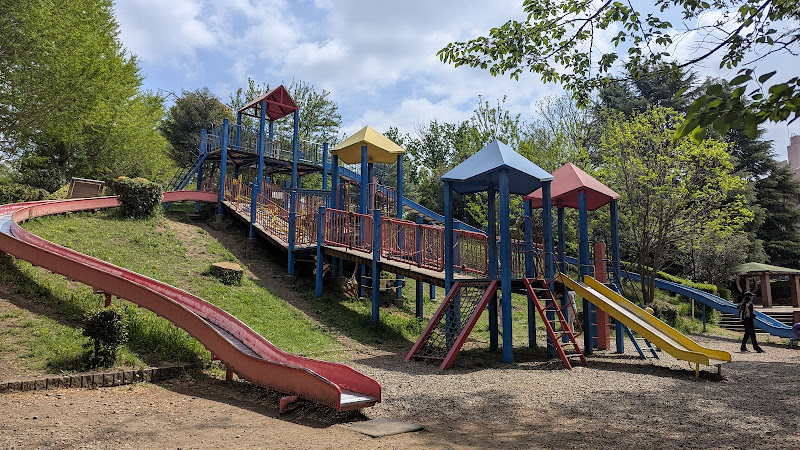
Fussa Park

Fussa Base Side Street
Find Accommodations Nearby
Recommended Tours & Activities
Visitor Reviews
There are no reviews yet. Be the first one to write one.
Share Your Experience
Have you visited 1660-7 Kumagawa? Help other travelers by leaving a review.