

Fussa Base Side Street
About Fussa Base Side Street
Description
Ever strolled along a street and felt like you’ve jumped timelines or continents? That’s Fussa Base Side Street for you. Smack in the middle of Tokyo’s outer reaches, this little avenue has a pulse all its own. At first glance, it looks like any other slice of Japan — but hang around for five minutes and you’ll start to catch the quirky clash of American retro and Japanese style, kind of like flipping channels in your head. This is not the Japan you'll see on those glossy tourist pamphlets or Instagrammable Kyoto shrines. Nah. Fussa Base Side Street dishes out color, contradiction, and honestly, a bit of playful weirdness, with a huge dash of realness thrown in.
What’s really interesting here — and this comes from my knack for sniffing out the unusual — is the history. The USAF Yokota Air Base sits just yards away, so for decades, American culture’s been seeping into the cracks and corners, shaping joints, shops, and the food scene in ways you don’t get anywhere else in Tokyo. You get cafés and thrift stores slinging 50s Americana and burgers, right up against izakayas where the locals unwind over yakitori and beer. It’s a crazy mashup that works.
You’ll find folks lounging in front of jazz record bars, Harley-Davidsons lined up outside vintage shops, and for some reason, a bunch of stores hawking authentic American military surplus. I once bought a bomber jacket here that turned more heads on the Yamanote Line than any designer gear ever has. Even if you’re not a shopper, the people-watching is genuinely world-class; locals, ex-base folk, and Tokyoites looking for a slice of Americana in Japan all mingle here. As for the reviews people tend to dish out about Fussa Base Side Street, they’re honestly all over the map — and that adds to the charm, really. Some come for nostalgia, some for new experiences, and others for the no-frills, open-all-day snacks.
Key Features
- Authentic American-Japanese Fusion: From 1950s Americana diners to ramen bars, the range is wild. You might spot Elvis posters sandwiched between manga volumes — that’s pretty special.
- Quirky Shopping Scene: Thrift stores stuffed with old baseball jerseys, places selling vinyl records, military surplus gear, and even rare collectible toys. I know people who’ve scored some real treasures here.
- Onsite Services Abound: Nearly everything is a walk-in or open-seating setup. No fuss, no stares if you linger over coffee and a slice of cheesecake (and trust me, you should).
- Eclectic Cafés and Food Stalls: From all-day pancakes to Japanese-style burger joints, this is the spot to try both root beer floats and takoyaki, sometimes under the same neon sign.
- Photo Ops and Street Art: Murals with bold pop colors, funky window displays, and retro cars parked along the curb – don’t be shy about snapping pics.
- Evening Jazz and Live Music: Some bars and cafés come alive with live music most weekends. Jazz, rock, the occasional open-mic – great for travelers itching for after-hours fun far from tourist traps.
- Welcoming to All: Whether you’re solo, with family, or on a weird first date, the crowd is mixed, laidback, nothing intimidating. You’ll probably hear English as often as Japanese.
Best Time to Visit
My honest advice? Skip mid-summer — Tokyo heat is no joke and unless you really, really like sweating onto faux-leather barstools, the cooler months are friendlier. Late spring (say, April–May) and October have that bright blue sky and crisp air. There’s a cherry blossom vibe nearby if you hit March, so you can pair pastel petals with your milkshake (I’ve done this. Twice).
As for the week, weekends can be a circus in the best way – crowds, street musicians, maybe an impromptu motorcycle parade. But if you’re into people-watching (or just spotting more locals than tourists), swing by on a Thursday or Friday late afternoon. That’s when you’ll see the transition: sleepy shops kicking up their shutters, the aroma of coffee and burgers mixing in the air, and the sense that something interesting is always about to happen.
Evenings add another layer. Neon lights up, joints get buzzy, and the music drifts out of jazz bars. In all honesty, you could come during a quiet weekday or an all-out weekend and have completely different, equally worthwhile experiences. It’s sort of like picking between chocolate cake and cheesecake. Both are good, but different.
How to Get There
Fussa isn’t exactly central Tokyo but it’s a breeze to reach — honestly, half the fun is watching the city transition as you head west. If you’re Tokyo-based, the quickest way is the JR Ome Line. Hop on at Shinjuku or Tachikawa, and in about 45–50 minutes (give or take, depending on your luck with train timing), you’re stepping off at Fussa Station.
From the station, it’s a quick stroll straight down to the street’s entrance. You don’t need a guide, really; just follow the telltale signs: retro Coke advertisements, jazz tunes drifting from doorways, and a few English-language sandwich boards shouting about the “Best Burgers in Tokyo” (a claim you’ll just have to verify yourself).
If you’re lugging bags (been there, not fun), there are coin lockers at the station. And yes, taxis are around, but you honestly won’t need one unless it’s pouring down rain or you’re carrying a giant stack of vinyl records you just scored in the thrift shops (guilty).
Tips for Visiting
Let’s be real: this place is a bit of an acquired taste, but if you lean in, keep your sense of humor handy, and follow these pointers, you’ll get the most out of your day.
- Come hungry: The street food here is wildly underrated. I once had kimchi cheeseburgers, Japanese-style pancakes (they call them "okonomiyaki burgers"), and what might be Tokyo’s oddest banana split. All delicious, all a little wild.
- Bring cash: While more places take cards these days, some of the best shops are old-school and cash-only. Don’t get caught short if you spot that perfect thrift-shop find.
- Embrace the eclectic: Not everything fits a Pinterest aesthetic. Shops are cramped, some are a bit dusty, but around every corner is a surprise. I once found a limited-edition Godzilla model next to dye-cast Hot Wheels cars and army dog tags. That’s the point.
- Talk to shop owners: English is spoken in a lot of places, and everyone’s got a story to tell — about the Air Base, about growing up half-American, half-Japanese, or why that burger recipe hasn't changed in 40 years.
- Check for events: Sometimes pop-up markets, food festivals, or vintage car shows are happening. Ask around, or just look for the biggest crowd. If you catch one, you’re in for some top-tier people-watching.
- Don’t rush: The beauty of Fussa Base Side Street is in the browsing, snacking, and soaking up the odd mix of cultures. Take your time. Disconnect a bit — WiFi isn’t always strong, and you’ll want your head up to take it all in.
Final thought: Fussa Base Side Street isn’t trying to be cool, polished, or picture-perfect. And that’s what makes it honestly refreshing. Some visitors rave, some grumble, but almost everyone walks away with a smile, a weird story, or some unexpected treasure they can’t find anywhere else in Tokyo. If you’re after an authentic slice of cross-cultural Tokyo, with all its quirks and character, this street should be high up on your list.
Key Features
- Key Features
- Best Time to Visit
- How to Get There
- Tips for Visiting
More Details
Updated June 6, 2025
Table of Contents
Description
Ever strolled along a street and felt like you’ve jumped timelines or continents? That’s Fussa Base Side Street for you. Smack in the middle of Tokyo’s outer reaches, this little avenue has a pulse all its own. At first glance, it looks like any other slice of Japan — but hang around for five minutes and you’ll start to catch the quirky clash of American retro and Japanese style, kind of like flipping channels in your head. This is not the Japan you’ll see on those glossy tourist pamphlets or Instagrammable Kyoto shrines. Nah. Fussa Base Side Street dishes out color, contradiction, and honestly, a bit of playful weirdness, with a huge dash of realness thrown in.
What’s really interesting here — and this comes from my knack for sniffing out the unusual — is the history. The USAF Yokota Air Base sits just yards away, so for decades, American culture’s been seeping into the cracks and corners, shaping joints, shops, and the food scene in ways you don’t get anywhere else in Tokyo. You get cafés and thrift stores slinging 50s Americana and burgers, right up against izakayas where the locals unwind over yakitori and beer. It’s a crazy mashup that works.
You’ll find folks lounging in front of jazz record bars, Harley-Davidsons lined up outside vintage shops, and for some reason, a bunch of stores hawking authentic American military surplus. I once bought a bomber jacket here that turned more heads on the Yamanote Line than any designer gear ever has. Even if you’re not a shopper, the people-watching is genuinely world-class; locals, ex-base folk, and Tokyoites looking for a slice of Americana in Japan all mingle here. As for the reviews people tend to dish out about Fussa Base Side Street, they’re honestly all over the map — and that adds to the charm, really. Some come for nostalgia, some for new experiences, and others for the no-frills, open-all-day snacks.
Key Features
- Authentic American-Japanese Fusion: From 1950s Americana diners to ramen bars, the range is wild. You might spot Elvis posters sandwiched between manga volumes — that’s pretty special.
- Quirky Shopping Scene: Thrift stores stuffed with old baseball jerseys, places selling vinyl records, military surplus gear, and even rare collectible toys. I know people who’ve scored some real treasures here.
- Onsite Services Abound: Nearly everything is a walk-in or open-seating setup. No fuss, no stares if you linger over coffee and a slice of cheesecake (and trust me, you should).
- Eclectic Cafés and Food Stalls: From all-day pancakes to Japanese-style burger joints, this is the spot to try both root beer floats and takoyaki, sometimes under the same neon sign.
- Photo Ops and Street Art: Murals with bold pop colors, funky window displays, and retro cars parked along the curb – don’t be shy about snapping pics.
- Evening Jazz and Live Music: Some bars and cafés come alive with live music most weekends. Jazz, rock, the occasional open-mic – great for travelers itching for after-hours fun far from tourist traps.
- Welcoming to All: Whether you’re solo, with family, or on a weird first date, the crowd is mixed, laidback, nothing intimidating. You’ll probably hear English as often as Japanese.
Best Time to Visit
My honest advice? Skip mid-summer — Tokyo heat is no joke and unless you really, really like sweating onto faux-leather barstools, the cooler months are friendlier. Late spring (say, April–May) and October have that bright blue sky and crisp air. There’s a cherry blossom vibe nearby if you hit March, so you can pair pastel petals with your milkshake (I’ve done this. Twice).
As for the week, weekends can be a circus in the best way – crowds, street musicians, maybe an impromptu motorcycle parade. But if you’re into people-watching (or just spotting more locals than tourists), swing by on a Thursday or Friday late afternoon. That’s when you’ll see the transition: sleepy shops kicking up their shutters, the aroma of coffee and burgers mixing in the air, and the sense that something interesting is always about to happen.
Evenings add another layer. Neon lights up, joints get buzzy, and the music drifts out of jazz bars. In all honesty, you could come during a quiet weekday or an all-out weekend and have completely different, equally worthwhile experiences. It’s sort of like picking between chocolate cake and cheesecake. Both are good, but different.
How to Get There
Fussa isn’t exactly central Tokyo but it’s a breeze to reach — honestly, half the fun is watching the city transition as you head west. If you’re Tokyo-based, the quickest way is the JR Ome Line. Hop on at Shinjuku or Tachikawa, and in about 45–50 minutes (give or take, depending on your luck with train timing), you’re stepping off at Fussa Station.
From the station, it’s a quick stroll straight down to the street’s entrance. You don’t need a guide, really; just follow the telltale signs: retro Coke advertisements, jazz tunes drifting from doorways, and a few English-language sandwich boards shouting about the “Best Burgers in Tokyo” (a claim you’ll just have to verify yourself).
If you’re lugging bags (been there, not fun), there are coin lockers at the station. And yes, taxis are around, but you honestly won’t need one unless it’s pouring down rain or you’re carrying a giant stack of vinyl records you just scored in the thrift shops (guilty).
Tips for Visiting
Let’s be real: this place is a bit of an acquired taste, but if you lean in, keep your sense of humor handy, and follow these pointers, you’ll get the most out of your day.
- Come hungry: The street food here is wildly underrated. I once had kimchi cheeseburgers, Japanese-style pancakes (they call them “okonomiyaki burgers”), and what might be Tokyo’s oddest banana split. All delicious, all a little wild.
- Bring cash: While more places take cards these days, some of the best shops are old-school and cash-only. Don’t get caught short if you spot that perfect thrift-shop find.
- Embrace the eclectic: Not everything fits a Pinterest aesthetic. Shops are cramped, some are a bit dusty, but around every corner is a surprise. I once found a limited-edition Godzilla model next to dye-cast Hot Wheels cars and army dog tags. That’s the point.
- Talk to shop owners: English is spoken in a lot of places, and everyone’s got a story to tell — about the Air Base, about growing up half-American, half-Japanese, or why that burger recipe hasn’t changed in 40 years.
- Check for events: Sometimes pop-up markets, food festivals, or vintage car shows are happening. Ask around, or just look for the biggest crowd. If you catch one, you’re in for some top-tier people-watching.
- Don’t rush: The beauty of Fussa Base Side Street is in the browsing, snacking, and soaking up the odd mix of cultures. Take your time. Disconnect a bit — WiFi isn’t always strong, and you’ll want your head up to take it all in.
Final thought: Fussa Base Side Street isn’t trying to be cool, polished, or picture-perfect. And that’s what makes it honestly refreshing. Some visitors rave, some grumble, but almost everyone walks away with a smile, a weird story, or some unexpected treasure they can’t find anywhere else in Tokyo. If you’re after an authentic slice of cross-cultural Tokyo, with all its quirks and character, this street should be high up on your list.
Key Highlights
- Key Features
- Best Time to Visit
- How to Get There
- Tips for Visiting
Location
Places to Stay Near Fussa Base Side Street
Find and Book a Tour
Explore More Travel Guides
No reviews found! Be the first to review!
Traveler Reviews for Fussa Base Side Street
There are no reviews yet. Be the first one to write one.
Have you visited Fussa Base Side Street? Help other travelers by sharing your review.
You Might Also Like

Haragayato Donguri Park

Kumagawa Shrine
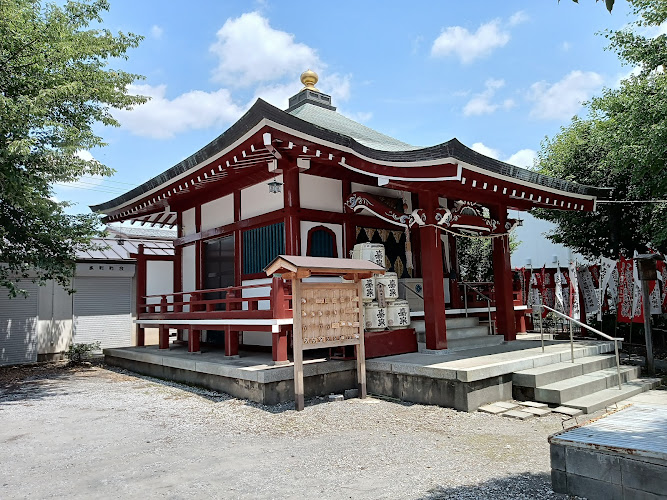
Fussa Fudo-son
Find Accommodations Nearby
Recommended Tours & Activities
Visitor Reviews
There are no reviews yet. Be the first one to write one.
Share Your Experience
Have you visited Fussa Base Side Street? Help other travelers by leaving a review.