
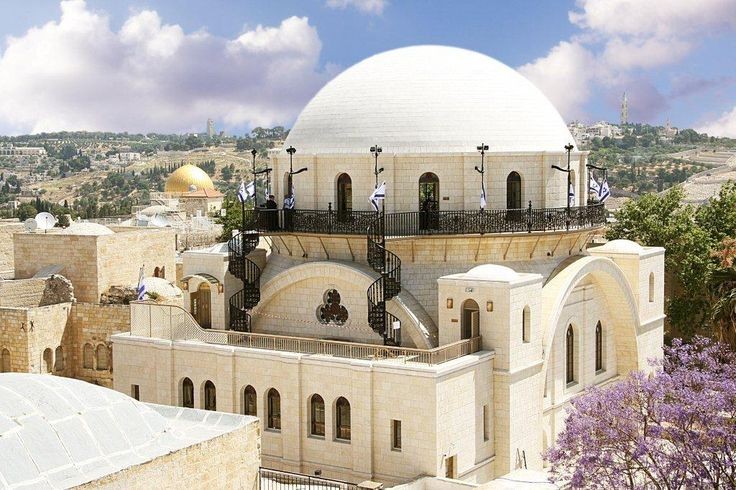
בית כנסת החורבה – Hurva Synagogue
About בית כנסת החורבה – Hurva Synagogue
Description
There’s something about the Hurva Synagogue that stops you in your tracks the first time you see it. Maybe it’s the way its massive white dome rises above the narrow stone alleys of Jerusalem’s Jewish Quarter, or maybe it’s the quiet sense of resilience it carries—like a story that refuses to fade. The Hurva Synagogue, or Beit ha-Knesset ha-Hurva, has been built, destroyed, and rebuilt more than once, and somehow that makes it even more compelling. It’s not just a religious site; it’s a symbol of endurance and faith that mirrors the city itself.
Originally founded in the early 18th century by followers of Rabbi Judah the Pious, the synagogue’s history reads like a novel full of setbacks, hope, and redemption. The first structure didn’t last long—destroyed just a few years after it was built. For over a century, the site lay in ruins, earning the name “Hurva,” which literally means “The Ruin.” Then in 1864, the synagogue rose again, grander than ever, with a magnificent dome that became one of Jerusalem’s most recognizable landmarks. Sadly, it was destroyed again in 1948 during the battle for the Old City. But in true Jerusalem fashion, it was rebuilt once more in 2010, restored to its 19th-century glory with a few modern touches that make it both historic and contemporary.
Walking inside, you immediately sense the blend of old and new. The towering Torah ark, carved with intricate detail, dominates the space, while the high ceilings and soft light filtering through the dome give the interior a serene, almost ethereal atmosphere. I remember standing there for a good few minutes, just staring upward, feeling oddly small but deeply connected to something ancient. It’s one of those rare places where silence feels alive.
For travelers, the Hurva offers more than just a look at religious architecture—it’s a window into the story of Jerusalem’s Jewish Quarter. You can climb up to the observation deck beneath the dome, which offers sweeping views of the Old City’s rooftops, the Western Wall, and even the Mount of Olives on a clear day. And if you’re into photography, trust me, this spot is pure gold during the late afternoon when the sun turns the stone walls honey-colored.
While most visitors leave with glowing impressions, a few find the experience less moving—perhaps expecting more exhibits or interactive features. But that’s the thing about the Hurva: it’s not a museum. It’s a living synagogue, a place of prayer and reflection that happens to carry centuries of history in its stones. If you go with that mindset, you’ll likely walk away with something far more lasting than just a photo.
Key Features
- Massive reconstructed dome offering panoramic views of Jerusalem’s Old City
- Impressive Torah ark, one of the largest in Israel, beautifully crafted and detailed
- Historical significance dating back to the early 1700s, representing resilience and renewal
- Observation deck accessible to visitors for stunning cityscapes and photo opportunities
- Wheelchair accessible entrance, ensuring inclusivity for all travelers
- On-site restrooms for visitor convenience
- Active place of worship, allowing visitors to witness authentic religious life
Best Time to Visit
If you’re planning to visit the Hurva Synagogue, timing can make all the difference. The best time, in my opinion, is late afternoon, just before sunset. The light at that hour gives the entire Old City a warm, golden glow that feels almost cinematic. Plus, the crowds thin out a bit, giving you space to really take in the details. Mornings are also lovely if you prefer a quieter experience and cooler temperatures, especially in the summer months when Jerusalem’s midday sun can be relentless.
Spring and autumn are ideal seasons for exploring the Jewish Quarter. The weather is mild, and the city feels alive without being overwhelming. During Jewish holidays like Sukkot or Passover, the area becomes especially vibrant, though it can get crowded—so if you’re not into navigating packed streets, plan accordingly. Winter has its own charm too; there’s something magical about seeing the Old City under a light drizzle, though you’ll want to bring a jacket since the stone streets can get chilly.
How to Get There
The Hurva Synagogue is located right in the heart of Jerusalem’s Jewish Quarter, within the walls of the Old City. If you’re coming from the Jaffa Gate, it’s about a 10–15 minute walk through winding alleys filled with small shops, cafes, and historical landmarks. The route itself is part of the experience—every corner tells a story. Just be prepared for a bit of uneven terrain; the Old City’s stones are beautiful but not exactly smooth.
Public transportation is your best bet if you’re staying elsewhere in Jerusalem. You can take the light rail to the City Hall stop and walk from there. Taxis can drop you off near the Jaffa Gate, but vehicles aren’t allowed inside the Old City itself. If you’re driving, parking can be tricky—there’s no dedicated parking lot for the synagogue, and spaces nearby fill up quickly. Personally, I prefer walking; it’s the best way to absorb the atmosphere and stumble upon hidden gems along the way.
Tips for Visiting
Here’s the thing about visiting the Hurva Synagogue—you’ll get the most out of it if you slow down. Don’t rush through just to check it off your list. Take a moment to sit quietly inside, notice the details of the architecture, and think about the generations who prayed here before you. It’s a humbling experience.
- Dress modestly: As it’s an active synagogue, respectful attire is required. Shoulders and knees should be covered.
- Check opening hours: They can vary depending on religious holidays and events, so it’s wise to confirm before you go.
- Bring a camera: The view from the dome is one of the best in the Old City, especially at sunset.
- Go with a guide: If you’re a history buff, a guided tour can add layers of context that you might otherwise miss.
- Accessibility note: The entrance is wheelchair accessible, but the upper dome area may not be suitable for all visitors with mobility issues.
- Visit nearby attractions: The Western Wall, the Cardo, and several small museums are all within walking distance, making it easy to turn your visit into a half-day adventure.
And one last tip—don’t forget to look up. Seriously. The dome’s interior is breathtaking, and it’s easy to get caught up in the details at eye level. When you tilt your head back and see the light dancing across the curved ceiling, you’ll understand why so many visitors describe the Hurva as both a masterpiece of architecture and a spiritual experience. Whether you come for the history, the view, or simply the quiet beauty of the place, the Hurva Synagogue has a way of leaving a mark that lingers long after you’ve left its walls.
Key Features
- Massive reconstructed dome offering panoramic views of Jerusalem’s Old City
- Impressive Torah ark, one of the largest in Israel, beautifully crafted and detailed
- Historical significance dating back to the early 1700s, representing resilience and renewal
- Observation deck accessible to visitors for stunning cityscapes and photo opportunities
- Wheelchair accessible entrance, ensuring inclusivity for all travelers
- On-site restrooms for visitor convenience
- Active place of worship, allowing visitors to witness authentic religious life
More Details
Updated October 9, 2025
Table of Contents There’s something about the Hurva Synagogue that stops you in your tracks the first time you see it. Maybe it’s the way its massive white dome rises above the narrow stone alleys of Jerusalem’s Jewish Quarter, or maybe it’s the quiet sense of resilience it carries—like a story that refuses to fade. The Hurva Synagogue, or Beit ha-Knesset ha-Hurva, has been built, destroyed, and rebuilt more than once, and somehow that makes it even more compelling. It’s not just a religious site; it’s a symbol of endurance and faith that mirrors the city itself. Originally founded in the early 18th century by followers of Rabbi Judah the Pious, the synagogue’s history reads like a novel full of setbacks, hope, and redemption. The first structure didn’t last long—destroyed just a few years after it was built. For over a century, the site lay in ruins, earning the name “Hurva,” which literally means “The Ruin.” Then in 1864, the synagogue rose again, grander than ever, with a magnificent dome that became one of Jerusalem’s most recognizable landmarks. Sadly, it was destroyed again in 1948 during the battle for the Old City. But in true Jerusalem fashion, it was rebuilt once more in 2010, restored to its 19th-century glory with a few modern touches that make it both historic and contemporary. Walking inside, you immediately sense the blend of old and new. The towering Torah ark, carved with intricate detail, dominates the space, while the high ceilings and soft light filtering through the dome give the interior a serene, almost ethereal atmosphere. I remember standing there for a good few minutes, just staring upward, feeling oddly small but deeply connected to something ancient. It’s one of those rare places where silence feels alive. For travelers, the Hurva offers more than just a look at religious architecture—it’s a window into the story of Jerusalem’s Jewish Quarter. You can climb up to the observation deck beneath the dome, which offers sweeping views of the Old City’s rooftops, the Western Wall, and even the Mount of Olives on a clear day. And if you’re into photography, trust me, this spot is pure gold during the late afternoon when the sun turns the stone walls honey-colored. While most visitors leave with glowing impressions, a few find the experience less moving—perhaps expecting more exhibits or interactive features. But that’s the thing about the Hurva: it’s not a museum. It’s a living synagogue, a place of prayer and reflection that happens to carry centuries of history in its stones. If you go with that mindset, you’ll likely walk away with something far more lasting than just a photo. If you’re planning to visit the Hurva Synagogue, timing can make all the difference. The best time, in my opinion, is late afternoon, just before sunset. The light at that hour gives the entire Old City a warm, golden glow that feels almost cinematic. Plus, the crowds thin out a bit, giving you space to really take in the details. Mornings are also lovely if you prefer a quieter experience and cooler temperatures, especially in the summer months when Jerusalem’s midday sun can be relentless. Spring and autumn are ideal seasons for exploring the Jewish Quarter. The weather is mild, and the city feels alive without being overwhelming. During Jewish holidays like Sukkot or Passover, the area becomes especially vibrant, though it can get crowded—so if you’re not into navigating packed streets, plan accordingly. Winter has its own charm too; there’s something magical about seeing the Old City under a light drizzle, though you’ll want to bring a jacket since the stone streets can get chilly. The Hurva Synagogue is located right in the heart of Jerusalem’s Jewish Quarter, within the walls of the Old City. If you’re coming from the Jaffa Gate, it’s about a 10–15 minute walk through winding alleys filled with small shops, cafes, and historical landmarks. The route itself is part of the experience—every corner tells a story. Just be prepared for a bit of uneven terrain; the Old City’s stones are beautiful but not exactly smooth. Public transportation is your best bet if you’re staying elsewhere in Jerusalem. You can take the light rail to the City Hall stop and walk from there. Taxis can drop you off near the Jaffa Gate, but vehicles aren’t allowed inside the Old City itself. If you’re driving, parking can be tricky—there’s no dedicated parking lot for the synagogue, and spaces nearby fill up quickly. Personally, I prefer walking; it’s the best way to absorb the atmosphere and stumble upon hidden gems along the way. Here’s the thing about visiting the Hurva Synagogue—you’ll get the most out of it if you slow down. Don’t rush through just to check it off your list. Take a moment to sit quietly inside, notice the details of the architecture, and think about the generations who prayed here before you. It’s a humbling experience. And one last tip—don’t forget to look up. Seriously. The dome’s interior is breathtaking, and it’s easy to get caught up in the details at eye level. When you tilt your head back and see the light dancing across the curved ceiling, you’ll understand why so many visitors describe the Hurva as both a masterpiece of architecture and a spiritual experience. Whether you come for the history, the view, or simply the quiet beauty of the place, the Hurva Synagogue has a way of leaving a mark that lingers long after you’ve left its walls.Description
Key Features
Best Time to Visit
How to Get There
Tips for Visiting
Key Highlights
- Massive reconstructed dome offering panoramic views of Jerusalem’s Old City
- Impressive Torah ark, one of the largest in Israel, beautifully crafted and detailed
- Historical significance dating back to the early 1700s, representing resilience and renewal
- Observation deck accessible to visitors for stunning cityscapes and photo opportunities
- Wheelchair accessible entrance, ensuring inclusivity for all travelers
- On-site restrooms for visitor convenience
- Active place of worship, allowing visitors to witness authentic religious life
Location
Places to Stay Near בית כנסת החורבה - Hurva Synagogue
Find and Book a Tour
Explore More Travel Guides
No reviews found! Be the first to review!
Traveler Reviews for בית כנסת החורבה – Hurva Synagogue
There are no reviews yet. Be the first one to write one.
Have you visited בית כנסת החורבה – Hurva Synagogue? Help other travelers by sharing your review.
You Might Also Like
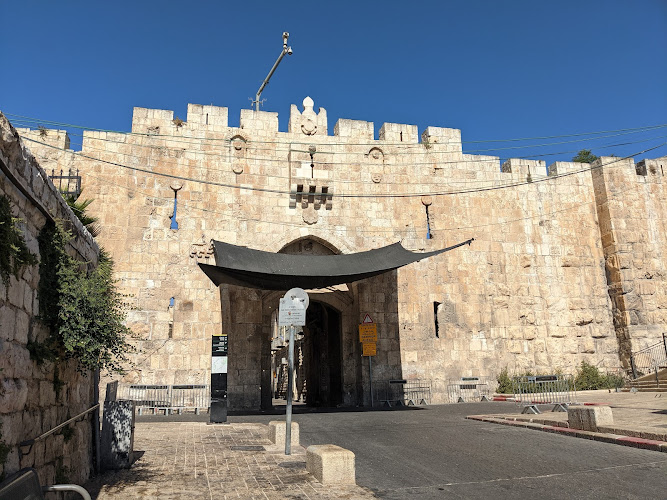
Lions' Gate

The Jerusalem Great Synagogue

Yad Vashem
Find Accommodations Nearby
Recommended Tours & Activities
Visitor Reviews
There are no reviews yet. Be the first one to write one.
Share Your Experience
Have you visited בית כנסת החורבה – Hurva Synagogue? Help other travelers by leaving a review.