Pittsburgh vs Philadelphia: 5 Key Differences Between Pennsylvania’s Rival Cities in 2026
Updated July 15, 2025
Pittsburgh and Philadelphia stand on opposite sides of Pennsylvania, offering very different flavors of city life. While both cities boast rich history and unique culture, they differ greatly in size, cost, and overall vibe. Pittsburgh is generally more affordable, with housing costs about 0.6% lower than Philadelphia, making it an attractive option for those seeking urban amenities without the higher price tag.
These Pennsylvania cities each have their distinct personality. Philadelphia brings big-city energy similar to nearby New York or DC, while Pittsburgh offers a more relaxed, manageable atmosphere. Many visitors are surprised by Pittsburgh’s colorful skyline and striking setting, which some argue even outshines Philadelphia’s taller, more imposing cityscape.
Both cities feature wonderful neighborhoods, cultural attractions, and plenty to explore. Your preference might depend on whether you value Philadelphia’s cosmopolitan buzz or Pittsburgh’s laid-back charm. Either way, these Pennsylvania rivals have passionate defenders and unique advantages worth considering before your next visit or potential move.
Table of Contents
- Historical Overview and Geography
- Founding and Historical Significance
- Geographical Layout and Proximity
- Economic Comparison
- Employment and Industry Focus
- Cost of Living and Housing Costs
- Education and Technology Influence
- Cultural Landscapes
- Art and Architecture
- Food and Restaurants
- Music and Nightlife
- Diversity and Lifestyle
- Sports Rivalries
- Football: Steelers vs. Eagles
- Hockey: Penguins Rivalries
- Baseball and Pirates’ Legacy
- Urban Living
- Downtown Experiences
- Transportation Systems
- Safety and Crime Rates
- Green Spaces and Recreation
- Parks and Outdoor Activities
- Landmarks: Idlewild and Fallingwater
- Education Hubs
- Top Universities and Research
- Student Life and Campus Cultures
- Weather Patterns
- Seasonal Weather Variations
- Impact on Lifestyle and Activities
- Cuisine and Iconic Foods
- Famous Local Eateries
- Signature Dishes of Pittsburgh and Philadelphia
- Frequently Asked Questions
- What distinguishes the sports cultures between Pittsburgh and Philadelphia?
- How does the cost of living compare between Pittsburgh and Philadelphia?
- What are the significant cultural differences between Pittsburgh and Philadelphia?
- Can you compare the safety and crime rates of Pittsburgh vs. Philadelphia?
- Which city offers a better job market and economic opportunities, Pittsburgh or Philadelphia?
- Which city tends to favor more progressive or liberal policies, Philadelphia or Pittsburgh?
- Book Your Dream Experience
- More Travel Guides
Historical Overview and Geography
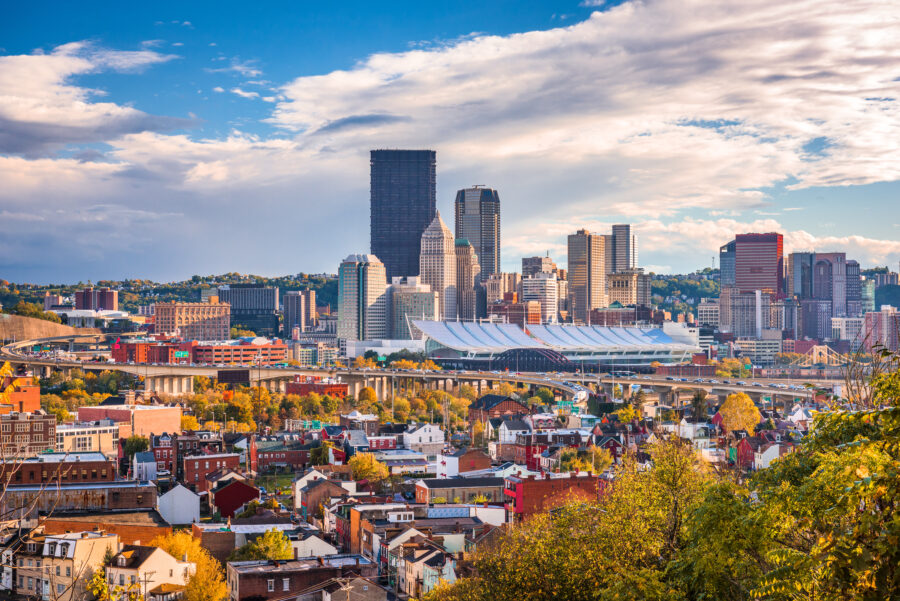
Pittsburgh and Philadelphia have rich histories that shaped Pennsylvania’s development, but they evolved quite differently due to their distinct geographic locations.
Founding and Historical Significance
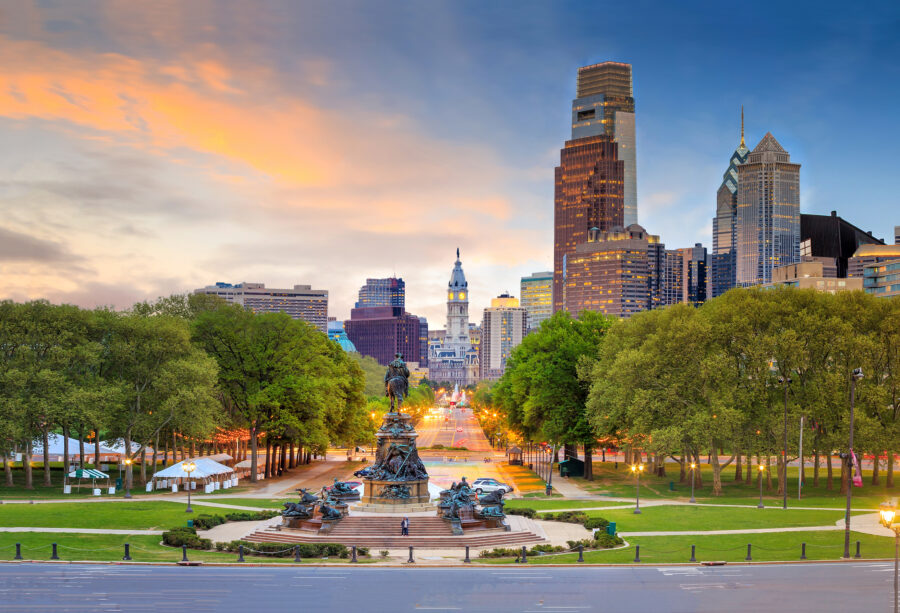
Philadelphia was founded in 1682 by William Penn, making it one of America’s oldest cities. The city played a crucial role in American history as the birthplace of the Declaration of Independence and the Constitution. Independence Hall still stands as a testament to its revolutionary importance. The city was the nation’s capital from 1790 to 1800 before Washington, D.C. took over.
Pittsburgh’s history began as Fort Pitt in 1758, established during the French and Indian War. The city truly developed in the 19th century when it became a manufacturing powerhouse, especially in steel production. Andrew Carnegie and other industrialists transformed Pittsburgh into the “Steel City,” helping fuel America’s industrial revolution. While Philadelphia was shaping the nation’s political identity, Pittsburgh built its industrial backbone.
Geographical Layout and Proximity
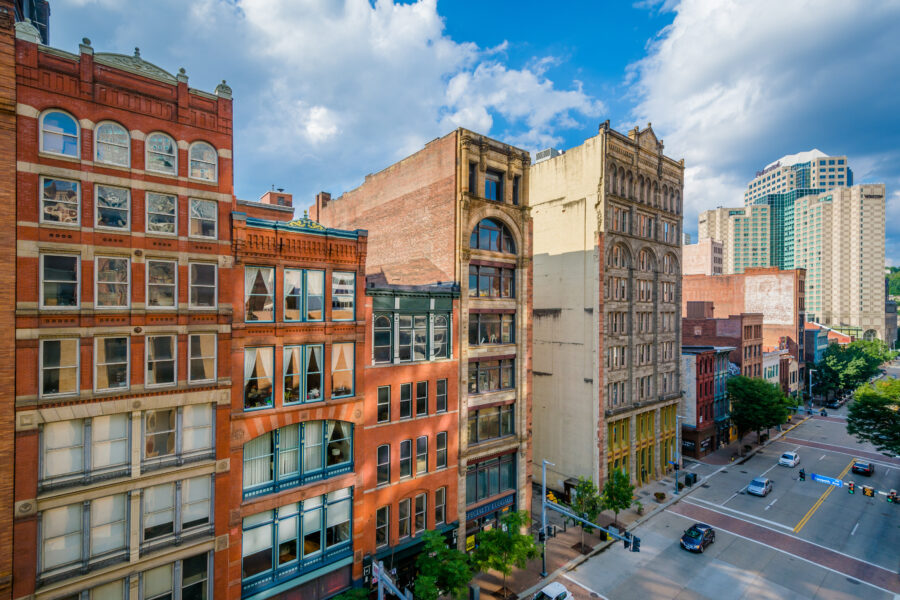
Philadelphia is located in Pennsylvania’s southeast corner, where the Delaware and Schuylkill Rivers meet, just 95 miles from New York City. This prime East Coast location helped it develop as a major port and commercial hub. The city spans about 142 square miles and has a grid-like street layout designed by William Penn himself.
Pittsburgh occupies a dramatically different setting in western Pennsylvania. The city sits at the confluence of three rivers—the Allegheny, Monongahela, and Ohio—creating its distinctive triangular downtown known as the “Golden Triangle.” Surrounded by hills and valleys, Pittsburgh earned the nickname “City of Bridges” with over 440 bridges connecting its neighborhoods across waterways and ravines.
The geographical differences influenced each city’s culture. Philadelphia developed that distinct “East Coast” urban feel. At the same time, Pittsburgh blends East Coast sensibilities with Appalachian influences, creating a unique cultural identity that feels more Midwestern despite being in the same state.
Economic Comparison
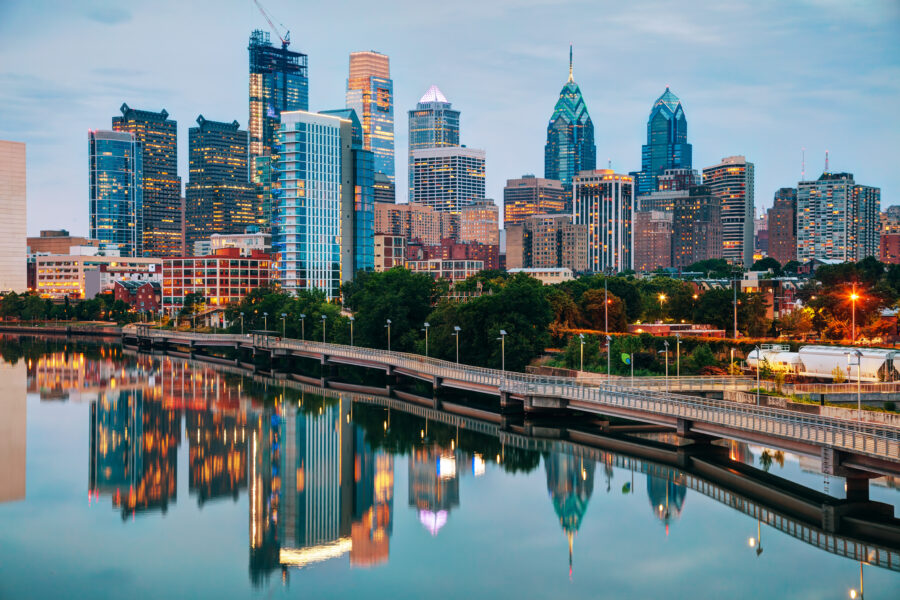
Pittsburgh and Philadelphia show notable differences in their economic landscapes, from job markets to living expenses. These differences shape daily life and future opportunities in Pennsylvania’s two major cities.
Employment and Industry Focus
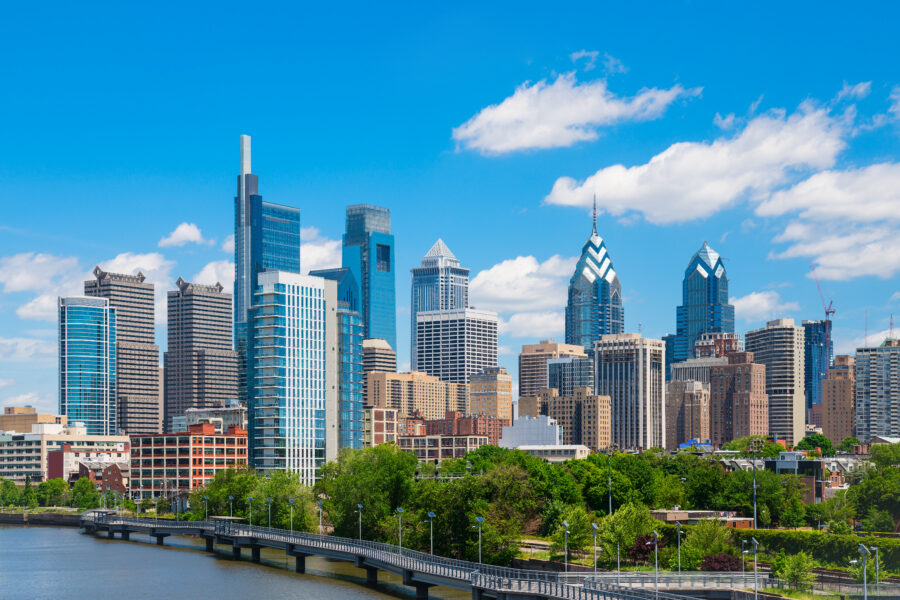
Pittsburgh has transformed from its steel industry roots into a hub for healthcare, education, and technology. The city hosts UPMC Health System and universities like Carnegie Mellon that drive economic growth. Pittsburgh offers a relatively stable job market with an unemployment rate of 7.1%.
Philadelphia’s economy centers on healthcare, education, and services. The city is home to major employers like the University of Pennsylvania Health System and Comcast. Philly has a more diverse economy but faces higher unemployment than Pittsburgh.
The income gap between the cities is significant. Pittsburgh households earn about $63,800 annually, while Philadelphia families make around $54,600—about 3% less than Steel City and 31% below the national average.
Cost of Living and Housing Costs
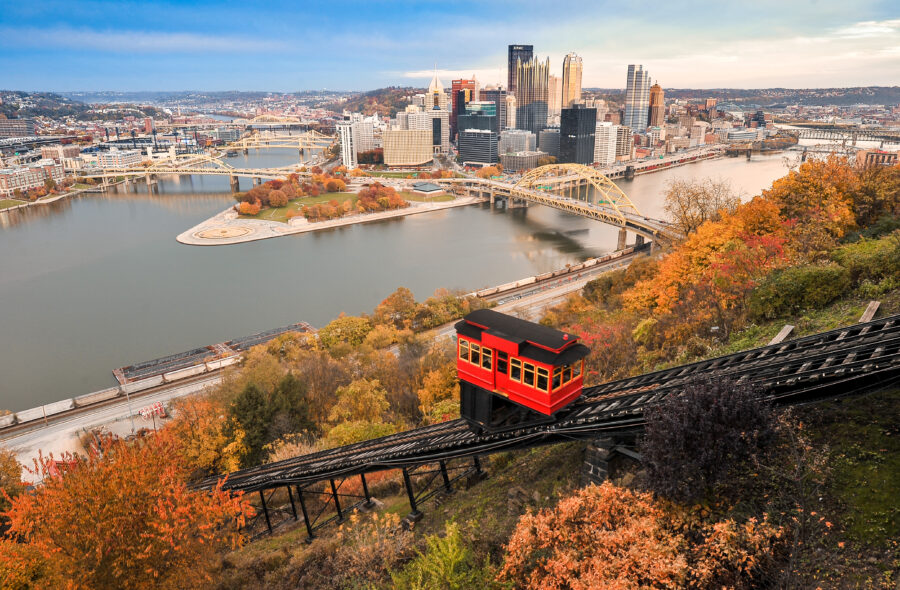
Pittsburgh shines in affordability compared to its eastern counterpart. Housing costs in Steel City run significantly lower than in Philadelphia, with more reasonable prices for both renters and buyers. This affordability extends to daily expenses like groceries and utilities.
Philadelphia’s cost of living reflects its larger urban setting. The City of Brotherly Love demands higher housing costs, though certain neighborhoods offer better value. Transportation costs also typically run higher in Philly, where there are more complex commuting needs.
Both cities offer value compared to coastal metros like New York or Boston. Your dollar stretches further in Pittsburgh, making it attractive for families and retirees looking to maximize their budget while still enjoying city amenities.
Education and Technology Influence
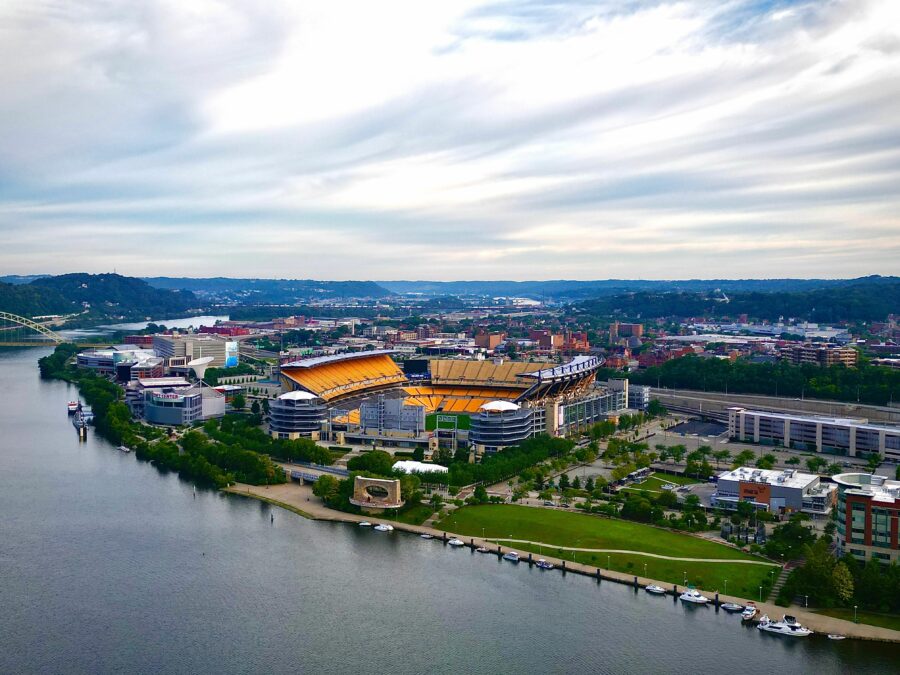
Pittsburgh’s education ecosystem has fueled its tech transformation. Carnegie Mellon University leads in robotics and AI research, while the University of Pittsburgh excels in medicine. These institutions have attracted companies like Google, Uber, and Facebook to establish offices in the city.
The Steel City has leveraged its educational strengths to create innovation corridors where startups flourish. Areas like East Liberty and the Strip District have become tech hubs with growing employment opportunities.
Philadelphia boasts educational powerhouses, including UPenn and Drexel University. The city has also developed a strong biotech and pharmaceutical presence, with the University City district becoming a center for research and innovation. Philly’s tech scene continues to grow, though it hasn’t matched Pittsburgh’s remarkable tech transformation rate.
Cultural Landscapes
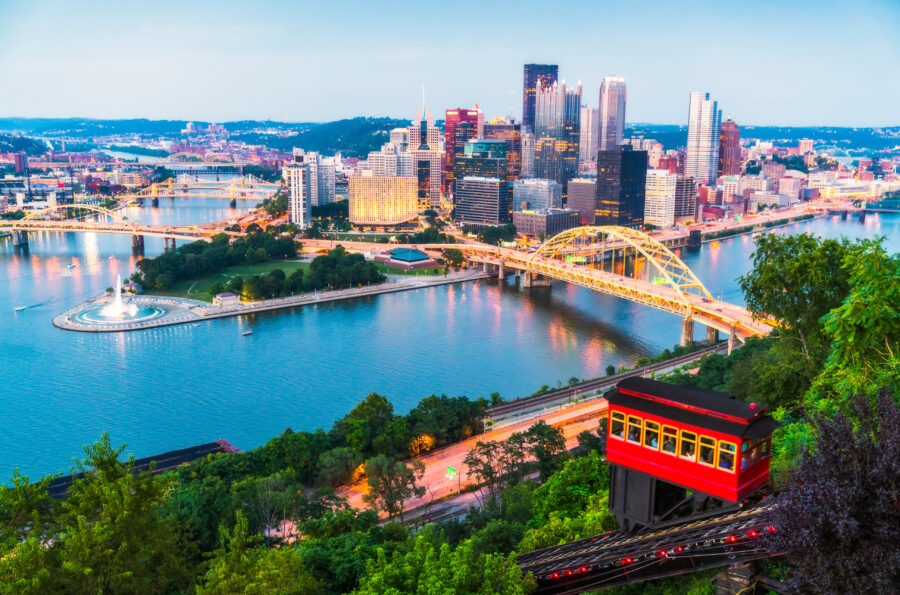
Pittsburgh and Philadelphia showcase very different cultural vibes despite sharing the same state. Pittsburgh blends Midwestern friendliness with Northeast grit, while Philadelphia embraces its historical roots alongside big-city energy.
Art and Architecture
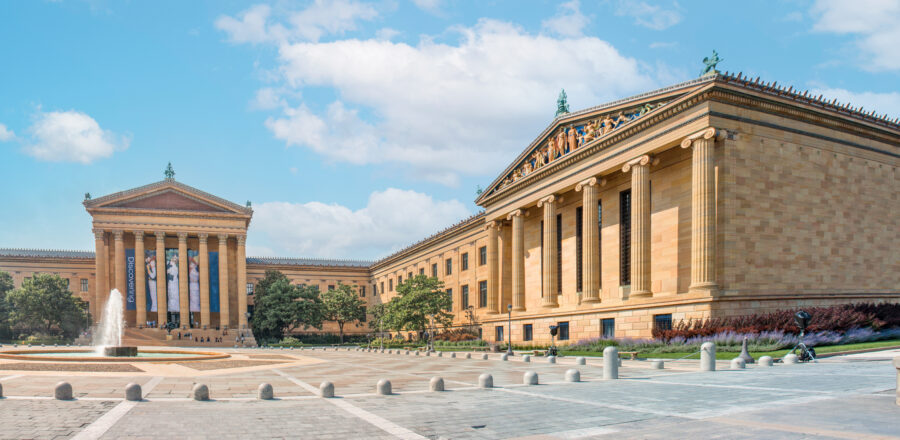
Pittsburgh’s arts scene has transformed dramatically since its steel industry days. The Andy Warhol Museum, honoring the city’s famous native son, houses the largest collection of Warhol’s work worldwide. The city’s architecture tells its story through distinct phases – from industrial-era buildings to modern marvels like PPG Place’s glass castle-like appearance.
The Three Sisters Bridges spanning the Allegheny River offer iconic yellow symbols of the city’s industrial heritage. Pittsburgh’s Cultural District packs 14 square blocks with theaters, galleries, and performance spaces.
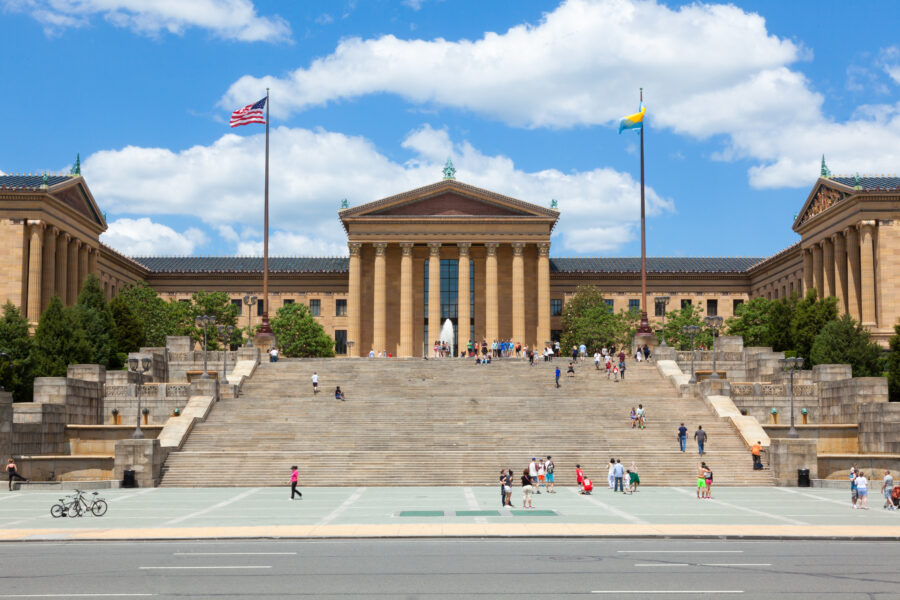
Philadelphia’s art scene centers around the stunning Philadelphia Museum of Art (the one with the famous “Rocky steps”). The Barnes Foundation houses an impressive collection of Impressionist and Post-Impressionist paintings.
Philly’s architecture spans centuries, from colonial-era buildings in Old City to modern skyscrapers downtown. The city’s murals program has created over 4,000 public artworks, transforming ordinary walls into striking visual stories.
Food and Restaurants
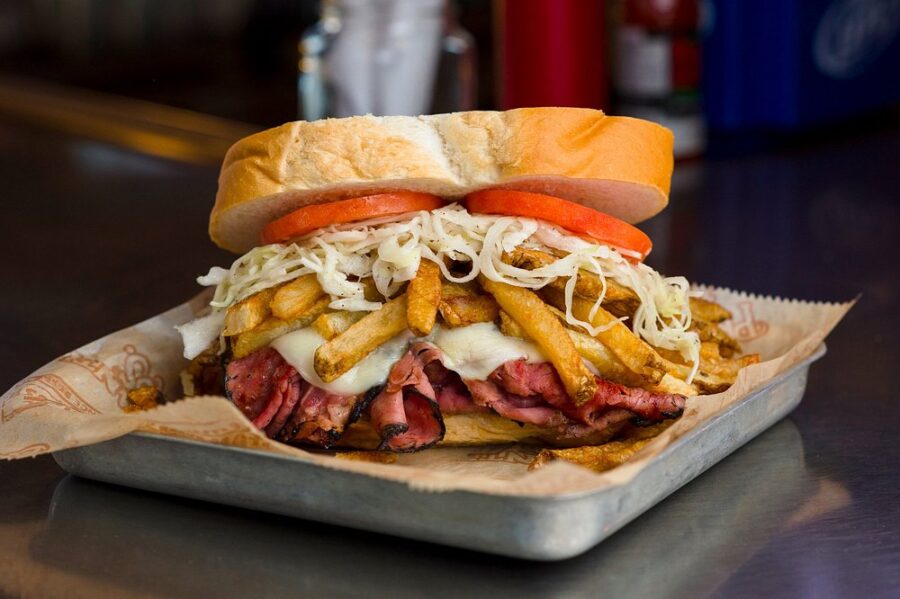
Pittsburgh’s food scene reflects its blue-collar roots with hearty, unpretentious fare. Primanti Brothers sandwiches – stuffed with meat, cheese, fries, and coleslaw – represent Pittsburgh comfort food. The Strip District functions as food central, lined with specialty shops, ethnic grocers, and street food vendors.
Polish pierogies remain a staple across Pittsburgh, reflecting the city’s Eastern European heritage. The city has embraced food innovation, too, with James Beard-nominated chefs opening restaurants in neighborhoods like Lawrenceville.
Philadelphia’s food identity centers around the iconic cheesesteak, with Pat’s and Geno’s famous rivalry continuing to divide loyalties. Reading Terminal Market offers a food lover’s paradise with everything from Pennsylvania Dutch specialties to global cuisine under one roof.
Italian influences run deep in South Philly, where family-owned restaurants and bakeries maintain generations-old recipes. The city’s restaurant scene has exploded beyond traditional fare, with acclaimed spots in neighborhoods like Fishtown and East Passyunk Avenue.
Music and Nightlife
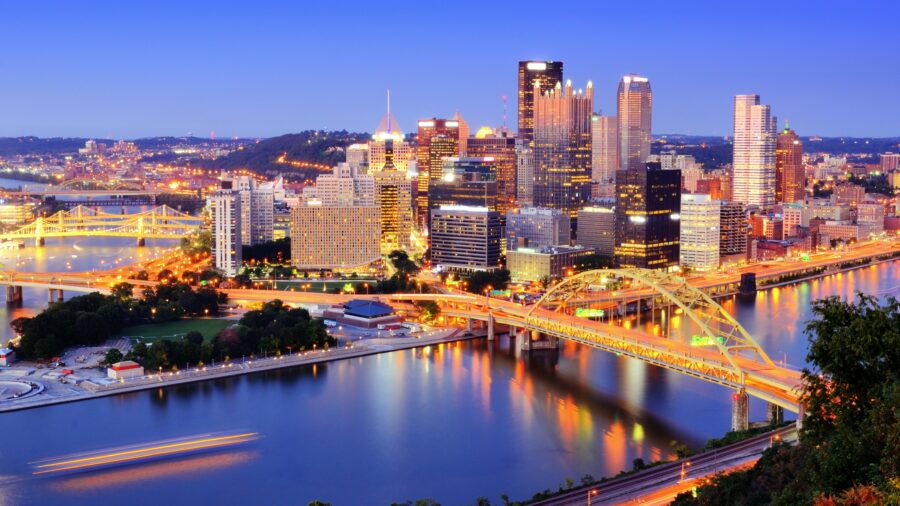
Pittsburgh’s music scene thrives in intimate venues like Mr. Smalls (a converted church) and Club Cafe. The city punches above its weight in indie and rock circles, with local bands gaining national attention. The Pittsburgh Symphony Orchestra, based at Heinz Hall, offers world-class classical performances.
Nightlife centers around areas like the South Side, with its mile-long stretch of bars along East Carson Street. The Strip District and Lawrenceville offer trendier spots with craft cocktails and microbreweries.
Philadelphia boasts a richer musical heritage, from jazz legends to the “Sound of Philadelphia” R&B movement. The city’s large venues, like The Met and Union Transfer, attract major touring acts. The Philadelphia Orchestra ranks among the “Big Five” American orchestras.
Philly’s nightlife districts span from the college-friendly bars of University City to Old City’s historic pubs. Fishtown has emerged as the city’s hipster haven, with vinyl bars, craft breweries, and live music venues like Johnny Brenda’s.
Diversity and Lifestyle
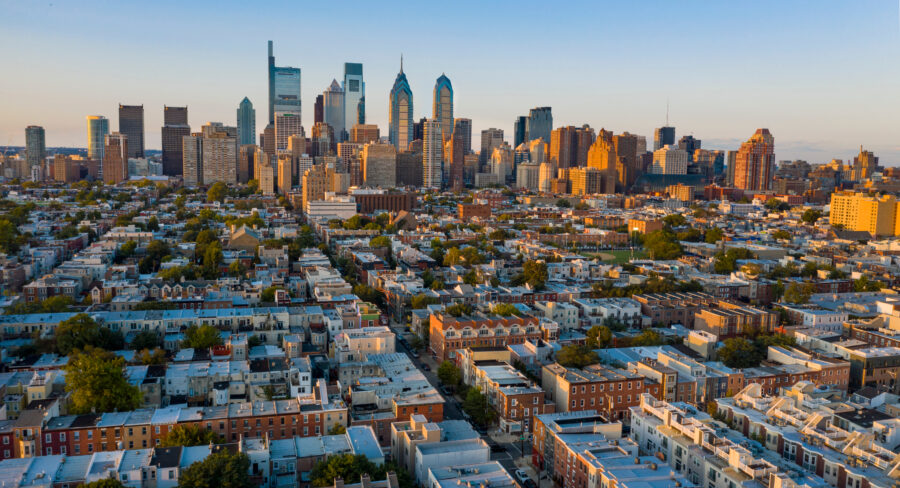
Pittsburgh embraces a neighborhood-centric lifestyle where distinct communities maintain unique identities. The city’s affordability attracts young professionals seeking urban amenities without big-city prices. Polish, Italian, and Eastern European influences remain strong in the Polish Hill and Bloomfield areas.
The city’s topography of hills and rivers creates natural boundaries between neighborhoods, each with its own “village” feel. Outdoor activities center around Point State Park and the extensive riverfront trail system.
Philadelphia offers greater diversity both culturally and demographically. The city’s African American heritage runs deep, with significant historical sites and cultural contributions. Italian, Irish, Polish, and more recently Latino and Asian communities have shaped different neighborhoods.
Philly’s lifestyle feels more urban and fast-paced than Pittsburgh’s. Walkable neighborhoods, extensive public transit, and bike-friendly streets support a car-optional lifestyle. The city’s parks system includes the massive Fairmount Park, offering a green escape within city limits.
See Related: Pittsburgh vs Cincinnati: Must-See Attractions That Define These Rival Cities
Sports Rivalries
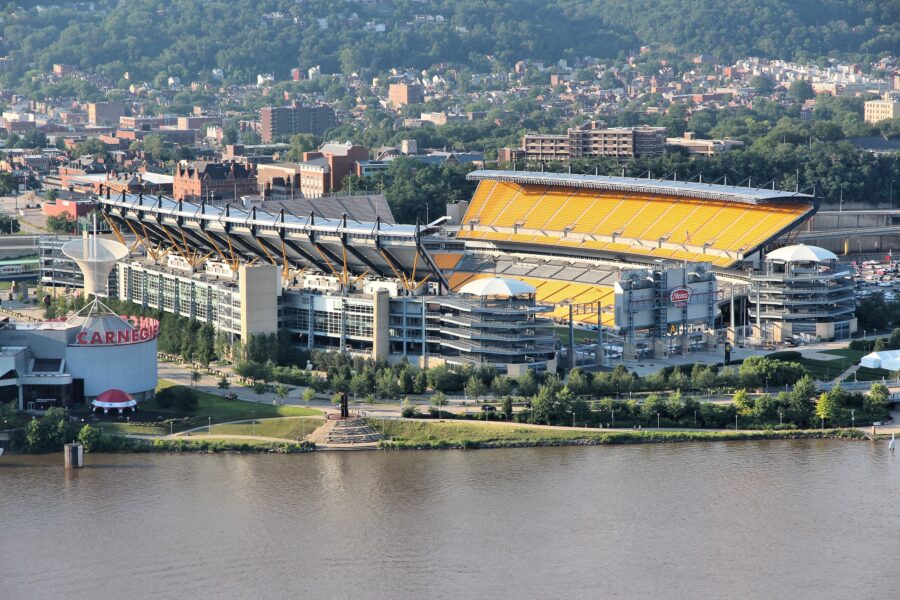
The battle between Pittsburgh and Philadelphia extends beyond geography into the passionate world of sports. These two Pennsylvania cities maintain some of the most intense athletic competitions in the country, with fans on both sides fiercely loyal to their hometown teams.
Football: Steelers vs. Eagles
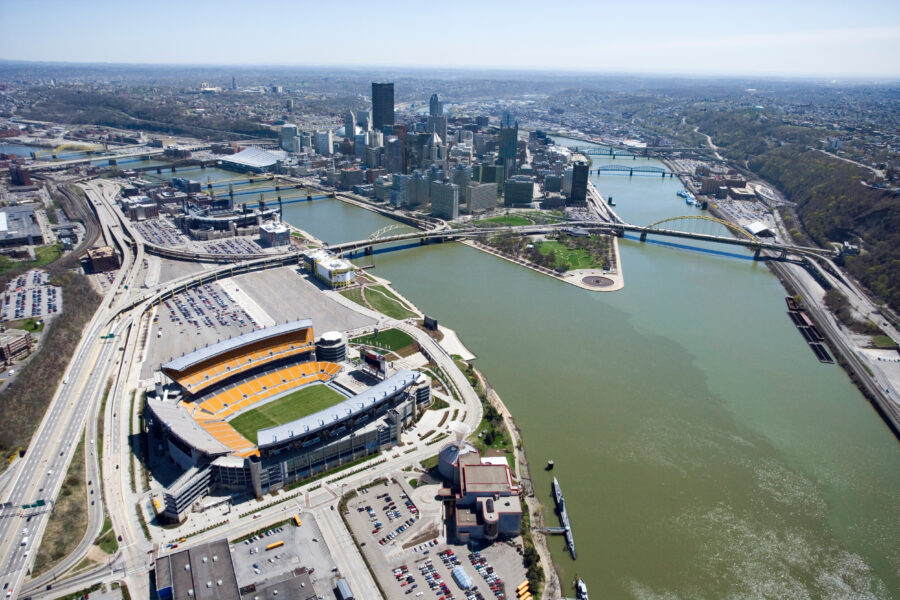
The Steelers-Eagles rivalry isn’t considered among football’s most intense matchups, but it still carries significant weight in Pennsylvania. The teams meet infrequently since they play in different conferences – the Steelers in the AFC and the Eagles in the NFC. According to recent records, their all-time series favors Philadelphia, with the Eagles leading 48-28-3.
This rivalry is interesting because the Eagles have won more games in Pittsburgh than some of the Steelers’ regular division rivals, like the Cleveland Browns. This unexpected stat adds fuel to the cross-state competition.
The teams only face each other once every four years in regular-season play, making each matchup a rare and special event for Pennsylvania football fans.
Hockey: Penguins Rivalries

The Flyers-Penguins rivalry, officially known as the “Battle of Pennsylvania,” is one of hockey’s most heated contests. With nearly 300 meetings between these teams, this NHL rivalry regularly produces intense, physical matchups that fans eagerly anticipate.
Both teams compete in the Metropolitan Division, ensuring they face off multiple times each season. The rivalry has featured legendary players like Mario Lemieux and Sidney Crosby for Pittsburgh, Eric Lindros, and Claude Giroux for Philadelphia.
This rivalry is special because it embodies the cultural differences between the cities. Pittsburgh’s working-class ethos versus Philadelphia’s grittiness plays out perfectly on ice, where tempers frequently flare and penalties accumulate.
The playoff series between these teams is particularly memorable. They often feature high-scoring games and physical play that hockey purists love.
Baseball and Pirates’ Legacy
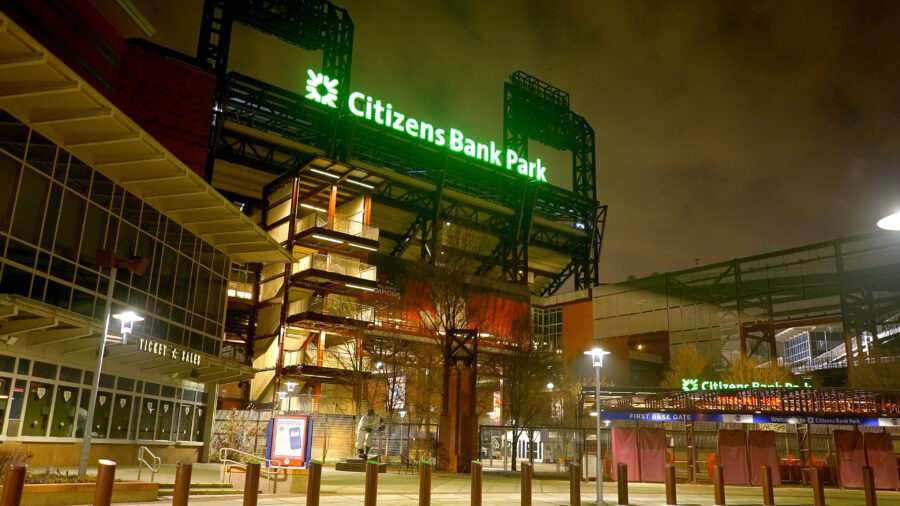
While the Pittsburgh Pirates and Philadelphia Phillies don’t enjoy the same level of rivalry as the hockey teams, they share a rich baseball history. Both franchises date back to the late 1800s, giving Pennsylvania a deep baseball tradition.
With their five World Series titles, the Pirates dominated the early 20th century with legends like Honus Wagner and Roberto Clemente wearing the black and gold. The Phillies’ history includes two World Series championships and iconic players like Mike Schmidt and Chase Utley.
These teams now play in different divisions—the Pirates in the NL Central and the Phillies in the NL East—limiting their regular-season matchups and dampening what could otherwise be a more intense rivalry.
When they do meet, however, baseball fans across Pennsylvania take notice. These games represent more than just baseball—they symbolize the ongoing cultural competition between the state’s two major cities.
Urban Living
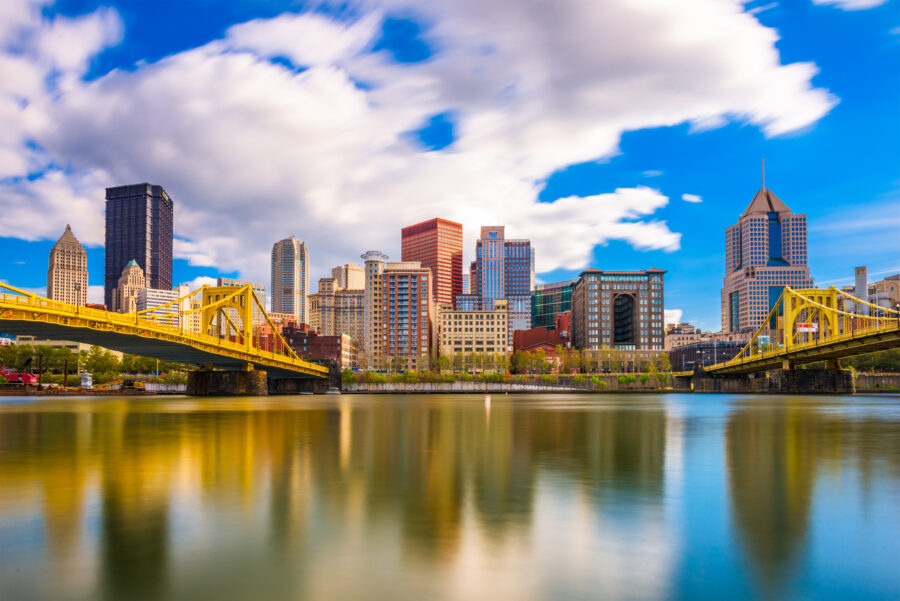
Pittsburgh’s urban life differs dramatically from Philadelphia’s. Both cities offer unique downtown experiences, varied transportation options, and different safety considerations for residents and visitors.
Downtown Experiences
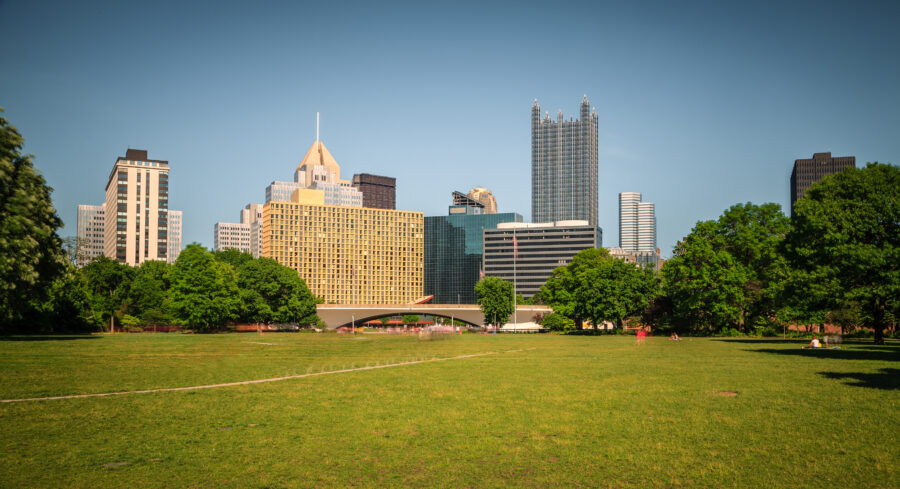
Pittsburgh’s downtown, known as the Golden Triangle, feels like a “great big small town” according to many residents. The compact area allows for easier navigation and creates a warm community feel. Cultural spots like Market Square and Point State Park, where the three rivers meet, create pleasant gathering spaces.
Philadelphia’s downtown (Center City) spans a larger area with distinct neighborhoods like Rittenhouse Square and Old City. The historic district creates a unique atmosphere with cobblestone streets alongside modern buildings. Philly’s downtown has more shopping options and a livelier nightlife scene.
Both downtowns offer riverfront access, though Pittsburgh’s three rivers provide more dramatic views. Philadelphia’s downtown connects more seamlessly with surrounding neighborhoods, making it feel part of a larger urban fabric.
Transportation Systems
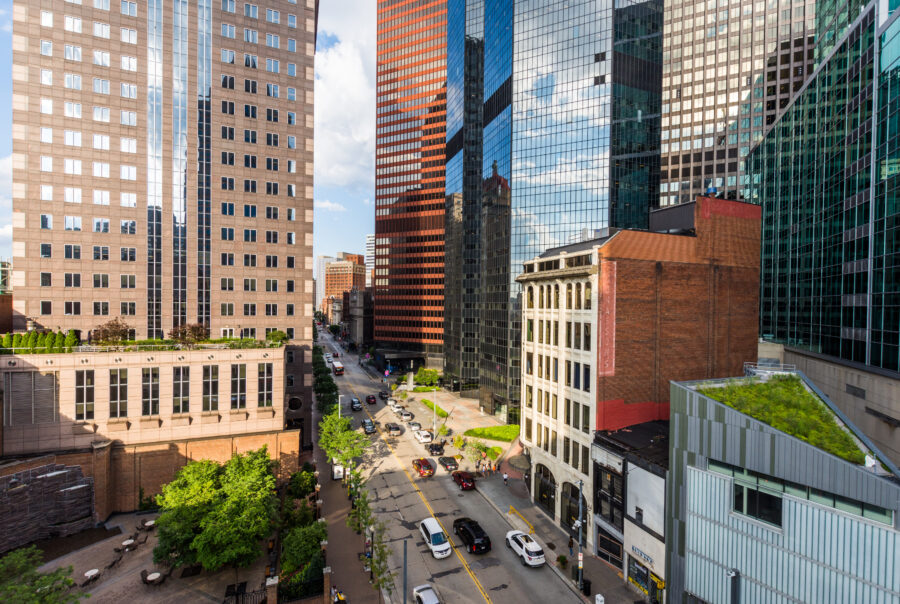
Pittsburgh’s public transportation centers around buses and the light rail “T” system. The city’s unique geography of hills and rivers makes navigation challenging but creates distinct neighborhoods with character. Many residents rely on cars due to limited public transit options between certain areas.
Philadelphia boasts a more comprehensive transportation network. SEPTA provides buses, trolleys, subways, and regional rail connecting Center City to suburbs and surrounding counties. The grid-pattern streets make walking and biking more feasible in central areas.
Both cities struggle with aging infrastructure, but Philly’s transit system reaches more neighborhoods. Pittsburgh’s rush hour traffic can be surprisingly heavy for its size, while Philadelphia’s congestion reflects its larger population. Ride-sharing services are popular in both cities, filling gaps where public transit falls short.
Safety and Crime Rates
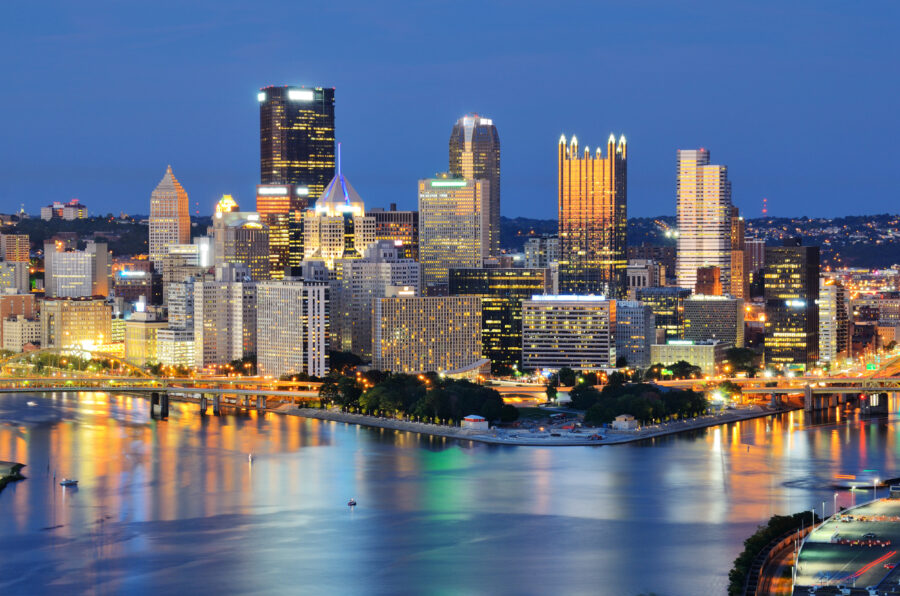
Pittsburgh has seen significant crime reduction in recent decades as it transitioned from an industrial center to a tech and healthcare hub. Most neighborhoods have moderate to low crime rates, though some areas still struggle with safety issues.
Philadelphia faces more significant safety challenges with higher crime rates across several categories. The city’s larger size means crime varies dramatically by neighborhood. Center City and tourist areas maintain good security, while some North and West Philadelphia areas experience more crime.
Both cities follow typical urban patterns where crime concentrates in specific neighborhoods. Pittsburgh’s smaller size makes it easier to avoid high-crime areas. Philadelphia’s crime statistics appear higher partly due to more comprehensive reporting and its larger population base.
Residents in both cities recommend using common urban safety precautions, especially at night. Philadelphia requires more neighborhood-specific knowledge for newcomers to navigate safely.
Green Spaces and Recreation
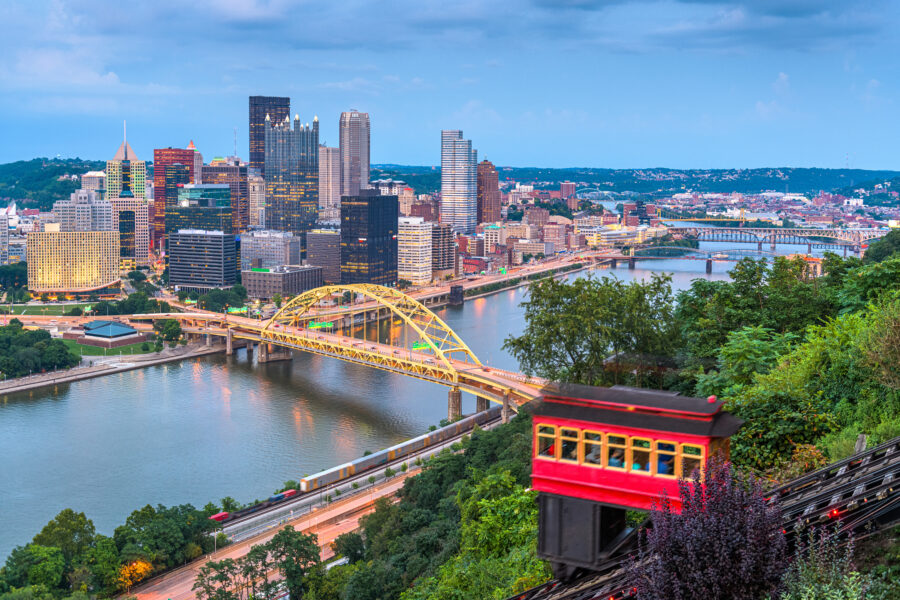
Both Pittsburgh and Philadelphia offer unique outdoor experiences with impressive parks and natural attractions. These cities blend urban life with green spaces, providing residents and visitors with places to relax, exercise, and connect with nature.
Parks and Outdoor Activities
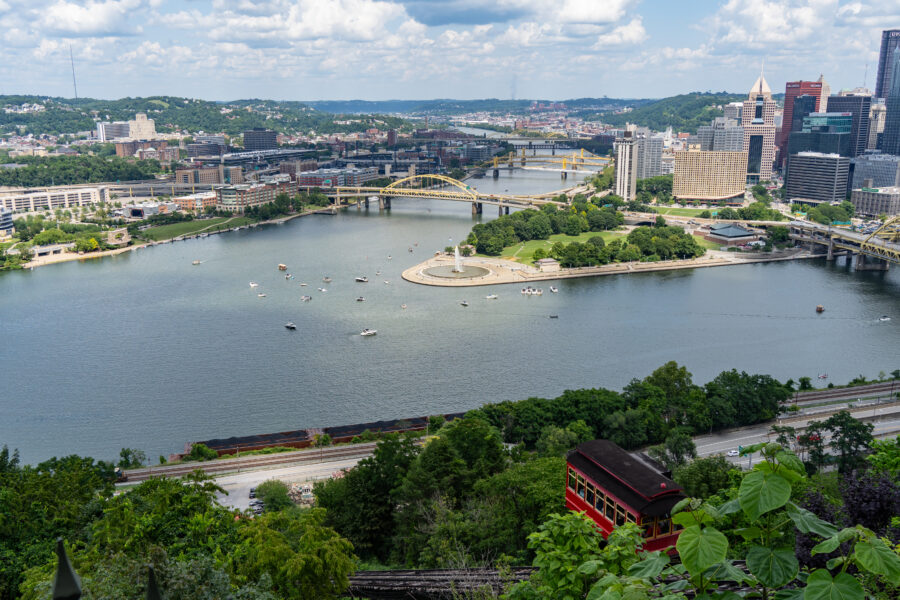
Philadelphia boasts an impressive amount of green space, with residents enjoying about 16,324 square feet per capita. This puts the city at #25 nationally for green space availability. One of Philly’s greatest achievements is accessibility – a whopping 95% of residents live within a 10-minute walk of a public park!
Pittsburgh doesn’t lag far behind. The Steel City offers about 8,119 square feet of green space per capita, ranking #34 nationally. While that’s less than Philadelphia, Pittsburgh makes up for it with its unique topography and river views.
Both cities feature extensive trail systems. Philly’s Fairmount Park system includes over 2,000 acres of green space, while Pittsburgh’s Schenley Park offers 456 acres of trails, woods, and recreational facilities.
Water activities are popular in both cities, too. Kayaking on Pittsburgh’s three rivers offers stunning city views, while Philadelphia’s Schuylkill River provides similar opportunities.
Landmarks: Idlewild and Fallingwater
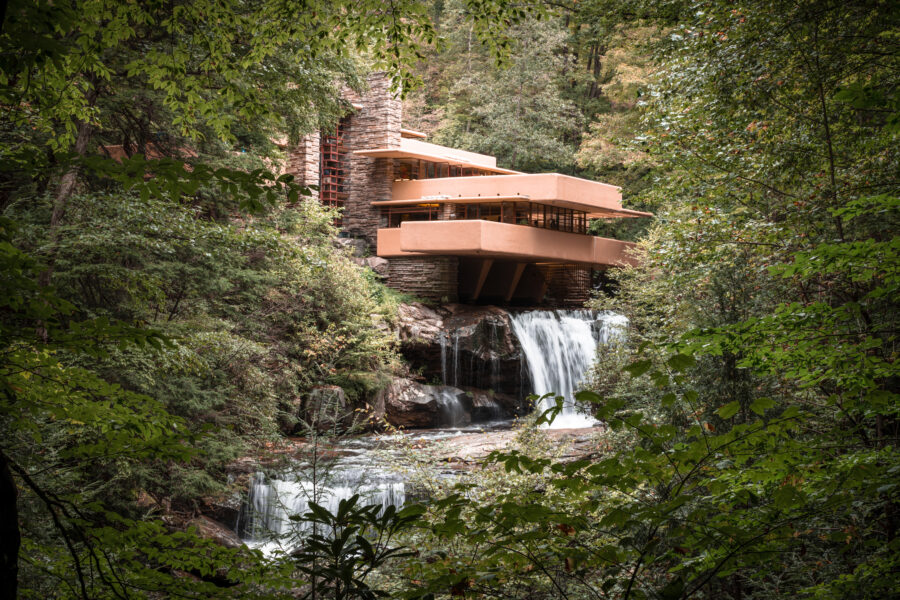
You’ll find two extraordinary attractions outside Pittsburgh that nature lovers shouldn’t miss. Idlewild Park, located about an hour east of the city, is one of America’s oldest amusement parks. It blends thrilling rides with beautiful natural surroundings, making it perfect for families wanting both excitement and natural beauty.
The real gem of Western Pennsylvania is Fallingwater. This architectural masterpiece, designed by Frank Lloyd Wright, is about 90 minutes from Pittsburgh. Built over a waterfall, it perfectly integrates modern design with its natural setting. The home seems to emerge organically from the surrounding forest and streams.
These landmarks showcase Pittsburgh’s unique advantage – quick access to urban amenities and spectacular natural wonders just a short drive away. While Philly has its attractions, these sites give Pittsburgh a special appeal for nature enthusiasts and architecture buffs.
Education Hubs
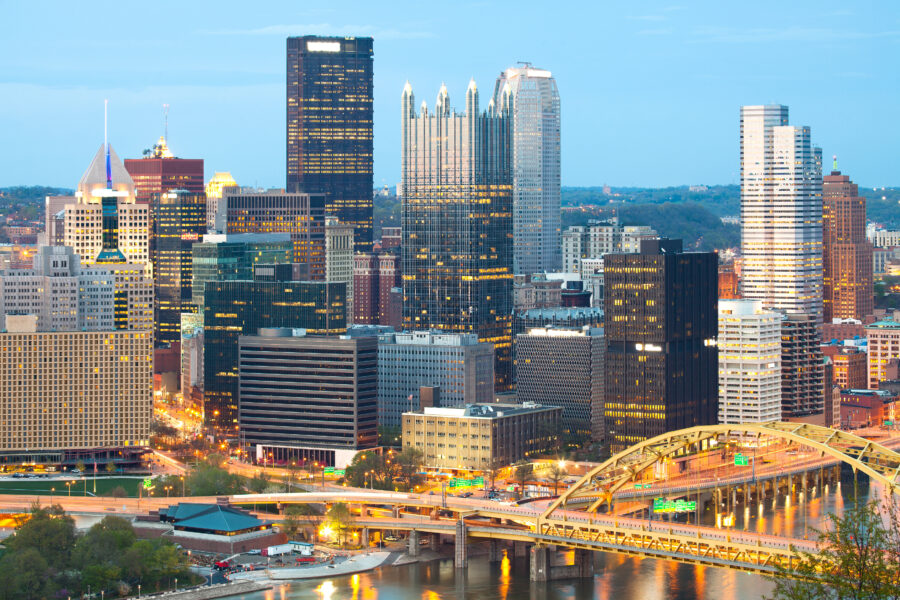
Pittsburgh and Philadelphia shine as educational powerhouses in Pennsylvania, though they offer distinct academic environments. Pittsburgh has developed a reputation for technology and research innovation, while Philadelphia boasts a rich concentration of historic institutions across diverse fields.
Top Universities and Research
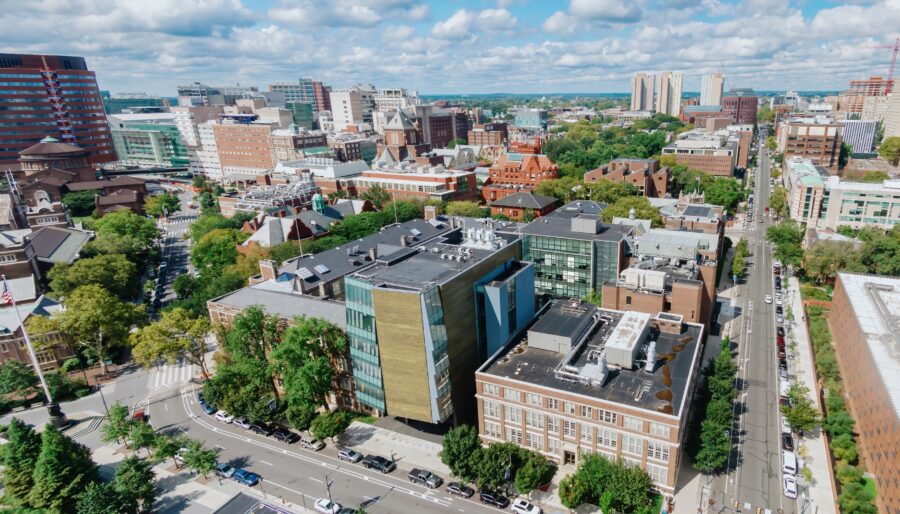
Carnegie Mellon University, a global computer science, robotics, and engineering leader, dominates Pittsburgh’s education scene. Its research outputs have helped transform Pittsburgh from a steel city to a tech hub. The University of Pittsburgh follows closely with strong medical and research programs.
Philadelphia counters with an impressive lineup, including the Ivy League University of Pennsylvania, founded by Benjamin Franklin. Temple University, Drexel University, and Villanova add to Philly’s educational diversity.
According to recent rankings, Pittsburgh ranks 33rd among America’s most educated cities, with Philadelphia at 38th. Philadelphia spends about 11% more per student in public education, though Pittsburgh maintains a better student-teacher ratio.
Student Life and Campus Cultures
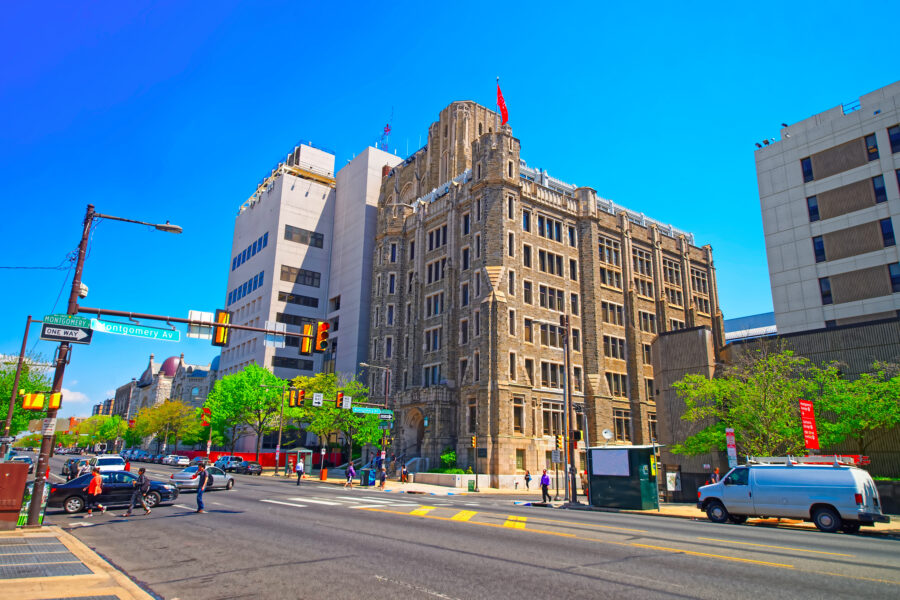
Pittsburgh’s student experience centers around Oakland, where most universities cluster. The compact nature creates a vibrant student neighborhood with affordable housing and easy access to cultural districts.
Campus life includes traditions like Pitt’s Cathedral of Learning study sessions and CMU’s Carnival weekend. The smaller city size means students comprise a larger percentage of the population, creating a noticeable “college town” atmosphere in certain neighborhoods.
Philadelphia offers a more dispersed campus experience across its larger geography. Penn and Drexel anchor University City, while Temple creates its hub in North Philly.
Students in Philadelphia enjoy greater access to professional networking, internships, and big-city amenities. Weekend options range from historic sites to professional sports and a renowned food scene. However, this comes with higher living costs compared to Pittsburgh.
See Related: Boston vs Philadelphia: Which Historic East Coast City Offers Better Travel Experiences
Weather Patterns
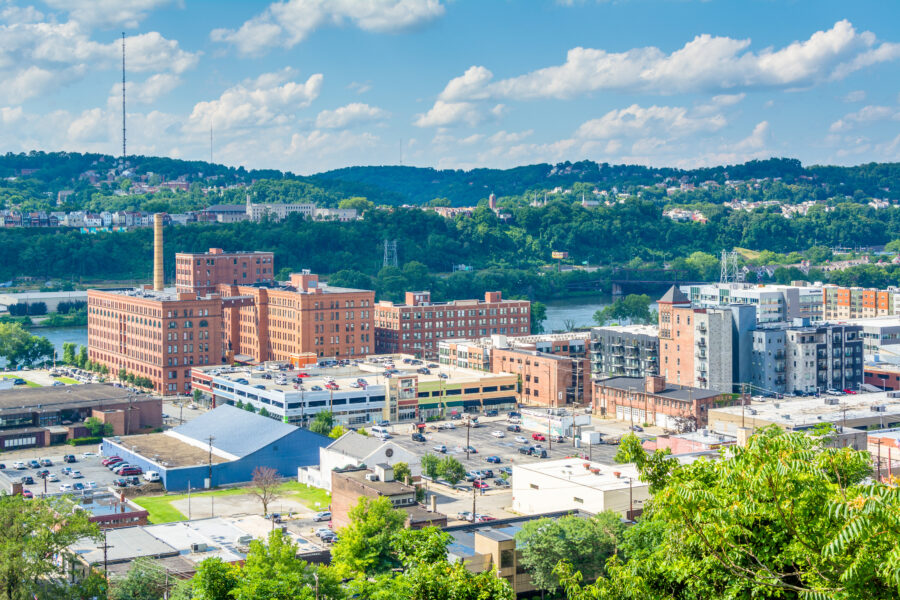
Pittsburgh and Philadelphia have distinct weather patterns that shape daily life in these Pennsylvania cities. The climate differences impact everything from winter activities to how residents plan their outdoor time throughout the year.
Seasonal Weather Variations
Philadelphia enjoys milder conditions overall compared to Pittsburgh. It gets about 29% more sunny days annually, making it noticeably brighter.
Regarding precipitation, Philadelphia experiences 23% more rainy days than Pittsburgh. However, Pittsburgh makes up for it with significantly more snow, averaging 43 inches of snowfall per season compared to Philadelphia’s 25 inches.
The differences stand out in winter. Pittsburgh winters are colder and snowier, while Philadelphia benefits from milder winter temperatures.
This temperature gap isn’t extreme, but it’s enough that residents notice the difference during the colder months. Spring and fall are pleasant in both cities, with Philadelphia warming up earlier in the year thanks to its slightly more moderate climate.
Impact on Lifestyle and Activities
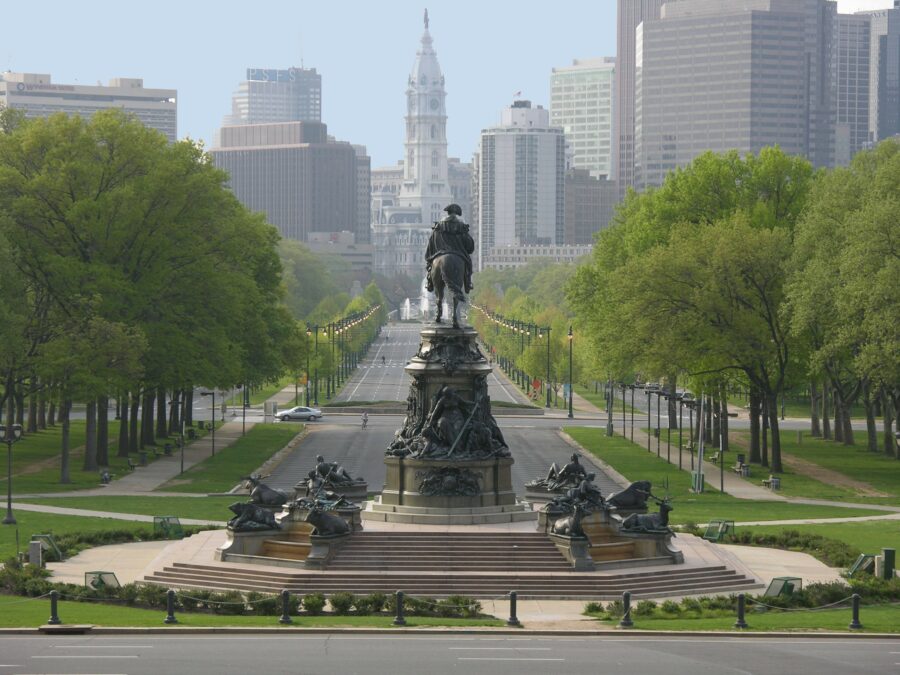
These weather differences shape how residents live in each city. Pittsburgh’s heavier snowfall means more winter recreation opportunities like sledding and skiing at nearby resorts. Many locals embrace the snowy conditions rather than fighting them.
Philadelphians enjoy more outdoor dining days thanks to the additional sunny weather and milder temperatures. The city’s parks and outdoor spaces stay active for a longer portion of the year.
Rain gear is an essential investment in both cities, especially Philadelphia, which has more rainy days. Smart residents in both cities learn to check forecasts regularly and plan accordingly.
Winter driving presents more challenges in Pittsburgh, where snow removal becomes a significant part of city operations. Many Pittsburgh residents become skilled at navigating snowy and icy roads, a less common necessity in Philadelphia.
Cuisine and Iconic Foods
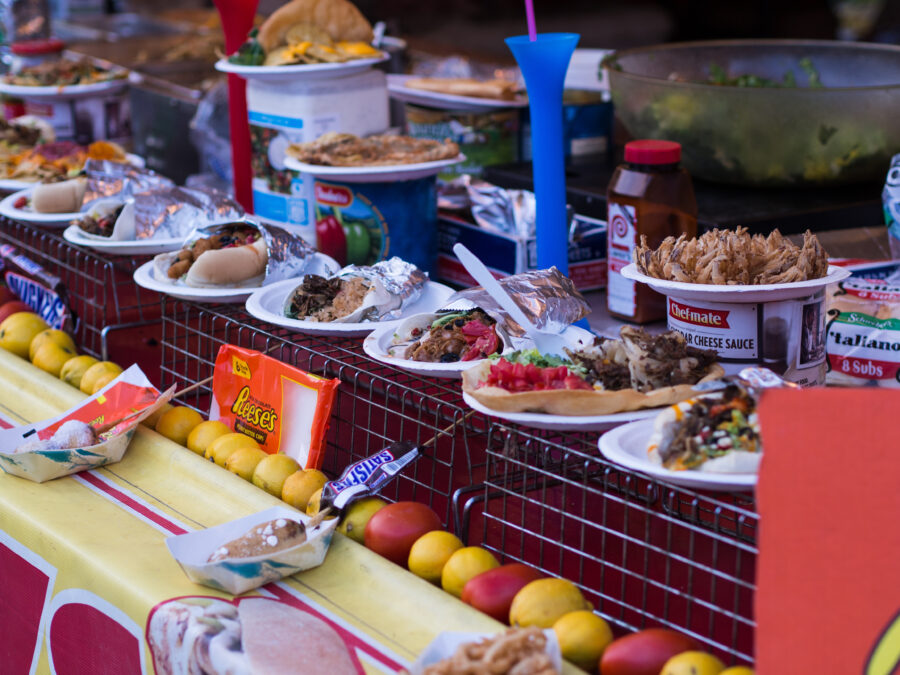
Pittsburgh and Philadelphia boast distinctive food scenes that reflect their unique cultural heritage and local traditions. These two Pennsylvania cities have developed signature dishes that locals defend passionately, and visitors travel miles to taste.
Famous Local Eateries
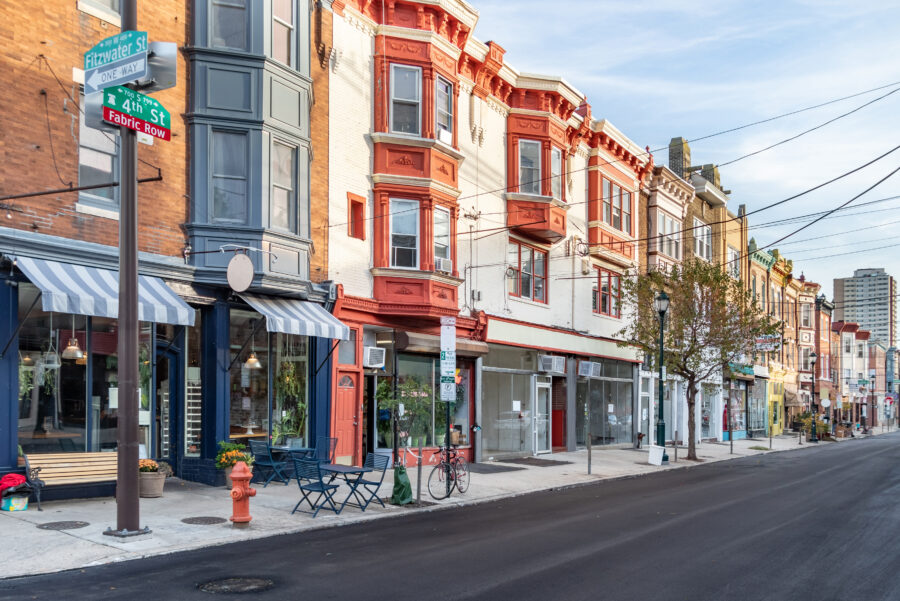
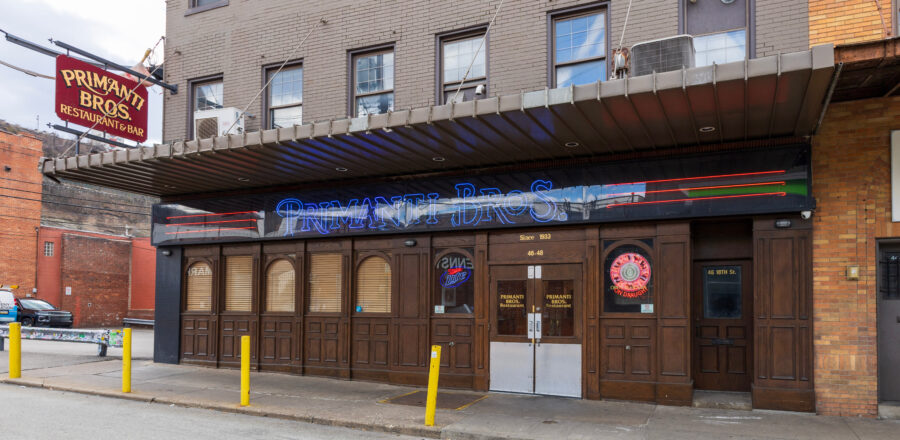
In Pittsburgh, no food conversation starts without mentioning Primanti Brothers. This iconic sandwich shop began as a simple cart in the 1930s and grew into a Steel City institution. Their famous sandwiches come with French fries and coleslaw stuffed right between the bread slices—a practical meal for busy steelworkers now beloved by locals and tourists alike.
Philadelphia’s food scene centers around Reading Terminal Market, a bustling food hall since 1893. You’ll find dozens of vendors selling everything from Pennsylvania Dutch specialties to global cuisine here. Pat’s King of Steaks and Geno’s Steaks sit across from each other in South Philly, locked in a decades-long rivalry over who makes the best cheesesteak.
Signature Dishes of Pittsburgh and Philadelphia
Pittsburgh’s food identity is built around hearty, working-class fare. Pierogies—those delicious potato and cheese dumplings—arrived with Eastern European immigrants and became a Steel City staple.
You’ll find them everywhere, from church fundraisers to fancy restaurants with creative fillings. Chipped, chopped ham sandwiches and Pittsburgh salads (topped with French fries) are other local favorites.
Philadelphia’s culinary claim to fame is undoubtedly the cheesesteak—thinly sliced beef with melted cheese on a long roll. Locals debate endlessly about proper ordering etiquette and whether “wit” or “witout” onions is best. Beyond cheesesteaks, Philly offers other specialties like roast pork sandwiches, soft pretzels, and water ice—a frozen treat perfect for hot summer days.
See Related: Pittsburgh vs Columbus: Key Differences Between These Midwest Gems
Frequently Asked Questions
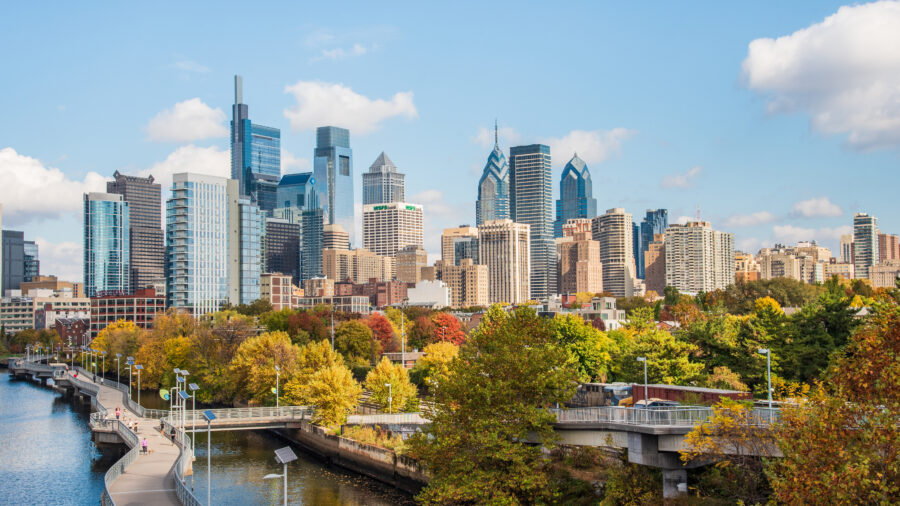
Pittsburgh and Philadelphia may be in Pennsylvania, but differ in many ways. These differences range from sports culture to cost of living and their overall vibe and character.
What distinguishes the sports cultures between Pittsburgh and Philadelphia?
Pittsburgh’s sports culture revolves around the Steelers (NFL), Penguins (NHL), and Pirates (MLB). The city is known for extremely loyal fans who bleed black and gold.
Philadelphia’s sports scene includes the Eagles (NFL), Flyers (NHL), 76ers (NBA), and Phillies (MLB). Philly fans are known for their passion and sometimes harsh criticism of their teams.
The rivalry between these two cities is strongest when their teams face off, particularly in hockey when the Penguins play the Flyers.
How does the cost of living compare between Pittsburgh and Philadelphia?
Pittsburgh offers a significantly lower cost of living compared to Philadelphia. Housing costs in Pittsburgh are much more affordable, with average home prices below the national average.
Pittsburgh also offers cheaper day-to-day expenses like groceries, transportation, and utilities, so many families find their dollars stretch further in Steel City.
While more expensive than Pittsburgh, Philadelphia remains more affordable than other major East Coast cities like New York or Boston.
What are the significant cultural differences between Pittsburgh and Philadelphia?
Pittsburgh has more of a small-town, Midwestern atmosphere where people tend to be more patient and friendly. The city has transformed from its industrial roots into a tech and medical hub.
Philadelphia retains a grittier, East Coast urban vibe with a faster pace of life. As the birthplace of American democracy, Philly embraces its historical significance and cultural diversity.
Pittsburgh’s cultural scene is growing but remains smaller, while Philadelphia offers world-class museums, a renowned orchestra, and a more established arts community.
Can you compare the safety and crime rates of Pittsburgh vs. Philadelphia?
Like most large cities, both Pittsburgh and Philadelphia have safer neighborhoods and areas with higher crime rates. Neither city is uniformly safe or dangerous.
Philadelphia generally reports higher overall crime rates, particularly for violent crimes. This is partly due to its larger size and population density.
Pittsburgh has seen significant safety improvements in recent decades as it transformed from an industrial center to a hub for education, healthcare, and technology.
Which city offers a better job market and economic opportunities, Pittsburgh or Philadelphia?
Philadelphia offers a more diverse job market with healthcare, education, financial services, and technology opportunities. The city’s larger size means more companies and potential employers.
Pittsburgh has pivoted from steel manufacturing to become a healthcare, education, and technology center. Major employers include UPMC, the University of Pittsburgh, and growing tech companies.
Pittsburgh has seen impressive growth in certain industries, such as tech startups and medical research, while Philadelphia maintains strength in pharmaceuticals and financial services.
Which city tends to favor more progressive or liberal policies, Philadelphia or Pittsburgh?
Philadelphia consistently votes more Democratic and tends to implement more progressive policies. As a larger, more diverse urban center, it generally leans further left politically.
Pittsburgh has become increasingly progressive in recent years, but it maintains some moderate positions that reflect its working-class roots and surrounding suburban and rural areas.
Both cities serve as Democratic strongholds in Pennsylvania, though Philadelphia typically has higher Democratic voter turnout and margin of victory in elections.