Istanbul vs Ankara: 7 Key Differences Every Traveler Should Know
Updated September 2, 2025
Picking between Istanbul and Ankara—wow, it’s not just a matter of pointing to a spot on the map. Each city pulses with its own unique beat, and honestly, you’ll get a totally different side of Türkiye depending on where you land. If you’re craving nonstop energy, tangled history, and endless things to do, Istanbul is a wild ride. But if calm streets, leafy parks, and a slower, more local vibe sound better, Ankara’s going to feel just right.
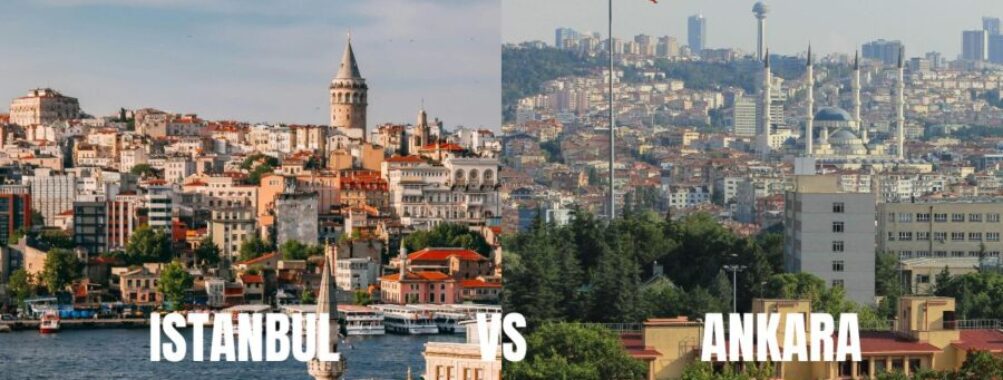
Istanbul grabs you with its wild mashup of Europe and Asia, its bustling bazaars, and that skyline crowded with domes and minarets. Meanwhile, Ankara—right smack in the middle of the country—lets you peek into everyday Turkish life shaped by politics, universities, and a steady stream of museums.
You’ll feel the difference in your bones, honestly. That’s what makes choosing between these two cities so tricky, and kind of thrilling.
Table of Contents
- Key Takeaways
- City Overview and Identity
- Historical Significance
- Geographical Location
- Population and Demographics
- Culture and Lifestyle
- Arts and Heritage
- Nightlife and Entertainment
- Local Traditions
- Cost of Living and Affordability
- Housing and Rent
- Food and Dining
- Everyday Expenses
- Transportation and Connectivity
- Public Transport Systems
- Traffic and Commute
- International Accessibility
- Education and Universities
- Top Universities
- Academic Environment
- Tourism, Recreation, and Hygiene
- Must-See Attractions
- Parks and Green Spaces
- Cleanliness and Hygiene
- Frequently Asked Questions
- What distinguishes the cultural experiences one can expect in Ankara compared to Istanbul?
- How do the living expenses in Istanbul compare to those in Ankara for residents and travelers alike?
- Can you explain the historical reasons behind Ankara being the capital instead of Istanbul?
- What are the main differences in terms of business and economic opportunities between Istanbul and Ankara?
- In terms of transportation, what are the best options for traveling between Ankara and Istanbul?
- How does the climate in Ankara differ from that of Istanbul throughout the year?
- Book Your Dream Experience
- More Travel Guides
Key Takeaways
- Each city has a distinct character and lifestyle
- Daily costs and transportation are all over the map
- Attractions and experiences will probably tip the scales for you
City Overview and Identity
Stack Istanbul and Ankara side by side, and you’ll see two totally different faces of Turkey. Istanbul thrives on centuries of history and buzzing trade, while Ankara runs on politics and a more organized daily routine. What you look for in a city will steer you one way or the other.
Historical Significance
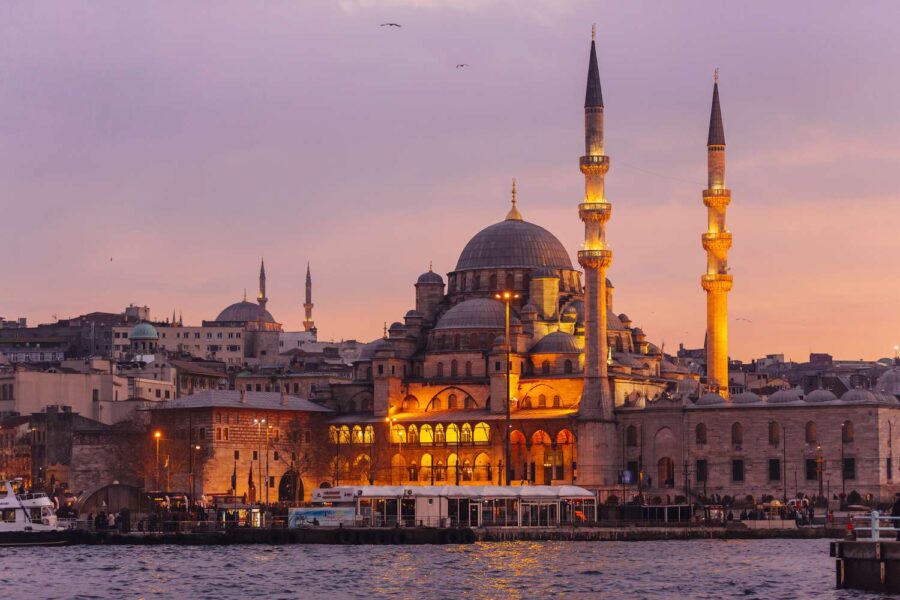
Istanbul has played host to empires for ages. Byzantium, Constantinople, Istanbul—the city’s worn a lot of names and even more crowns. Walk through Hagia Sophia or along those ancient city walls, and you’ll feel the centuries pressing in. It’s like every stone has a secret.
Ankara doesn’t hit you with ancient ruins at every turn. Its claim to fame is modern history. After the Turkish War of Independence, Atatürk picked Ankara as the capital in 1923. That move shifted the country’s power center away from Istanbul and wrote Ankara’s political DNA.
If you’re a history buff chasing ruins, Istanbul’s your playground. But if you want to see where modern Turkey was born, Ankara’s streets, government buildings, and Anıtkabir spell it out loud and clear.
Geographical Location

Istanbul’s geography? Absolutely wild. The city literally bridges Europe and Asia, split by the Bosphorus Strait. Ferries dart across the water all day, and I swear, you won’t find a prettier commute anywhere. The sea, the bridges, that layered skyline—it’s like a crossroads of worlds.
Ankara sits right at Turkey’s heart, deep in Central Anatolia. You won’t get sea views or dramatic straits, but the central spot makes travel a breeze. Rail, road—it’s all connected, and it feels like the country’s anchor.
Istanbul’s setting is glamorous but chaotic—traffic jams on bridges, jam-packed ferries, constant sprawl. In Ankara, you swap the sea for wide boulevards and neighborhoods that actually make sense.
Population and Demographics
Istanbul’s the giant here—over 15 million people, all moving at breakneck speed. You’ll hear every language under the sun, from Arabic to English, thanks to its mix of migrants, students, and expats. That diversity brings energy, but it can get overwhelming fast.
Ankara’s population sits just over 5 million. The city’s big, but it feels less frantic. Most folks here are Turkish, and you’ll run into fewer international communities. It’s more traditional, but the universities keep things young and lively.
Love the constant buzz and wild variety? Istanbul’s got you covered. Prefer a city where you can actually breathe? Ankara’s your spot. Each place is a mirror of a different Turkey—one sprawling and global, one steady and official.
Culture and Lifestyle
Istanbul and Ankara couldn’t feel more different if they tried. Istanbul’s all about that centuries-old hustle, while Ankara’s got a chill, almost methodical pulse. Walking their streets, you’ll catch the contrast right away.
Arts and Heritage
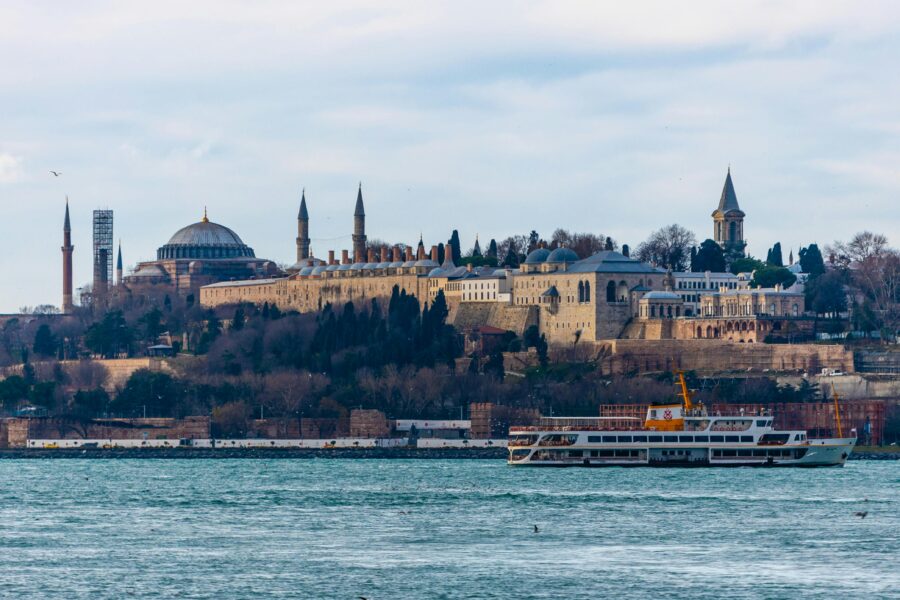
In Istanbul, art pops up everywhere—even on the walls. World-famous spots like Hagia Sophia and Topkapi Palace sit just steps from quirky galleries hidden down alleyways. I once ducked into a tiny Karaköy art show mixing Ottoman calligraphy with digital art—it was pure Istanbul: old and new, side by side.
Ankara, as the capital, plays it more formal but still packs a punch. The Museum of Anatolian Civilizations is a must—think artifacts that go back thousands of years. And then there’s Anıtkabir, Atatürk’s mausoleum, a monument and a statement about modern Turkey.
Istanbul leans into its cosmopolitan, tangled past. Ankara stands as the country’s political and cultural backbone. Both matter, but they speak totally different languages.
Nightlife and Entertainment

Istanbul’s nightlife? It’s as wild as you’ve heard. Rooftop bars with Bosphorus views, live music pouring out of Beyoğlu, every genre from jazz to techno. I once grabbed a midnight fish sandwich by Galata Bridge while street musicians played until dawn—classic Istanbul.
Ankara keeps it grounded. With so many students, you’ll find cozy pubs, rock bars, and budget-friendly hangouts around Kızılay and Tunali Hilmi. It’s less about glitz, more about gathering with friends and catching a local band. Sometimes, honestly, that’s way more fun than elbowing through tourist-packed clubs.
If you want endless options, Istanbul’s your stage. But for a laid-back night where you can actually talk, Ankara’s got its own charm.
Local Traditions

Istanbul’s daily life is a patchwork of old and new. People rush for ferries, sip tea by the water, and haggle in bazaars that have been around forever. Street food is a ritual—simit and roasted chestnuts are everywhere.
Ankara feels more orderly, slower. Tea houses are the heartbeat here, and there’s a strong pride in the city’s connection to Atatürk. It’s less about tourist traditions and more about real, everyday Turkish routines.
Both cities serve up Turkish hospitality in spades. Whether you’re offered tea in a shop or welcomed by a neighbor, you’ll feel it—just in different flavors.
For a deeper dive into these lifestyle quirks, check out Ankara vs Istanbul for expats or this guide on culture, costs, and must-see attractions.
Cost of Living and Affordability
Living in Turkey’s two biggest cities isn’t just a cultural experience—it hits your wallet in totally different ways. Istanbul usually costs more for housing, food, and day-to-day life, while Ankara lets your budget breathe a little.
Housing and Rent

Housing? This is where you’ll really feel the split. In Istanbul, a one-bedroom in the center can easily hit 38,000 TL a month. Ankara? The same spot averages a much friendlier 29,000 TL.
Go bigger, and the gap grows. A three-bedroom in Istanbul floats around 69,000 TL, but in Ankara you’ll find similar space for about 45,000 TL. Families, or anyone needing room to stretch out, will notice that.
Buying property’s also easier on the wallet in Ankara. You’ll pay about 43% less per square meter in the city center than in Istanbul, according to Numbeo. If you’re thinking long-term, that’s a game changer.
Food and Dining

Eating out is a daily thing in Turkey, and Ankara keeps it cheaper. A basic meal runs about 400 TL there, while Istanbul’s closer to 450 TL. Dinner for two at a mid-range place? 1,500 TL in Ankara, 2,000 TL in Istanbul.
Even coffee and drinks show the gap. A cappuccino in Istanbul averages 150 TL; Ankara’s about 131 TL. Imported beer? 200 TL in Istanbul, 150 TL in Ankara.
Groceries stick to the same pattern. Eggs, chicken, and produce are 5–15% less in Ankara. Wine’s the one oddball—it’s a touch pricier there. If you cook at home, your grocery bill will thank you in Ankara.
Everyday Expenses
Transportation is another spot where Ankara saves you cash. A monthly public transport pass costs about 350 TL—Istanbul’s a whopping 2,120 TL. Even taxis start cheaper: 35 TL in Ankara versus 42 TL in Istanbul.
Utilities flip things, though. An average 85m² apartment racks up about 3,400 TL a month in Ankara, compared to 2,800 TL in Istanbul. Internet and mobile plans? Ankara edges out as a bit cheaper.
Entertainment’s easier on the pocket in Ankara, too. A cinema ticket is 255 TL there, 325 TL in Istanbul. Gyms and tennis courts? Same story. If you’re traveling light, you might want to stash your stuff in short-term luggage storage while you explore—both cities can be a pain with bags.
Day-to-day, your lira stretches further in Ankara, especially if you use public transport and love to eat out. Istanbul has more choices, but you’ll pay for them.
Transportation and Connectivity
Getting around Istanbul and Ankara is a totally different game. Istanbul sprawls across two continents, split by the Bosphorus, while Ankara sticks to a more compact, straightforward layout. How you move shapes your whole day, from commuting to catching a flight out.
Public Transport Systems
Istanbul throws every mode of public transport at you—metros, buses, trams, ferries, even funiculars. Those Bosphorus ferries aren’t just handy, they’re genuinely beautiful. I could ride them all day. But the network is massive, and it’s easy to get lost at first.
Ankara keeps it simple. The metro and buses cover what you need, and you don’t have to think about crossing continents or switching between five different lines. If big-city commutes wear you out, Ankara’s system feels like a breath of fresh air.
| City | Key Modes of Transport |
|---|---|
| Istanbul | Metro, tram, bus, ferry, funicular |
| Ankara | Metro, bus, dolmuş (shared taxis) |
So, if you love variety and don’t mind a little chaos, Istanbul’s your city. If you want your daily routine to run smooth, Ankara’s got your back.
Traffic and Commute
Let’s be honest—traffic in Istanbul can really push your buttons. Rush hour is relentless, and sometimes even a quick trip across town turns into an epic saga.
Most locals plan their entire day around dodging bottlenecks. I’ll never forget the time it took me nearly two hours to cross the city for dinner… and that was just a regular weekday evening.
Ankara has congestion too, but honestly, it’s nowhere near as maddening. The city’s layout feels tidier, and commutes rarely drag on forever.
You’ll probably spend less of your life stuck in a car or bus here. If you value your free time, Ankara’s calmer pace is a big deal.
International Accessibility
If you’re a frequent traveler, Istanbul is tough to top. With its two major airports, you can fly almost anywhere in the world.
Istanbul Airport is massive—a real hub—so booking cheap flights or spontaneous trips is way easier. You’ll usually avoid those endless layovers.
Ankara’s Esenboğa Airport covers domestic routes well and has some international flights. It runs efficiently, but you just don’t get that same global reach.
For big overseas trips, you’ll probably end up connecting through Istanbul anyway.
If international travel is a huge part of your life, Istanbul gives you more freedom. But if you mostly stick to Turkey or nearby countries, Ankara’s airport is less crowded and perfectly fine.
Education and Universities
Istanbul and Ankara both offer strong options for higher education. Istanbul goes big on variety and international flair, while Ankara feels more focused and, honestly, a bit more academic.
Your experience really depends on whether you want a lively city swirling around your studies or a quieter, more structured vibe.
Top Universities
In Istanbul, you’ll run into some of Turkey’s most respected institutions. Boğaziçi University, Koç University, and Istanbul Technical University (ITU) all stand out for engineering, sciences, and social sciences.
Sabancı University shines with its modern campus and flexible approach. Plenty of these schools teach in English, which is a lifesaver for international students.
Ankara’s got Middle East Technical University (METU) and Hacettepe University. METU is legendary for engineering and sciences and has a reputation that goes well beyond Turkey’s borders.
Hacettepe is the place for medicine and health sciences. Ankara University is one of the oldest in the country, and it covers a ton of programs.
If you love a good list, here’s a quick look:
| City | Notable Universities | Key Strengths |
|---|---|---|
| Istanbul | Boğaziçi, ITU, Koç, Sabancı | Engineering, sciences, international programs |
| Ankara | METU, Hacettepe, Ankara Univ. | Engineering, medicine, social sciences |
Academic Environment
Istanbul’s universities give off a cosmopolitan vibe. Campuses sit right in the middle of a city packed with history, nightlife, and business.
You can balance lectures with internships, cultural events, or just hopping on a ferry after class. But, let’s be real, the city’s energy can make it tough to stay focused if you’re easily tempted by social life.
Ankara offers a calmer, more contained atmosphere. METU’s campus feels like a small city, full of green spaces and a tight student community.
Since Ankara’s the capital, government and diplomacy shape the academic scene—especially in political science and international relations. With fewer distractions than Istanbul, you might find it easier to buckle down and study here.
If you thrive in a buzzing, multicultural setting, Istanbul might be your jam. Prefer things structured and less chaotic? Ankara could be the better match.
Both cities have their charm—it really just depends on the kind of student life you’re after.
Tourism, Recreation, and Hygiene
Istanbul dazzles with historic landmarks and a lively waterfront, while Ankara leans into museums, monuments, and chill public spaces.
Each city offers its own style of recreation. Even their approaches to cleanliness and hygiene say a lot about their personalities.
Must-See Attractions
Istanbul packs world-famous sites into the historic Sultanahmet area. The Hagia Sophia, Blue Mosque, and Topkapi Palace all sit within a short walk.
Nearby, the Grand Bazaar is a wild maze of carpets, spices, and jewelry. It’s easy to get lost, but that’s half the fun.
Taking a cruise along the Bosphorus is unforgettable. You’ll spot palaces and neighborhoods from the water, and if you’re short on time, you can always book guided tours and activities to hit the highlights without stressing over the details.
Ankara doesn’t have Istanbul’s density of tourist icons, but what it does have feels deeply meaningful. The Anıtkabir, Atatürk’s mausoleum, is both moving and impressive.
The Museum of Anatolian Civilizations is a must for history buffs. The Ankara Citadel, with its narrow streets and sweeping city views, lets you step back into the capital’s older layers.
Parks and Green Spaces
Istanbul can feel overwhelming, so parks like Gülhane near Topkapi or Emirgan by the Bosphorus are local favorites for a breather.
People picnic here, and in spring, tulips explode everywhere. If you’re hanging out on the Asian side, Çamlıca Hill has gorgeous views across the city.
Ankara’s pace is gentler, and green spaces are easier to find. Gençlik Parkı sits right in the center, popular with families and anyone needing some fresh air.
The Atatürk Forest Farm mixes a zoo, picnic grounds, and gardens—and Atatürk himself founded it. In Ankara, it’s so much easier to stumble into a quiet spot and actually unwind.
Cleanliness and Hygiene
Istanbul’s size and tourist crowds mean busy areas like Taksim and the Grand Bazaar can get messy. Street food’s everywhere, and while it’s delicious, you’ll want to pick your spots carefully.
Honestly, I trust the smaller, family-run joints more than the flashy tourist restaurants.
Ankara just feels cleaner. It’s less crowded, and public transport stations and main squares stay pretty tidy.
You’ll see less graffiti and trash than in Istanbul. Restaurants and cafes keep good hygiene standards, though English menus are rare—sometimes you just have to point and hope for the best.
If you prefer structured trips with vetted stops, booking day tours that include meals and transport takes a lot of the guesswork out of hygiene.
Both cities are safe enough if you use your head—wash your hands, carry sanitizer, and stick to bottled water if you’re unsure.
Frequently Asked Questions
Ankara and Istanbul show you two very different sides of Turkey. One is about politics and order, the other thrives on energy, trade, and cultural mix.
Costs, climate, and even how you travel between them can totally shape your experience.
What distinguishes the cultural experiences one can expect in Ankara compared to Istanbul?
Ankara runs at a calmer pace. Museums like the Museum of Anatolian Civilizations highlight Turkey’s deep history, and the city’s wide boulevards and parks give it a sense of structure.
It’s where politics and modern life meet, but nightlife and entertainment are more muted.
Istanbul? That’s where cultures collide. From the Hagia Sophia to wild street markets, you’ll find layers of Byzantine, Ottoman, and modern Turkish life.
Each neighborhood has its own personality—crossing the Bosphorus feels like entering a different world.
How do the living expenses in Istanbul compare to those in Ankara for residents and travelers alike?
Istanbul costs more, no question. Housing, dining, and transportation all run higher, especially in the city center.
Tourists feel the pinch too when booking hotels or eating out.
Ankara is a bit easier on your wallet. Rent and groceries cost less, and there are loads of budget-friendly restaurants.
If you’re planning a trip, your money stretches further in Ankara. Checking Booking deals can help you price out your stay in either city.
Can you explain the historical reasons behind Ankara being the capital instead of Istanbul?
After the Turkish War of Independence, Mustafa Kemal Atatürk picked Ankara as the capital in 1923. The city’s central location made it easier to defend and govern than Istanbul, which sits exposed on the coast.
Atatürk also wanted a fresh start for the new republic. Ankara symbolized progress and modernization, while Istanbul carried the weight of the Ottoman past.
What are the main differences in terms of business and economic opportunities between Istanbul and Ankara?
Istanbul drives Turkey’s economy. It’s home to the stock exchange, major companies, and the busiest ports.
If you’re after corporate jobs, finance, or tourism work, Istanbul has way more options.
Ankara’s economy leans into government, education, and defense. Opportunities exist, but they’re not as broad. Many expats and entrepreneurs still pick Istanbul for its global connections.
In terms of transportation, what are the best options for traveling between Ankara and Istanbul?
High-speed trains connect the two cities in about 4.5 hours, and they’re honestly pretty comfortable.
Buses come cheaper but take longer—usually around 6 to 7 hours.
Flights are quick, just over an hour, and both cities have multiple airports.
If you’re shopping for flights, Expedia makes it easy to compare prices.
How does the climate in Ankara differ from that of Istanbul throughout the year?
Ankara really leans into its continental climate. Winters hit hard with cold winds and plenty of snow. Honestly, you’ll want your thickest coat if you’re braving Ankara in January.
By the time July rolls around, it’s a totally different story—hot, dry, and you’d better pack those breezy shirts. Sometimes it feels like the city just bakes under the sun.
Istanbul, on the other hand, keeps things a bit more manageable. The winters there? Sure, they’re damp and gray, but rarely bone-chilling. I always notice how the cold feels softer, somehow.
Summers in Istanbul crank up the humidity instead of the heat. The sea breeze sweeps through and saves the day when August gets sticky. There’s something about that salty air—maybe it’s just me, but it makes everything a little more bearable.