
Last modified February 9, 2026
Ordering coffee in Italy? It’s not rocket science—just a matter of picking up a few basics. If you want to order coffee like a local, you need to know what drinks to order, when to order them, and whether you should stand at the bar or grab a table. Italians are passionate about their coffee, but honestly, the rules are pretty straightforward.
Let’s walk through it together. Here’s what you’ll want to know: the most common coffee drinks, when to drink them, and how to order without sticking out like a tourist.
Key Takeaways
- Only order cappuccino before 11 a.m., then switch to espresso after meals or later in the day
- Stand at the bar if you want to pay less and drink quickly, like everyone else does
- Use simple Italian like “un caffè” for espresso—keep it basic, no fancy customizations
Italian Coffee Culture: The Ritual Behind Every Cup
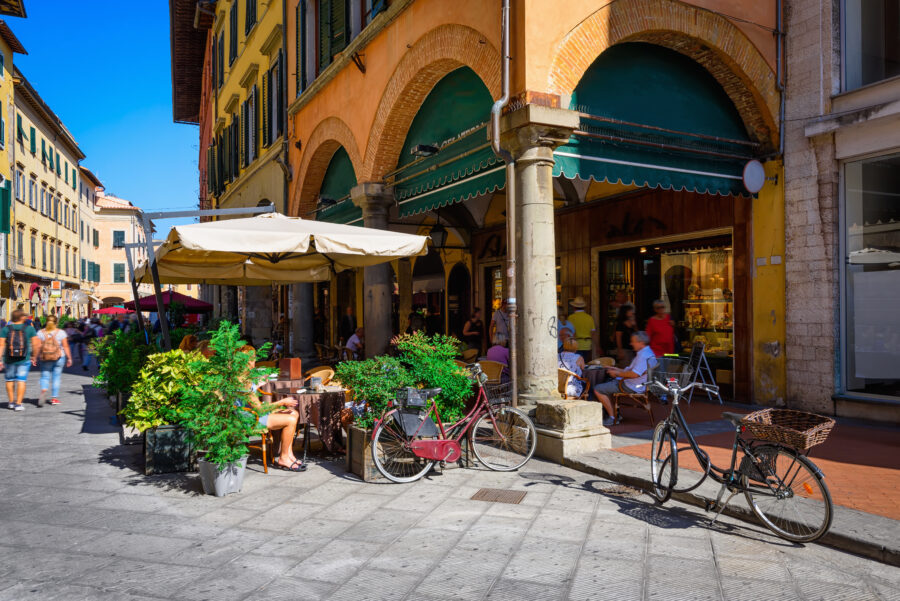
Coffee in Italy isn’t just about caffeine. It’s a daily ritual, full of unwritten rules and old traditions. The way Italians drink espresso says a lot about how they value quality, community, and taking a quick pause in their day.
Why Coffee in Italy Is Different

Espresso in Italy? It’s a different animal. Forget about big sizes or wild flavors. Italian coffee culture is all about a single, perfect shot—knocked back in seconds at the bar.
Pop into any neighborhood bar (which, despite the name, is really just a coffee spot), and you’ll see the routine. Locals walk up, order un caffè, drink it standing, and head out in a couple of minutes. No laptops. No giant to-go cups.
The coffee itself stands out. Italian espresso uses a blend of beans—usually Arabica with some Robusta for that thick crema. Brands like Lavazza have been perfecting their blends forever.
The result? A tiny, strong shot with a hazelnut-colored foam on top. Intense, but if the barista knows their stuff, never bitter.
What really makes it unique? Italians treat coffee as a digestive or a social break, not a meal or an all-day drink. You won’t see anyone carrying a bucket-sized latte. That’s not a dig—it’s just a completely different way of looking at coffee.
Brief History of Italian Coffee Traditions
Coffee landed in Venice back in the 1500s, thanks to trade with the Ottoman Empire. At first, some religious folks called it the “wine of Araby” and didn’t trust it.
Then Pope Clement VIII tried it, liked it, and gave it his blessing. That helped coffee spread all over Italy.
Things really changed in 1901 when Luigi Bezzera invented the espresso machine in Milan. His machine pushed hot water through fine coffee grounds using steam pressure. Before that, coffee was slow and expensive. Espresso machines made it fast and affordable.
That changed everything. Suddenly, anyone could get a good coffee quickly.
Caffè houses, which had been around since the 1700s as hangouts for thinkers and merchants, turned into the bar culture you see now. Espresso didn’t just change how Italians drank coffee—it changed how they lived.
The Role of Coffee in Italian Daily Life

Coffee breaks up the day for Italians. Mornings start with a cappuccino and a cornetto (think: sweet pastry). But that milky coffee? Only before 11 a.m.—order a cappuccino after lunch and you’ll look like a tourist.
After lunch, everyone grabs un caffè to help with digestion. It’s a quick stop at the counter, maybe a minute or two, but it’s a must-do pause in the workday.
The local bar is like a second home between work and my actual home. The barista probably knows your order. You’ll bump into neighbors.
It’s where people connect, one espresso at a time. That’s why standing at the counter (al banco) costs less—table service comes with a premium because you’re taking up space.
And unlike other places where coffee is just fuel, coffee in Italy is about slowing down, connecting, and enjoying something done right even if it’s just a tiny cup and a short moment.
Essential Italian Coffee Vocabulary and Menu Guide

Knowing a few words and how to read a coffee menu will make ordering so much easier. Most important? Caffè (espresso) is the heart of it all. If you can tell the difference between macchiato and cappuccino, you’ll get what you want.
See Related: Unforgettable Religious Tours in Italy: Transform Your Faith Journey in the Jubilee Year
Key Coffee Terms and Pronunciation
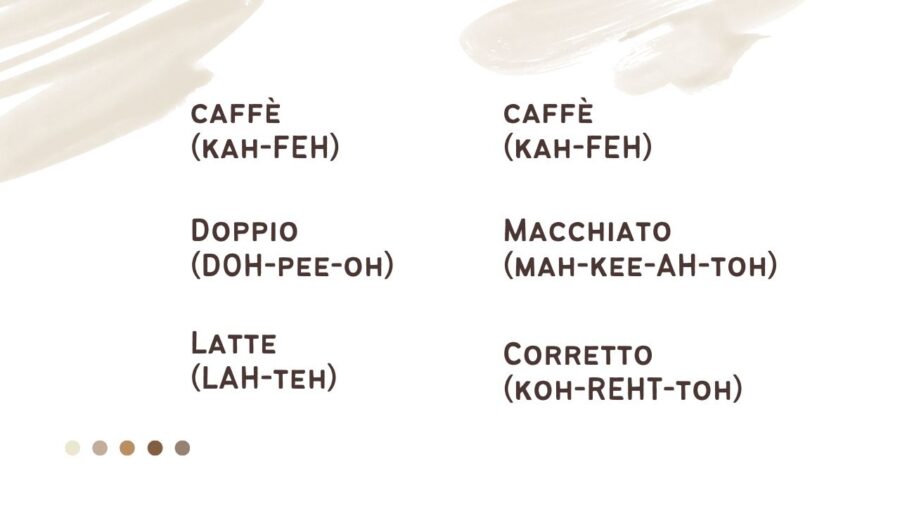
Start with caffè (kah-FEH)—that’s espresso. Ask for “un caffè” and you’ll get a straight shot.
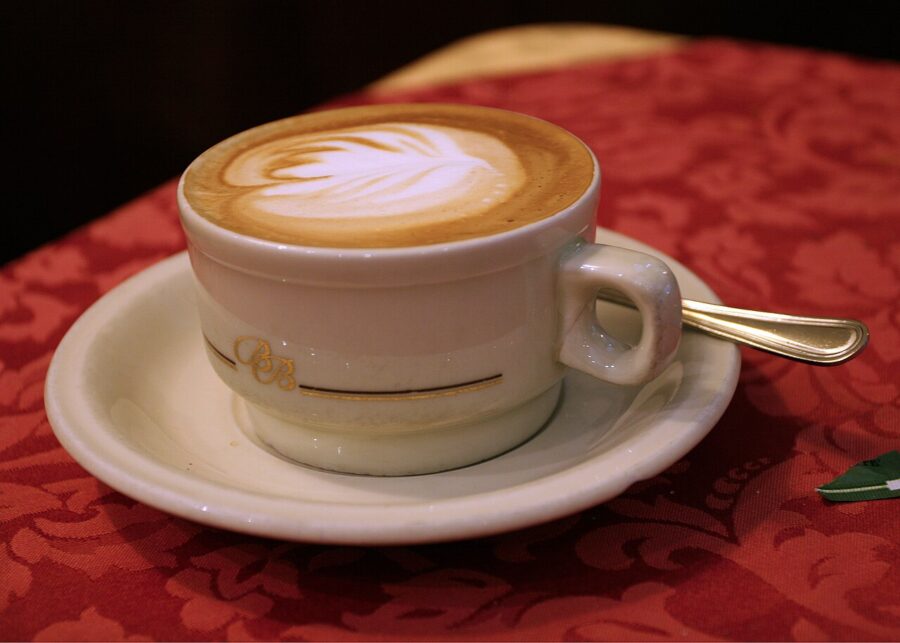
Macchiato (mah-kee-AH-toh) means “stained”—espresso with just a little foamed milk. Cappuccino (kah-poo-CHEE-noh) is that classic breakfast drink: espresso, steamed milk, and foam.
Latte (LAH-teh) just means milk. If you want what you’d call a latte back home, ask for caffè latte or you’ll get a glass of milk.
Corretto (koh-REHT-toh) is espresso with a shot of booze, usually grappa or sambuca. Doppio (DOH-pee-oh) means double—two shots.
Freddo (FREH-doh) means cold, so caffè freddo is cold espresso.
How to Decode an Italian Coffee Menu
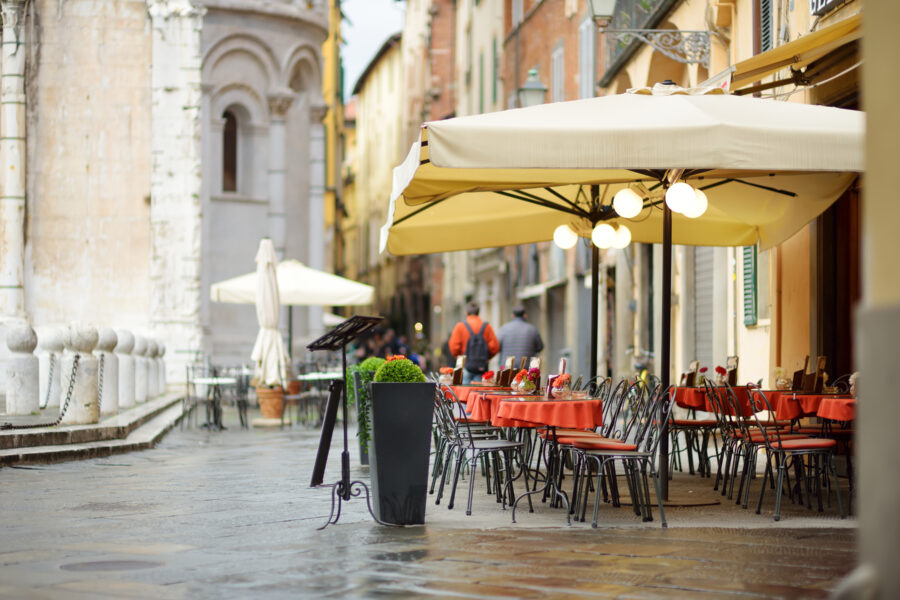
Italian coffee menus are refreshingly simple. You’ll usually spot the prices on a board behind the counter or on a small menu card.
Look for al banco (at the counter) and al tavolo (at the table) prices. The counter price is always lower. Sometimes there’s a third price for outdoor seating, which costs the most.
Drinks are grouped by type: hot coffees first, then cold, then everything else. There are no size options—each drink comes in one standard size.
Some bars mention their coffee blend or roaster. That’s a good sign, but honestly, most places serve decent coffee anyway.
Italian Coffee Cheat Sheet: Types and Descriptions

| Coffee Type | What You Get | When to Order |
|---|---|---|
| Caffè | Single shot espresso | Anytime, especially after meals |
| Caffè doppio | Double espresso | When you need extra caffeine |
| Cappuccino | Espresso with steamed milk and foam | Morning only (before 11am) |
| Caffè macchiato | Espresso with a splash of milk foam | Morning or mid-morning |
| Latte macchiato | Mostly steamed milk with espresso | Morning treat |
| Caffè lungo | Espresso with more water | When you want something less intense |
| Caffè ristretto | Concentrated espresso with less water | For true coffee lovers |
| Caffè corretto | Espresso with liquor | After dinner or as a pick-me-up |
| Marocchino | Espresso with cocoa powder and milk foam | Morning or afternoon |
What’s great is how simple it all is. You don’t need to pick milk types or ask for weird customizations. Italians have been perfecting these drinks for centuries—just order as-is and enjoy.
Popular Coffees in Italy: What and When to Order
Italian coffee culture is built on a few key drinks, each with its own time and place. The basics? Caffè means espresso, milk coffee is for breakfast, and things like macchiato or ristretto let you fine-tune your order as the day goes on.
Espresso, Un Caffè, and Italian Espresso
Order un caffè in Italy and you’ll get a single shot of espresso in a small cup. This is the backbone of Italian coffee life.
No need to say “espresso.” Just “caffè” does the trick. You’ll drink it fast, standing at the bar—maybe two or three sips. The shot should have a golden crema and a bold flavor.
Need more caffeine? Ask for a caffè doppio—a double shot in a slightly bigger cup. It’s not twice the liquid, but it is twice the espresso. Italians drink un caffè any time—morning, afternoon, even late at night.
Cappuccino and Other Milk Coffees

Cappuccino comes with equal parts espresso, steamed milk, and foam. It’s served in a bigger cup and it’s strictly a breakfast thing.
Don’t order a cappuccino after 11 AM or after a meal. Italians think milk is too heavy later in the day. It’s not a crime, but you’ll stand out.
Caffè latte (or caffellatte) is espresso with more steamed milk and barely any foam, usually in a tall glass. A latte macchiato is mostly warm milk with a splash of espresso on top. Both are for mornings, just like cappuccino.
Order just “latte” and you’ll get a glass of milk.
Macchiato, Lungo, and Ristretto
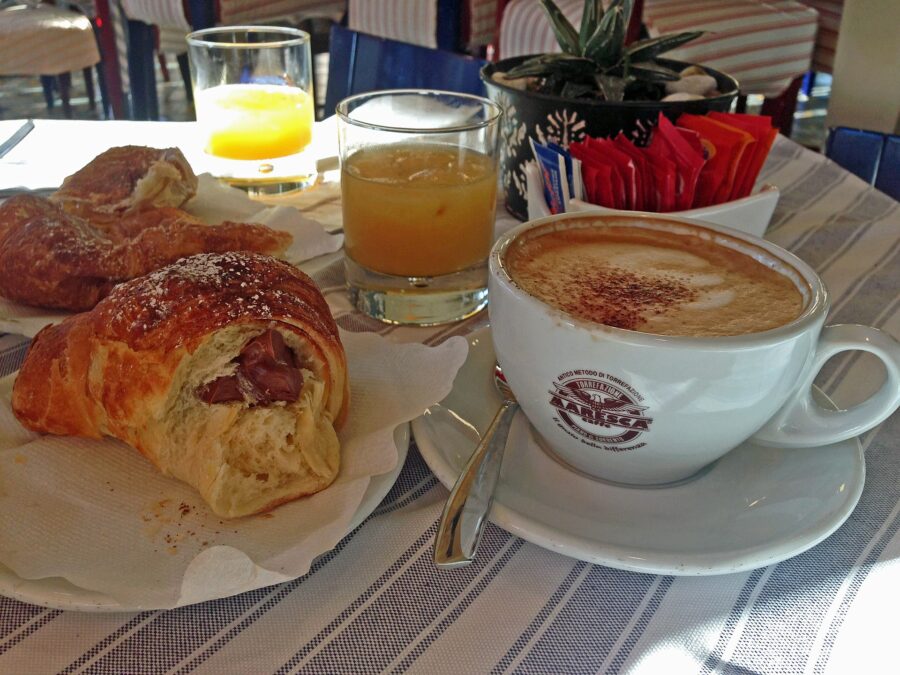
A caffè macchiato is espresso “marked” with a little foamed milk. You can get it caldo (hot) or freddo (cold).
It’s a nice middle ground between straight espresso and cappuccino, and you can order a macchiato any time. It softens the espresso without breaking the “no milk after morning” rule.
Caffè lungo is espresso with extra water run through the grounds, so it’s milder. Caffè ristretto is the opposite—less water for a stronger, punchier shot. Both are fine all day and let you pick your strength.
Don’t mix up lungo with caffè americano—that’s espresso with hot water added after brewing.
Regional and Specialty Coffees
Italy’s regions all have their own coffee traditions that are worth a try. In Turin, order a bicerin—layers of espresso, hot chocolate, and cream in a glass.
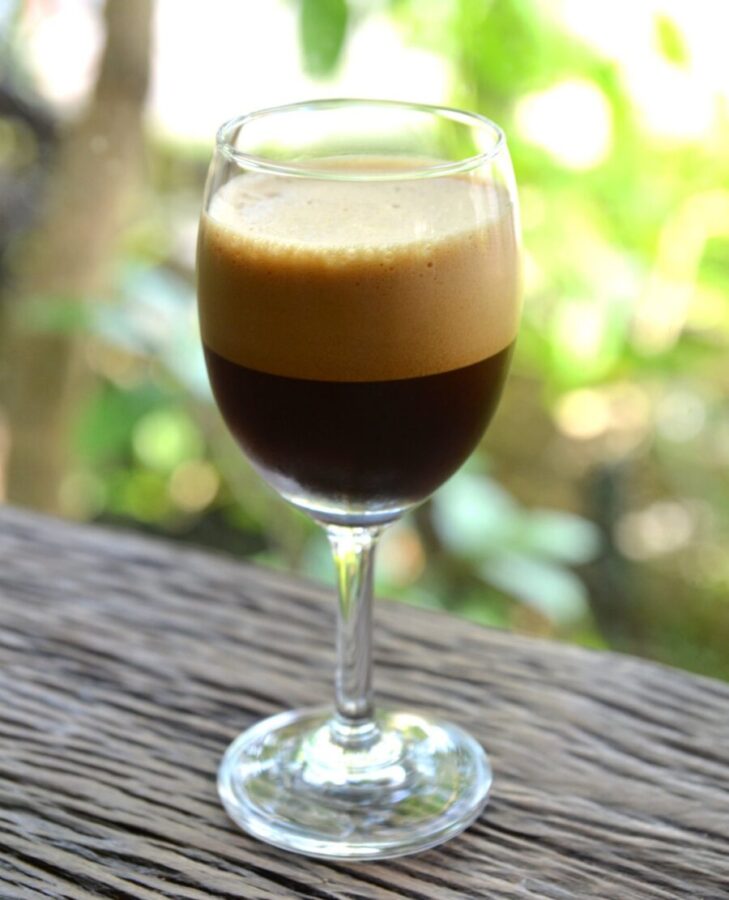
Caffè shakerato is a summer favorite. Fresh espresso gets shaken with ice and sugar syrup, then strained into a chilled glass. It’s cold, frothy, and just what you want on a hot day.
Down south, especially in Lecce, try caffè leccese (or caffè in ghiaccio)—espresso over ice, sometimes with almond milk. In Naples, there’s crema di caffè, a sweet, whipped coffee cream served cold.
For evenings, go for a caffè corretto—espresso with a shot of grappa, sambuca, or amaro. If you don’t want the jitters, ask for decaffeinato. And if you’re craving dessert, order an affogato: vanilla gelato drowned in hot espresso.
Where and How to Order Coffee in Italy
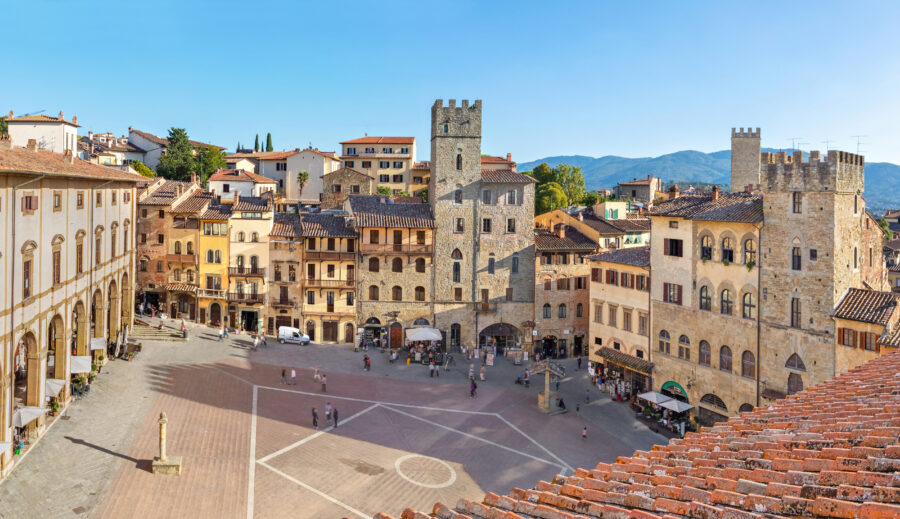
In Italy, you order coffee either standing at the bar counter or sitting at a table. Where you choose to drink changes the price, how fast you get served, and how locals see your order.
Coffee at the Bar: The Al Banco Experience
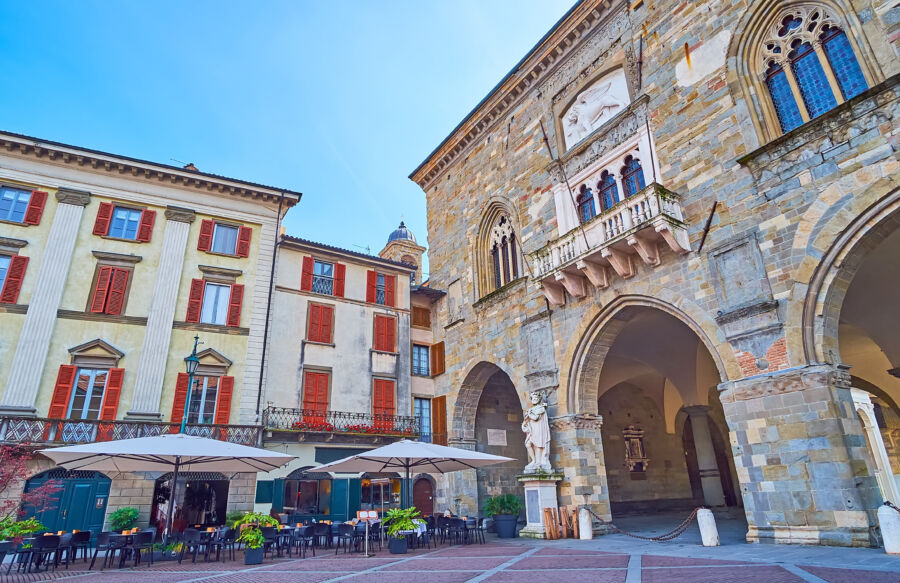
Most Italians drink their coffee standing at the bar—al banco—and honestly, it’s a quick, lively ritual. You walk into an Italian bar (which, confusingly, just means café), step right up to the counter, and order straight from the barista.
Things move fast. Usually, you pay first at the register, grab your receipt, and pass it to the barista with your order. Some spots let you pay after, but in the busier city bars, paying first is the norm.
Here’s how it usually goes:
- Walk up to the bar counter
- Order clearly: “Un espresso” or “Un cappuccino”
- Pay at the register or directly to the barista
- Drink your coffee while standing
Locals rarely linger—most finish their espresso in under two minutes. Standing and speedy service keep prices down, often just €1-1.50 for an espresso. This is really the most authentic way to get your coffee like a local, since Italian bars thrive on this fast-paced rhythm all day long.
Table Service: Al Tavolo Etiquette
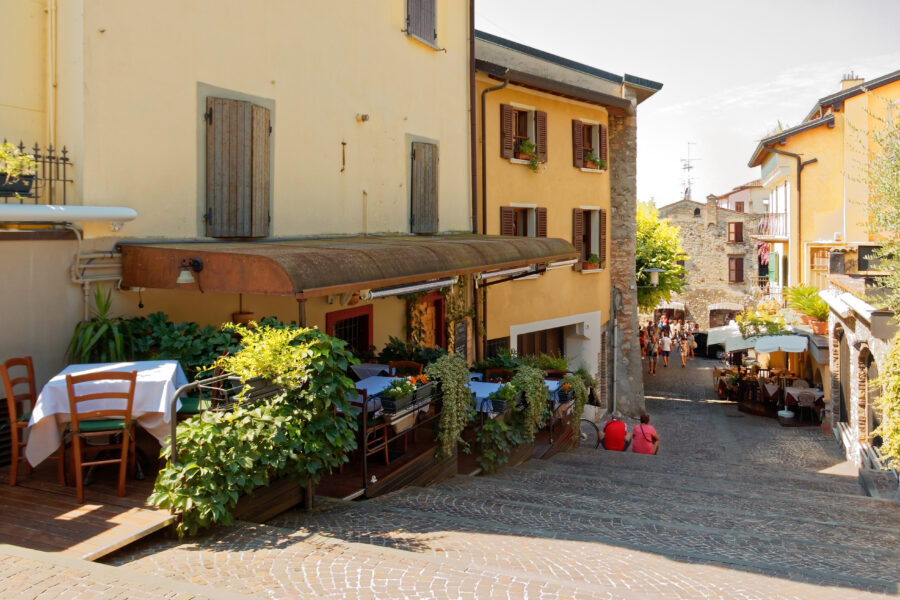
If you sit down at a table—servizio al tavolo or just al tavolo—everything changes. Table service costs a lot more, sometimes double or triple the bar price for the same coffee.
After you sit, wait for a server. Don’t head to the counter once you’ve claimed a table. The server will come by, take your order, bring your coffee, and eventually hand over the bill.
The pace slows down at tables. Italians who sit are usually taking a real break, or they’re tourists. No one’s rushing you to finish.
Bar vs. Table Service:
| Al Banco (Bar) | Al Tavolo (Table) |
|---|---|
| €1-1.50 for espresso | €3-5 for espresso |
| Pay first usually | Pay after |
| Drink standing | Sit and relax |
| 2-5 minutes total | 15-30 minutes or more |
You’re paying for the seat and the service, plain and simple. If you need a rest, go ahead and sit—just expect that higher price.
Regional Differences in Ordering
Ordering coffee in Italy isn’t exactly the same everywhere. Up north, especially in Milan and Turin, things feel faster and more businesslike at the bar. Down south, like in Naples or Sicily, the mood is often more relaxed—even if you’re just grabbing a quick coffee.
Rome mixes both styles. Some areas stick to old routines, while touristy spots bend the rules for visitors who don’t know the drill.
Coffee lingo changes a bit by region, too. In some places, if you ask for a caffè, you’ll just get an espresso by default. In touristy areas, baristas might double-check what you want since they’re used to confused travelers.
Naples has its own vibe, with local drinks like caffè alla nocciola (hazelnut coffee). Venice and other northern cities keep it simple, sticking to classic espresso drinks. Picking up on these little quirks helps you order more smoothly wherever you end up.
See Related: The Top Vacation Spot in the World: Discover the Ultimate Destination
Italian Coffee Etiquette: Dos and Don’ts
Knowing when to order a cappuccino or an espresso can make you blend in or stand out as a tourist. Payment habits and ordering mistakes matter too if you want to drink coffee like the locals.
Timing Matters: When to Order Which Coffee
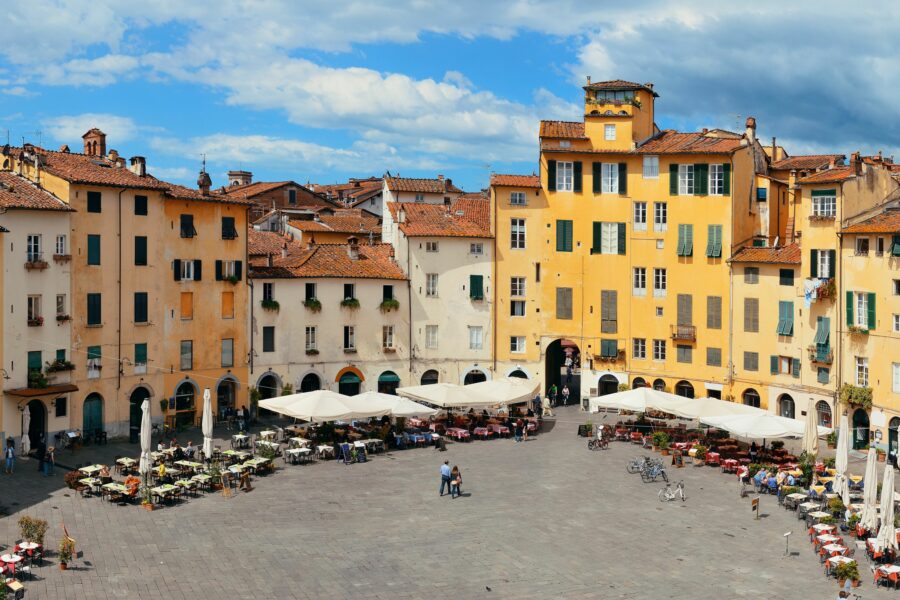
Italians have strong opinions about when to drink milky coffee. Cappuccinos, caffè latte, and latte macchiatos belong to the morning, usually with breakfast and a cornetto. After 11 AM, locals just don’t order milk-based coffee.
Why? They say milk is heavy and messes with digestion. Ordering a cappuccino after a meal, especially lunch or dinner, screams “tourist” to anyone nearby.
Espresso is always a safe bet. Order un caffè any time of day—nobody will bat an eye. Loads of Italians grab a quick espresso after lunch to help digestion.
If you really need a little milk in the afternoon, order a caffè macchiato. It’s just an espresso with a tiny bit of milk. Not super common after meals, but it won’t raise too many eyebrows—certainly better than a full cappuccino.
Mistakes Tourists Make When Ordering

One of the most common blunders? Ordering a “latte.” In Italy, that just means a glass of milk—no coffee involved. You need to ask for caffè latte if you want coffee with milk.
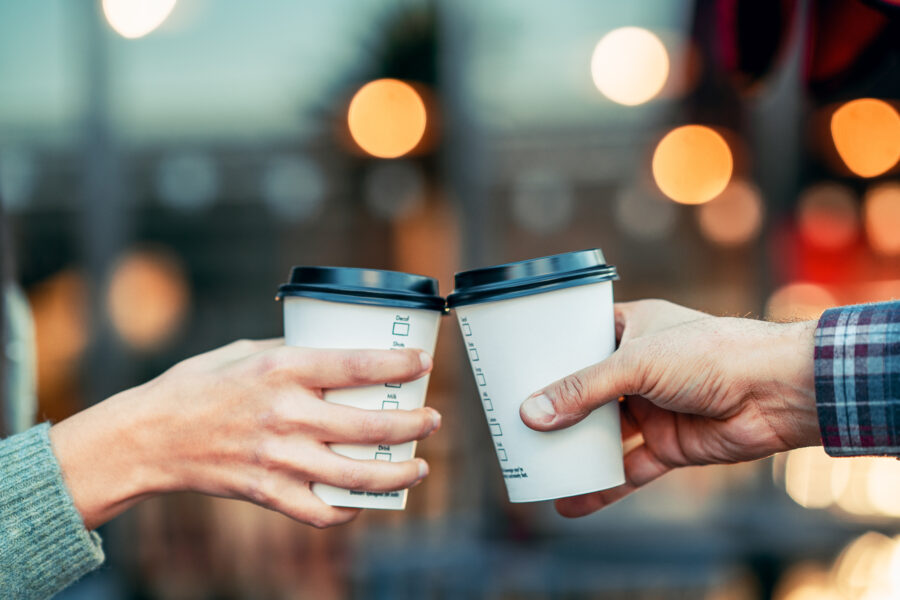
Another thing: Italians don’t really do takeaway coffee. The whole idea is to stop for a few minutes, drink at the counter, and move on. Some places have paper cups now, but honestly, you’ll stick out if you’re strolling down the street with one.
Don’t go wild with customizations. Italian coffee culture doesn’t do the “half-caf, extra hot, oat milk” stuff. You get what’s on the menu, made the traditional way.
A lot of visitors get caught off guard by the price difference between standing and sitting. Always check if al banco and al tavolo cost different amounts before you settle in.
How to Pay: Scontrino and Cassa System
Many Italian bars use a payment system that can trip up first-timers. At some places, you pay first at the cassa (cash register), get your scontrino (receipt), and hand it to the barista to get your coffee.
It goes like this: walk in, go to the cassa, say what you want, pay, and get your scontrino. Then take that receipt to the bar and hand it to the barista, who’ll make your coffee.
But here’s the twist—not every bar does it this way anymore. In lots of smaller or neighborhood spots, you just order and drink, then pay before you leave. When in doubt, watch what the locals do.
If you’re unsure, just ask: “Prima o dopo?” (Before or after?). Staff will let you know when to pay.
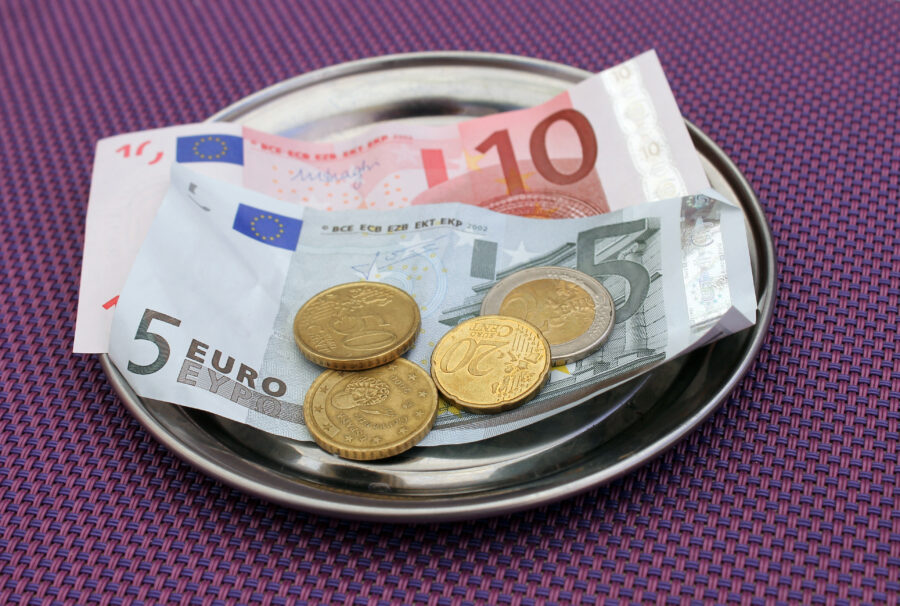
Tipping? Not really a thing here. You might see a tip jar, but dropping in coins is totally optional. Most Italians don’t tip for a quick espresso at the bar.
Expert Tips to Order Coffee Like a Local

Learning a few phrases and the basics of coffee etiquette helps you order confidently and enjoy your caffè without looking like a tourist.
The Perfect Order: Useful Phrases and Strategies

When you walk up to the bar, keep it simple. Just say “Un caffè, per favore” (oon kah-FEH, pehr fah-VOH-reh) for an espresso, or “Un cappuccino, per favore” for a cappuccino. That’s really all you need.
No need to overthink it. Italians like it when you’re direct.
Want a slightly bigger espresso with milk? Order “Un caffè macchiato”. Need something milder? Go for “Un caffè americano”.
Here’s how it usually plays out:
- Walk up to the bar counter (skip the table if you want the local experience)
- Make eye contact with the barista
- State your order clearly
- Pay right away or just after you get your coffee
- Drink it there, standing at the counter
The whole thing takes maybe three minutes. Italians don’t hang around over their coffee—they drink it fast and get on with things.
Blending In: How to Avoid Standing Out as a Tourist
Never ask for a cappuccino after 11 AM. That’s the quickest way to get out as a visitor. Italians see milk-based drinks as breakfast-only, so stick to espresso after lunch.
Skip the to-go cup. Coffee here isn’t meant to be carried around; it’s a quick ritual at the bar, then you’re off.
And whatever you do, don’t order a “latte”—unless you’re actually after a glass of milk. The drink you want is a latte macchiato, but honestly, locals hardly ever order it.
Standing at the bar instead of sitting saves you money and helps you blend in. Table service costs more because you’re paying for the seat and the whole experience.
See Related: Where to Stay in Rome: Best Neighborhoods for Every Traveler
Frequently Asked Questions

Ordering coffee in Italy comes with its own set of customs and timing rules, and they might not match what you’re used to. Knowing the etiquette, milk options, and right phrases makes your coffee experience a lot smoother.
What is the proper etiquette for ordering coffee in Italy?
Stand at the bar, don’t sit at a table—most Italians drink their espresso quickly at the counter, and you’ll save money this way since table service costs more. Catch the barista’s attention and use Italian terms. Say “un caffè” for espresso or “un cappuccino” if it’s still morning.
Keep it simple. Italians don’t go for customized orders with lots of extras—just stick to the classics.
Pay at the counter, either before or after your drink, depending on the place. Some require you to pay at the register first and show your receipt to the barista.
Which Italian coffee should I order if I want it with milk?
Cappuccino is the classic milk-based coffee in Italy. It’s espresso, steamed milk, and foam, and Italians only drink it before 11 a.m.
Caffè macchiato is an espresso with a little spot of milk—good if you want less milk than a cappuccino.
Caffè latte is espresso with more steamed milk (less foam than a cappuccino). Just be sure to say “caffè latte,” not “latte,” since that’s just milk in Italian.
What time of day is it appropriate to order a cappuccino in Italy?
Order a cappuccino before 11 a.m. Italians see it as a breakfast drink; the milk is heavy and fills you up, so it’s not for later in the day.
After lunch or dinner, stick to espresso. Locals believe milk messes with digestion, so they avoid milk-based coffee after morning.
If you really want some milk in your afternoon coffee, a caffè macchiato is more acceptable than a full cappuccino. But, honestly, you’ll fit in better if you just order espresso after morning.
How do I specify my coffee preferences when ordering in an Italian café?
Keep changes to a minimum—Italian coffee culture loves tradition. You can add sugar at the counter, but don’t ask for syrups or fancy flavors.
If you want your espresso a bit weaker, order a caffè lungo (more water). For a stronger, smaller shot, ask for a caffè ristretto.
You can ask for hot or cold milk on the side by saying “latte a parte,” but it’s not common. Most Italians don’t tweak their coffee much beyond these basics.
What is the Italian equivalent of an ‘American coffee’?
Caffè americano is the closest you’ll get to American drip coffee. It’s just espresso with hot water added, so it’s bigger and less intense.
You’ll see it on menus in touristy places, but Italians rarely order it—they like their coffee strong and short.
Even watered down, Italian espresso tastes richer than what you get from a typical American drip machine.
Can you guide me through the process of ordering coffee in Italy without appearing like a tourist?
Just walk right into the bar, head straight for the counter, and look like you belong there. Don’t stand awkwardly by the door or wait around for someone to seat you—unless you’re after table service, which, honestly, most locals skip.
Catch the barista’s eye and say, “un caffè” if you want an espresso, or “un cappuccino” (but only if it’s before 11 a.m.—seriously, after that, it’s a bit of a faux pas). Toss in a “per favore” for good measure.
Watch how the locals handle paying. Some cafés want you to pay first at the register, others just let you settle up at the bar after you order. If you’re not sure, just do what everyone else does.
Stand at the counter and knock back your espresso. Italians usually finish their coffee in about two minutes, tops, then they’re out the door and on with life.
Forget about asking for a to-go cup. Italians rarely take their coffee to go, and if you ask, well, you’ll stick out as a tourist right away.