
Last modified October 3, 2025
Heraklion transforms first-time visitors’ expectations. Where you might anticipate just another Greek port city servicing cruise ships, you’ll discover Europe’s oldest civilization at Knossos Palace, world-class museums housing 4,000-year-old artifacts, and authentic tavernas where recipes haven’t changed since Byzantine times. This comprehensive 3-day Heraklion itinerary balances must-see archaeological sites with genuine Cretan experiences that most day-trippers miss entirely.
The city received over 1 million visitors at Knossos Palace alone in 2024, yet walk ten minutes from the tourist circuit and you’ll find locals haggling at the Central Market, street art transforming abandoned buildings in the Lakkos District, and family wineries producing indigenous grape varieties rescued from near-extinction. Your strategic advantage: knowing exactly when to visit major sites, which neighborhoods preserve authentic character, and how to structure your days for both historical depth and cultural immersion.
This guide answers every practical question: should you stay in Heraklion city center or near the beach? How do you avoid Knossos Palace crowds? Which day trips justify the journey? After analyzing visitor patterns and local insights, we’ve created the optimal 3-day structure that captures Heraklion’s archaeological treasures while revealing the working Cretan capital that exists beyond museum walls.
Day 1: Archaeological treasures and Old Town discovery
Morning: Heraklion Archaeological Museum (8:00 AM – 11:00 AM)
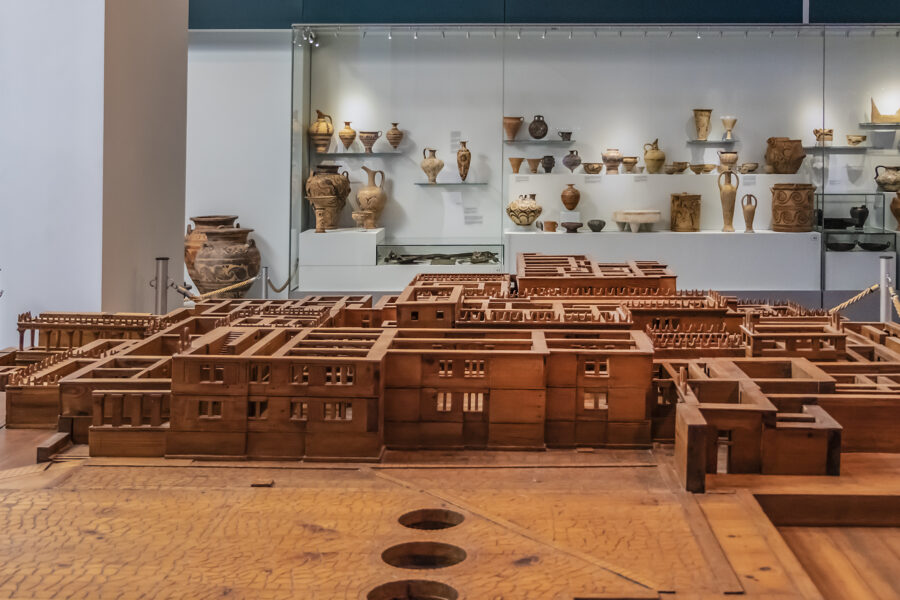
Start your Heraklion itinerary at the Archaeological Museum when the doors open at 8:00 AM. This timing serves two purposes: you’ll explore the world’s finest Minoan collection before cruise ship groups arrive (typically 11:00 AM onwards), and you’ll gain essential context that makes afternoon ruins meaningful rather than merely photogenic.
The museum houses artifacts spanning 5,500 years of Cretan civilization across 27 galleries. Focus your three hours on the Minoan galleries (3-14), where you’ll encounter the enigmatic Phaistos Disc with its 45 undeciphered symbols, the Snake Goddess figurines that have become Crete’s unofficial emblem, and vibrant frescoes depicting bull-leaping rituals that seem impossibly modern for Bronze Age art.
Gallery 3 demands the slowest examination—the Phaistos Disc sits here, that mysterious clay disc discovered in 1908, whose spiral of stamped symbols has resisted all decoding attempts. Gallery 14 showcases the restored Bull-Leaping Fresco, where athletic figures vault over charging bulls in what appears to be ritual sport. The Bull’s Head Rhyton in Gallery 4, with its rock crystal eyes and gold-leafed horns, demonstrates Minoan craftsmanship that wouldn’t be matched in Europe for another millennium.
Practical details:
- Summer admission: €12 (€6 winter)
- Audio guide: €5 (worthwhile for context)
- Storage lockers are available for bags
- The museum shop sells quality reproductions if you want authentic souvenirs
Late morning: Central Market exploration (11:00 AM – 12:30 PM)
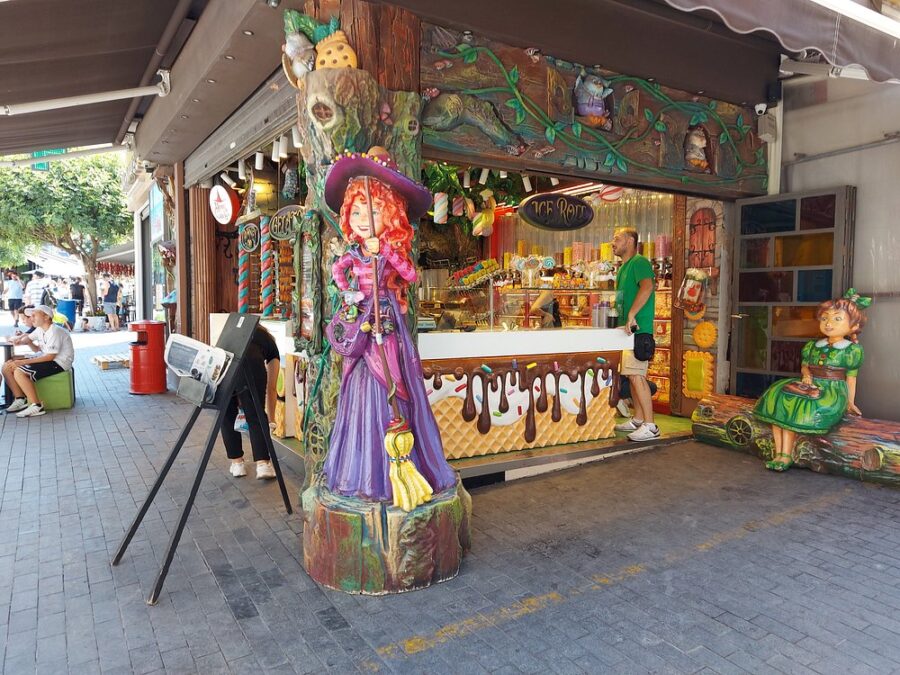
Walk five minutes from the museum to 1866 Street, where Heraklion’s Central Market has operated since 1866. The covered market extends from Meidani to Kornarou Square, but focus on the western sections and perpendicular side streets where authentic food vendors cluster rather than tourist-oriented souvenir shops.
Navigate the sensory overload strategically. Start at the fish section where vendors shout morning prices in dialect, then move through aromatic spice stalls selling wild mountain oregano and Cretan dittany. The cheese vendors offer tastings—try graviera (nutty hard cheese) and fresh mizithra. At honey stalls, sample thyme honey that captures Crete’s wild herbs in liquid gold.
Hidden within the market: the 16th-century Church of Agios Onuphrios accessed through Touli’s bakery, and a Venetian archway visible inside Koudoumas coffee shop. These architectural fragments remind you that commerce has happened here for 500 years.
What to buy:
- Thyme honey (€8-12 per jar)
- Graviera cheese vacuum-sealed for travel (€15-20/kg)
- Wild herbs: oregano, thyme, dittany (€3-5 per bunch)
- Cretan olive oil from specific estates (€20-30/liter)
Lunch: Authentic taverna experience (12:30 PM – 2:00 PM)

Escape tourist-trap restaurants around Lion Square by walking to O’ Tempelis (7 Milatou Street) in the pedestrian zone. This traditional kafeneio serves Cretan meze at prices locals actually pay: dakos (barley rusk with tomatoes and cheese), fried fish, mushroom saganaki, all under €20 total.
Alternative: Gianni’s Tavern operates from an unmarked wooden door with no sign. Inside this candlelit space, €22 delivers continuous family-style courses: tzatziki, fava, vegetables, pilaffi, goat with spaghetti, chicken, pork belly, plus dessert and raki. Come hungry and make reservations.
Afternoon: Knossos Palace (2:30 PM – 5:30 PM)
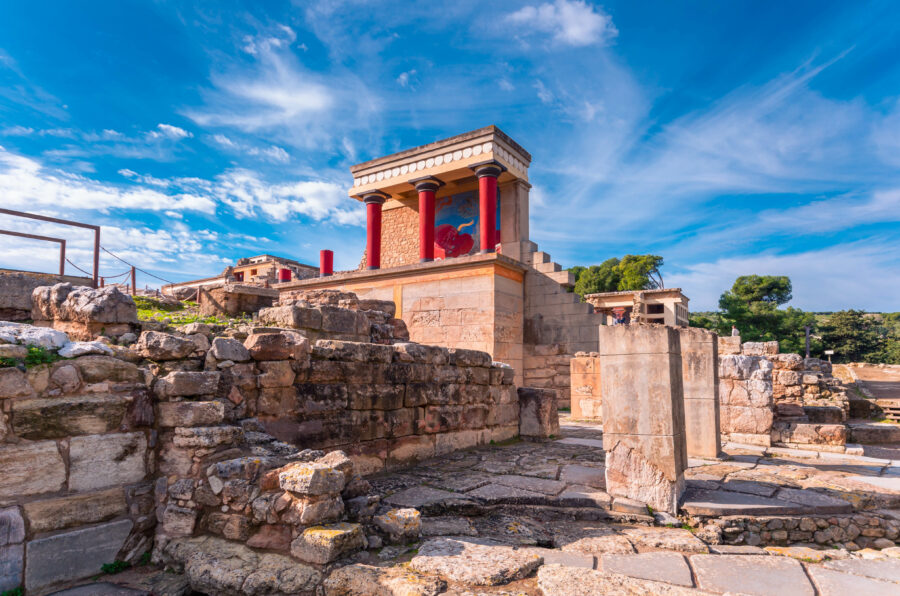
Take Bus #2 from the Archaeological Museum area (€1.50, runs every 20 minutes) for the 20-minute journey to Knossos Palace. Your afternoon timing avoids morning tour bus crowds while providing softer light for photography.
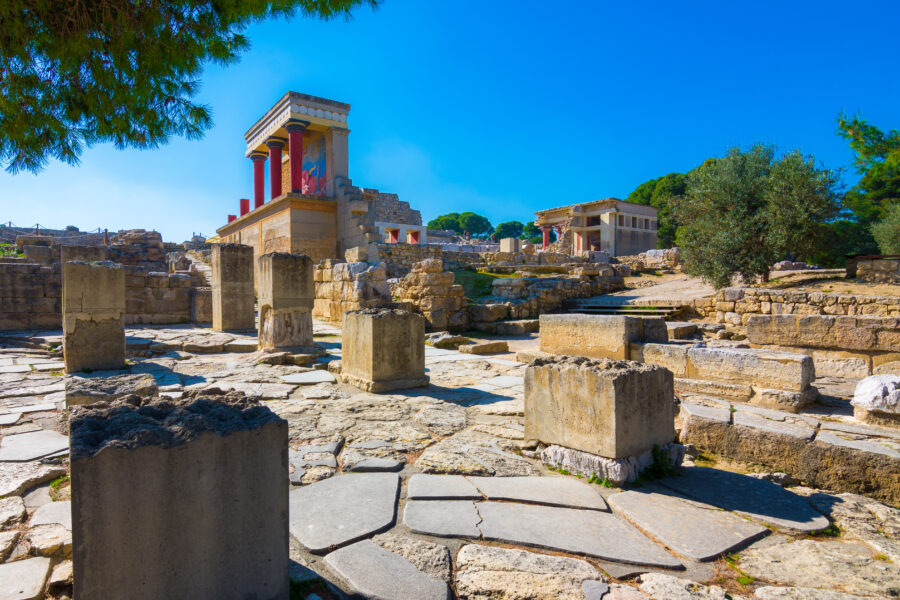
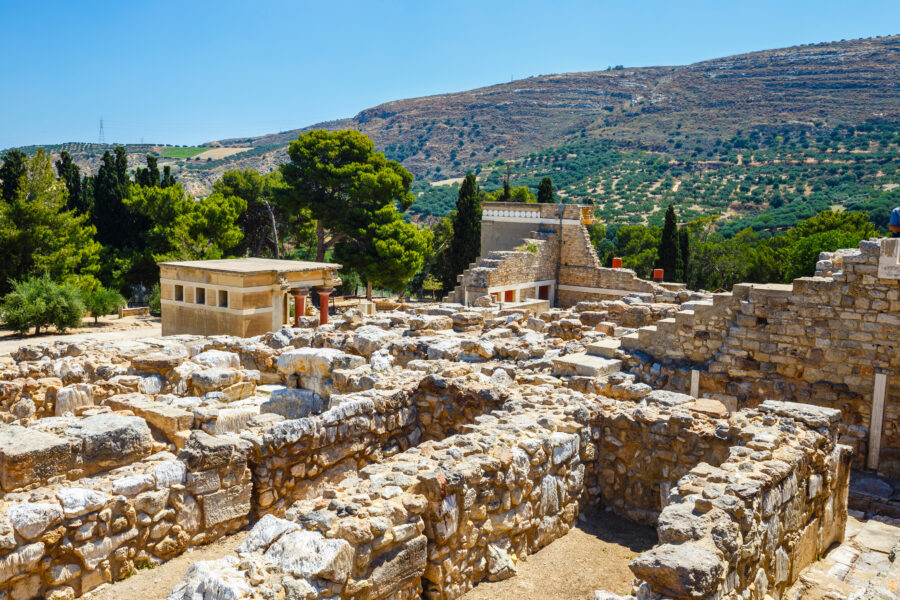
Europe’s oldest city and the center of Minoan civilization, Knossos requires context to appreciate fully—hence your morning museum visit. The palace complex, originally built around 2000 BC and rebuilt after earthquake destruction in 1700 BC, housed up to 100,000 people at its peak. Sir Arthur Evans’s early 20th-century reconstructions—those theatrical red columns and vivid frescoes—remain controversial among archaeologists but help visitors visualize Bronze Age grandeur.
Navigate the site strategically. Start at the West Court and Processional Way, then explore the Central Court, where bull-leaping likely occurred. The Throne Room contains Europe’s oldest throne, still in its original position. The Queen’s Megaron showcases sophisticated drainage and the famous dolphin frescoes (replicas—you saw originals this morning). The Grand Staircase demonstrates advanced architectural engineering, while the storage magazines with enormous clay jars (pithoi) reveal the palace’s role asan economic center.
Your ticket includes surrounding monuments often missed: the Little Palace, where the Bull’s Head Rhyton was discovered, the Royal Villa with its preserved pillar crypt, and the Temple Tomb likely housing Minoan rulers.
Essential Knossos tips:
- Book timed-entry tickets online (€15)
- Hire licensed guides at the entrance (€25-40 for small groups) for the archaeological context
- Bring water and sun protection—minimal shade
- Download the official app for the self-guided option
- Allow 3 hours minimum, including peripheral sites
Evening: Venetian Harbor and dinner (6:00 PM – 10:00 PM)
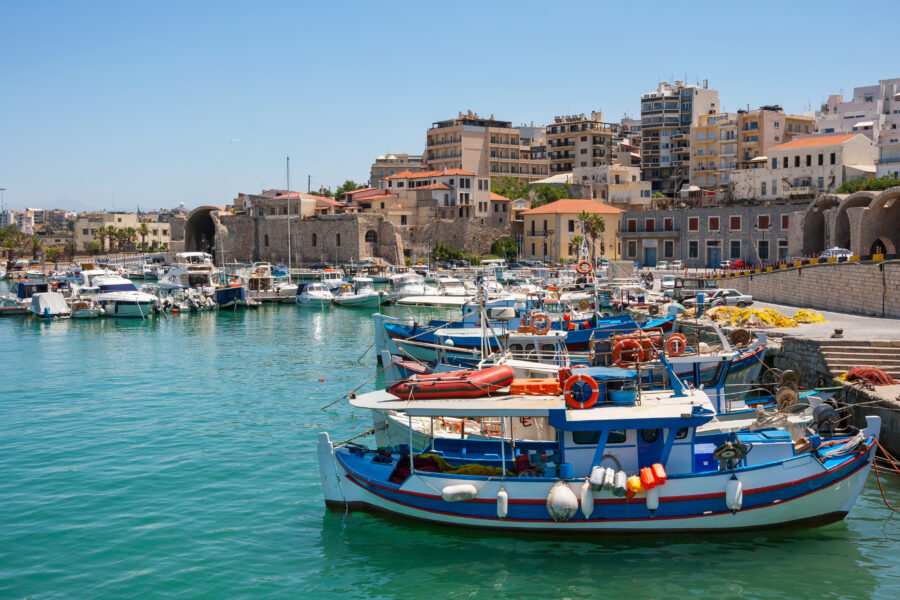
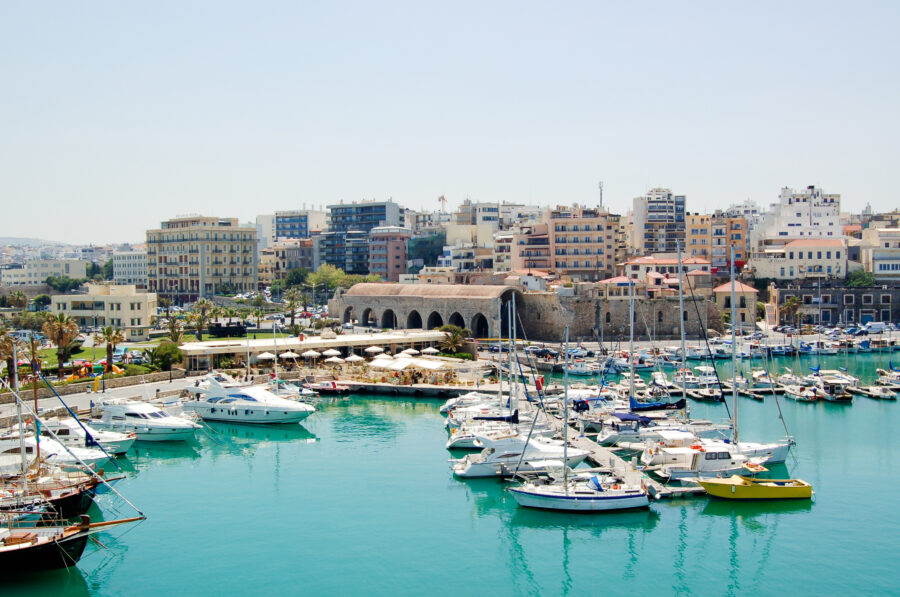
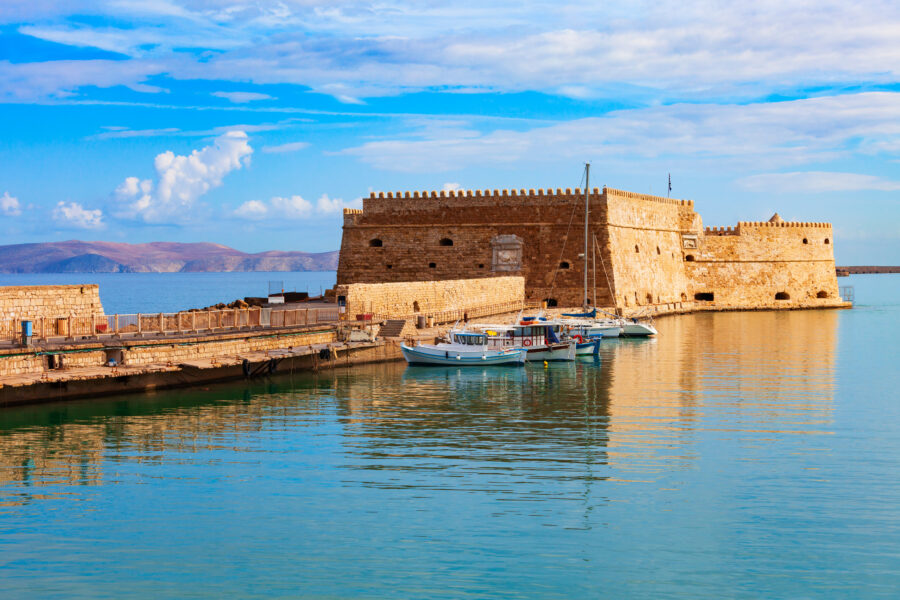
Return to Heraklion and walk the Venetian Harbor as locals emerge for evening promenades. The waterfront extends from Koules Fortress past restored Venetian shipyards (arsenali), creating the city’s most romantic setting at sunset.
For dinner, Peskesi (Kapetan Haralampi 6-8) represents Heraklion’s celebrated farm-to-table movement. Their organic farm in Haraso village supplies ingredients for forgotten Cretan recipes: lamb with wild greens, slow-cooked pork, and fennel pies. The theatrical tableside smoking of meats adds drama. Expect €30-40 per person—book ahead as locals travel across the island to dine here.
See Related: Most Famous Villas in Greece for Exclusive Aegean Hideaways
Day 2: Venetian heritage and wine country
Morning: Old Town architecture walk (9:00 AM – 12:00 PM)
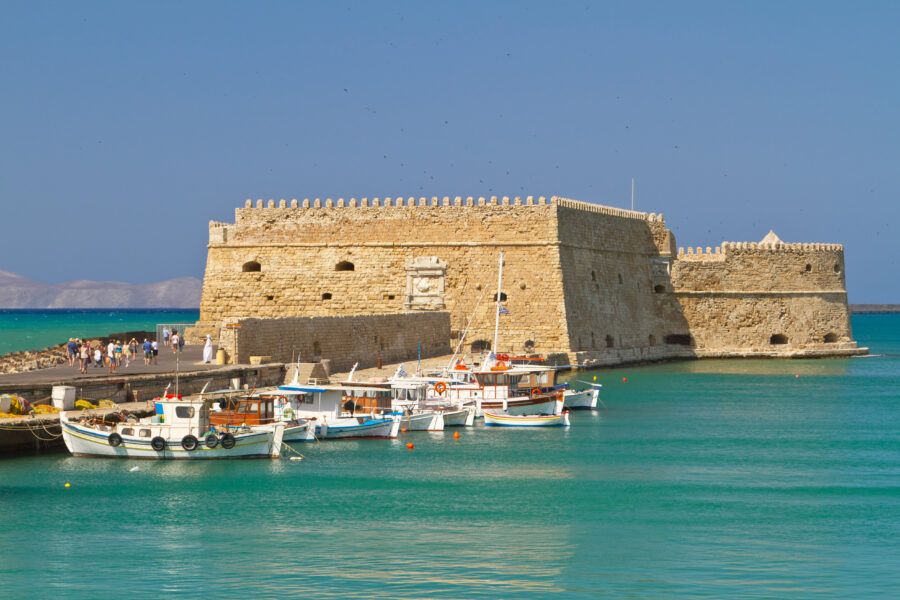
Begin at Koules Fortress (Rocca a Mare) at the harbor entrance. This massive fortification, built by Venetians between 1523-1540, withstood a 21-year Ottoman siege—history’s longest. Entry (€10) includes access to 26 vaulted chambers showcasing underwater archaeological discoveries from Jacques Cousteau’s 1976 surveys.
Climb to the fortress ramparts for panoramic harbor views, then explore interior rooms that served as storage, barracks, and prison cells. The ground floor exhibition displays amphorae and anchors from ancient shipwrecks, while upper levels explain Crete’s strategic importance for controlling Mediterranean trade routes.
From Koules, follow a walking route through Venetian and Ottoman monuments:
25 August Street: The main pedestrian artery from the harbor to Lion Square, lined with restored Venetian buildings now housing cafes and shops.
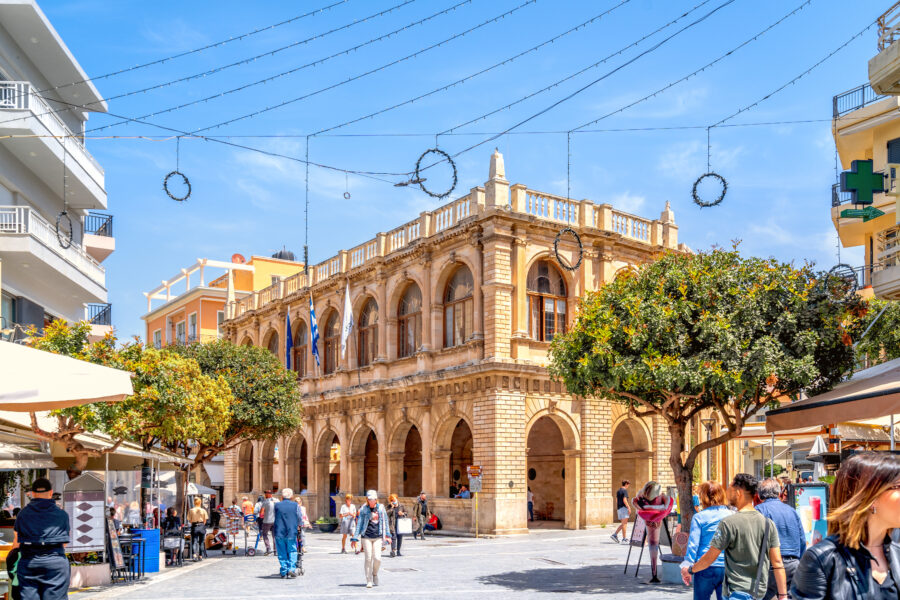
Venetian Loggia (1626-1628): This elegant Renaissance building served as a gathering place for Venetian nobility, now houses City Hall. The harmonious arches earned a Europa Nostra restoration prize.
St. Titus Church: Originally Byzantine (961 AD), destroyed by earthquake (1856), rebuilt as a mosque during Ottoman rule (1869), then reconverted to Orthodox Christianity. The mixed architectural elements tell Heraklion’s layered history.
Morosini Fountain (Lion Square): The 1628 fountain with four lions spouting water marks Heraklion’s social center. Francesco Morosini, who commissioned it, later became Venice’s Doge.
St. Mark’s Basilica: Built in 1239, now the Municipal Art Gallery. The interior showcases contemporary Cretan artists alongside Byzantine icons.
Continue exploring backstreets between major monuments where authentic character survives. Seek out:
- Bembo Fountain (1588) with its headless Roman statue
- Venetian city walls designed by Michele Sanmicheli, considered Europe’s best-preserved fortifications
- Hidden courtyards accessed through unmarked doorways
- Ottoman fountains integrated into modern buildings
Lunch: Local favorites (12:00 PM – 1:30 PM)
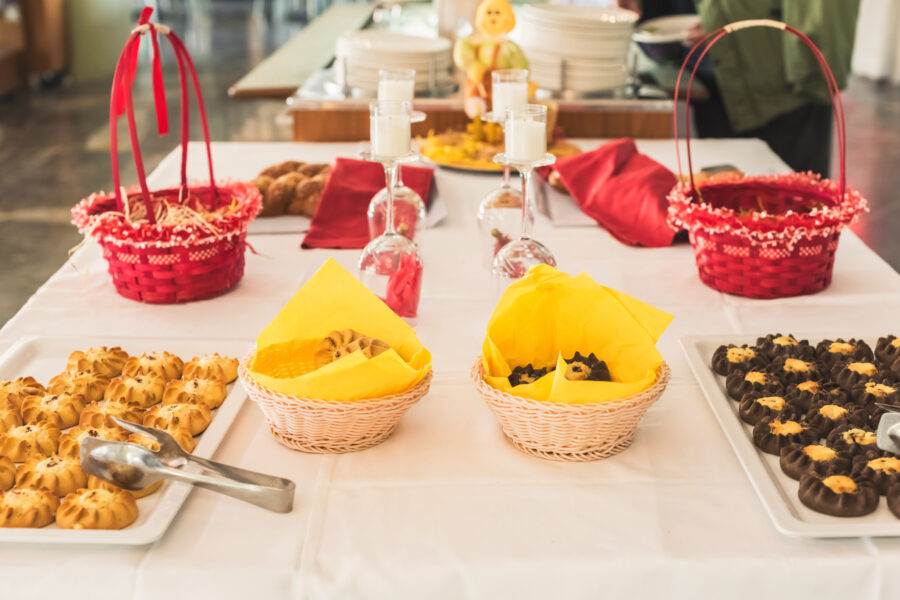
Ligo Krasi Ligo Thalassa (“A Little Wine, A Little Sea”) at the Venetian Harbor attracts locals year-round despite its tourist-friendly location. Generous seafood platters, traditional snails (bourbouristi), and complimentary raki with dessert cost €20-30 per person.
Alternative: Erganos Traditional Taverna (5 Georgiou Georgiadou Street) specializes in vegetarian Cretan dishes since 1986—stuffed vegetables, wild green pies, cheese varieties—in traditional stone interior.
Afternoon: Wine country excursion (2:00 PM – 6:00 PM)
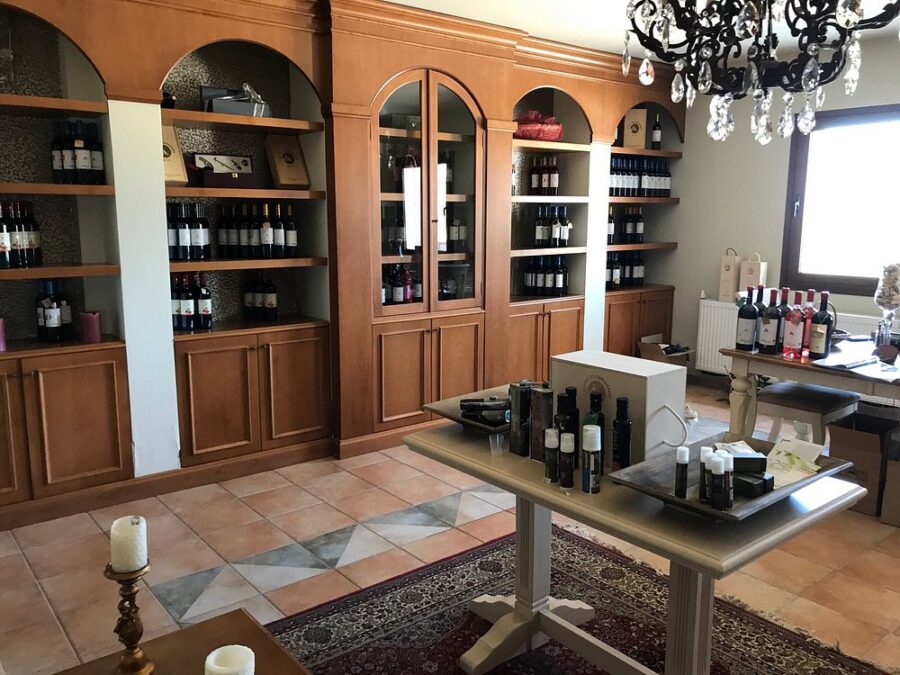
Heraklion region produces two-thirds of Crete’s wine across the island’s primary appellations: Peza, Archanes, and Dafnes. Pre-book an afternoon at family wineries cultivating indigenous varieties found nowhere else on Earth.
Option 1: Lyrarakis Winery (Alagni village, 25 km/30 minutes from city)
This family operation since 1966 rescued ancient grape varieties Dafni and Plyto from extinction. Their tasting experience (€15-25) includes vineyard walks explaining organic cultivation, cellar tours demonstrating traditional and modern techniques, and generous pours of Vilana (white), Kotsifali (red), and rare indigenous varieties. The Dafni produces wines with laurel-like aromatics, while Plyto creates full-bodied reds unknown outside Crete.
Option 2: Domaine Paterianakis (Melesses, 22 km/25 minutes)
Organic certification and stunning vineyard panoramas distinguish this estate. Their premium tasting (€30-40) pairs wines with local cheeses, olives, and rusks. The Vidiano white—Crete’s “White Diva”—expresses stone fruit and Mediterranean herbs, while their Kotsifali-Mandilaria blend epitomizes traditional Cretan reds.
Either winery can be combined with exploring Archanes village (14 km south), awarded Europe’s second-best restored village. Cobblestone streets wind between neoclassical houses painted in pastels, family tavernas serve in flower-filled courtyards, and the pace captures authentic village life. The local Archaeological Museum displays finds from nearby Minoan sites, including the important cemetery at Fourni.
Transportation options:
- Taxi: €40-50 round trip to wineries
- Rental car: €30-40/day provides flexibility
- Small group wine tours: €60-80 including tastings and guide
Evening: Lakkos District and creative dining (7:00 PM – 10:00 PM)
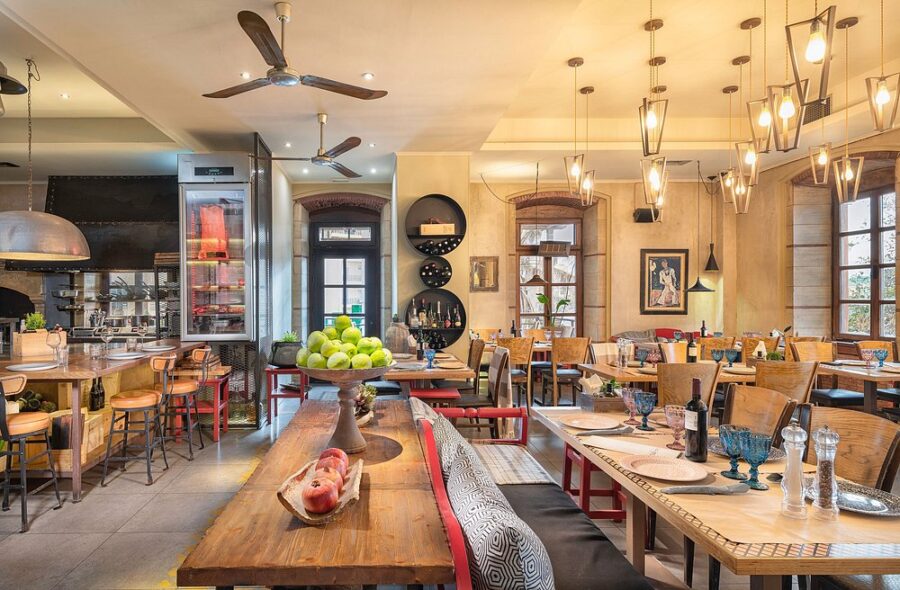
Return to explore the Lakkos District in northwest Old Town, Heraklion’s most dramatic urban transformation. This former red-light district underwent community-led revitalization, with artists covering walls in striking murals, galleries occupying abandoned buildings, and young entrepreneurs opening innovative venues.
Walk the narrow streets as golden hour light illuminates the street art, then dine at Parasties Urban Kitchen (81 Chandakos Street). This restaurant epitomizes Heraklion’s culinary evolution: traditional recipes presented with modern techniques, enormous portions meant for sharing, reasonable prices attracting locals. Try smoked meats, Cretan snails, and creative salads (€20-30 per person).
End your evening at Think Tank 3rd Wave (Andreou Kritis 7), a coffee and wine bar in an architecturally impressive building. They specialize in Cretan natural wines and third-wave coffee, with a terrace perfect for nightcaps.
Day 3: Choose your adventure – Archaeological depths or coastal escapes
Option A: Phaistos Palace and Matala – Ancient ruins meet hippie beaches
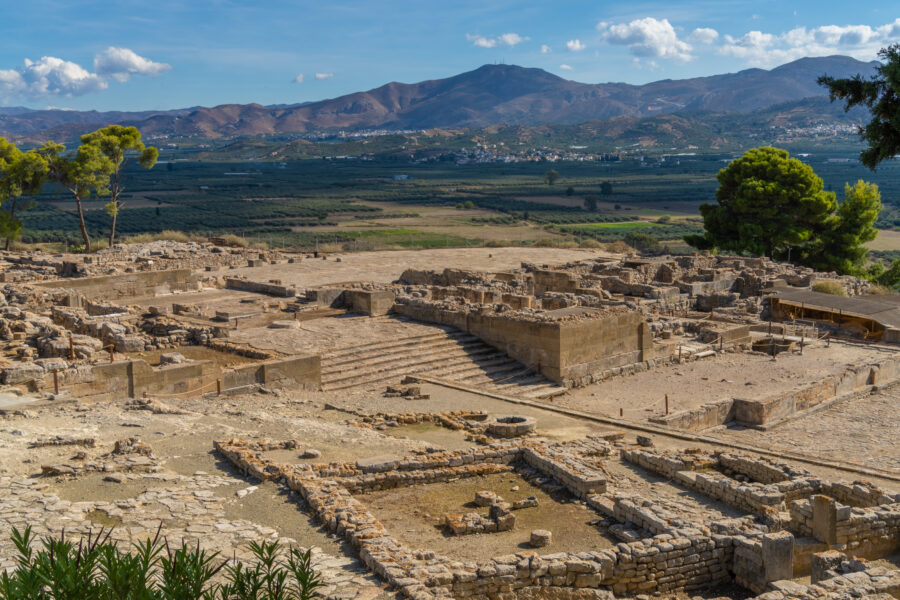
This day trip combines Crete’s second-most important Minoan site with the famous beach village where Joni Mitchell and Cat Stevens lived in caves during the 1960s.
Morning: Phaistos Palace (9:00 AM – 11:30 AM)
Drive or take the KTEL bus (7:30 AM departure, €7, 1.5 hours) to Phaistos, 60 kilometers south through dramatic mountain scenery. This Minoan palace rivals Knossos in importance but receives fraction of visitors, offering more authentic archaeological experience.
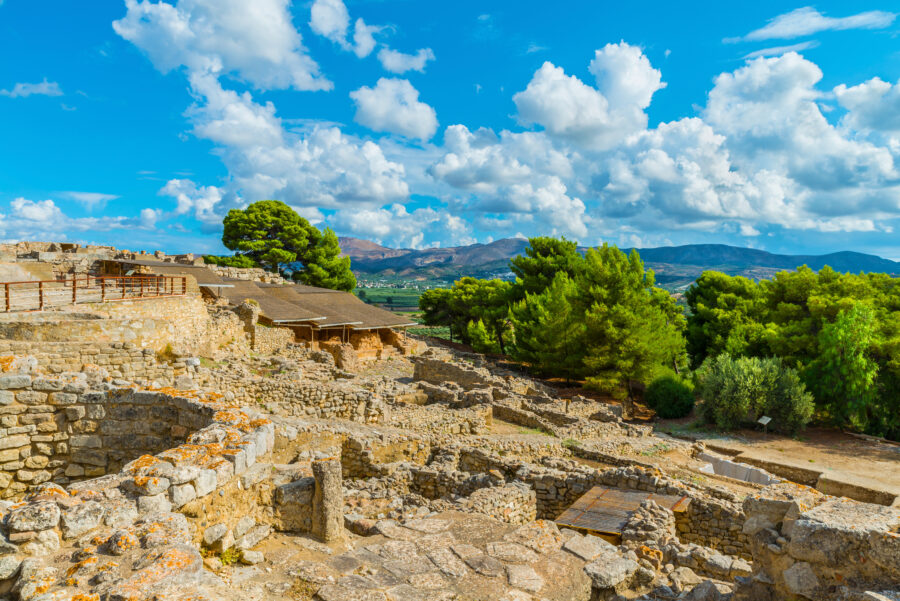
Built around 2000 BC on a hill overlooking the fertile Messara Plain, Phaistos controlled southern Crete’s agricultural wealth. The site’s most famous discovery, the Phaistos Disc (now in Heraklion’s museum), was found here in 1908. Unlike Knossos, Phaistos remains largely unrestored, presenting genuine Bronze Age ruins without controversial reconstructions.
Explore the Grand Staircase, one of antiquity’s most impressive architectural features, the Central Court where religious ceremonies occurred, the Royal Apartments with preserved alabaster flooring, and storage magazines demonstrating the palace’s economic function. The setting provides 360-degree views across mountains to the Libyan Sea.
Midday: Journey to Matala (11:30 AM – 12:00 PM)
Drive 15 kilometers from Phaistos to Matala through villages and olive groves. The approach reveals red sandstone cliffs pocked with caves—your destination’s unique signature.
Afternoon: Matala’s caves and beaches (12:00 PM – 5:00 PM)
Matala village achieved fame when 1960s hippies, including music legends, inhabited Roman-era burial caves carved into seaside cliffs. Today, the caves (€4 entry) can be explored via paths and ladders, offering spectacular sea views and graffiti from the flower-power era.
The main beach below provides organized sunbeds and clear water for swimming. For more adventure, hike 15 minutes over the headland to Red Beach, where iron-rich sand creates distinctive coloration. The northern section traditionally attracts naturists.
Matala village maintains its alternative vibe with beachfront tavernas, shops selling handmade jewelry and tie-dye clothing, and the annual Matala Beach Festival each June recreating 1960s atmosphere.
Late afternoon: Return journey (5:00 PM – 7:00 PM)
KTEL buses return at 2:00 PM and 5:15 PM (€7), or drive back exploring mountain villages. Stop at Gortyna to see the 5th-century BC law code carved in stone—Europe’s oldest legal document.
Option B: Mountain villages and natural Crete
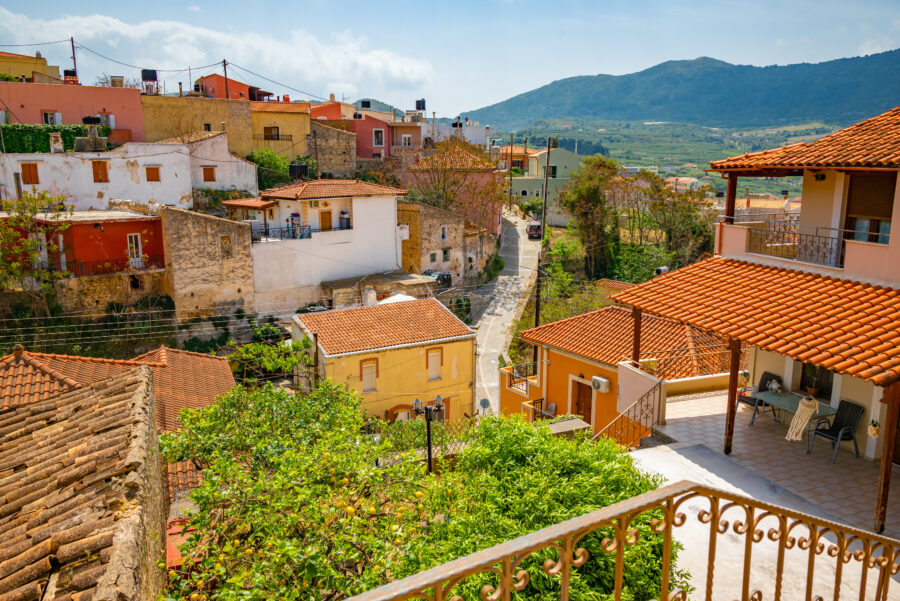
For travelers preferring nature and traditional culture over beaches, this inland route reveals authentic rural Crete.
Morning: Zaros and Rouvas Forest (9:00 AM – 1:00 PM)
Drive 45 kilometers southwest to Zaros village, famous for bottled spring water and trout farms. The village sits at Mount Ida’s base, Crete’s highest peak where Zeus was supposedly born.
Start with easy hiking around Lake Votomos, an artificial lake created for irrigation but now a peaceful nature spot with walking paths and picnic areas. More ambitious hikers can tackle Rouvas Gorge, entering through an impressive stone portal into a canyon lined with ancient plane trees and oak forests.
Zaros village itself rewards exploration: the Monastery of Agios Nikolaos contains 14th-century frescoes, traditional watermills line the streams, and family tavernas serve fresh trout with wild greens.
Afternoon: Archanes wine village (2:00 PM – 5:00 PM)
Drive 30 minutes to Archanes, consistently voted among Europe’s best-restored villages. This prosperous wine town demonstrates how traditional architecture can be preserved while maintaining living communities.
Explore the main square surrounded by neoclassical mansions painted in ochre and blue. Small museums include the Archaeological Collection displaying Minoan finds, the Folklore Museum showing traditional life, and the Museum of Cretan History and Tradition.
Several family wineries offer tastings in historic cellars. Boutari’s Fantaxometocho estate provides professional tours, while smaller producers like Stilianou and Tamiolakis offer intimate family experiences.
The village comes alive during the August wine festival, but any evening brings locals to tavernas around the square. Try Bakaliko for creative Cretan cuisine or Kritamon for traditional dishes using foraged herbs.
Option C: Beach day and coastal exploration

If your Heraklion itinerary needs beach relaxation, several options provide swimming without long journeys.
Ammoudara Beach (15 minutes west)
Heraklion’s main city beach stretches 7 kilometers with golden sand and consistent waves attracting windsurfers. While not pristine paradise, it offers convenient swimming with full facilities. Beach bars like Akti provide sunbeds and refreshments.
Agia Pelagia (25 minutes northwest)
This former fishing village in a sheltered bay offers calmer, clearer water than Ammoudara. The narrow beach fills quickly in summer, but early arrival secures spots. Adjacent Lygaria Beach provides a quieter alternative favored by locals.
Agiofarago (90 minutes south – adventurous option)
For dramatic swimming, hike 30 minutes through Agiofarago Gorge to reach this remote beach beneath towering cliffs. The effort filters out crowds, leaving you with pristine water and wild scenery.
Where to stay: Choosing your Heraklion base
Old Town hotels – Best for cultural immersion
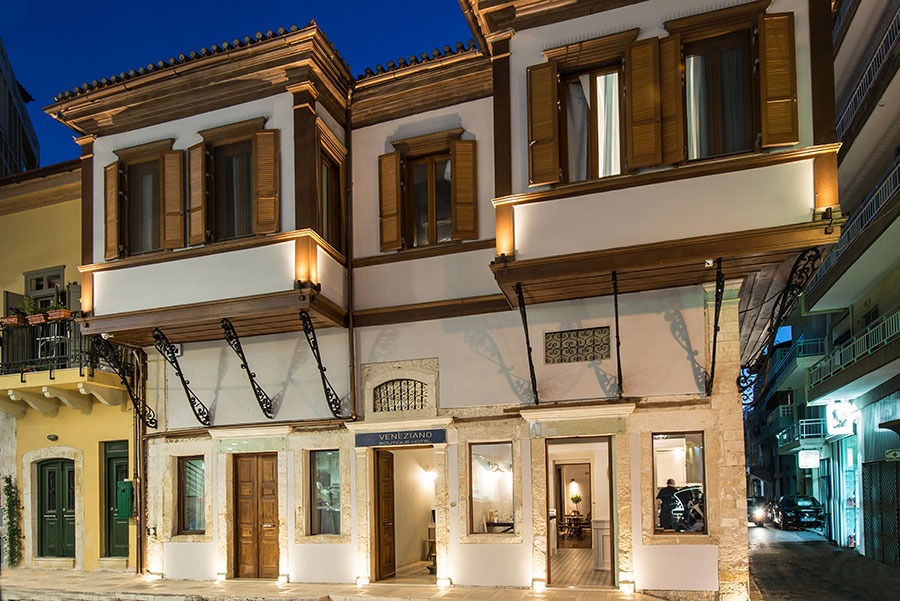
Staying within the Venetian walls places you within walking distance from all major sites, restaurants, and nightlife.
Lato Boutique Hotel (€80-100/night)
Prime harbor-front position opposite Koules Fortress. Rooftop restaurant with sunset views, modernized rooms in a 1970s building. Sea-view rooms are worth the upgrade.
Veneziano Boutique Hotel (€100-150/night)
Occupies a monument dating to 1510 (Venetian) and 1730 (Ottoman). Beautiful courtyard for breakfast, on-site wine bar, located near Morosini Fountain.
Domus Ariadne (€85-130/night)
Just six Art Deco rooms inspired by Ariadne mythology. Each is uniquely decorated with bold colors and patterns. Kitchenettes and terraces add value.
Dom Boutique Hotel (€90-140/night)
Stylish 37-room property near Theotokopoulos Park. Some rooms feature terrace jacuzzis. Contemporary design in a historic building.
Beach hotels – Convenient but disconnected

Ammoudara resorts (€60-120/night)
All-inclusive resorts line Ammoudara Beach offering pools, direct beach access, and resort facilities. Choose only if beach relaxation outweighs cultural exploration, as you’ll need transportation for all sightseeing.
Agia Pelagia hotels (€70-130/night)
Better beach than Ammoudara but 25 minutes from city center. Works if renting a car and prioritizing seaside atmosphere over urban convenience.
Getting around: Transportation essentials
From the airport
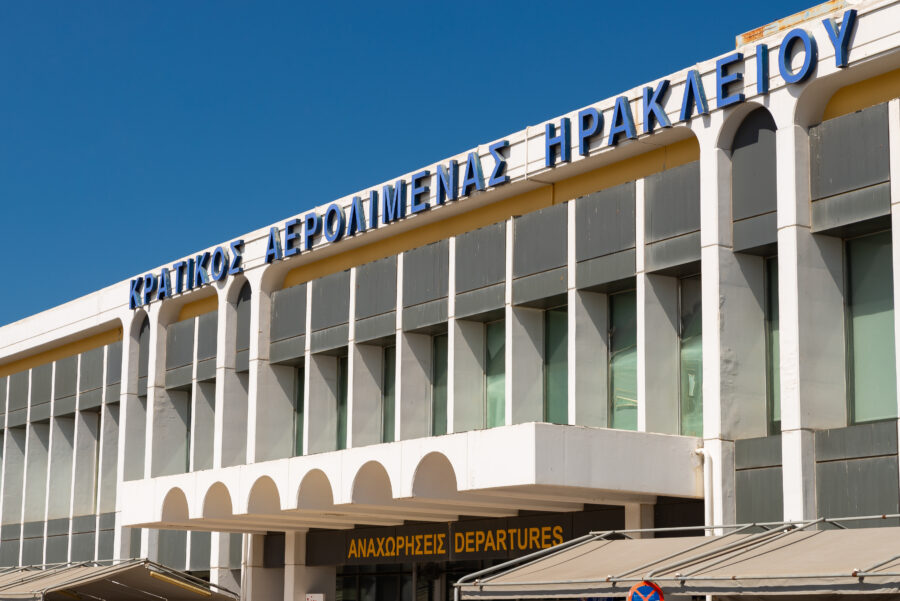
Nikos Kazantzakis Airport sits just 5 kilometers from city center:
- Taxi: €15-20, 10-15 minutes, available 24/7
- Bus: Routes 5,6,10,11,12,15,19 every 15 minutes (€1.50 ticket machine, €2 on bus)
- Pre-booked transfer: €20-25, driver meets at arrivals
Within Heraklion

The compact Old Town eliminates car necessity:
- Archaeological Museum to Lion Square: 5-minute walk
- Lion Square to Koules Fortress: 10-minute walk
- Complete Old Town circuit: 2.5 kilometers
To Knossos Palace

- Bus #2: Every 20 minutes from Archaeological Museum (€1.50, 20-30 minutes)
- Taxi: €15-20, 10-15 minutes
- Walking: Not recommended despite 5.5km distance—no pedestrian infrastructure
Day trips

- KTEL buses: Reliable service to major destinations (Phaistos €7, Matala €7, Rethymno €8)
- Rental car: €25-40/day for flexibility exploring villages and beaches
- Organized tours: €40-80 including transportation and guide
See Related: Types of Ferries in Greece: Expert Guide to Your Island Adventure
When to visit: Seasonal considerations
Ideal: Late May-June and September-October

- Temperature: 22-27°C perfect for sightseeing
- Sea temperature: 21-25°C suitable for swimming
- Crowds: Moderate, avoiding peak summer
- Prices: Lower than July-August
- Everything open and fully operational
Summer: July-August

- Temperature: 27-30°C, can be oppressive at archaeological sites
- Sea temperature: 24-26°C ideal for beaches
- Crowds: Very busy, book accommodation 3-6 months ahead
- Prices: Highest of year
- Best for beach focus, challenging for sightseeing
Shoulder: April-May and October-November
- Temperature: 17-24°C comfortable for cultural activities
- Sea temperature: 17-20°C often too cool for swimming
- Crowds: Minimal, authentic local atmosphere
- Prices: Lowest rates
- Some seasonal closures but major sites operational
Winter: December-March
- Temperature: 15-20°C with rain
- Museums maintain winter hours (8:30 AM – 3:30 PM)
- Very few tourists, genuine local experience
- Many coastal businesses closed
- Best for budget cultural tourism, not beaches
Budget breakdown: Real costs for your Heraklion itinerary
Daily essentials (per person)
- Boutique hotel (double occupancy): €40-75
- Breakfast: €8-12
- Lunch at taverna: €15-20
- Dinner with wine: €25-35
- Coffee/snacks: €5-10
- Local transportation: €5-10
- Total daily: €100-160
Major attractions
- Knossos Palace: €15
- Archaeological Museum: €12 (summer), €6 (winter)
- Koules Fortress: €10
- Phaistos Palace: €8
- Wine tasting: €15-40
- Day trip transportation: €15-50
Money-saving strategies
- Eat where locals eat—avoid Lion Square restaurants
- Buy picnic supplies at Central Market
- Take public buses instead of taxis
- Visit museums in winter (half price)
- Book accommodation directly for better rates
Practical tips for your visit
Essential preparations
- Book Knossos tickets online with timed entry
- Reserve restaurants like Peskesi in advance
- Download offline maps—Old Town streets confuse the GPS
- Bring comfortable walking shoes for uneven ancient surfaces
- Pack sunscreen and a hat—summer shade is minimal
Cultural considerations

- Restaurants serve dinner after 8:00 PM
- Many shops close 2:00-5:00 PM
- Tipping 5-10% appreciated but not mandatory
- Dress modestly for monastery visits
- Learn basic Greek greetings—locals appreciate effort
Avoiding tourist traps

- Restaurants with photo menus and aggressive touts disappoint
- Central Market main corridor increasingly touristy—explore side streets
- “Traditional” shops near cruise port overcharge
- Generic Greek menus indicate tourist focus—seek Cretan specialties
Best photo opportunities
- Koules Fortress at sunset
- Lion Square fountain early morning
- Knossos throne room before crowds
- Lakkos District street art golden hour
- Venetian Harbor blue hour
See Related: Top Luxury Resorts in Greece: Unforgettable Mediterranean Escapes Await
Final insights: Making the most of Heraklion

Your 3-day Heraklion itinerary balances must-see archaeological sites with authentic cultural experiences most visitors miss. The key lies in timing—early morning at museums, afternoon at Knossos, evening in local neighborhoods—and knowing where locals actually go.
Heraklion rewards curious travelers who venture beyond the tourist circuit. While cruise passengers rush through Knossos in two hours, you’ll understand Bronze Age civilization through museum context.
While package tourists eat overpriced moussaka on Lion Square, you’ll discover family tavernas serving recipes unchanged since Byzantine times. While resort guests rarely leave hotel pools, you’ll taste indigenous wines in family cellars and explore villages where traditional life continues.
The city’s transformation accelerates—the Lakkos District’s artistic revival, innovative restaurants interpreting ancient recipes, young winemakers reviving extinct grape varieties—making this moment particularly exciting for cultural discovery. Yet Heraklion maintains its working-city character, where fishmongers at the Central Market still shout morning prices, where elderly men play backgammon in shadowy kafeneia, where Byzantine churches hide between apartment blocks.
This balance between ancient heritage and living culture distinguishes Heraklion from more tourist-focused destinations. You’re not visiting a museum city frozen for visitors, but engaging with a place where 4,000 years of continuous civilization remain vibrantly present in daily life. That’s the ultimate reward of this Heraklion itinerary—experiencing both the extraordinary archaeological legacy and the authentic Cretan present that makes this city endlessly fascinating.