
Expedited Family Passports Renewal: Insider Tips for Fast-Track Approval
Updated November 22, 2025
Ever tried wrangling everyone’s passports during family travel season, only to realize some are expired—or worse, about to be? I’ve been there, right down to a midnight panic call with flights just a week away.
You can renew your family’s passports fast with expedited service, skipping those endless waits so you won’t miss your next big trip.
Getting an expedited renewal doesn’t have to be tricky, but it does require a little planning and the right paperwork. If you’re new to this, there are a few pitfalls to sidestep so you don’t slow the process down.
Buckle up—smoother family adventures are totally within reach.
Table of Contents
- Key Takeaways
- Understanding Expedited Family Passport Renewal
- What Is Expedited Passport Renewal
- Eligibility Criteria for Expedited Renewal
- Differences Between Routine and Expedited Processing
- Required Documents and Application Forms
- Essential Documentation for Families
- Proof of Citizenship and Identification Requirements
- Special Requirements for Minors
- Passport Photo Guidelines
- Completing the Application Process
- Choosing the Correct Application Forms
- Filling Out DS-82 and DS-11 Forms
- Tips for Completed Applications
- Submission Methods and Available Services
- Using Regional Passport Agencies
- Submitting by Mail vs In-person
- Making an Appointment
- Expediting Options and Delivery Choices
- Expedited Passport Service Providers
- Registered Passport Expediters and Couriers
- Delivery and Pickup Options
- Urgent Travel and Special Circumstances
- Proof of Imminent or Urgent Travel
- Handling Life-Or-Death Emergencies
- International Travel Needs
- Fees, Costs, and Payment Strategies
- Application and Expedited Fees
- Understanding Hidden and Additional Costs
- Passport Validity and Renewal Timing
- Enhancing Security and Avoiding Common Pitfalls
- Enhanced Security for Expedited Applications
- Recognizing Trustworthy Passport Expediting Companies
- Common Mistakes and How to Avoid Them
- Frequently Asked Questions
- What are the current processing times for expedited passport renewals?
- Can I renew my family’s passports together in an expedited manner, and if so, how?
- What is the cost breakdown for expediting the renewal of a passport?
- What documents are required to renew a passport for my whole family at once?
- Are there any special considerations for expediting passport renewals for minors?
- How can I locate the closest passport agency that offers expedited renewals?
- Book Your Dream Experience
- More Travel Guides
Key Takeaways
- Fast passport renewal for families is possible if you take the right steps.
- Having the proper forms and documents makes things go quicker.
- Watch out for common mistakes that can delay your application.
Understanding Expedited Family Passport Renewal
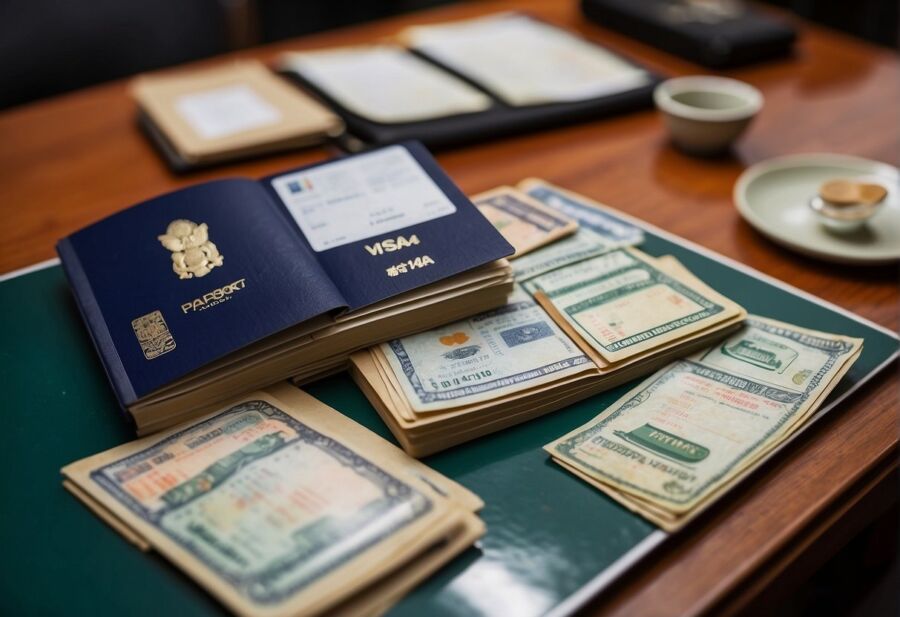
Renewing passports for your whole family can feel overwhelming, especially if you need them quickly. Expedited services speed up the process for families with travel plans right around the corner.
What Is Expedited Passport Renewal
Expedited passport renewal is basically a way to get your passports processed faster. You pay an extra fee (usually $60 per person), and your applications move through the system much quicker than routine processing.
It’s a lifesaver when that dream vacation pops up out of nowhere or an unexpected event means you need to travel soon. This service covers both adults and kids, but here’s the catch—everyone in your family has to apply for it individually. No “family bundle” option, sadly.
You can request expedited service by mail, at a passport acceptance facility, or in person at a regional passport agency if you’re really in a time crunch. Those in-person appointments are for true emergencies—think life-or-death, not just a last-minute cruise. Each applicant gets a tracking code, so you can keep tabs on the process from your laptop.
Eligibility Criteria for Expedited Renewal
Not everyone gets the green light for expedited family passport renewal. Officials want to see a real need—usually, you’ll need proof of international travel within the next few weeks.
If you or your kids already have undamaged, 10-year passports and aren’t changing any personal info, you’ll probably qualify for renewal by mail or online. First-timers or anyone with a passport over 15 years old has to apply in person, so bring all your ducks in a row: ID, birth certificates, photos, and forms.
For kids under 16, both parents need to show up, or you’ll need a special consent form. That part’s a headache if your co-parent lives out of state. I’ve dealt with it, and getting paperwork done with kids can feel like a circus. If you have urgent medical or family emergencies, bring supporting documents—they’ll help your case.
Differences Between Routine and Expedited Processing
Routine passport renewal is the slow lane. You’re looking at 4–6 weeks (sometimes longer if everyone’s traveling at once). Expedited service usually gets you sorted in about 2–3 weeks by mail, or as fast as 1–3 business days if you snag an emergency appointment at a regional agency.
Here’s a quick table for comparison:
| Processing Type | Typical Time Frame | Extra Fees | How to Apply |
|---|---|---|---|
| Routine | 4–6 weeks | Standard fee | Mail, facility |
| Expedited | 2–3 weeks (mail) | +$60 | Mail, facility, regional |
| Emergency Agency | 1–3 business days | +$60 | In-person with appointment |
Mailing times aren’t included in those numbers—add a week or two if you’re sending things by mail. Expedited isn’t magic, but it’s a lifesaver if you’re facing a tight deadline. If you can’t risk any delays, head to a regional passport agency and bring every document you could need.
Required Documents and Application Forms
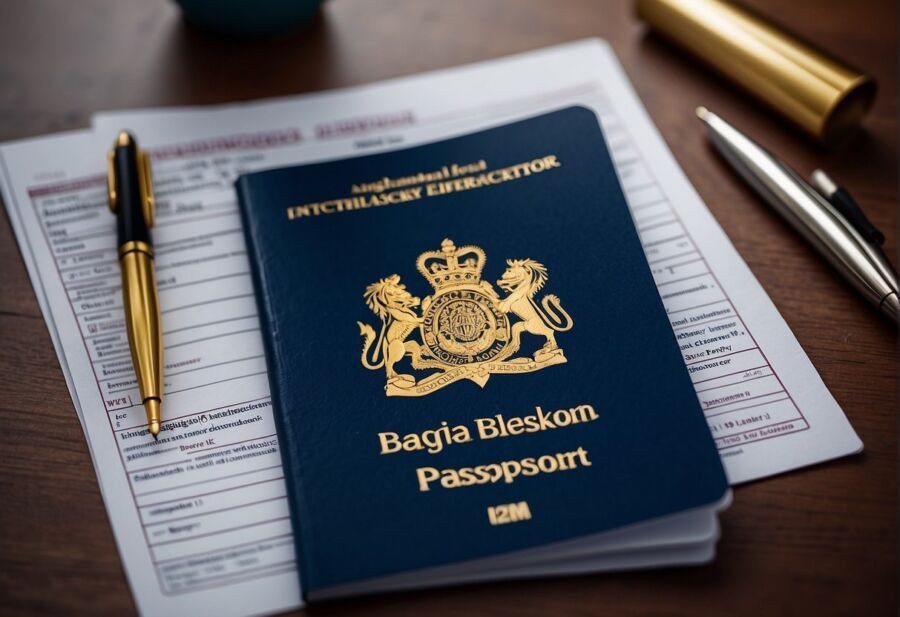
Before you rush into renewing family passports, get everything lined up. Missing even one document can slow down your expedited application, and nobody wants to be left scrambling.
Essential Documentation for Families
Every family member needs their passport application. There’s no group passport, even if you’re all traveling together. Parents ask me this all the time at the post office—nope, it’s one per person.
Use Form DS-82 for adults renewing by mail, and Form DS-11 for first-timers or kids under 16.
Make a simple checklist for each person: old passport, proof of citizenship, passport photos, any name change documents, and printed application forms. I like using folders to keep things from getting mixed up. If you’re expediting, include your proof of travel—plane tickets work great.
Some families keep a master list taped to the fridge during passport season. It seriously cuts down on “Where did you put my paperwork?” moments. Don’t forget the fees. Each application needs a check or money order for the exact amount.
Proof of Citizenship and Identification Requirements
Every applicant has to prove they’re a U.S. citizen. Usually, that’s an original birth certificate, a previous valid passport, or a naturalization certificate. If you’ve got your passport book, use it—it’s the easiest for officials to verify. Make sure it’s not damaged, or you’ll end up scrambling for a birth certificate.
Adults renewing can usually use their expired passport as both a citizenship and an ID. First-timers or those with lost passports will need both proof of citizenship and a photo ID like a driver’s license. Bring photocopies of both sides of all documents.
Copies need to be clear. I’ve seen applications delayed because someone’s copy was too fuzzy. Save yourself the headache—double-check your copies before you head out.
Special Requirements for Minors
Kids under 16 have extra hoops to jump through. Both parents or guardians need to show up with the child, or you’ll have to bring a notarized consent form (Form DS-3053) from the parent who can’t make it.
Bring proof of relationship, like a birth certificate listing both parents’ names, or court orders for guardianship. For teens 16-17, only one parent usually needs to be there, but a signed note from the other parent never hurts.
I’ve seen a frustrated dad have to reschedule because he forgot proof of relationship for his tween son. Don’t let that be you.
Bring the child’s previous passport if they have one, plus all the other standard documents. Don’t forget everyone’s ID—adults, kids, all of it. The more organized you are, the faster this errand will go.
Passport Photo Guidelines
Getting the photo right seems minor until you get a rejection letter. I’ve had to retake photos more than once, so don’t get creative. Use a recent color photo, taken within the past 6 months.
No hats, glasses, or giant hair bows—classic passport rules still apply. Getting a toddler to look straight at the camera is, honestly, a minor miracle.
The photo must be 2×2 inches with a plain white or off-white background. Faces should be straight to the camera, with a neutral expression. For babies, lay them on a white sheet or use a plain car seat cover. Don’t edit the background—small tweaks can trigger a rejection.
Most drugstores and shipping centers offer passport photos, and it’s usually worth the small fee. Less stress than wondering if your home printer photos are “official” enough. Keep a spare copy of your files—you never know when you’ll need an extra.
See Related: Passport Fast-Track Hacks: Insider Secrets to Get Your Travel Documents in 48 Hours
Completing the Application Process
When you’re rushing to renew family passports, a smooth application process makes all the difference. Shortcuts aren’t worth it—getting your paperwork right is what speeds things up.
Choosing the Correct Application Forms
Picking the right form for each family member gets surprisingly confusing, especially if you haven’t done this in a while. Adults with a passport that isn’t lost, stolen, or damaged should use DS-82 for renewal. Kids under 16 and first-timers of any age need DS-11.
Here’s a quick cheat sheet (I’ve checked this at the post office more times than I care to admit):
| Applicant | Correct Form |
|---|---|
| Adult renewal | DS-82 |
| First-time (any age) | DS-11 |
| Child under 16 | DS-11 |
If you’re renewing for a mix of adults and kids, expect to fill out both forms. It’s tedious, but being methodical now saves headaches later.
Filling Out DS-82 and DS-11 Forms
DS-82 is pretty straightforward for adults, especially if you’ve renewed before. Fill it out online, print it single-sided, and sign it by hand—no digital signatures. DS-11 is a bit of a beast for kids and first-timers. For DS-11, both parents must sign for a child, and you need original documents like birth certificates.
Double-check the black ink requirement and make sure there aren’t stray marks or corrections. Even a tiny error can get your application sent back, and agents won’t hesitate. Grab an extra passport photo in case one gets bent—I’ve had that happen twice.
Tips for Completed Applications
After you fill out the forms, triple-check everything. Spelling errors and wrong dates can undo all your hard work.
Here’s what’s saved my sanity:
- Lay everything out on the table. Compare each item to the checklist from the State Department website.
- Label each child’s documents. With several family members, papers get mixed up fast.
- Package each application in a separate folder or envelope. Don’t bundle everyone’s forms together, or you’ll risk delays.
- Attach your payment. Include a check or money order for each application—never cash.
Keep your tracking number handy when you send the forms. You’ll want to follow their journey, especially with travel looming. These little details can mean the difference between a smooth renewal and a last-minute scramble.
Submission Methods and Available Services

Getting your family’s passports renewed quickly really comes down to knowing where, how, and when to submit your application. Different options can make a big difference in speed and convenience, especially if you’re juggling travel plans and trying to keep the kids entertained at the same time.
Using Regional Passport Agencies
If you have urgent travel coming up—within two weeks, or you need a visa in four—head to a regional passport agency. These aren’t your regular post offices. They’re official U.S. Department of State facilities scattered across the country, built for processing passports fast, but only for people who qualify for urgent services.
I’ve found that showing proof of travel (and maybe a few frazzled, fidgety kids in tow) helps you get taken seriously. You’ll need an appointment, which you can book online or by phone, sometimes even at the last minute.
The process here feels more direct than regular mail. The staff review your documents right there and sometimes even hand over your family’s new passports the same day if you’ve got medical, military, or emergency travel. Not bad, right?
Submitting by Mail vs In-person
Let’s start with mail. If you’ve got time—four to six weeks, maybe a bit less if you pay extra for expedited service and use Priority Mail—mailing your renewal works fine. Honestly, it’s a little dull: toss everything in an envelope, attach the right fees, include any old passports, and then just wait for updates online. There’s no one to double-check your forms, so if you mess up, you’ll only find out later (and, ugh, the wait).
Doing it in person—at a post office, passport acceptance facility, or regional agency—feels more interactive. If you’re the type who likes talking through weird situations (like, say, your kid’s birth certificate got lost in a move—true story), it’s worth it. Staff can spot problems before you leave, help with fees, and sometimes you’ll get things resolved on the spot, especially if you scored that coveted regional agency appointment.
Making an Appointment
Appointments honestly make everything smoother, especially if you’re in a hurry. Regional passport agencies require them for urgent service. Some post offices or acceptance centers might let you walk in, but I’ve found that appointments mean less waiting and less chaos (your kids will thank you).
Booking isn’t rocket science: use the U.S. Department of State’s system or call the National Passport Information Center. You’ll pick a slot—sometimes the next day if you’re lucky, usually a few days out. If your trip is close, tell them; they’ll prioritize genuine emergencies, but you’ll need proof. Bring every bit of paperwork and payment. The staff appreciate it, and you’ll avoid that classic “forgot the old passport at home” disaster.
Expediting Options and Delivery Choices

If you’re staring down a tight timeline, there are ways to speed things up. Families juggling last-minute trips need to know which services actually deliver and how quickly you can realistically get those passports.
Expedited Passport Service Providers
Expedited passport services can really shave days off your wait. You’ve got two main avenues: the official government expedited service or third-party expediting companies.
The government’s option is decent if you have a little lead time—pay an extra $60, pick routine or expedited speed, and cross your fingers. But if you’re like me and need it yesterday, passport expediters are built for that. They handle last-minute travel and big family groups all the time.
Most expediters want you to bring your documents and forms in person. They’ll usually help you check for mistakes that could trip you up. And don’t sweat it—they’ve seen every kind of messy family paperwork, so nothing fazes them.
Registered Passport Expediters and Couriers
Registered passport expediters or couriers can feel like a life raft when you’re in a bind. These private companies, officially recognized by the U.S. State Department, deliver your application to the Passport Agency and pick up your passport when it’s ready.
Always double-check that your expediter is registered. It’s your best defense against scams. A solid expediter can sometimes get your passport in 24 to 72 hours, though it depends on demand.
If your whole family needs passports fast, this service is a game-changer. Yes, you’ll pay a premium for speed, but sometimes you just need to get it done. I’ve had to do this for my own family—when time’s tight, it’s worth every penny.
Delivery and Pickup Options
When your passports are ready, you usually get two choices: mail delivery or in-person pickup at a regional agency. Some expediting companies can arrange a courier to hand-deliver if you’re really in a crunch.
If your departure is just days away, in-person pickup is safer—mail can go missing or get delayed. You can track your application and delivery status online, which is a relief if you’re anxious. And if you’re juggling luggage and paperwork, consider luggage storage near the passport office—it’s a small hack that makes a big difference.
Families with little kids or jam-packed schedules will appreciate clear updates and a secure, no-drama handoff, whether by mail, courier, or personal pickup.
See Related: Pet Passport Rules United Kingdom to EU: Essential Updates Every Pet Owner Needs
Urgent Travel and Special Circumstances
Sometimes it’s not just paperwork—you’re dealing with a true emergency or a trip you can’t miss. Getting your documents in order quickly can make or break your plans.
Proof of Imminent or Urgent Travel
If you need a passport in a hurry, you have to show proof you’re about to travel. Bring a printed airline ticket or travel itinerary with your name and the exact dates—no wiggle room here. I once skipped the flight receipt for my kid’s renewal and, yeah, our timeline blew up.
A hotel, tour, or cheap flight confirmation with the right dates can work too. Just make sure it’s official and matches your ID. If it looks sketchy, the passport office will send you home to redo it. Triple-check your documents before you show up.
Handling Life-Or-Death Emergencies
If you’re renewing because of a life-or-death emergency—serious illness, death, or urgent medical care abroad—you’ll need solid proof. The State Department doesn’t mess around. Bring a hospital letter, death certificate, or urgent doctor’s note. They’ll want to see exactly what’s going on and why you need to travel now.
You’ll need the usual paperwork and an emergency appointment. Sometimes it feels like the process drags, so call ahead and talk to a real person if possible. I’ve had to explain tough situations more than once—being patient and kind helps. Bring extra supporting documents if you can, like proof of relationship, just in case.
International Travel Needs
Traveling internationally for study, adoption, weddings, or work? Have every document lined up. Schools and event organizers usually provide letters that work as proof. Sometimes, embassies or immigration will ask for a valid passport on short notice, so start early.
For unexpected trips—yes, even rescue missions—bring a signed letter explaining the emergency and extra ID. If you’re traveling as a group, prep everyone’s details early; scrambling the night before is a nightmare. Not every embassy handles renewals the same way, so keep an eye out for unique paperwork quirks.
Fees, Costs, and Payment Strategies
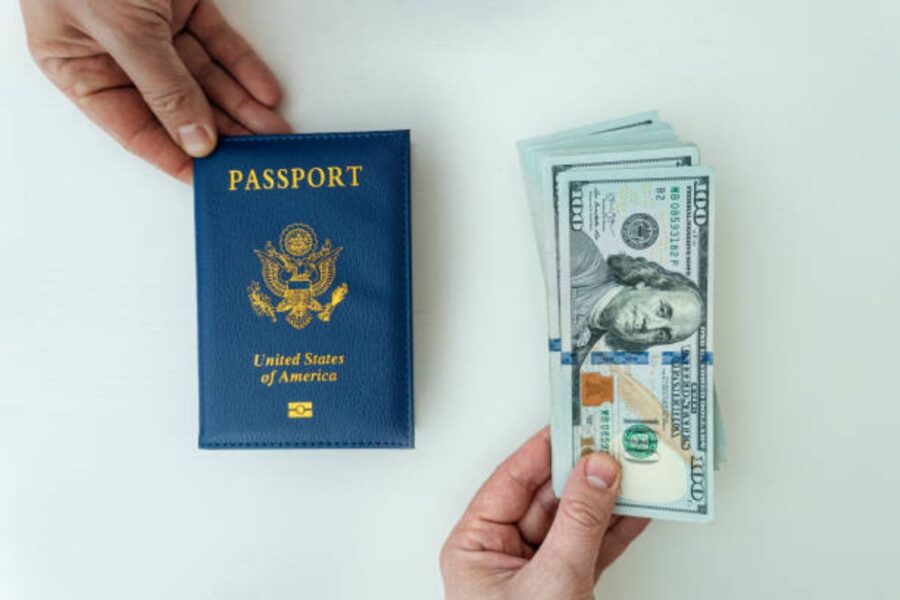
Let’s talk money. Knowing what you’ll pay and when can save you from some nasty surprises. Even if you’ve done this before, the details change more often than you’d think.
Application and Expedited Fees
For adults (16 and up), you’ll pay a passport book fee of $130. Want it faster? Add a $60 expedited fee per passport. Kids under 16 pay $100 for the main fee.
Here’s a simple breakdown:
| Passport Type | Application Fee | Expedite Fee | Total (Expedited) |
|---|---|---|---|
| Adult (16+) | $130 | $60 | $190 |
| Child (under 16) | $100 | $60 | $160 |
If you need overnight mailing, tack on about $21.36 per passport for 1-2 day shipping. Payment options are usually check, money order, or credit card, but follow the rules exactly, or you’ll hit delays.
Understanding Hidden and Additional Costs
The upfront fees aren’t the end of it. Those “optional” extras—overnight shipping, passport photos at the post office, a notary if you mail forms—can add up fast, especially for families.
Set aside a little extra for surprise costs. You might need more copies or a second trip to the post office. If you’re renewing in a rush, consider insurance for unexpected issues—travel insurance options are worth a look.
Always double-check spelling and dates before sending anything. Tiny errors can mean paying all over again if you need a redo.
Passport Validity and Renewal Timing
If your trip is months away, renew now—don’t wait. U.S. passports last 10 years for adults, but just 5 years for kids under 16.
Most countries want your passport to be valid for at least six months after your return. I once had to push back a whole family trip because my son’s passport expired three months after our return. That’s a mess you don’t want.
If you’re renewing as a family, try to sync everyone’s renewals. You’ll dodge the last-minute rush and avoid extra expedited fees. Remember, each passport has its own fees and processing times—no family discounts here. Keep an eye on those dates.
Enhancing Security and Avoiding Common Pitfalls

Protecting your family’s info and making sure those passports arrive on time is huge, especially when you’re in a hurry. It’s wild how many people trip up on tiny details or trust sketchy companies.
Enhanced Security for Expedited Applications
When you send expedited passport applications, security matters more than ever. Your envelope’s packed with sensitive info: full names, birth dates, Social Security numbers—the works.
I always use a trackable mailing service like USPS Priority Express or a reputable courier. (Yeah, I’ve lost sleep over lost forms before. Don’t do that to yourself.)
Keep copies—both digital and paper. If the agency calls for more info, you’ll be glad you did. Never text or email private forms unless you’re sure it’s safe. Hackers are quick.
Recognizing Trustworthy Passport Expediting Companies
Not all expediters are created equal. Some are lifesavers, but plenty are just looking to cash in and vanish. If a site’s loaded with typos, hides its fees, or just feels “off,” trust your gut.
Check if the company is listed with the Better Business Bureau and has real contact info. I call their phone numbers myself—if they dodge calls now, they’ll ghost you later.
Read reviews outside their website. Third-party sites are gold for spotting scams. And don’t believe any third-party expediter claiming to be “partnered” with the government—it’s just not a thing.
Quick checklist before you trust a company:
- Real office location, phone/email
- Clear fee breakdown
- Positive reviews from independent sources
- Transparent privacy policy
Common Mistakes and How to Avoid Them
I’ll admit it: I’ve botched a passport form or deadline more than once. The most common mistakes? Missing birth certificates, unsigned forms, or outdated photos. And don’t use white-out, scribbles, or blue ink—those will send your application straight to the reject pile.
Double-check the checklist before you send anything. For families, remember that kids under 16 have different rules—usually, both parents need to sign and show up.
Don’t get tripped up by processing times, either. “Expedited” isn’t always instant; unless you go in person for a true emergency, it still takes a couple of weeks. Don’t buy last-minute flights until you physically have every passport, no matter what a service promises. Learned that one the hard way.
Hang onto your receipts, tracking numbers, and—honestly—a sense of humor. If you stay persistent and organized, you’ll be on that plane soon enough. And hey, maybe you’ll dodge a few of my mistakes along the way.
See Related: How to Handle Lost Passport Abroad: Expert Steps to Regain Control Quickly
Frequently Asked Questions
Families trying to renew passports fast have a lot to juggle—paperwork, fees, and sometimes wild logistics. Knowing what to expect for processing times, costs, and kid-specific rules makes the whole process way less stressful.
What are the current processing times for expedited passport renewals?
Expedited service usually takes about 2-3 weeks. That’s a pretty big improvement over the 6-8 weeks you’d wait for normal processing.
If you’re in a real pinch—like, a genuine emergency—you might snag an even faster turnaround at a passport agency. But honestly, that’s rare, so don’t count on it unless you’ve got a compelling reason.
Can I renew my family’s passports together in an expedited manner, and if so, how?
You can renew everyone’s passports at once, but here’s the catch: each person needs their application. There’s no magical “family form” or group discount, which, frankly, still bugs me after all these years.
Send in all the applications together by mail, or book a single group appointment at a passport agency if you’re racing the clock.
What is the cost breakdown for expediting the renewal of a passport?
You’ll pay the usual renewal fee per passport, plus an extra $60 per application for expedited processing. Want overnight delivery for the finished passports? That’s another $21.36 each.
For a family of four, those extra costs sneak up fast. Plan, or you’ll be standing at the post office wondering where your vacation fund went.
What documents are required to renew a passport for my whole family at once?
Every family member needs their own DS-82 or DS-11 form, their current passport, a fresh photo, and whatever supporting ID applies. For kids under 16, you’ll also need proof of parental relationship and consent from both parents.
Honestly, keeping all that paperwork together is the real challenge—sticky notes, folders, whatever it takes. I’ve seen even seasoned travelers get tripped up by this part.
Are there any special considerations for expediting passport renewals for minors?
Definitely. For children under 16, both parents need to show up in person (or provide signed consent), and you have to use Form DS-11—no sneaking by with the mail-in form.
Minors can’t use the mail-in renewal. This rule catches parents off guard all the time, so highlight it on your checklist and save yourself some stress.
How can I locate the closest passport agency that offers expedited renewals?
You’ll find a locator tool for passport agencies on the State Department’s website. It’s honestly not the sleekest interface, but if you enter your ZIP code, it’ll spit out a list of offices in your area.
Don’t expect to just stroll in, though. You need to call ahead and snag an appointment.
I can’t stress this enough: book as early as you can. Those appointment slots vanish fast, especially if it’s close to spring break or summer vacation.
One more thing—sometimes, a lesser-known agency a bit farther out has more availability. It’s worth checking a wider radius if you’re in a rush.
Book Your Dream Experience
More Travel Guides
Related Posts