
Last modified May 6, 2025
Nordic capitals Stockholm and Reykjavik both offer unique charms for travelers seeking northern adventures. These cities showcase distinct personalities – Stockholm with its royal elegance and island-dotted harbor, Reykjavik with its colorful buildings and otherworldly landscapes nearby.
Living costs run about 46% higher in Reykjavik compared to Stockholm, with groceries costing around 35% more in the Icelandic capital. The weather sets these cities apart too – Stockholm sees more winter sunshine with 40 hours compared to Reykjavik’s 27 hours in the coldest months.
Stockholm’s larger size brings more job options and urban amenities, with 1.3 million residents to Reykjavik’s 120,000. Yet Reykjavik’s compact center makes it easy to explore on foot while accessing Iceland’s natural wonders just outside the city limits.
Geographical Overview
Stockholm and Reykjavik sit in dramatically different locations, shaped by unique landscapes and distinct weather patterns that create vastly different experiences for visitors.
Location and Climate

Stockholm spreads across 14 islands on Sweden’s southeast coast, blending city life with water at every turn. The city enjoys four distinct seasons with mild summers reaching 20-25°C (68-77°F) and cold winters dropping to -5°C (23°F). Snow blankets the city from December through March.
Reykjavik sits on Iceland’s southwest coast, making it the world’s northernmost capital. The city sees wild weather swings throughout the year. Winter temperatures hover around 0°C (32°F), while summer days stay cool at 10-15°C (50-59°F). Daylight varies extremely – from 4 hours in winter to 21 hours in summer.
Landscapes and Natural Beauty
Stockholm’s archipelago creates a stunning mix of urban islands connected by 57 bridges. Parks and green spaces make up 30% of the city area. The clean Baltic waters flow between islands, letting boats zip through the heart of town.
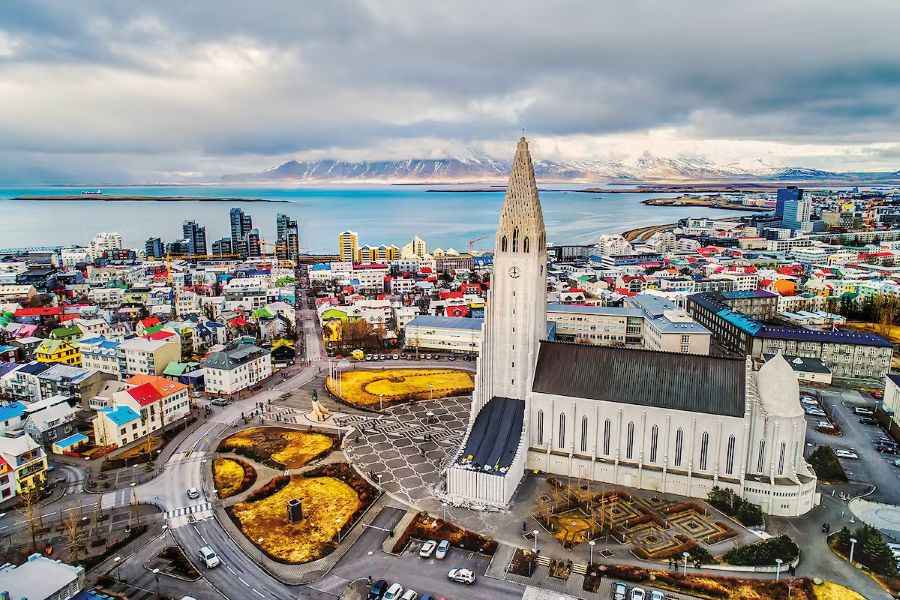
Reykjavik’s backdrop includes snow-capped mountains and rugged volcanic terrain. The city sits near active geothermal areas with hot springs and steam vents. Mount Esja towers over the city at 914 meters, offering amazing hiking trails and views. The cold North Atlantic shapes the coastline with black sand beaches and dramatic cliffs.
The pristine harbor waters reflect the colorful buildings along Reykjavik’s shore. Thermal pools and spas dot the city thanks to its rich geothermal resources. During winter months, the Northern Lights often dance above both cities, creating magical night skies.
Cost of Living Analysis
Living costs differ significantly between these Nordic capitals. Reykjavik ranks as the more expensive city, with prices averaging 46% higher than Stockholm across most categories.
Housing and Utilities
Rent prices in Reykjavik put a bigger dent in your wallet. A one-bedroom apartment in the city center costs about 35% more than similar housing in Stockholm.
Monthly utilities like heating, electricity, and water run steep in both cities. The long, dark winters mean high energy usage. Stockholm’s efficient district heating helps keep costs lower than Reykjavik’s geothermal system.
Internet service costs less in Stockholm, with faster average speeds. Basic monthly packages start around 300 SEK ($29), while Reykjavik residents pay closer to 8000 ISK ($58).
Everyday Expenses
Grocery shopping hits harder in Reykjavik. Basic items like milk, bread, and produce cost 25-40% more than Stockholm prices.
Public transport offers better value in Stockholm. A monthly pass costs around 960 SEK ($92), compared to 17,300 ISK ($126) in Reykjavik.
Coffee shops and casual dining spots charge premium prices in both cities. A basic lunch costs about 2500 ISK ($18) in Reykjavik versus 125 SEK ($12) in Stockholm.
Leisure and Entertainment
Movie tickets run cheaper in Stockholm at 150 SEK ($14), while Reykjavik theaters charge around 2200 ISK ($16).
Both cities offer amazing free outdoor activities. Stockholm’s extensive parks and museums often have no entry fee.
A night out costs more in Reykjavik. Drinks at bars average 1500 ISK ($11) compared to 85 SEK ($8) in Stockholm. Restaurant meals for two can easily hit 15,000 ISK ($110) in Reykjavik versus 800 SEK ($77) in Stockholm.
Cultural and Lifestyle Comparison
Both cities showcase unique Nordic cultures, yet they express them in distinct ways through food, traditions, and daily life.
Local Customs and Traditions

Stockholm takes pride in its strong cafe culture. The Swedish concept of fika – coffee breaks with pastries – brings people together throughout the day. People often meet friends at cozy cafes during the dark winter months.
The midnight sun shapes life in Reykjavik during summer, when locals stay active late into the night. In winter, Icelanders gather at thermal pools for warmth and socializing. These geothermal baths serve as community hubs.
Stockholm celebrates Midsummer with flower crowns and traditional dances around the maypole. Reykjavik has its own quirks, like the belief in hidden elves and trolls that influences city planning and construction.
Culinary Scene

Stockholm’s food scene mixes traditional Nordic ingredients with modern cooking. Smörgåsbord buffets feature pickled herring, meatballs, and gravlax. The city hosts many Michelin-starred restaurants.
Reykjavik’s cuisine centers on fresh seafood and lamb. Traditional foods include hákarl (fermented shark) and skyr (yogurt-like dairy). The hot dog stands are famous local institutions.
Both cities embrace New Nordic Cuisine, using local ingredients in creative ways. Food markets like Stockholm’s Östermalm Food Hall and Reykjavik’s Grandi Food Hall showcase regional specialties.
Sports and Outdoor Activities

Stockholmers love spending time in nature. Cycling paths crisscross the city, and residents often kayak between islands or go hiking in nearby forests.
Swimming is big in Reykjavik, thanks to the geothermal pools. Locals visit them year-round for exercise and socializing. Hiking trails start right from the city center.
Winter brings ice skating to Stockholm’s frozen lakes. In Reykjavik, people ski at the nearby Mount Esja. Both cities have strong soccer cultures, with passionate fans supporting local teams.
Transportation Infrastructure
Stockholm and Reykjavik offer distinct transportation systems that shape how people move around these Nordic capitals. The cities have invested differently in their transit networks based on population needs and geography.
Public Transit Systems

Stockholm’s extensive public transport network includes buses, trains, trams, and a metro system that serves both locals and visitors. The metro, known as the Tunnelbana, connects major parts of the city with frequent service throughout the day. Buses and commuter trains reach further into suburban areas.
Reykjavik has a simpler transit setup that relies mainly on bus services running through the capital region. The network serves about 250,000 people in the greater Reykjavik area. Yellow city buses are the backbone of public transport.
Accessibility for Travelers

Stockholm makes it easy for tourists to get around. The SL Access card works on all forms of public transport. Stations have clear signs in Swedish and English. Many transport hubs connect directly to popular tourist spots.
Reykjavik’s smaller size means shorter travel times between attractions. Taxis are readily available but can be expensive. The bus system might take some getting used to for visitors, but routes cover main tourist areas.
Both cities offer transport apps that help plan trips. Stockholm’s system runs more frequently and later into the night. Reykjavik’s buses typically end service earlier in the evening.
What cultural experiences are unique to Reykjavik when compared to Stockholm?
Reykjavik offers close connections to Icelandic folklore and traditions through its museums and festivals.
The city’s proximity to natural wonders like geothermal springs and the Northern Lights creates distinctive cultural activities.
Local food culture in Reykjavik centers on seafood and traditional preserved items, while Stockholm’s scene is more internationally diverse.