Évora vs Cáceres: 7 Essential Comparisons for Smart Travelers
Updated September 4, 2025
Trying to pick between Évora in Portugal and Cáceres in Spain? Yeah, it’s not a simple choice. Honestly, it depends on what kind of adventure you’re after. If you want elegant Roman ruins, sun-bleached streets, and a laid-back pace, Évora serves up that timeless vibe. If you’re craving medieval walls, buzzing tapas bars, and a bigger city energy, Cáceres is your spot. Both make UNESCO’s list, both ooze history, yet the mood on their streets couldn’t be more different.
You can drive the 190 km in about two hours, so they’re close enough for a side-by-side comparison. I’ve done that drive—coffee in Évora, jamón for lunch in Cáceres. The landscape shifts, the flavors change, and honestly, even the air feels different.
Table of Contents
- Key Takeaways
- Location and Accessibility
- Geographical Setting
- Travel Distance and Routes
- Border Crossing Tips
- Transportation Options
- Train Connections
- Bus Services
- Driving Between Cities
- Historic Significance
- UNESCO World Heritage Status
- Key Historical Landmarks
- Architectural Highlights
- Medieval and Roman Influences
- Unique Cityscapes
- Cultural Experiences
- Local Festivals and Traditions
- Museums and Galleries
- Gastronomy and Dining
- Regional Specialties
- Recommended Restaurants
- Travel Tips and Insider Insights
- Best Times to Visit
- Hidden Gems
- Frequently Asked Questions
- What unique cultural experiences can travelers expect when visiting either Évora or Cáceres?
- Can you highlight the architectural differences between Évora’s and Cáceres’ historical sites?
- What are the must-try local dishes for food enthusiasts in Évora and Cáceres?
- Could you advise on the best times of year to visit Évora and Cáceres for weather and local events?
- What are some hidden gems for accommodation in both Évora and Cáceres that offer an authentic experience?
- How do Évora and Cáceres cater to travelers seeking outdoor activities and nature exploration?
- Book Your Dream Experience
- More Travel Guides
Key Takeaways
- Évora charms with Roman ruins and peaceful lanes
- Cáceres impresses with medieval walls and a lively food scene
- They’re just a two-hour trip apart—easy to see both
Location and Accessibility
Évora and Cáceres may sit in different countries, but they’re close enough for one trip. Both are tucked inland, away from the coasts, so you won’t get the tourist crowds you find in Lisbon or Madrid. Still, they’re easy to reach by car, bus, or even train if you’re patient.
Geographical Setting
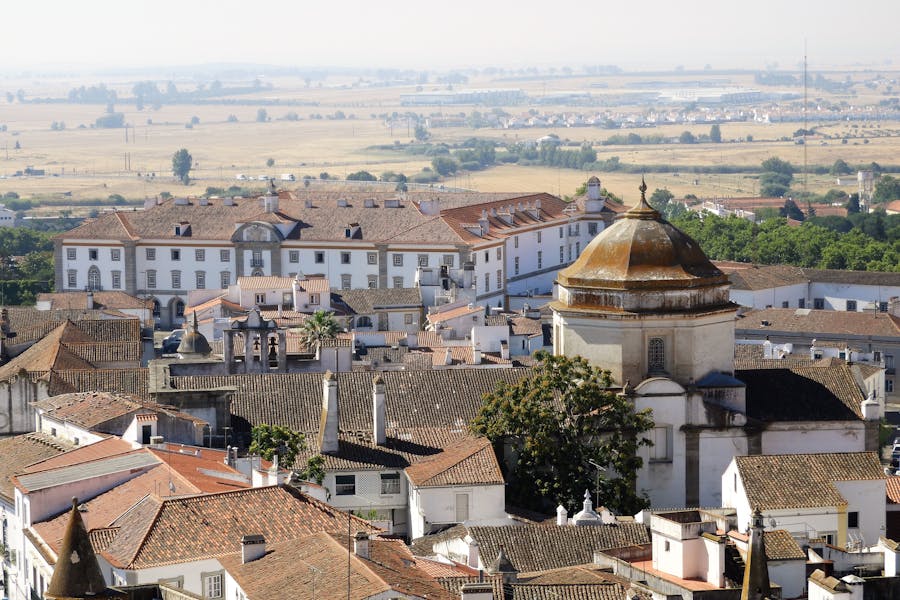
Évora sits in Portugal’s Alentejo region, smack in the southern half of the country. As you drive in, you’ll see rolling plains, cork oaks, and vineyards. The city feels compact, with the Roman Temple and cathedral right at the center.
Cáceres, meanwhile, is perched in Spain’s Extremadura region. The land gets hillier, and the old town is a stone labyrinth of walls, towers, and palaces. The difference hits you fast—Évora leans Mediterranean, Cáceres brings fortress vibes.
You won’t fly into either city directly. Most people come through Lisbon, Madrid, or Seville, then head inland. That’s part of the allure—these places feel preserved, a little off the main drag, and way less hurried.
Travel Distance and Routes
The drive from Évora to Cáceres clocks in at about 236 km (147 miles), usually just over two hours if traffic’s on your side. The main roads are smooth, so the drive doesn’t stress you out. Personally, I can’t resist a detour or two.
Some classic stops? Mérida for its Roman theater, Trujillo with its conquistador tales and castle, and Badajoz on the border—worth a peek for its Moorish fortress. Here’s a handy Evora to Caceres drive guide if you want the full list.
Not a driver? Buses run between the cities too. FlixBus makes it affordable and pretty comfy, though it’ll take a bit longer. Trains? Eh, not ideal for this route—stick with wheels on the ground.
Border Crossing Tips
Since Portugal and Spain both sit in the Schengen Area, you can usually just roll across the border—no checks, no drama. Still, I always keep my passport handy because, well, you never know when they’ll decide to do a random check.
If you’re renting a car in Portugal and planning to cross into Spain, double-check with your rental company. Some charge a cross-border fee, others don’t. I’ve been surprised before, so it’s worth asking.
One thing to watch: Portugal uses electronic tolls on certain highways. If your rental has a toll device, you’re golden. If not, you’ll need to register your plate or grab a prepaid card. Once you hit Spain, the toll system around Cáceres is simpler—no gadgets required.
Transportation Options
Getting between Évora and Cáceres isn’t rocket science, but you’ll want to plan ahead. The cities are only about 190 km apart, but the transport links aren’t exactly seamless. You’ve got train, bus, or car—each with its own quirks.
Train Connections
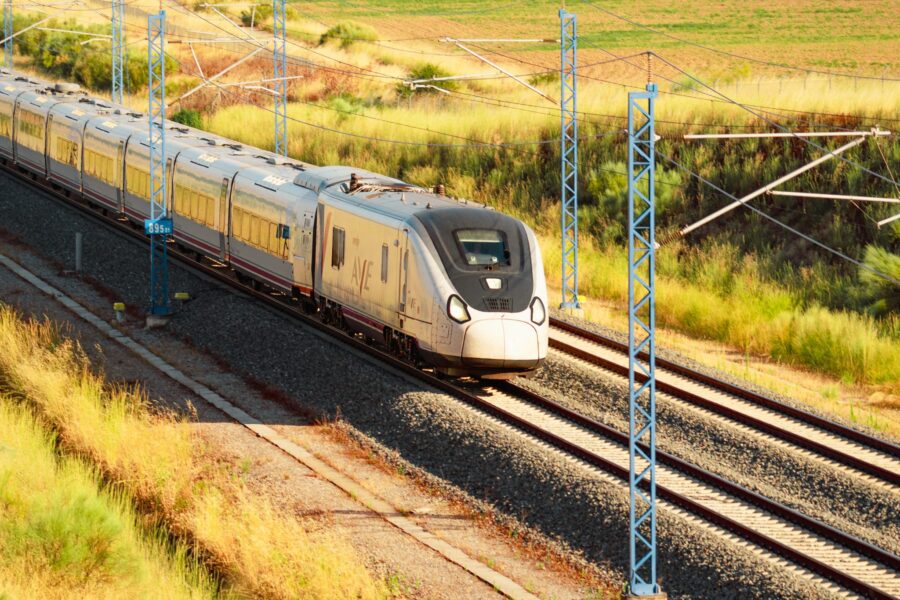
Trains between Évora and Cáceres? They exist, but don’t expect speed or convenience. Usually, you’ll have to change in Badajoz or another regional town since there’s no direct line. That means waiting around for connections, and the schedules can be, well, unpredictable.
If you’re into slow travel, though, the train has its charm. The ride from Évora through Alentejo rolls past cork trees and sleepy villages. Cross into Spain, and the hills of Extremadura take over.
Tickets are pretty cheap—sometimes just a few euros if you book through rail travel planners. The catch? The trip can stretch out to 5 or 6 hours, depending on connections. It’s not for the impatient, but if you’d rather relax and watch the scenery, it works.
Bus Services

Buses are usually the most practical way to hop between Évora and Cáceres. Several companies run this route, and it takes about 3 to 4 hours. Unlike the train, you’ll often get a direct ride—no need to transfer.
Tickets start around €15 one way. FlixBus lets you book online, and they’re great about accommodating wheelchairs and mobility aids. That makes life a lot easier for some travelers.
Onboard? You get Wi-Fi, air con, maybe a charging port if you’re lucky. I’ve taken the bus—it’s not glamorous, but it does the job. If you’re watching your budget and want something straightforward, this is your best bet.
Driving Between Cities
Driving is by far the quickest and most flexible option. Évora to Cáceres is about 191 km, and if you hit the road early, you’ll be there in just over two hours. Roads are in great shape, and the view is half the fun.
Renting a car lets you pull over in places like Estremoz or Elvas—little towns that are absolutely packed with history and charm. That’s something buses and trains just can’t offer. If you don’t have your own wheels, you can always rent one online before you go.
Fuel and tolls aren’t outrageous, especially if you’re splitting costs. I’ve done this drive a couple of times, and honestly, it feels like a road trip worth taking. If you love the open road, don’t think twice.
Historic Significance
Both Évora and Cáceres are basically time capsules. You can actually touch the layers of history—Roman columns, Moorish arches, medieval walls. The stories are right there in the stones and streets.
UNESCO World Heritage Status
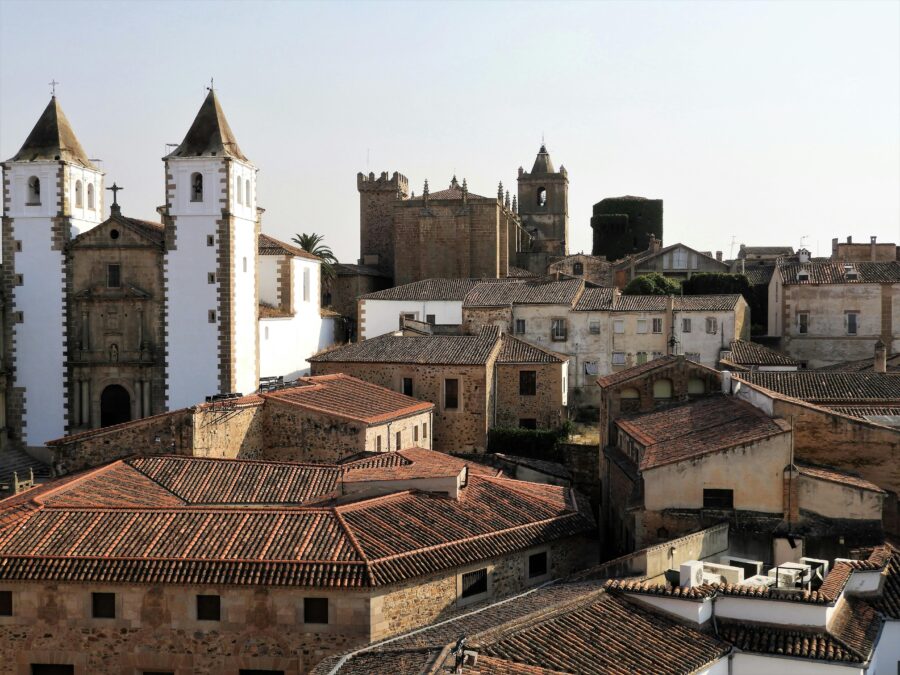
Évora snagged UNESCO status in 1986, thanks to its beautifully preserved old town. Roman, Moorish, and medieval touches all blend together. You’ll spot azulejo tiles on the houses, and the old Roman wall still stands guard. The vibe? It’s like a living museum, but with a laid-back, rural rhythm.
Cáceres also landed on UNESCO’s list in 1986. The walled city is a tight mix of Roman, Islamic, Gothic, and Renaissance designs. UNESCO points out how its towers and fortress-houses reflect the feuds between noble families from the 14th to 16th centuries. The result? A wild blend of defensive and residential architecture (UNESCO World Heritage Centre).
Strict conservation rules protect both cities, but Cáceres feels like a medieval movie set. Évora, meanwhile, balances its heritage with a lived-in, agricultural soul (Britannica on Évora).
Key Historical Landmarks
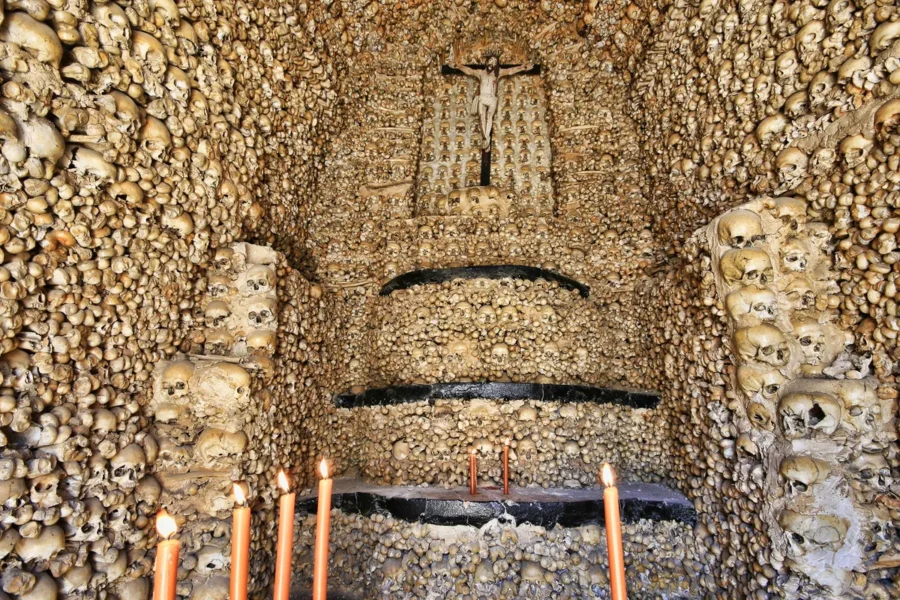
Évora’s Roman Temple of Diana is the classic photo op—those Corinthian columns just tower above the square. The Chapel of Bones is a bit macabre, with walls lined in human skulls and bones. The 12th‑century cathedral is another highlight. I climbed up to the roof once, and the view over the cork oak fields? Unforgettable.
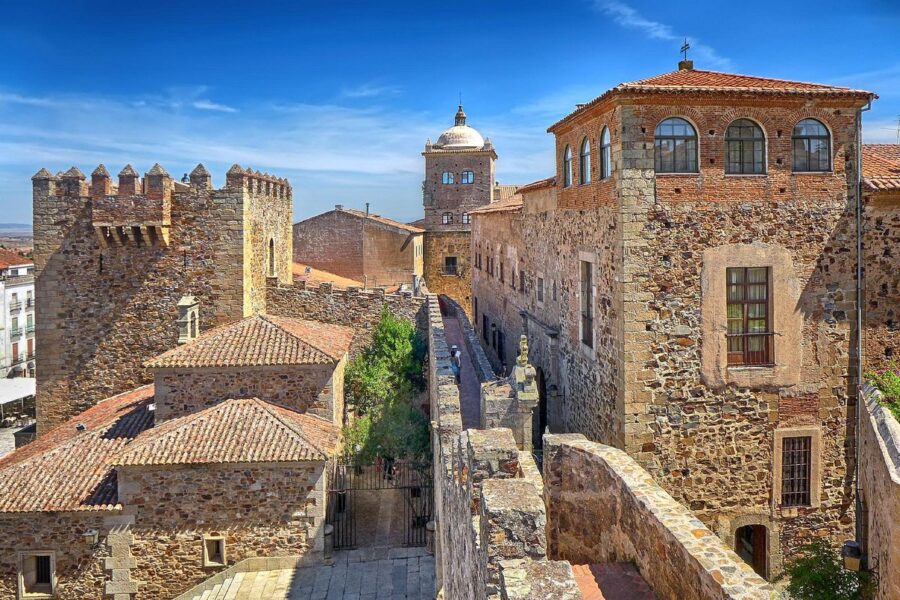
Cáceres is all about its fortified old town. The Torre de Bujaco and Arco de la Estrella welcome you into a maze of narrow stone streets. Inside, you’ll stumble upon palaces and convents—noble families really went all out here. The mix of Renaissance palaces and Moorish towers gives Cáceres a unique, layered look (Old Town of Cáceres – Wikipedia).
If Évora feels like Portugal’s religious and Roman roots on display, Cáceres is more like a battleground where cultures collided and left their scars in stone.
Architectural Highlights
Both cities wear their history on their sleeves, but they show it in completely different ways. One leans into Roman and medieval roots, while the other feels like a living museum of fortress-palaces and cobblestone alleys.
Medieval and Roman Influences
In Évora, you can’t miss the Roman Temple of Diana. It’s right in the city center, and honestly, you just have to stop and take it in. The columns are shockingly well-preserved, a reminder of how important this place was to the Romans.
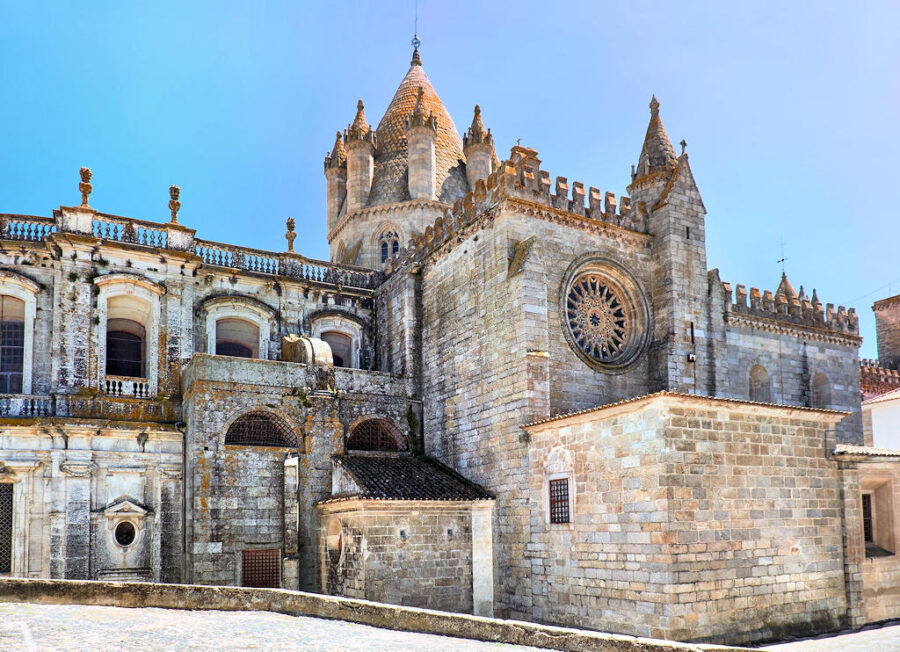
But Évora’s not just about Rome. The Cathedral of Évora stands like a fortress, more defensive than decorative. I remember climbing to the top and looking out over the Alentejo plains—one of those moments you don’t forget.
Cáceres, though, is medieval to its core. The UNESCO-listed old town is packed with towers, fortress-houses, and palaces from the 14th to 16th centuries. You’ll see Roman foundations, sure, but the real magic is in the way Moorish and Christian styles layer over each other.
Take the Bujaco Tower. It started as an Islamic defense, then got a makeover during Christian rule. That mashup is what sets Cáceres apart from Évora, which feels more classically Roman at heart.
Unique Cityscapes
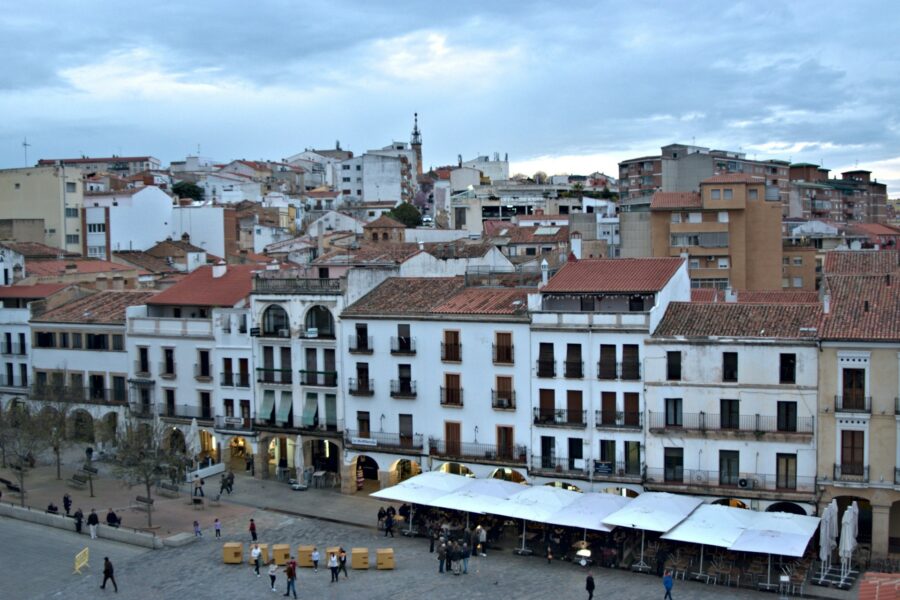
Strolling through Évora, you’ll feel the openness right away. Whitewashed houses trimmed in yellow bounce the Alentejo sunlight back at you, and those tiled façades pop up everywhere if you keep your eyes open.
The streets? They’re wide enough that you never feel boxed in. Praça do Giraldo is where most people end up, coffee in hand, watching the world go by—honestly, it’s tough not to linger there.
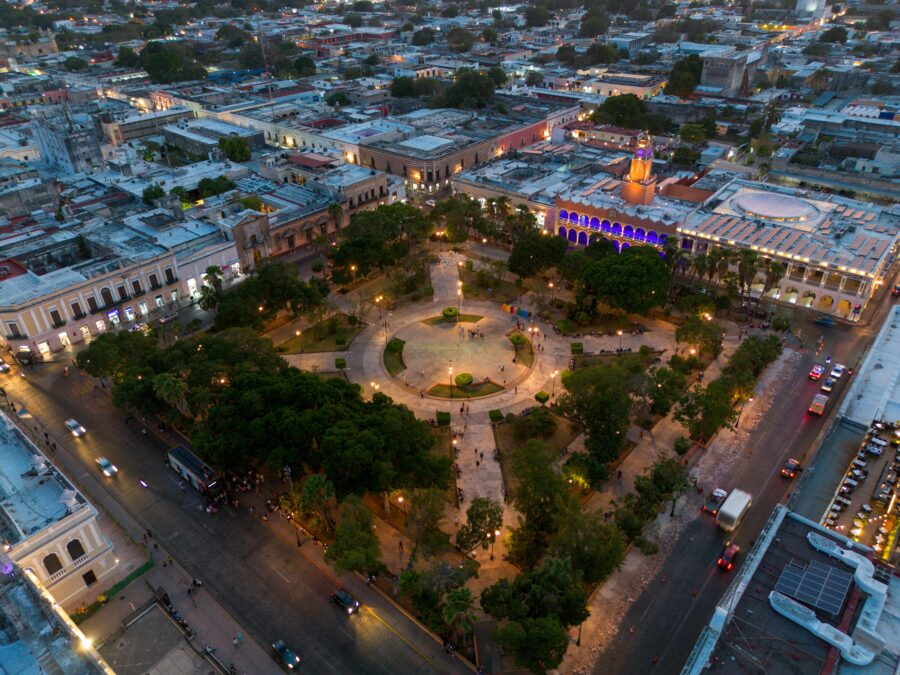
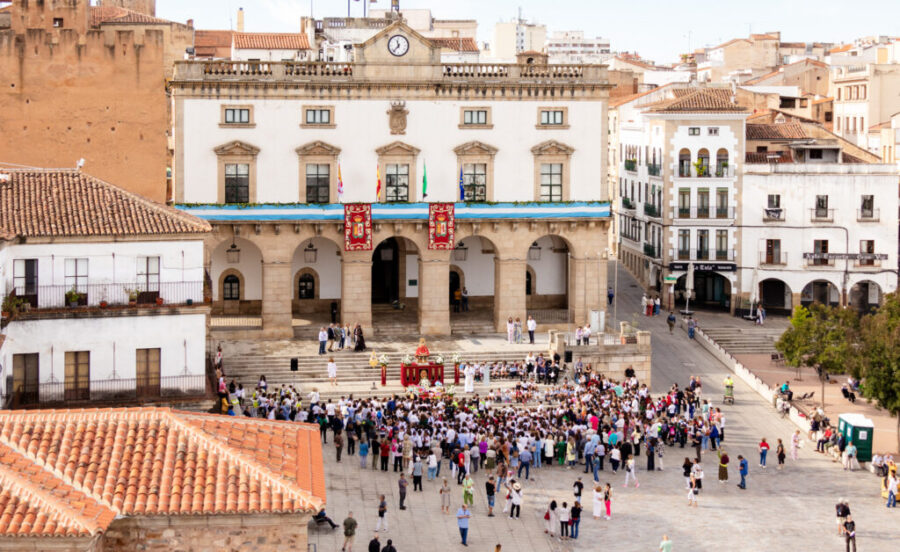
Cáceres flips the script. Once you step inside the walls, the streets tighten up, twisting and winding in a way that feels almost secretive. Stone palaces loom overhead, and the whole place feels like you’ve wandered onto a medieval movie set—except it’s real, and people still call it home.
The Plaza Mayor sits at the city’s core, framed by towers like the Bujaco Tower and watched over by the Concatedral de Santa María.
What always gets me in Cáceres is the hush that falls at night. The old town empties, and you can wander those cobbled streets almost completely alone, your footsteps echoing off ancient stone.
Évora, though, wakes up after dark. The student crowd keeps things lively, and there’s just a younger buzz in the air.
If you put the two side by side, Évora feels airy and Mediterranean, while Cáceres is all about stone and fortifications. Both are stunning, but the atmosphere shifts wildly depending on where you stand.
Cultural Experiences
Évora and Cáceres both pull you in with their deep roots and living traditions. You’ll stumble across centuries-old festivals in the streets, and the museums and galleries here really hold some of the most important collections in Portugal and Spain.
Local Festivals and Traditions

Évora goes all out in summer, mixing music, food, and religious celebrations. The Feira de São João stands out—a fair packed with concerts, crafts, and classic Alentejo flavors.
You’ll catch smaller festivals too, where locals parade and folk dance in honor of their saints.
Cáceres brings its own flair with the famous Festival of the Womad, turning the old town into a world music and food paradise. The Holy Week processions here are something else—candlelit streets, ancient brotherhoods, and a real sense of tradition.
If you like planning ahead, you can book activities tied to these festivals. That way, you don’t miss out on the best walks, tastings, or shows.
Neither city fakes their traditions. You’ll feel like you’re part of something that’s been lived, not staged, for generations.
Museums and Galleries
In Évora, don’t skip the Museum of Évora. Roman relics, medieval art, religious treasures—they’ve packed it all into a former bishop’s palace.
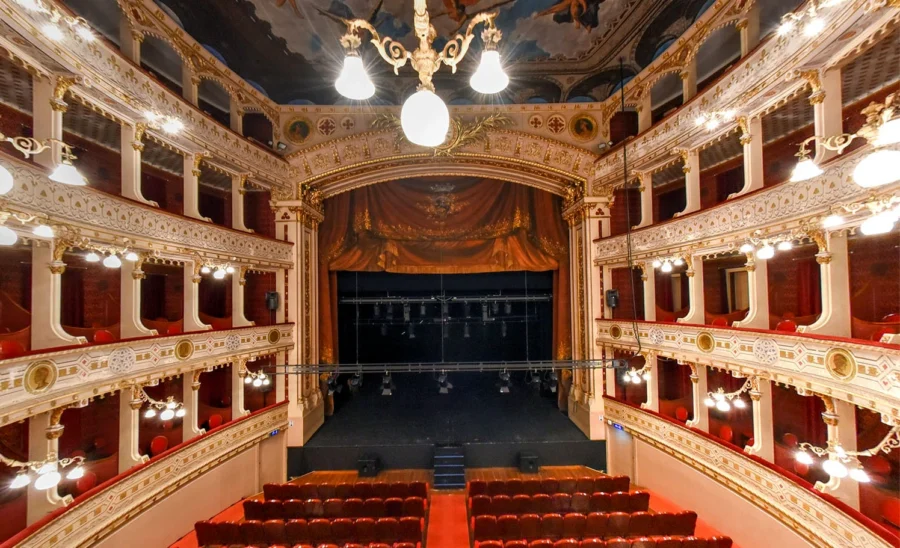
You’ll also find smaller spots like the Garcia de Resende Theater, which doubles as a cultural hub.
Cáceres offers a different vibe. The Museo de Cáceres mixes archaeology with fine art inside a Renaissance palace.
Contemporary galleries hide out in historic buildings, and that contrast just makes everything more interesting.
If you’re curious, guided city tours often bundle museum visits with walks through Roman ruins or Moorish quarters. That’s where you start connecting the dots between the objects inside and the streets outside.
Both cities juggle old and new. Ancient collections meet modern exhibitions, reminding you these places are still very much alive.
Gastronomy and Dining
Food in Évora and Cáceres? It’s a direct reflection of the land—rolling fields, olive groves, and layers of history. Both cities lean into rustic, hearty meals, but each brings its own flavor, whether it’s Portuguese olive oil or Spanish paprika.
Regional Specialties
Évora’s dishes highlight the Alentejo’s farming roots. Bread is everywhere, often starring in açorda alentejana—a garlicky, coriander-packed soup thickened with hunks of rustic bread.
Locals love their black pork, lamb stews, and olive oil from just outside town. Even a simple tomato soup tastes richer when you pair it with local wine.
Cáceres, just over the border, goes bold with Extremadura’s flavors. Traditional migas—fried breadcrumbs with garlic and pork—pop up on most menus.
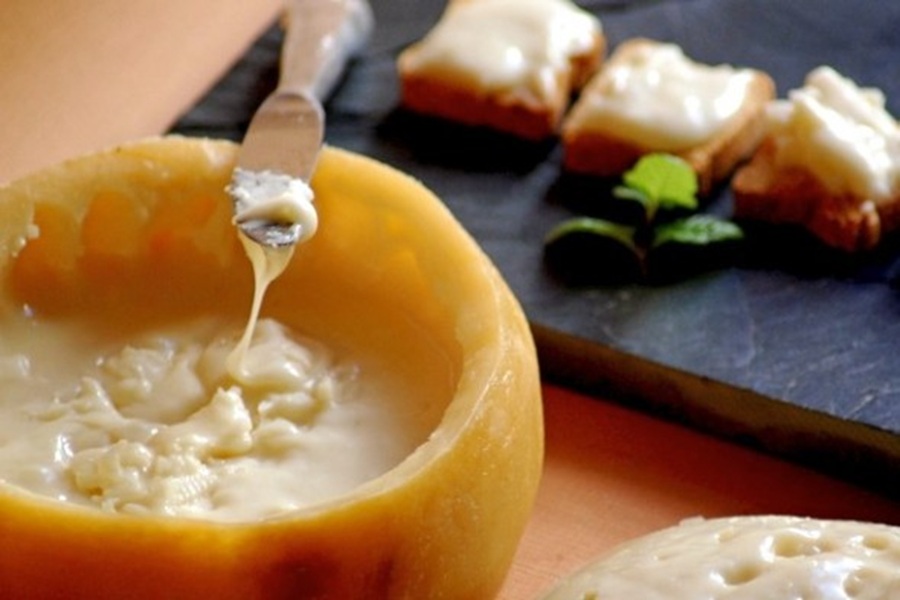
You’ll spot torta del Casar, a creamy sheep’s cheese, and game meats like venison and partridge, a nod to the region’s hunting culture.
Wine plays a big role in both cities, but in different ways. Évora’s all about smooth Alentejo reds, while Cáceres champions Extremadura’s earthy, lesser-known bottles.
If you’re into cured meats, Cáceres wins with Iberian ham from the local Dehesa pastures.
Recommended Restaurants
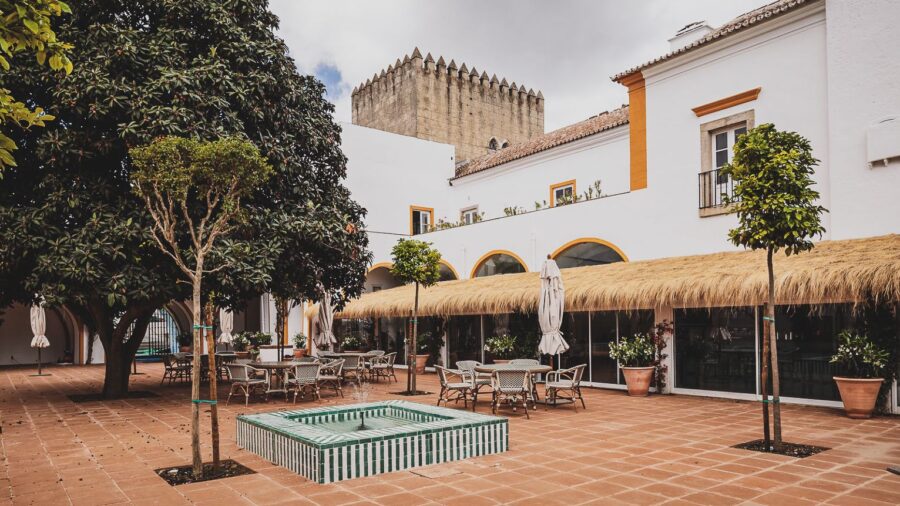
If you want Évora’s modern side, check out Cavalarica Évora inside the Palace of the Dukes of Cadaval. The lamb empanadas with seaweed chimichurri? Still thinking about them.
For tradition, Dom Joaquim serves up black pork with a chef’s touch.
In Cáceres, fine dining stands tall. Atrio, with its two Michelin stars, is probably the city’s best-known spot, using Extremaduran ingredients in creative ways.
Prefer something cozier? The taverns around Plaza Mayor serve migas and torta del Casar with local wine—no frills, just flavor.
If you like blending old and new, Origens in Évora focuses on sustainable Alentejo produce. In Cáceres, those little eateries tucked away from the crowds often feel like you’ve stepped into someone’s kitchen.
Honestly, wandering off the main streets usually leads to the best food in both cities.
Travel Tips and Insider Insights
Évora and Cáceres really reward travelers who slow down. Timing matters more than you’d expect, and those little choices—like which alley you duck into—shape your trip just as much as the big sights.
Best Times to Visit
Try to dodge the summer peak. Évora’s heat in July and August can sap your energy fast. Spring and early fall? Much better—mild, fewer crowds, and the evenings are perfect for outdoor café dinners.
I visited once in late September, and those cool evenings were just right for wandering.
Cáceres runs on a similar schedule, but winters get a bit cooler. December mornings are crisp, and the medieval plazas feel extra magical without the tourist crowds.
If you’re booking overnights, it’s easy to compare hotels in both cities to fit your style and budget.
One thing—both towns are super walkable. Bring comfy shoes. If you’ve got extra bags, stash them in luggage storage near the station instead of dragging them over cobbles. Your feet will thank you.
Hidden Gems
Évora draws most people to the Roman Temple and Chapel of Bones. But if you wander, you’ll stumble into quiet courtyards, tiny wine bars, and even workshops where artisans still work with cork.
I once found a family-run tasca serving hearty migas—never saw it in a guidebook, but it’s still one of my favorite meals anywhere in Portugal.
Cáceres hides its best bits in plain sight. The old town’s narrow lanes reveal tiny chapels and balconies overflowing with flowers.
Step into the Museo de Cáceres for a quick, fascinating look at Roman artifacts—most people just walk by. If you’re into birdwatching, the Extremadura countryside nearby is a total hidden gem.
A small tip: pack a few trusty pieces of travel gear like a daypack or refillable water bottle. You’ll be glad you did when you’re climbing up staircases or hitting those countryside trails.
Frequently Asked Questions
Évora and Cáceres really delight travelers who love history, food, and a good dose of local tradition. You’ll spot big contrasts in architecture, cuisine, and how each city connects with its landscape.
What unique cultural experiences can travelers expect when visiting either Évora or Cáceres?
In Évora, you’ll literally stumble across Roman ruins right in the heart of town, plus the Chapel of Bones—which is both eerie and fascinating. I remember standing there, honestly a bit unsettled but totally hooked.
Cáceres feels like you’ve stepped into a medieval movie. The old quarter’s so well preserved, you half expect a knight to show up out of nowhere.
Can you highlight the architectural differences between Évora’s and Cáceres’ historical sites?
Évora’s architecture leans hard into Roman and Gothic vibes. The Roman Temple is a showstopper, and the aqueduct weaving through town is unexpectedly photogenic.
Cáceres is all about medieval and Renaissance drama. Stone palaces and fortified towers dominate, and those narrow streets really do feel like time travel.
What are the must-try local dishes for food enthusiasts in Évora and Cáceres?
In Évora, don’t skip “açorda alentejana”—it’s a simple bread and garlic soup, but trust me, it’s way tastier than it sounds. Black pork is a must, too. Unforgettable.
Cáceres is a dream for cured meat lovers. The jamón ibérico is world-class, and “migas”—that rustic mix of breadcrumbs, garlic, and pork—is comfort food at its best.
Could you advise on the best times of year to visit Évora and Cáceres for weather and local events?
Spring and fall are the sweet spots. The weather’s just right, and festivals bring the towns to life.
I once landed in Évora in May and just happened into a street festival—music, food, dancing everywhere.
Cáceres really shines in April during its Medieval Festival. The old quarter fills with costumes, markets, and performances. Summer gets hot, so plan ahead.
In Évora, those little guesthouses tucked inside old mansions feel way more personal than the big hotels. I stayed in one with a courtyard full of orange trees—it felt like visiting family.
Cáceres has “casas rurales” just outside the city walls. They’re rustic, peaceful, and perfect if you want to slow down after a day of exploring.
How do Évora and Cáceres cater to travelers seeking outdoor activities and nature exploration?
Évora calls the Alentejo region of Portugal home, so you’re surrounded by rolling plains, endless vineyards, and those iconic cork forests. Want to bike from one sleepy village to the next? Go for it.
Or maybe you’d rather sip wine at a countryside estate while the sun sets—because honestly, who wouldn’t?
Cáceres, on the other hand, sits just a short drive from Monfragüe National Park. Birdwatchers practically flock here, hoping to spot rare eagles.
But even if birds aren’t your thing, the hiking trails and wild scenery will absolutely win you over.