
Last modified August 17, 2026
There’s just something about Morocco—the colors, the call to prayer, the maze-like souks. If you want to feel less like a tourist and more like you belong, even just a little, knowing a few basics about etiquette makes a world of difference. Tiny gestures—like greeting people the right way, dressing thoughtfully, or asking before you snap a photo—show you respect Moroccan culture and open doors you’d never expect.
You don’t need to cram for a test, but locals genuinely notice when you try. Whether you’re sipping mint tea, weaving through the medina, or—trust me, it happens—getting invited to someone’s home, knowing how to blend in can turn a regular trip into something you’ll never forget.
Even a simple smile and a “salaam alaikum” can change the whole vibe of an encounter.
Key Takeaways
- Respect local customs in your daily interactions
- Dress modestly, especially when dining or visiting homes
- Be polite, patient, and open to local traditions
Greetings and Social Interactions
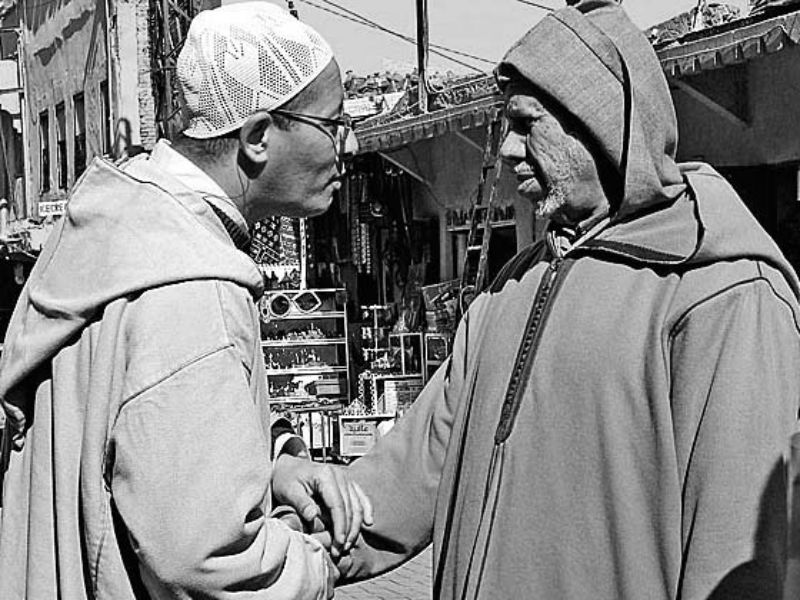
How you greet people in Morocco really matters. A warm greeting or a handshake can break the ice and start things off on the right foot.
Common Moroccan Greetings
Most Moroccans say “Salam alaikum”—it means “peace be upon you.” If you want to make a good impression, use it. People usually reply, “Wa alaikum salam,” meaning “and peace be upon you too.”
In bigger cities, you’ll sometimes hear a casual “bonjour” or even “hi” from younger folks, but honestly, salam alaikum always works. It’s a small effort that gets big results.
If someone greets you first, match their energy. Moroccans often exchange a few kind words before getting down to business—even at a tiny shop. Don’t rush. That little pause is part of the culture.
Handshake Etiquette
Handshakes in Morocco feel different—softer, often with a nod or a hand over the heart after. That little gesture means a lot.
If you meet someone older or you’re in a formal setting, treat the handshake with extra care. Men and women don’t always shake hands, especially in rural areas or traditional families. If a woman hesitates, just smile and nod—no awkwardness needed.
You might see friends touch cheeks after a handshake or go in for a quick cheek kiss. If you’re not sure what to do, stick with the handshake and let your host guide things.
Politeness and Respect in Daily Life
Moroccans value politeness—really, it’s everywhere. You’ll hear shukran (thank you) and afak (please) all the time. Sprinkle these into your chats and you’ll notice doors open.
Respect shows in your tone, body language, and how you listen. Keep your voice down in public, relax your hands, and never interrupt—especially if someone’s older. That’s a big one.
I once interrupted a vendor in a market, and you could feel the mood shift. Even small things, like giving up your seat or waiting your turn, go a long way. Show patience and real interest, and Moroccans will almost always meet you halfway.
Dress Code and Modesty
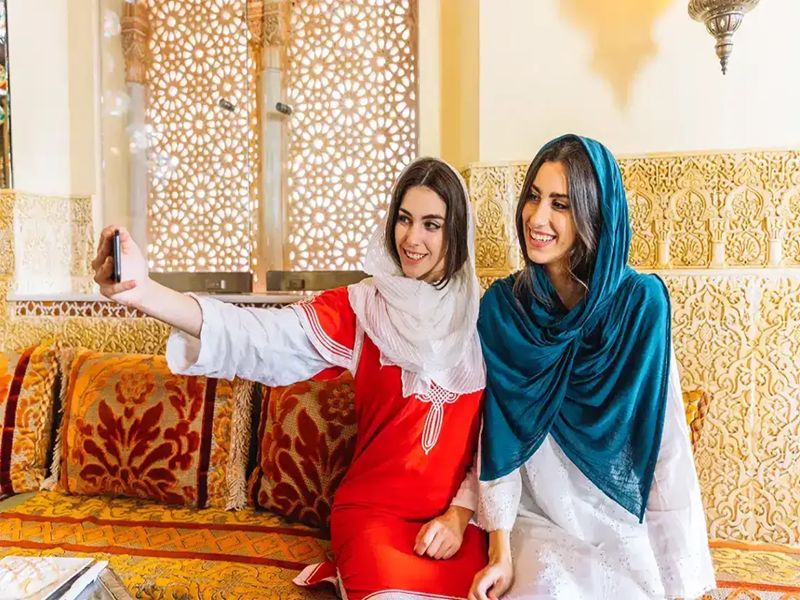
Packing for Morocco isn’t just about comfort—it’s about blending in and avoiding the wrong kind of attention. How you dress shapes your whole experience, from the chaos of Marrakech to the calm of a rural village.
Dressing Modestly in Public
Dressing modestly in Morocco isn’t just about rules—it’s part of daily life. You don’t have to cover every inch, but less skin is always safer and more respectful. Women, think long skirts, loose pants, and tops that cover your shoulders. Guys, stick to trousers or knee-length shorts and simple shirts.
I’ll admit, I wore a tank top and shorts my first day in Tangier. The stares were enough to make me rethink my choices fast.
Locals won’t get angry about your outfit, but they might be surprised. It’s all about blending in. I always carry a scarf—it’s easy to throw on if I feel too exposed. Light layers help with the heat and keep you covered from the sun.
Traditional Attire for Visitors
You’ll spot plenty of Moroccans in djellabas or colorful kaftans. Travelers don’t need to wear these, but honestly, trying one on at a market is half the fun. You don’t need to buy a full set, but a lightweight kaftan makes a great cover-up and looks pretty cool in photos.
If you get invited to a family celebration, wearing a kaftan or even a local scarf shows you care. During Ramadan or festivals, a djellaba just feels right—it’s a way to join in. Locals really appreciate it when you make the effort.
Now, I always pack a kaftan. It’s perfect for rooftop dinners or wandering the medina, and you’ll blend in without trying too hard.
Appropriate Clothing at Religious Sites
If you plan to visit mosques (like the stunning Hassan II Mosque) or shrines, dress codes get strict. Everyone has to cover arms, legs, and shoulders. Most mosques don’t allow non-Muslims in, but where you can go—like Hassan II—dressing right matters.
Quick checklist:
- Cover knees and shoulders
- No shorts or sleeveless tops
- Women: bring a scarf just in case
- Skip flashy prints or tight clothes
I forgot my scarf once in Casablanca and had to borrow one from a local woman. It was a little awkward, but people just want to see you try. If you’re unsure, watch what locals do and follow their lead. That’s my go-to hack for good etiquette in Morocco.
Religious Customs and Practices

Religion shapes Moroccan life in ways you’ll feel every day. The rhythms, the shared moments, the quiet respect—it’s all around you, even if you’re just passing through.
Respect During Ramadan
Ramadan in Morocco changes everything. It’s not just about fasting; the whole country slows down. Cafés close, streets go quiet, and afternoons feel almost dreamlike. If you’ve never visited during Ramadan, it’s humbling—patience becomes your best travel tool.
Do’s and Don’ts:
- Don’t eat, drink, or smoke in public during daylight, even just water. Locals understand if you’re not Muslim, but it’s about respect.
- Do say “Ramadan Mubarak” or “Ramadan Kareem.” It’s a tiny gesture that goes a long way. Even the busiest shopkeepers pause for a blessing during Ramadan.
- After sundown, everything comes alive. If you’re invited to iftar (the big evening meal), say yes—you’ll never forget it.
Some places simply won’t serve food or drinks during the day, so plan ahead. Honestly, take it as a chance to slow down.
Appropriate Behavior Near Prayer Times
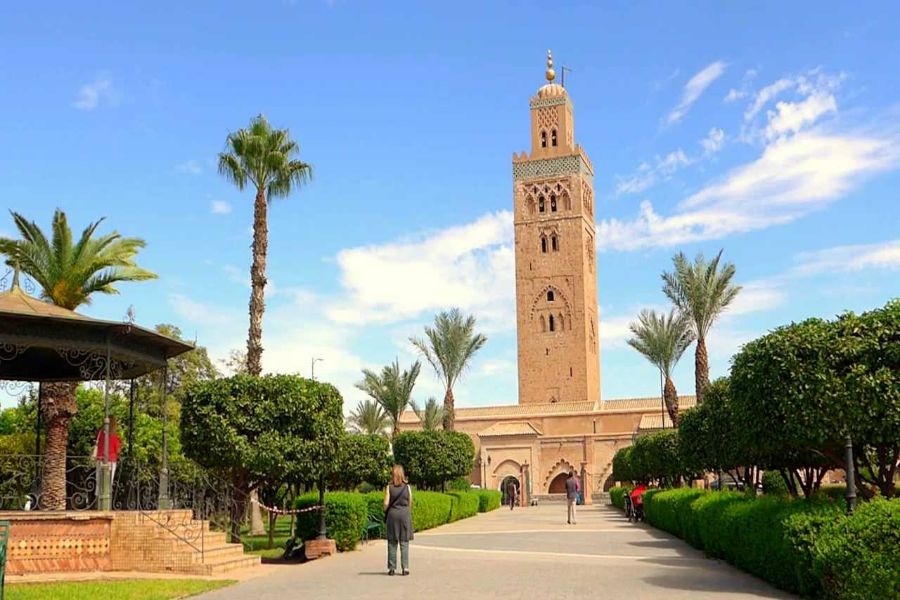
Prayers happen five times a day and set the pace everywhere. The call to prayer can turn a bustling street into a moment of calm. I’ve watched shopkeepers close up and whole souks pause for a few minutes.
- Don’t interrupt or try to chat with someone getting ready to pray. Just give them space.
- Near mosques, keep your voice down, put your phone away, and watch where you walk. People often wash at little fountains outside—let them be.
- Shops close for 10-15 minutes, and that’s your cue to pause and soak up the atmosphere.
You’ll sometimes see people praying in parks or quiet corners. Don’t stare, and if you need to pass, do it quietly and respectfully.
Visiting Mosques and Sacred Sites

Most Moroccan mosques are off-limits to non-Muslims, but the Hassan II Mosque in Casablanca is a gorgeous exception. Walking inside is an experience—the calligraphy, the tiles, the ocean breeze.
- Dress modestly: loose pants, long sleeves, a scarf for women. I always keep one in my bag.
- Take off your shoes where asked (like prayer halls). Bring socks you don’t mind showing off.
- Ask before taking photos or check posted signs. I got gently scolded once for using flash—lesson learned.
- Don’t walk in front of people praying.
- Keep your voice low and skip the phone calls.
Sacred sites like mausoleums or zawiyas deserve the same respect. The more you honor these traditions, the more likely locals will share stories or invite you for tea—and that’s the real magic of Morocco.
Hospitality and Visiting Homes

Moroccan homes are warm, welcoming, and full of unspoken rules. Visits mean shared meals, small rituals, and a deep respect between guest and host.
Moroccan Hospitality Rituals
Moroccan hospitality is legendary—generous, genuine, and rooted in tradition. If you’re invited to a family’s home, expect sweet mint tea and a mountain of food, even if it’s not mealtime. Refusing can feel rude, so it’s okay to accept a little, even if you’re stuffed.
You’ll see everyone wash hands before eating, and meals usually happen at low tables with people sitting close. Moroccans eat with their right hand (never the left!) and often share from a communal plate. It’s different at first, but you get used to it.
There’s a little ceremony to pouring mint tea—the head of the house usually serves the first glass. My first time, I fumbled with the bread, but everyone just laughed and showed me how. The warmth is real.
Gift-Giving Traditions
I always bring a small gift when visiting a Moroccan home—pastries from a local bakery or a box of dates. It’s polite and shows you appreciate the invitation. Homemade treats, fruit, or sweets work well, and presentation matters—a wrapped box feels right, not a grocery bag.
If there are kids, a little something for them goes a long way. Flowers aren’t common gifts here, so I skip those. And unless you know your hosts drink, avoid bringing alcohol—it can offend more than you’d think.
Don’t expect your gift to be opened right away. Moroccans usually set gifts aside and open them later. I spent my first visit worrying I’d picked the wrong thing, only to find out it’s just custom. It’s one of those little surprises that makes Morocco so fascinating.
Showing Gratitude as a Guest
Saying thanks in Morocco isn’t just about tossing out a quick “thank you.” You’ll end up saying “shukran” a lot, and honestly, if you can manage a few words in Darija (Moroccan Arabic), you’ll probably get a genuine grin from your host.
After a meal, say something nice about the food—even if you have to stretch the truth a little. Compliment the hospitality, too. Try “Your home is beautiful,” or “That was delicious!” Trust me, it matters more than you’d think.
Sometimes, it’s polite to get up and help clear plates, but your host might gently wave you off and insist you relax. That’s just part of the dance.
When you leave, offer a warm handshake or a hug if it feels right. Some guests send a quick message or drop off a little note the next day. That extra bit of thoughtfulness is just another layer to Moroccan hospitality.
I’ve made connections over tea and bread that have lasted way longer than my actual trip. Those moments stick with you.
Dining and Table Etiquette
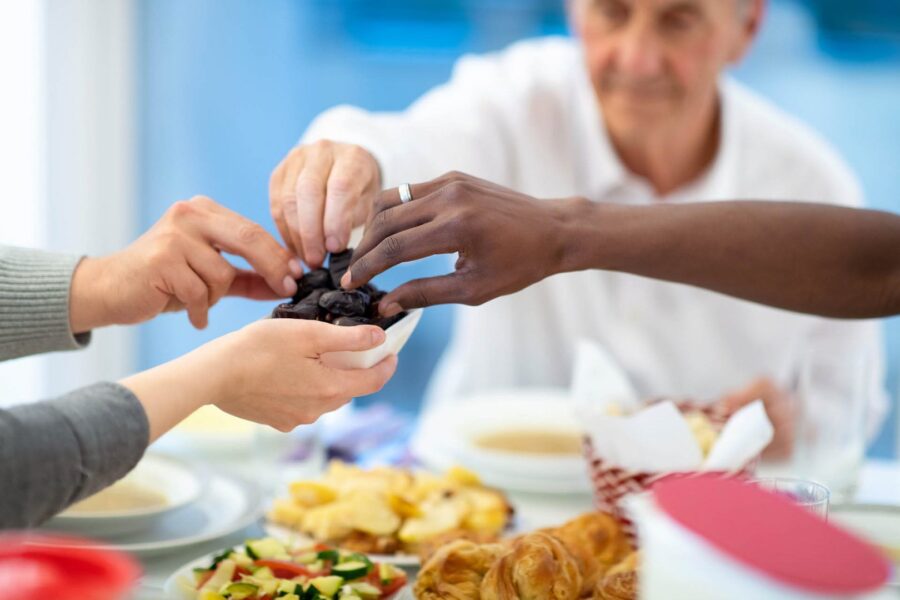
Eating in Morocco is never just about the food. The traditions—the shared dishes, using your right hand, the expectation to slow down and connect—those are what really stand out.
And then there’s the mint tea at the end, which is almost its own event.
Communal Dishes and Sharing Food
Meals here are a group thing. You’ll probably see a big tagine or a massive couscous platter right in the middle of the table.
Everyone gathers around, sometimes on floor cushions if you’re lucky enough to land an invite to a traditional home.
You’ll eat with your right hand (the left is a no-go for food), so wash up well before sitting down. Bread doubles as your utensil—you’ll use it to scoop up bites. No forks required, though touristy restaurants might still hand them out.
My first try at this felt a bit awkward, but honestly, you get the hang of it fast.
Eat from the section in front of you—don’t reach across the dish. If your host offers you a special piece, like the best bit of lamb, accept it with a smile. That’s their way of honoring you.
Traditional Moroccan Cuisine
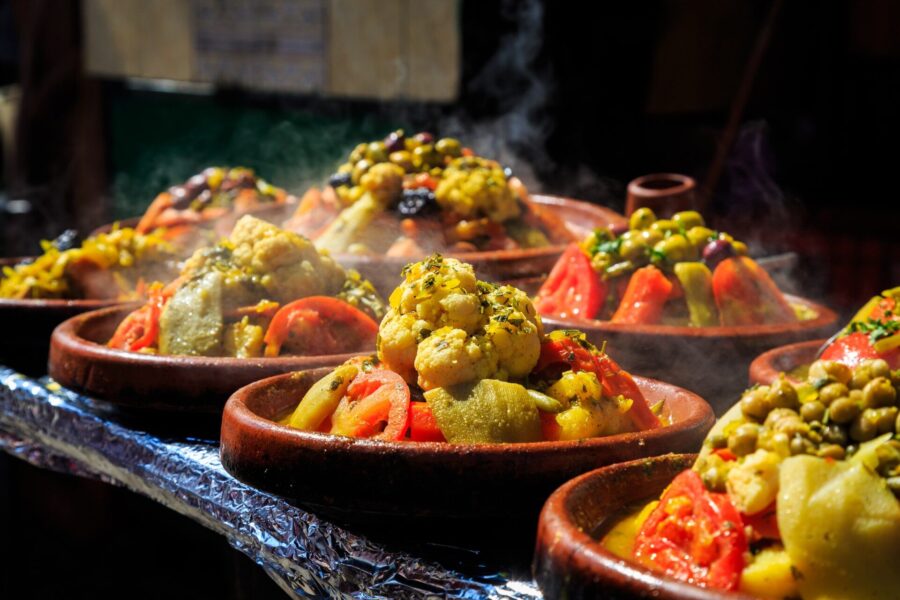
Moroccan cuisine is as stunning to look at as it is to eat. Tagine is the superstar—a slow-cooked stew named after the pot. Couscous is huge, especially on Fridays.
You’ll get loads of fresh veggies, plenty of spices like cumin and saffron, and sometimes dried fruit thrown in for good measure.
Meals can stretch on for hours. There’s always more bread (khobz), meat, and salads than you expect. I’ve struggled to say no to seconds, especially when the food just keeps coming.
Fruit sometimes shows up after the main course, almost as a dessert. That surprised me at first.
Every meal feels like a mini celebration—even if it’s just a regular Tuesday. If someone invites you over, that’s a real sign of respect.
Bring a little gift like pastries or fresh fruit. It’s a thoughtful way to say thanks.
Mint Tea Rituals
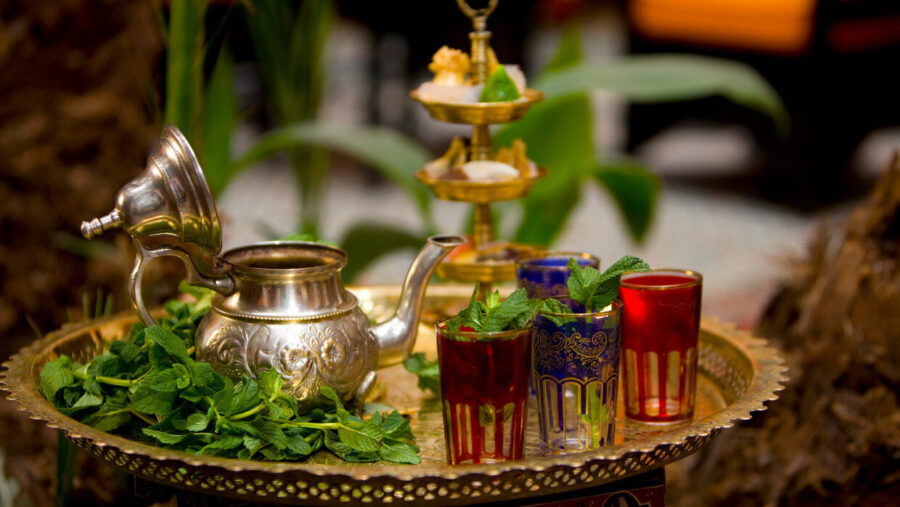
Moroccan mint tea is a ritual, not just a drink. You’ll see hosts pour it from up high to get those bubbles on top. I tried and made a mess, but it’s part of the fun.
The tea is sweet, refreshing, and usually comes out after meals.
Turning down tea isn’t really a thing—it’s almost like refusing a handshake. Even if you’re not a big tea fan, try at least a sip.
Hosts pour several glasses, and the tea session is a way to keep the conversation going.
The more tea you drink, the more welcome you seem. Take your time. You might get cookies or nuts on the side, especially if it’s your first visit.
Tipping Etiquette
Tipping in Morocco isn’t a big debate, but it’s still part of dining out. In casual cafés, just round up or leave a few dirhams.
At formal restaurants, 10% is a safe bet.
You don’t need to tip at bakeries or street food stalls. For porters or people helping out at the table—especially in fancy spots—a few coins is a nice gesture.
I always keep some small change handy, just in case.
If you’re eating in someone’s home, don’t tip—helping clear up or bringing a gift is better. When in doubt, just watch what the locals do and follow their lead.
Public Behavior and Social Norms

Morocco feels lively and warm, but there are plenty of unwritten rules that shape how things work in public.
What seems normal back home might get you a few puzzled looks here.
Personal Space Expectations
Personal space in Morocco isn’t quite what you might expect if you’re from North America or Europe. People stand closer, especially friends and family.
I once waited in line for mint tea in Marrakech and folks behind me stood just a foot away. No one batted an eye.
With strangers, especially the opposite gender, try to give a bit more space.
Locals might lean in for a chat or brush your shoulder in a busy street. It’s normal and rarely a big deal.
And on public transport? Expect a squeeze. People aren’t shy, but they’re usually easygoing about it.
Public Displays of Affection
Morocco draws a clear line here—public displays of affection between couples are a no-go. Kissing, hugging, even holding hands can get you some side-eye or quiet disapproval.
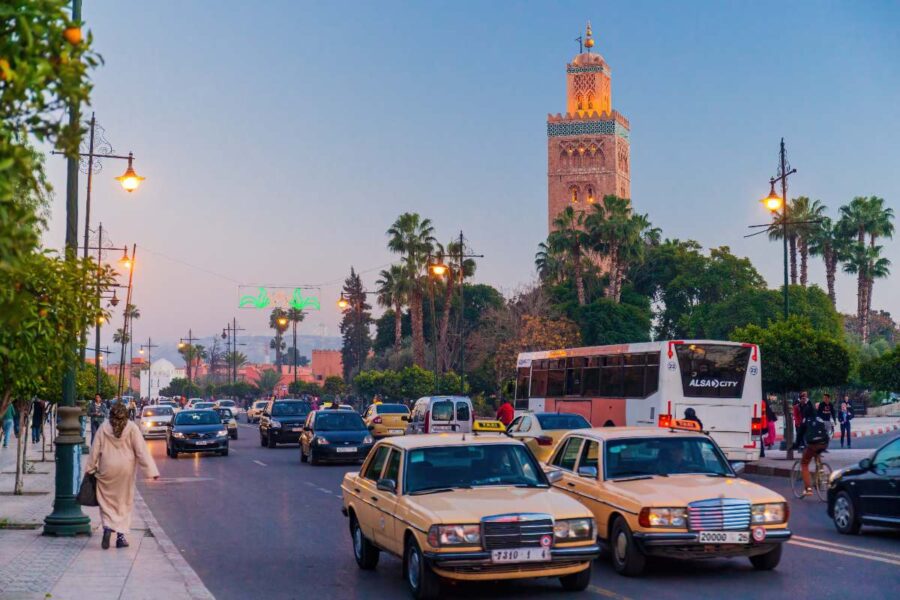
I once saw a foreign couple share a quick kiss near the Koutoubia Mosque, and locals definitely noticed. It’s just not done, even in bigger cities.
Friends of the same gender often hold hands or link arms—totally normal and just means friendship.
For couples, keep things private. Even touching your partner’s arm can push the social boundaries, especially outside the big cities. When in doubt, play it safe.
Giving and Receiving Compliments
Moroccans know how to be polite, and you’ll hear kind words often. Still, there’s a bit of an art to compliments here.
If someone compliments you, just say “shukran” and smile. Don’t make a fuss. Sometimes people wave off praise—it’s modesty, not rudeness.
When you give compliments, keep them genuine and focused on things like someone’s cooking, their home, or a child’s manners.
Skip too many comments about looks, especially with the opposite gender. Warmth is good, boldness—not so much.
Small gestures and gentle words matter. People here value kindness and humility in equal measure.
Language and Communication Tips
Getting around Morocco gets way easier if you know a handful of local words and a bit about how people communicate—even without talking.
Even a few phrases or gestures can open doors you didn’t expect.
Using Darija and Moroccan Arabic
Morocco’s main language is Darija, a local version of Arabic. It’s not quite the same as what you’ll hear elsewhere. Darija mixes in French, Berber, and even a dash of Spanish.
Don’t stress if your Arabic studies leave you confused here!
French is everywhere, especially in cities and business settings. If you greet someone with “Salam alaykum,” you’ll get a friendly smile. “Shukran” (thank you) and “afak” (please) are also handy.
When I get lost in the souks, I just say “fin?” for “where?”—even with my clumsy accent, people usually help.
If you don’t know much Darija, don’t sweat it. Moroccans appreciate the effort. Locals switch between languages all the time, but a little Darija breaks the ice.
Don’t worry about mistakes—I’ve made plenty and still got by.
Here are a few useful Darija phrases:
| English | Darija |
|---|---|
| Hello | Salam |
| Thank you | Shukran |
| Please | Afak |
| Yes | Iyyeh |
| No | La |
Non-Verbal Communication
Body language and facial expressions carry a lot of weight in Morocco. Sometimes, they matter more than words.
A nod means “yes,” while a little shake of the head means “no.” Handshakes are soft, not the firm grip you might expect. A strong handshake can actually seem rude.
After shaking hands, people often put their right hand over their heart. It’s a way of showing respect.
Don’t stress if people stand closer than you’re used to—personal space just isn’t the same here.
Eye contact is polite, but staring isn’t. For women, too much eye contact with men can be misunderstood, so a brief glance and a smile work best.
Gestures like touching your chest or raising an eyebrow add meaning without a word.
Pointing with your index finger? Not a great idea. Use your whole hand to gesture, or you might come off as abrupt. Learned that one the hard way in a Tangier market!
Souk and Marketplace Etiquette

Shopping in Morocco’s souks is a mix of adventure and etiquette. How you treat sellers and handle bargaining can make or break your experience.
Haggling and Bargaining Techniques
Let’s be honest—no one pays the first price in a Moroccan souk. Haggling isn’t just expected, it’s almost a sport.
Sellers start high, and you’re supposed to counter. If something’s marked 300 dirhams, offer 100 or even less. It’s not personal; think of it as a friendly game.
Don’t rush. Take your time. Sellers might offer tea or invite you to chat. Accepting a cup is good manners and actually helps the deal along.
If you act interested but seem willing to walk away, you might get a better price. Sometimes leaving and coming back works even better—they might follow you with a new offer.
If you feel pressured, just say no. Not every haggle ends in a sale, and that’s perfectly fine.
Haggling with a smile keeps things friendly for everyone.
Quick Tips for Successful Bargaining
- Start well below the asking price.
- Keep it light—smile and enjoy the banter.
- Only bargain if you actually want to buy.
- Don’t rush—let the conversation flow.
Politeness in Souks
Moroccan souks aren’t just places to shop—they’re the heartbeat of local life. How you treat people here really shapes your whole experience.
Start with a friendly “Salam Alaikum” to stall owners. It’s simple, but it sets you up for positive interactions. If someone greets you first, always return the greeting.
Don’t grab at things or snap photos unless you’ve asked. Vendors, especially those selling handmade goods, might find it disrespectful if you touch without permission. If you’re curious about something or want a photo, just ask—honestly, most people appreciate it.
I’ll never forget the time a carpet seller poured me mint tea before we even discussed price. The hospitality here can catch you off guard in the best way. Eye contact and a warm attitude? They go further than you’d think.
Dress modestly—cover your shoulders and knees if you can. It’s not just about fitting in; it’s about showing respect and avoiding awkward moments. If a vendor gets a bit too persistent, a calm “La, shukran” (“No, thank you”) usually does the trick.
Patience matters here. Souks have their own rhythm, and you’re not going to change it by rushing. Show respect and, more often than not, you’ll get it right back—sometimes in surprising ways.
Photography and Cultural Sensitivity
Taking photos in Morocco isn’t always straightforward. You might think it’s okay, but sometimes you’ll stumble into a situation where a camera just isn’t welcome.
Locals take privacy seriously, and religious beliefs play a big part. You can save yourself a lot of awkwardness—or worse—by tuning in to what’s happening around you.
Seeking Permission Before Taking Photos
Walk through Morocco with a camera, and you’ll notice some people shy away or cover their faces. It’s not personal. In Moroccan culture, people value privacy, especially when it comes to family and portraits.
Older generations, in particular, often don’t want their photo taken. Some worry about the “evil eye.” Others just want their space.
Before you point your lens at someone, ask first. A smile and a polite gesture work wonders. Try saying “Smah liya, n’sowrek?” (“Excuse me, may I take your photo?”). If they say no or look unsure, respect that and move along.
In busy souks or medinas, try capturing the vibe instead of zooming in on faces. Keep it candid, but don’t cross the line into intrusive. Sometimes, if you’ve bought something from a shopkeeper, they’ll be happy to let you photograph their craft—but always check first. No one likes to feel ambushed by a camera.
Respecting Privacy at Religious and Private Spaces
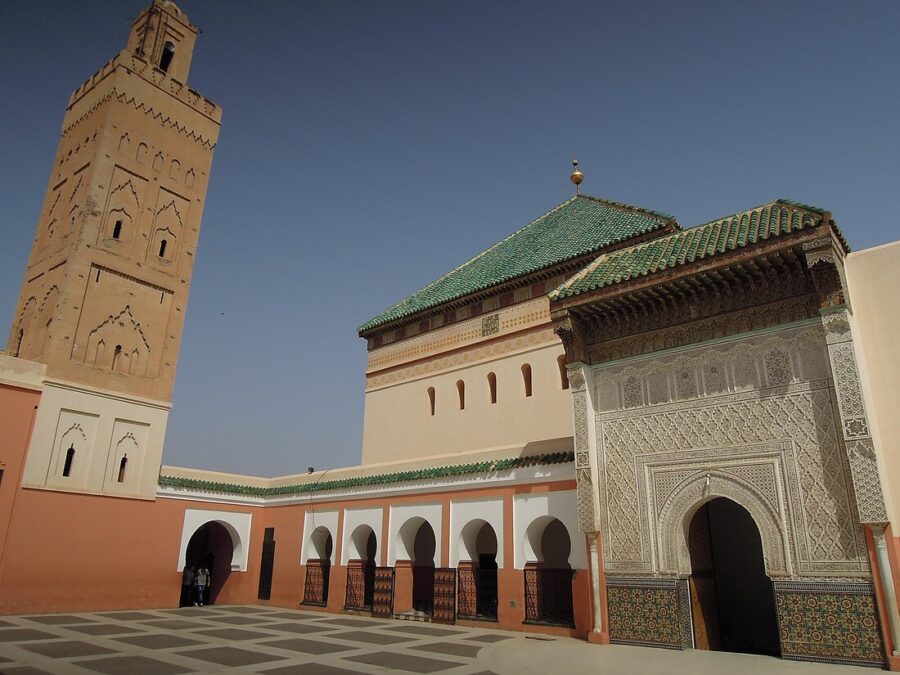
Religious sites—mosques, zawiyas—mean a lot to locals. Most mosques, like the Hassan II Mosque in Casablanca, post clear rules: no photos inside, and sometimes no entry for non-Muslims at all.
Even outside, be careful. Don’t aim your camera at people praying or at women in traditional dress. When you see a gorgeous courtyard or an open door, resist the urge to snap a photo unless you’ve checked it’s okay.
If someone invites you into their home, enjoy the moment and leave your camera in your bag unless your host suggests otherwise. Moroccan hospitality runs deep, but so does the need for privacy.
In rural villages, people can be even more reserved than in the cities. Best to err on the side of caution.
Here’s a quick cheat sheet for religious and private spaces:
- Look for posted signs (they’re often in French and Arabic)
- Ask staff or locals if you’re unsure
- Skip photos of people in prayer or private moments
- Use your camera to connect, not to intrude
And honestly? Sometimes the best memories are the ones you don’t capture on film.
Frequently Asked Questions
Traveling in Morocco isn’t just about ticking off sights—it’s about picking up on the small things that make the culture tick. Everyday moments, from greetings to how you eat, can be surprisingly meaningful.
Don’t worry too much if you mess up; most Moroccans forgive honest mistakes and appreciate when you make an effort.
What are the key cultural considerations travelers should be aware of when visiting Morocco?
Respect for elders matters everywhere. Don’t interrupt or talk over older folks—they usually get the first and last word.u003cbru003eu003cbru003ePersonal space is a thing. You’ll probably get a handshake, but hugs or cheek kisses are for close friends and family only. If you get invited somewhere, u003ca href=u0022https://www.realjourneytravels.com/vacation-tips/u0022u003etry not to turn it downu003c/au003e if you can help it—it’s a big deal.
How should tourists greet locals to show respect in Moroccan culture?
Go for a right-handed handshake. Don’t take it personally if someone gives you a soft grip—especially if it’s a woman greeting a man. After shaking hands, some people touch their heart as a sign of warmth. It’s a lovely local touch.u003cbru003eu003cbru003eIf you’re unsure, just follow your host’s lead. Honestly, a genuine smile and a “Salam alaikum” (peace be upon you) work wonders.
What are the dining etiquette norms visitors should follow in Morocco?
Before eating, wash your hands—especially with family-style meals. Use your right hand when taking bread or picking up food; the left is a no-go.u003cbru003eu003cbru003eMeals can last for hours, and no one’s in a rush. Stick around for tea and conversation. Some of my best stories happened after dessert, just lingering at the table.
How can tourists show respect for religious practices and sites in Morocco?
Check if non-Muslims are allowed inside mosques—usually they’re not. At religious sites, keep your voice down and dress modestly. During prayer times, don’t block doorways or get in people’s way.u003cbru003eu003cbru003eIf you’re visiting during Ramadan, avoid eating, drinking, or smoking in public. Locals notice and appreciate your discretion.
What attire is considered appropriate and respectful for travelers in Morocco?
Cover your shoulders and knees, and skip anything tight or flashy, especially outside big cities. Women do best with loose pants, skirts, and tops that aren’t revealing.u003cbru003eu003cbru003eIn cities, you’ll see more variety, but modesty is still the safest bet. Guys, leave the shorts for the beach or the kids—long pants help you blend in and dodge unwanted attention.
Are there specific local customs tourists should observe to avoid offending Moroccan hosts?
If someone offers you tea, just say yes—seriously. Turning it down almost feels like you’re closing the door on friendship. I tried to skip tea once because I was in a rush, and the look on my host’s face? I caved instantly.u003cbru003eu003cbru003eYou’ll want to u003ca href=u0022https://www.realjourneytravels.com/travel-essentials/u0022u003etake your shoes offu003c/au003e at the door, especially when you’re stepping into someone’s home. If you get invited for a meal, bring a little gift; even a handful of pastries or some sweets goes further than you might think.


