

Last modified August 17, 2026
Trying to decide between Corfu and Crete? Honestly, it’s like choosing between two slices of heaven. Both are gorgeous Greek islands, but wow, they couldn’t feel more different. Crave lush hills, Venetian flair, and easy day trips? Corfu’s your place. Hungry for ancient ruins, big flavors, and wild adventures? Crete’s calling. I’ve wandered both, and they each have their own beat—Corfu’s soft and dreamy, Crete’s bold and a little untamed.
Maybe you see yourself sipping espresso in Corfu’s old town, or maybe you want to lose yourself in Crete’s mountain villages. Either way, planning your trip is half the fun. You can compare flights and stays or hunt for hotel deals before you even pack. Oh, and don’t skimp on travel gear—it really does make island hopping so much easier.
Key Takeaways
- Corfu feels cozy and green; Crete’s huge and dramatic
- Beaches, food, and culture? Honestly, they’re worlds apart
- Your travel style totally matters in picking your Greek escape
Corfu vs Crete: Core Differences
Corfu and Crete both sit high on Greece’s list of stunners, but wow, do they have different personalities. Corfu brings rolling green hills and Venetian vibes, while Crete boasts rugged mountains and ancient Minoan ruins. Each one offers its own flavor of island life, shaped by its place in the world and wild history.
Location and Geography
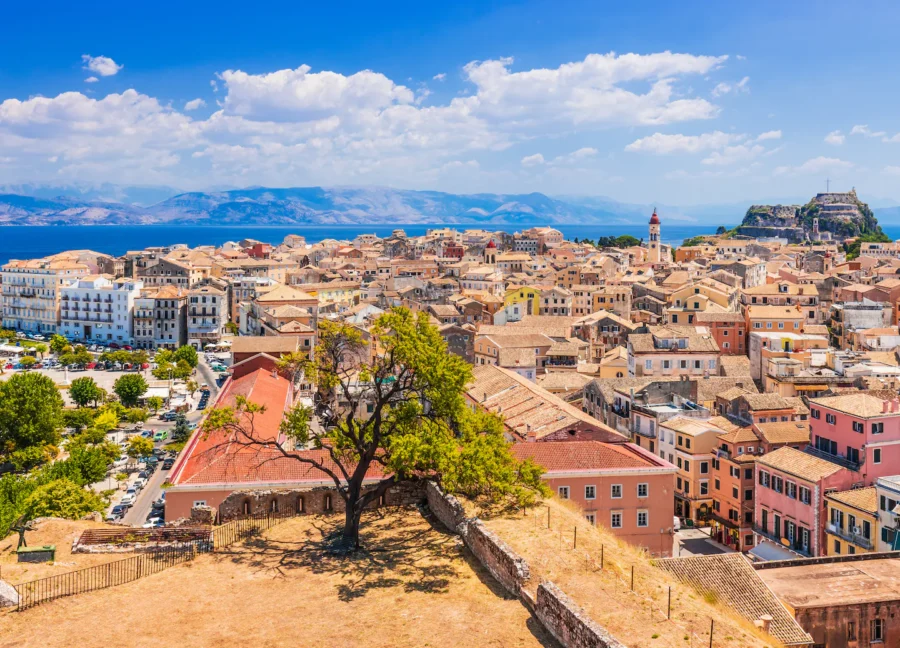
Corfu hangs out in the Ionian Sea, just off Greece’s northwest edge, not far from Albania. It’s ridiculously green, with olive groves and tall cypress trees everywhere. Sometimes the landscape even feels a little Italian, which makes sense with all that Venetian history. Drive along the coast and you’ll catch those turquoise waters, steep cliffs, and hidden coves that look like they belong in a painting.
Crete is way down south in the Aegean Sea, actually closer to Africa than Athens. It’s the biggest of all the Greek islands, and the terrain is on another level—mountain ranges, deep gorges like Samaria, and wide plains where goats just do their thing. The southern coast faces the Mediterranean, so it’s drier and warmer than Corfu’s mild, sometimes rainy weather.
| Feature | Corfu | Crete |
|---|---|---|
| Sea | Ionian Sea | Aegean Sea |
| Terrain | Lush, green, hilly | Rugged, mountainous, arid |
| Climate | Mild, wetter | Hotter, drier |
| Vegetation | Olive groves, forests | Sparse scrub, wild herbs |
Size and Accessibility
Corfu is compact—you can cross the whole island in under two hours by car. There’s just one airport, not far from Corfu Town, with plenty of flights from Athens and seasonal routes from all over Europe. Ferries link Corfu to the mainland and even to Italy.
Crete, though, is massive. It honestly feels like a small country. You’ve got two main airports, Heraklion and Chania, plus a handful of ports for Athens and nearby islands. If you want to explore, you’ll need a car. The distances are big, and mountain roads don’t exactly make things quick, but those views are worth every twist and turn.
If you’re after convenience and a smaller scale, Corfu’s your best bet. If you love road trips and endless variety, Crete is where you’ll want to roam.
Atmosphere and Vibe
Corfu just oozes elegance. The pastel buildings and winding lanes in Corfu Town feel more Venetian than Greek sometimes. You’ll spot old mansions, ancient fortresses, and seaside cafés where locals seem to have endless time. The nightlife? It’s lively but not wild—think wine bars and live music, not all-night clubs.
Crete, on the flip side, is earthy and fiercely proud. Locals really love their traditions—folk music, raki, and stories at the taverna. The villages feel real, not staged, and people often invite you in for a meal or a chat. I’ll never forget the taverna owner in Chania who made me try his grandmother’s olive oil. Peppery, grassy—totally unforgettable.
Corfu leans toward polished charm; Crete gives you something raw and vibrant. Both are deeply Greek, but they show off totally different sides of island life. If you want to go deeper, here’s a solid Crete vs. Corfu overview.
Beaches and Coastlines Compared
Corfu and Crete both have beaches that wow, but they’re not at all the same. Corfu’s coastlines are green and sheltered, while Crete’s are wild and sprawling, shaped by its size and southern sun. You’ll find everything from family-friendly coves and pink-sand lagoons to rugged, endless shores.
Best Beaches in Corfu
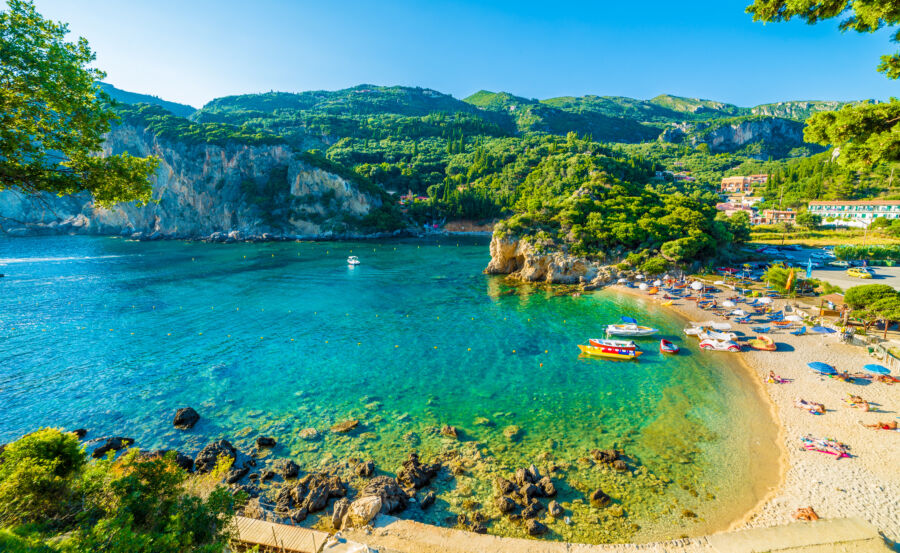
Corfu’s beaches are smaller and easy to reach—perfect for hopping between bays without much hassle. On the west coast, Paleokastritsa stands out: a bunch of coves tucked under forested hills with clear, turquoise water. Great for snorkeling, though the parking can be a headache in summer.
Up north, you’ll hit Sidari, famous for its sandstone cliffs and the Canal d’Amour. Legend says couples who swim through together stay in love. It’s a bit touristy but still fun for a quick dip.
Want more details? Here’s a good Corfu vs Crete beach comparison.
Top Beaches in Crete
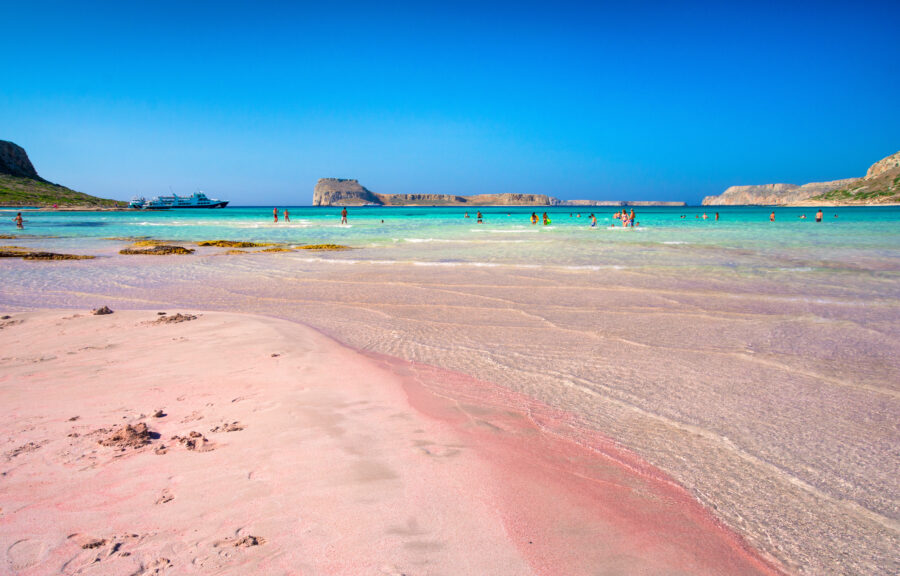
Crete’s size means you’ll find every kind of beach. The famous Elafonisi in the west has pink-tinged sand and shallow, warm water—awesome for kids or lazy floats. It gets busy, but if you go early, it’s pure magic.
Balos Lagoon is another stunner. You can hike down or take a boat, but either way, the turquoise water and rugged cliffs are worth the trip.
Prefer something wilder? Head south to Preveli, where a river meets the sea under palm trees. The sand’s a bit rough, the water’s cool, and it feels like you’ve stumbled into old Crete.
Crete’s beaches just feel bigger and wilder, with lots of space and way fewer crowds outside the busiest months.
Curious? Check out this guide to Crete vs Corfu for a deeper dive.
Water Activities and Scenery
Both islands are heaven for water lovers, but the feel’s different. Corfu’s size makes it easy to rent a boat and poke around hidden coves in one day. Around Paleokastritsa, you’ll find caves to paddle into and snorkeling spots where fish dart everywhere.
Crete, being huge, offers more variety—scuba diving near Chania, windsurfing on the southern coast, and the water stays warm late into autumn thanks to that southern sun.
If you love hiking with a swim at the finish, Crete’s coastal trails deliver. The walk down to Balos or along Elafonisi’s beaches mixes sea views with mountain drama. Corfu’s hills and olive groves make its coastlines softer and greener, and they’re easy to explore by foot or kayak.
History and Cultural Heritage
Corfu and Crete both wear their history proudly, and you’ll feel it in the architecture, ruins, and traditions. You can wander through Venetian forts, Minoan palaces, and Ottoman streets—all in a few days if you want. Each island has its own unique culture, shaped by centuries of trade, conquest, and creativity.
Venetian Influence and Architecture

Venetian touches pop up everywhere in Corfu and parts of Crete. The Venetians ran Corfu for four centuries, leaving behind arcades, pastel mansions, and fortress walls that still watch over the harbor. In Crete, places like Chania and Rethymno have that same Italian charm—narrow lanes, stone arches, and fancy old doorways.
One evening in Chania’s old harbor, I watched the sun hit the lighthouse (yep, Venetian) and just felt how much Italy had blended into Greek life. The mix is seamless, not forced.
If you’re into architecture, check out the Venetian fortresses of Corfu and compare them to Rethymno or Heraklion in Crete. Corfu’s are more intact; Crete’s show more layers from Ottoman and Greek times. Both places show how Venetian style got a Greek twist over the centuries.
Highlights of Corfu’s Old Town
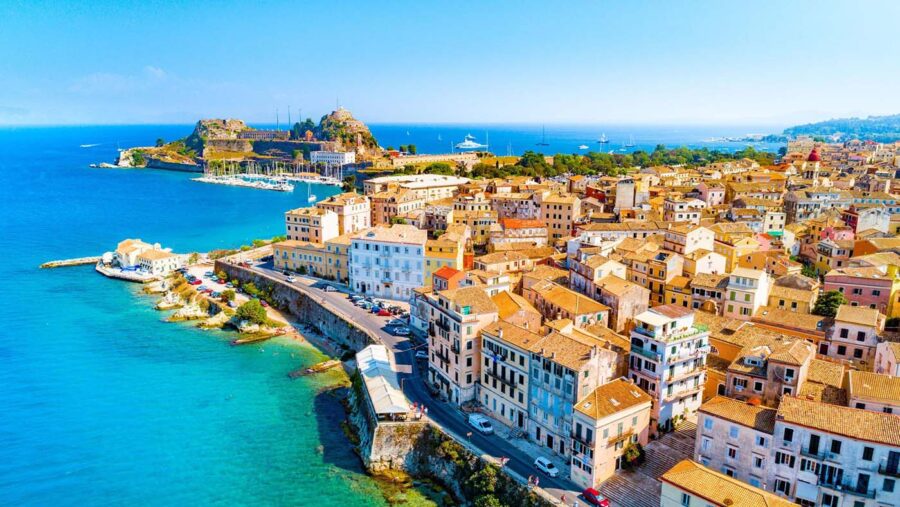
Corfu Town, a UNESCO World Heritage Site, is the island’s cultural core. Cobblestone alleys, the Liston Promenade, and pastel facades all tell stories of Venetian and British days. The Italian balconies and French arcades make the town feel like nowhere else in Greece.
You can wander for hours between the Old Fortress and New Fortress, both built by the Venetians to fend off Ottoman attacks. The views from the ramparts stretch out over the Ionian Sea and honestly, they’re breathtaking.
I once ducked into a tiny café near the Esplanade during a sudden summer rain, and the old stones just glowed. That’s Corfu—ancient but totally alive. If you want more, here’s a guide on Corfu’s Old Town.
Crete’s Ancient Civilizations
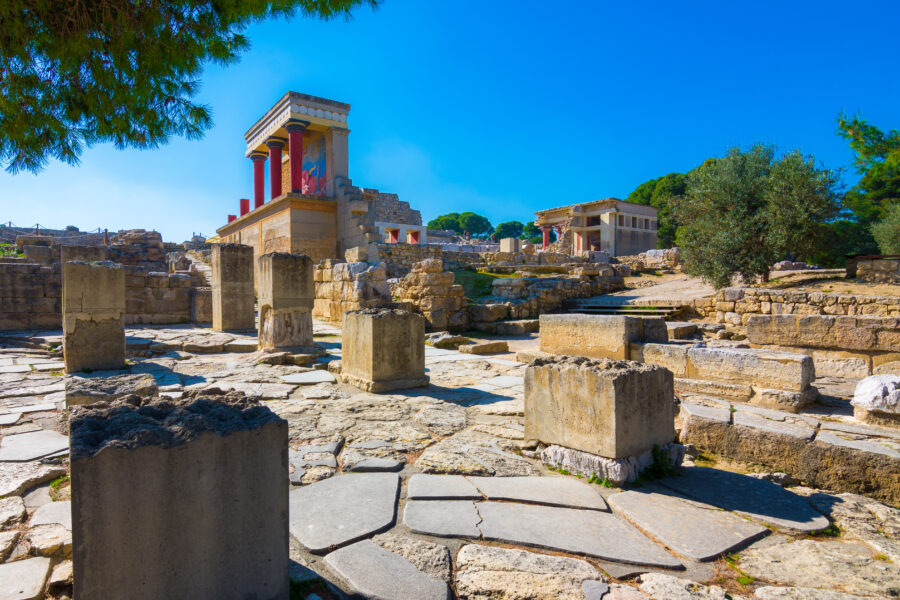
Crete’s history dives way deeper, back to the Minoan civilization—some say it’s Europe’s first advanced culture. The Palace of Knossos near Heraklion is the big one, with its frescoes and maze-like layout that inspired the Minotaur myth. Here’s more if you’re curious: Green Acres’ overview of Crete’s Minoan and Venetian heritage.
Other ruins like Phaistos, Malia, and Zakros show just how widespread Minoan life was. These places feel different from the marble ruins on the mainland—more mysterious, almost homey in scale.
Walking through Knossos, you can almost imagine artists painting the walls or traders unloading ships from far-off lands. It’s wild to realize how old Crete’s roots are, and how much of today’s Greek identity still draws from this ancient island.
Local Cuisine and Culinary Experiences
Greek island food is all about stories—history, geography, family. Corfu and Crete both use simple, honest ingredients like olive oil, herbs, and local veggies, but their flavors couldn’t be more different. Corfu brings a touch of Venetian elegance, while Crete serves up earthy, mountain soul.
Corfu’s Signature Dishes
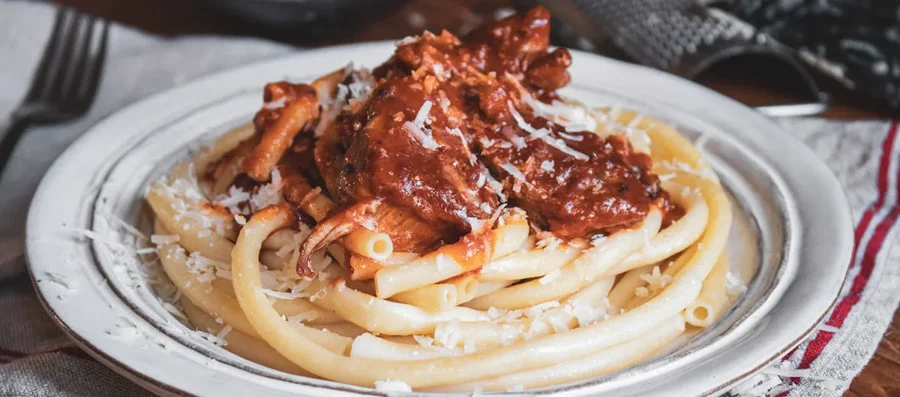
Corfu’s food scene wears its Venetian roots on its sleeve. You’ll spot it right away in pastitsada, a slow-cooked meat dish in tomato sauce that locals pile over pasta. It’s hearty, a little decadent, and honestly, it ends up at the center of many Sunday tables.
Then there’s sofrito—thin veal slices simmered in white wine and garlic. The flavors are subtle but hang around in your memory. I still think about the time I ducked into a tiny taverna by the Liston Promenade on a rainy day, got a plate of sofrito, and felt like I’d stumbled into someone’s kitchen.
If seafood’s your thing, check out bianco. It’s a straightforward fish stew with potatoes, garlic, and lemon—nothing fancy, just honest cooking. After a day by the sea, locals swear by it. Corfu’s blend of Greek and Italian flavors keeps things interesting, sometimes even surprising. There’s more about the island’s Venetian-inspired eats at Greek Island Travel Guides.
Cretan Gastronomy

Crete’s food feels earthy and tied to the land. Olive oil isn’t just an ingredient here—it’s almost a way of life. Locals call it “liquid gold,” and you’ll taste it in nearly everything. Order dakos—barley rusk, tomatoes, olive oil, and a crumble of mizithra cheese. It’s light but fills you up, perfect after a morning wandering the hills.
Meals in Crete often come with wild greens, fresh herbs, and goat cheese straight from nearby farms. At the end, someone will probably hand you a glass of raki—a local spirit that’s more about sharing than just drinking. I once watched a farmer pour me a glass from his own stash; it was smoother than I expected and came with a story or two.
Cretan dishes capture the island’s independent spirit and deep traditions. It’s a big part of Cretan culture—you’ll feel it at every meal.
Unique Food Experiences
Both islands want you to do more than just eat. In Corfu, you can join a cooking class where locals teach you family recipes. Making sofrito with a grandmother feels less like a lesson and more like being welcomed into the family for an afternoon.
Crete takes it up a notch. Villages host olive oil tastings and cheese-making workshops where you get to see mizithra made by hand. Pair that with a little raki, some laughter, and you’ll get why meals here never seem to end.
If you love food, Corfu and Crete serve up history and hospitality in every bite, always with a drizzle of olive oil.
Nature, Adventure, and Outdoor Activities
Crete brings rugged wildness, while Corfu feels lush and soft. Both islands practically beg you to get outside—whether you’re after mountain hikes, secret coves, or just a gentle adventure with the family.
Hiking and Natural Wonders
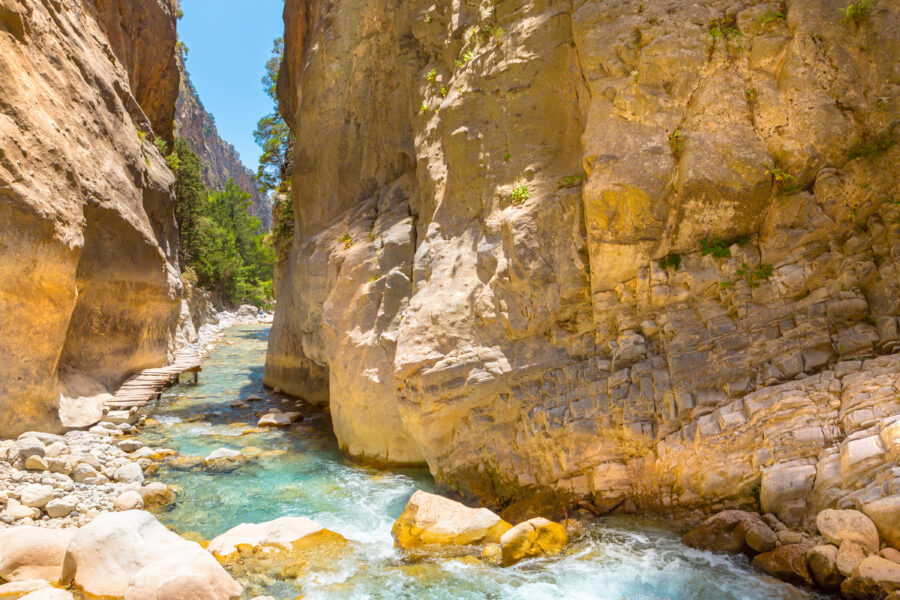
If hiking’s your thing, Crete stands out. The Samaria Gorge stretches over 10 miles through dramatic cliffs and wildflowers. It’s a tough trek, but reaching the Libyan Sea at the end just feels incredible.
In eastern Crete, the Lasithi Plateau rolls out easier trails through farmland and old windmills. I once hopped on a bike there, pedaled past fields, and stopped for bread and cheese in a sleepy café. It’s that kind of place—unhurried and real.
Corfu’s trails go easier on the legs but still wow you with the views. The Corfu Trail crosses the whole island, winding through olive groves and along cliffs. You can book guided walks or check out things to do ahead of time.
Crete’s big, rugged mountains—like the White Mountains near Chania—attract hikers who want a challenge. Corfu’s rolling hills are a dream for casual walkers. Both islands reward you with those sweeping, postcard views.
Family-Friendly and Leisure Activities
Traveling with kids or just want to take it slow? Both islands deliver, but in their own ways. Corfu’s gentle beaches and soft sand make it easy to relax. You can paddleboard, snorkel, or hop on a boat to a quiet cove.
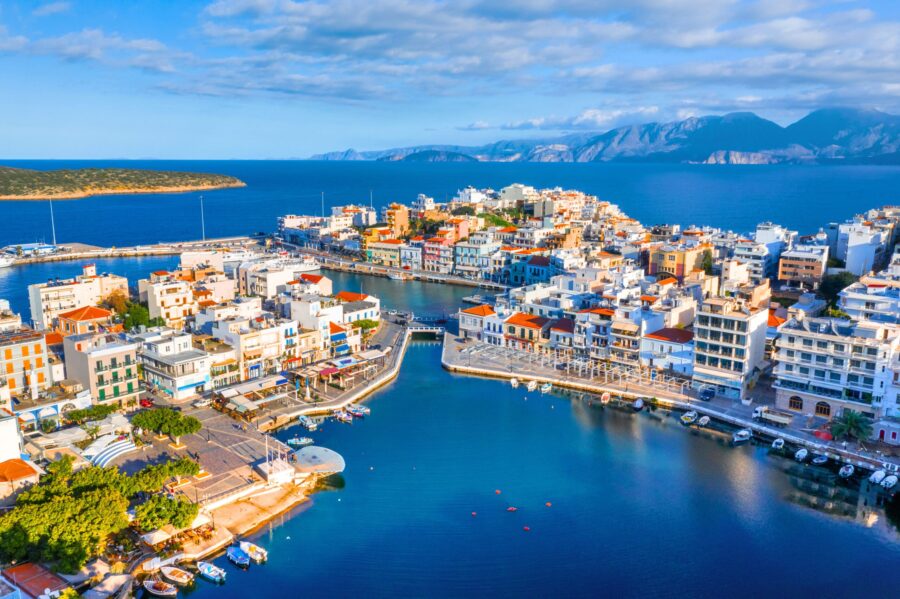
Crete offers more options. Near Agios Nikolaos, you’ll find calm bays for swimming and glass-bottom boat tours. Inland, families can try horseback riding or gentle hikes around small gorges.
Honestly, Crete’s size means you’ll need a car, but that’s half the fun—every road seems to lead to a new beach or mountain village. Plan day trips and tours through travel platforms that cover both islands.
If your crew loves nature but hates crowds, Crete’s southern coast feels wide open and peaceful. Corfu’s compact size makes it easy to pack a lot into one day. Both give you space to breathe, roam, and make your own memories.
Towns, Villages, and Local Life
Crete and Corfu show Greece’s personality through their towns and villages. One draws you in with lively mountain towns and buzzing ports, while the other charms with pastel harbors and olive groves that look like time stopped decades ago.
Must-Visit Towns in Crete

Crete’s towns pulse with daily life and history. Heraklion, the capital, lets you wander from ancient ruins to a café in no time. I remember sitting by the harbor, coffee in hand, listening to locals banter about football—real life, not just tourism.
Head west to Chania, where Venetian and Ottoman influences mix. The old harbor glows at sunset, and the narrow streets hide bakeries selling bougatsa. Honestly, it’s one of the most photogenic spots in Greece.
Rethymno sits between Heraklion and Chania, offering a mellow blend of beaches and old town charm. Stroll through stone arches, spot flowered balconies, and climb up to the Fortezza Fortress for sweeping views.
If you’d rather skip the crowds, Agios Nikolaos on the east coast feels laid-back. The town curls around a small lake, and locals say it’s bottomless. It’s perfect for slow mornings and quiet dinners by the water.
| Town | Known For | Vibe |
|---|---|---|
| Heraklion | History, museums | Urban and energetic |
| Chania | Venetian harbor | Romantic and walkable |
| Rethymno | Old town charm | Relaxed and cultural |
| Agios Nikolaos | Lakeside dining | Calm and scenic |
Charming Villages of Corfu
Corfu’s villages have a gentler pace. Once you leave Corfu Town and wind into the hills, the roads slip past cypress trees and stone houses that haven’t changed in ages.
Up north, Kassiopi mixes old fishing roots with a dash of luxury. It grew from a quiet harbor into a spot with stylish villas and beach tavernas, but locals still greet you like family. Wandering Our World says Kassiopi’s now one of the island’s most developed yet still charming coastal villages.
Inland, places like Lakones and Gastouri show daily life—men chatting over tiny coffees, women tending gardens bursting with bougainvillea. It’s slow, honest, and feels like real Greece.
For a dose of history, wander Corfu Town’s UNESCO-listed old quarter. Venetian alleys, pastel shutters, and busy markets make it easy to lose track of time. I once spent an afternoon just watching kids play football in a square ringed by 17th-century buildings.
If you’re after true peace, head south to villages like Lefkimmi, where olive groves stretch for miles and the sea always feels close. It’s a quieter side of Corfu that most visitors miss.
Frequently Asked Questions
Corfu and Crete each bring their own flavor to a Greek island trip. You’ll notice differences in cost, nightlife, family appeal, weather, and the vibe once you arrive.
Which island offers better value for money, Corfu or Crete?
Crete usually stretches your budget further. Hotels, car rentals, and meals tend to cost less than in Corfu, especially if you avoid the big tourist towns.u003cbru003eu003cbru003eCorfu draws a slightly more upscale crowd, so prices can spike in summer. If you travel light or use u003ca href=u0022https://nannybag.pxf.io/09zYz3u0022 target=u0022_blanku0022 rel=u0022noreferrer noopeneru0022u003eluggage storageu003c/au003e near ports or airports, you can explore both islands more easily and maybe save a bit on transfers.
What are the differences in nightlife between Corfu and Crete?
Corfu’s nightlife packs into a smaller area, especially around Kavos and Corfu Town. Beach bars and clubs keep the music going until sunrise.u003cbru003eu003cbru003eCrete’s party scene spreads out more. Malia and Hersonissos get wild in summer, but you’ll also find cozy tavernas with live bouzouki if you’d rather keep things mellow.
Which island is more suitable for a family vacation, Corfu or Crete?
Crete’s size gives families a lot of options. You can hop from calm beaches to ancient ruins to mountain villages, all in one trip. Kids love the aquariums and water parks near Heraklion.u003cbru003eu003cbru003eCorfu, being smaller and greener, works well for families who want a slower pace. Resorts in the north have shallow, safe waters for little swimmers.
How do the climates of Corfu and Crete compare throughout the year?
Corfu stays mild and humid, with plenty of winter rain that keeps everything green. Summers are warm but not bone-dry.u003cbru003eu003cbru003eCrete, farther south, stays sunny and hot for longer stretches. You can swim well into October. If you’re planning an off-season trip, travel insurance like u003ca href=u0022https://visitorscoverageinc.pxf.io/BnkKk9u0022 target=u0022_blanku0022 rel=u0022noreferrer noopeneru0022u003ethis coverageu003c/au003e can help if weather throws a wrench in your plans.
Between Corfu and Crete, which island offers more unique attractions?
Crete wins on variety. You get the ancient Palace of Knossos, the Samaria Gorge, and gorgeous old Venetian harbors. History feels alive here.u003cbru003eu003cbru003eCorfu, though smaller, charms with its UNESCO-listed Old Town and bold Italian influence. The pastel buildings and winding lanes stand out from the rest of Greece.
For a romantic getaway, should couples choose Corfu or Crete?
Corfu gives off an intimate, almost secretive vibe—especially in spring, when everything’s in bloom and the air feels soft. You’ll stumble across cozy seaside villas and little coves that seem made for two people just wanting to disappear for a while.u003cbru003eu003cbru003eCrete, on the other hand, cranks up the drama. Couples who crave adventure will love it here: sunset hikes that leave your legs aching but your heart full, cliffside dinners where you lose track of time, and winding drives through endless olive groves. It’s not really about hiding away—it’s about diving into things together and making memories you’ll talk about for years.