

Last modified August 17, 2026
When you picture Romania, two cities probably jump out right away: Bucharest and Cluj. Both pulse with energy, history, and culture, but honestly, they offer such different daily rhythms. Craving that big-city buzz and a nightlife that never seems to end? Bucharest is your playground. But if you’re after a more easygoing pace and a city shaped by students, Cluj just feels right.
Strolling through Bucharest, you’ll catch sight of those wide boulevards, imposing government buildings, and a nightlife scene that just doesn’t sleep. Now, Cluj is a totally different story—smaller, friendlier, and packed with creative energy thanks to its universities.
I’ve wandered both, and, well, the contrast is half the fun.
Key Takeaways
- Bucharest brings big-city adrenaline, Cluj keeps things chill
- Prices, lifestyle, and culture? They’re worlds apart
- Each city’s got its own thing going, and it really shapes your day-to-day
City Overview: Bucharest and Cluj-Napoca Compared
Bucharest and Cluj-Napoca give you two sides of Romania. One’s the capital, sprawling and fast, while the other’s a Transylvanian gem with a laid-back, student-driven vibe.
You’ll find plenty of culture and history in both, but in totally different flavors.
Geographical Location and Regional Significance

Bucharest sits down in southern Romania, right on the Wallachian plain. That spot made it a natural pick for the capital, and it’s well connected to the rest of the Balkans.
It’s a big, flat, urban sprawl—think wide roads and, yeah, traffic jams.
Cluj-Napoca, though, is up in the heart of Transylvania, ringed by hills and closer to the Apuseni Mountains. That location makes it perfect for nature escapes or spontaneous weekend trips.
I’ve hopped trains out of Cluj and, honestly, just an hour away you’ll find yourself in a different world.
Bucharest leads as the political and economic powerhouse, but Cluj has carved out its place as a tech and academic hotspot. People call it a student city for a reason—just hang out in a café or library and you’ll feel it.
If you’re flying in, cheap flights land at both cities’ international airports, so getting there’s a breeze.
Historical Backgrounds

Bucharest’s story is tied to its role as Romania’s capital since the 1800s. The city exploded in size during the communist era, leaving behind massive landmarks like the Palace of Parliament.
You’ll spot Ottoman, French, and Soviet touches in the architecture, sometimes all on one block.
Cluj-Napoca’s past is another story. It belonged to the Kingdom of Hungary and later the Austro-Hungarian Empire, and you still see that Central European flair in the old squares and gothic churches.
Wandering through Union Square, you might even feel closer to Vienna than Bucharest.
Both cities celebrate their roots, but in their own way. Bucharest goes heavy on national pride and politics. Cluj? It leans into Transylvanian traditions and its multicultural side.
That mix is what makes comparing them so much fun.
Population and Demographics
Over 2 million people call Bucharest home, making it Romania’s biggest city by far. It’s diverse, always in motion, and yeah, it can be a bit much sometimes.
You’ll run into locals, expats, and folks from all over Romania who moved there for work. With size comes opportunity—but also congestion and steeper living costs.
Cluj-Napoca is smaller, with about 300,000 residents. But thanks to the universities, it feels way younger and more international than you’d expect.
You’ll hear English more in Cluj, especially around student haunts and tech offices.
The vibe? Bucharest is all hustle and capital city energy. Cluj is more approachable, the kind of place where you can actually chat with strangers in a café.
If you’re planning to stay, it’s smart to browse accommodation options ahead of time. Both cities get packed when festivals or university terms roll around.
Cost of Living and Everyday Expenses
Living in Bucharest or Cluj isn’t wildly different on the surface, but the details can sneak up on you. Rent, groceries, and nights out can shift your budget depending on where you land.
Housing and Rent
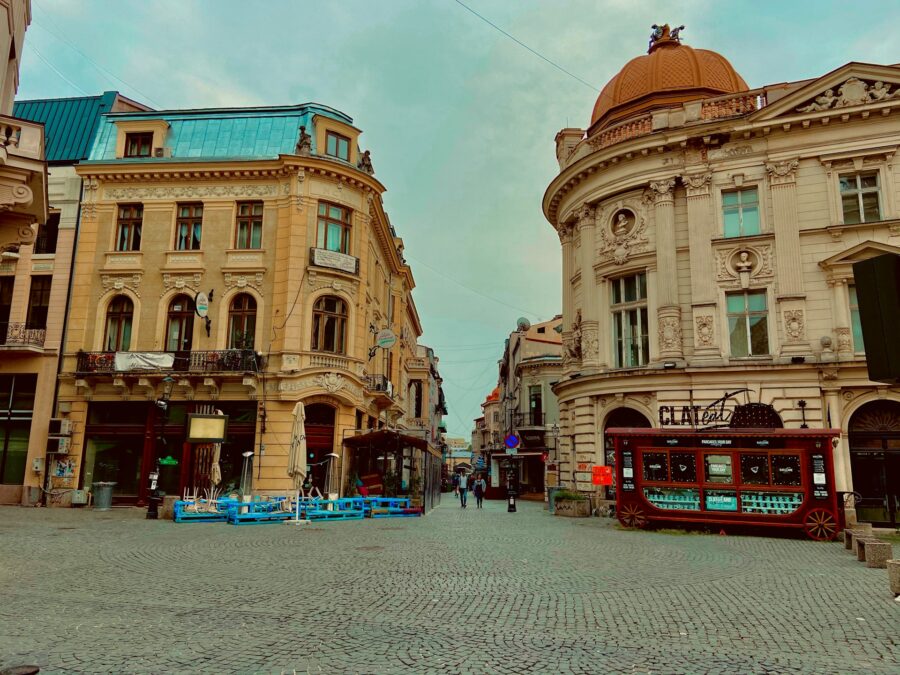
Rent usually eats up the biggest chunk of your budget. In Bucharest, central apartments cost more, but you can sometimes snag a deal in the outskirts if you’re near a metro stop.
Cluj’s rent has climbed in recent years, mostly thanks to students and techies flocking in. Even smaller neighborhoods feel the pinch.
Numbeo shows you’ll need a bit more cash in Bucharest to match the lifestyle you’d get in Cluj. A one-bedroom in the center? Expect to pay about 10–15% more in Bucharest.
If you’re staying a while, check out older blocks or apartments on quieter streets. They might not win any beauty contests, but they’ll save you a good chunk of change.
Utilities: Electricity and Water

Utilities run pretty close in both cities, but they can add up. You’ll usually pay between 600–800 lei a month for electricity, heat, water, and garbage for a modest apartment.
Crank up the AC in summer or rely on electric heaters in winter, and your bill will definitely jump.
Water’s cheap—often under 100 lei a month. Electricity, though, is unpredictable. Romania’s energy market can be a rollercoaster, so prices swing by season.
Older buildings in Cluj aren’t always energy-efficient, so heating in winter can hit your wallet harder.
Sometimes landlords will roll building maintenance fees into your rent, but not always. Ask upfront—surprise charges are never fun.
Groceries and Local Markets

Shopping for groceries feels pretty much the same in both cities. Kaufland, Lidl, Mega Image—they’re everywhere, and staple prices rarely change. Rice? Usually 6–8 lei a kilo, wherever you go.
The local markets, though, have their own personalities. Cluj’s markets feel cozier and more community-driven, while Bucharest’s Obor Market is huge, with endless fresh produce, cheese, and meats.
If you love to cook, local markets can slash your grocery bill and the ingredients are way fresher.
I always carry a reusable bag and sometimes a couple of foldable containers for market runs—vendors almost never give out free bags.
Dining and Nightlife Costs

Eating out is still a bargain compared to Western Europe, but prices do change from city to city. In Cluj, a meal at a mid-range spot might set you back 50–70 lei, while in Bucharest, it’s closer to 80 lei.
Street food is always cheap—shawarma or a warm covrig (pretzel) for just a few lei.
Bucharest’s nightlife? It’s wild, with more variety and higher prices. Trendy bars and clubs charge 20–30 lei for a drink, and cover fees can add up fast.
Cluj’s scene is more student-focused, so drinks are 20–30% cheaper, and the vibe is a bit more low-key.
If you’re out every night, you’ll spend less in Cluj. But if you want non-stop options and that electric, late-night energy, Bucharest is worth the extra lei.
Education and Universities
Both Bucharest and Cluj-Napoca have solid reputations when it comes to higher education. You’ll find top universities, tons of study programs, and two very different student experiences.
Top Universities and Academic Reputation

Bucharest is home to some of Romania’s oldest and most respected schools. The University of Bucharest and Politehnica University of Bucharest are the big names, known for research and a broad spectrum of courses.
You’ll also find specialized schools like the Bucharest University of Economic Studies (ASE), which always ranks among the country’s best.
Cluj-Napoca really leans into its student city reputation. Babeș-Bolyai University is Romania’s largest and offers classes in several languages—a huge plus for international students.
The Iuliu Hațieganu University of Medicine and Pharmacy stands out too, especially if you’re eyeing a medical career.
If you’re weighing the two, Bucharest wins for sheer size and variety, while Cluj feels more focused and modern, especially in terms of facilities.
EduRank’s 2026 rankings put both cities at the top for Romanian universities, so you’re in good hands either way.
Student Life and International Appeal
Student life feels totally different in each city. Bucharest is massive, with 170,000+ students scattered across countless campuses. You’ll get more events and cultural happenings, but also more competition and a faster pace.
It’s great if you thrive on energy, though it can be a bit much for some.
Cluj, with about 40,000 students, is smaller and more intimate. You’ll probably bump into the same people on campus or at your favorite café, which makes building a community way easier.
Cluj’s festivals and student-focused activities give it a youthful, international feel.
Housing can be tricky. Cluj has fewer dorms and they’re often pricier, while Bucharest gives you more options, though quality is hit or miss. Food is usually cheaper in Cluj, but you might find better rent deals in Bucharest.
A comparison by Antena3 points out that, over three years, living in Bucharest can end up costing more.
If you’re coming from abroad, Cluj tends to feel more welcoming. Locals are used to foreigners, and universities push programs in English, French, and German. Bucharest offers that too, but its size can make it harder to find your circle.
Culture, Lifestyle, and Entertainment
Bucharest and Cluj both serve up a blend of history, modern life, and plenty of ways to fill your free time. Their cultural events, food, and nightlife give each city its own flavor.
Cultural Attractions and Events

Bucharest impresses with its grand boulevards, communist-era architecture, and the gigantic Palace of Parliament. You could easily lose days exploring museums and theaters, or catch a show at the Romanian Athenaeum—one of Europe’s most gorgeous concert halls.
Cluj, though, is all about festivals and creative spaces. The Transylvania International Film Festival is the city’s crown jewel, drawing crowds every summer.
And then there’s Untold, one of Europe’s biggest electronic music festivals, turning the city into a massive party each year.
If you’re after smaller, artsy experiences, Cluj has loads of galleries and indie theaters tucked into the old town.
Guided city tours can help you unravel the history in both cities, whether you’re drawn to Bucharest’s urban sprawl or Cluj’s Transylvanian charm.
Local Cuisine and Food Scene
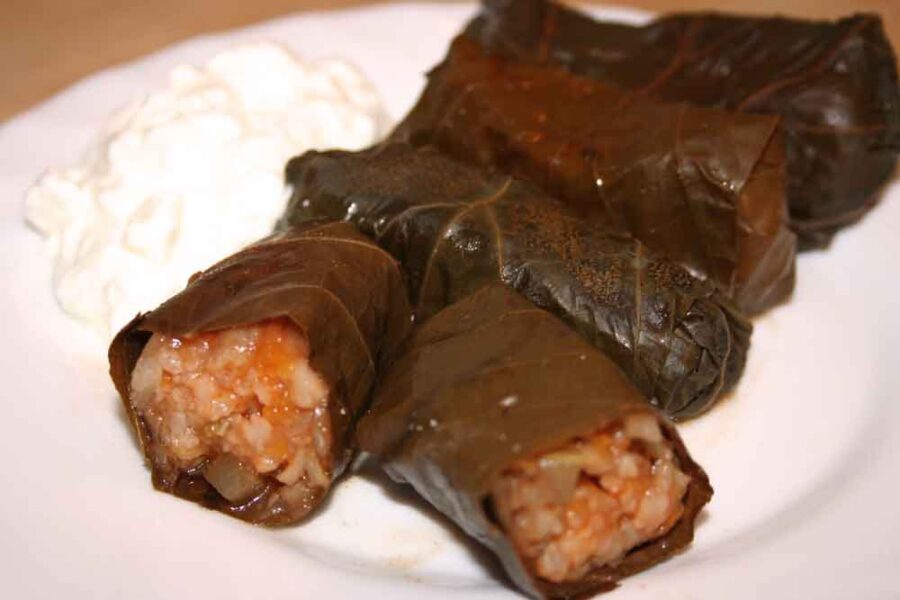
Let’s talk food—Bucharest’s got a hearty, comforting vibe going on, with Balkan and Turkish influences sneaking into almost every dish. You’ll spot sarmale (those cabbage rolls) and mici (grilled minced meat rolls) on just about every menu.
Trendy bistros and a wave of upscale spots have started popping up in the city center lately. It’s not all old-school; there’s a fresh, international flavor mixing in.
Cluj, though, feels younger and a little more daring when it comes to food. Thanks to the student crowd, you’ll stumble across tons of affordable street food, vegan bites, and some seriously good craft coffee.
But don’t worry, the classic Transylvanian stuff—stews, big bowls of soup, rustic bread—is still everywhere if that’s your thing.
Both cities have lively markets, perfect for grabbing local cheeses, cured meats, and whatever produce is in season. If you like planning ahead, you can even book attractions that mix food tastings with walking tours. Honestly, it’s a fun way to get a taste of everything without stressing about where to eat next.
Nightlife and Social Life

Bucharest’s nightlife? Wild. The Old Town buzzes with bars and clubs that don’t seem to close until the sun’s up. You’ll find everything—rowdy pubs with live music, sleek cocktail lounges, and spots that are packed every night.
It’s busy, sometimes a little over-the-top, but man, it’s got energy.
Cluj moves at a different speed, but don’t underestimate it. The student bars and underground clubs give the city this creative, slightly rebellious edge.
Rooftop bars like Klausen Burger serve up killer views, and when festival season hits, the whole city just spills into the streets.
If you’re after a more social, community-driven scene, Cluj might just win you over. But if you want sheer variety and that big-city buzz, Bucharest is hard to top. Either way, you’ll have no trouble finding new friends or a good story after dark.
Sports Scene: Football, Stadiums, and Rivalries
Football in Romania isn’t just a hobby—it’s a heartbeat. In Bucharest and Cluj, the sport shapes the city’s rhythm, from legendary clubs to stadium rituals that locals take seriously.
Superliga and Major Teams

You’ll hear about the Superliga as soon as you land in Romania. Bucharest claims FCSB (yeah, the old Steaua București), a club still living off that epic European Cup win from the ‘80s. Their fans? They expect nothing but the best, every single season.
Cluj’s pride is CFR Cluj. Since the late 2000s, they’ve been shaking things up, often outplaying the capital’s teams. When FCSB and CFR Cluj face off, the whole country pays attention.
Some smaller clubs are making things interesting too—Unirea Slobozia has been climbing fast, bringing fresh energy to the league. They’re not FCSB or CFR (yet), but who doesn’t love an underdog story?
Key Matches and Stadiums
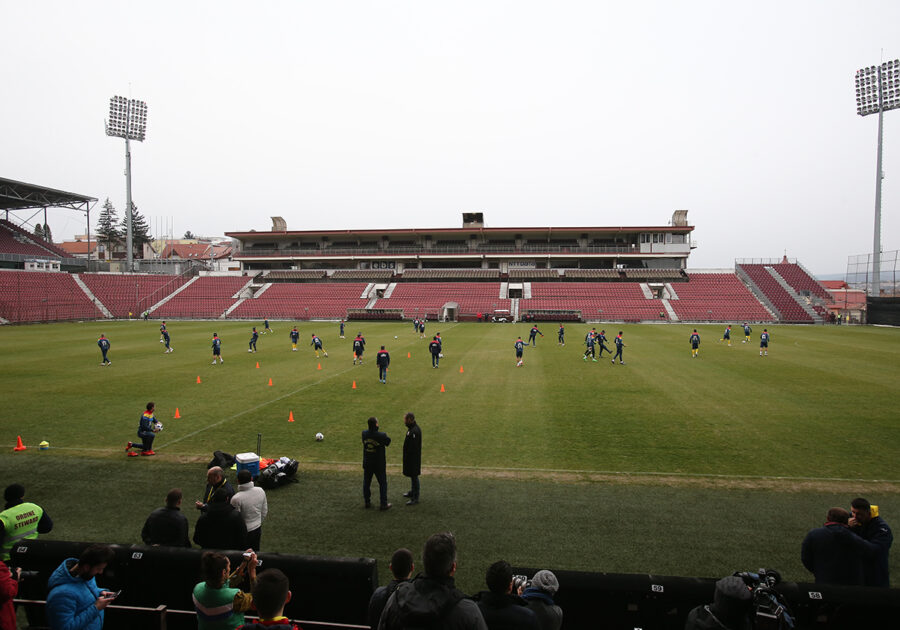
Cluj’s Stadionul Dr. Constantin Rădulescu is smaller, but honestly, that just makes it louder. The fans sit right on top of the action. Every shout, every cheer, every bit of drama—there’s nowhere to hide from it.
The big matchups—especially FCSB vs. CFR Cluj—can decide the whole season. Expect a ton of corner kicks, wild shots, and more than a few cards flying. The rivalry is real, and you can feel the tension long before kickoff.
Fan Experience and Live Stream Options
Romanian fans? They bring the noise. In Bucharest, FCSB’s “Peluza Nord” turn the stands into a wall of sound—chants, flags, nonstop energy. Cluj’s “Brigazile Galbene” hold their own too. These fans live for football weekends.
Can’t make it to the stadium? No worries—there are loads of live stream options for Superliga matches. Sofascore gives you real-time stats, which is perfect if you’re the type who likes to follow every shot and card.
But honestly, nothing beats being there. The smell of grilled mici outside, the buzz as the teams walk out, and that wild roar when someone finally scores—it’s the kind of thing you’ll remember long after you leave Romania.
Quality of Life and Safety
Cluj feels calm and friendly, while Bucharest brings that big-city energy and chaos. Daily life really depends on things like healthcare, transport, and how much green space you can find.
Healthcare and Medical Facilities

If you care about healthcare, the difference between Cluj and Bucharest stands out. Bucharest, as the capital, has the biggest hospitals and more specialists. You’ll find top clinics and private doctors, but public hospitals can get crowded—waiting takes patience.
Cluj doesn’t have as many giant hospitals, but people rave about the cleaner facilities and more attentive staff. A big student population, especially in medicine, brings a younger, international vibe to the scene. According to Numbeo, Cluj usually scores higher for healthcare satisfaction.
Most locals use private clinics in both cities. If you’re just visiting, make sure you’ve got travel insurance—private care isn’t cheap if you’re paying out of pocket.
Public Transport and Accessibility

Bucharest’s metro is a lifesaver when you need to cross town fast. Sure, some lines are old and packed, but it beats getting stuck in traffic. The city also connects to more international flights, which makes life easier if you travel a lot.
Cluj skips the metro but covers most of the city with reliable buses and trams. The city’s smaller, so you won’t spend ages commuting. Traffic jams happen, but they’re not as soul-crushing as Bucharest’s.
If you’re lugging around heavy bags, you’ll find luggage storage near the main stations in both cities. That little detail makes exploring way less of a hassle.
Green Spaces and Urban Comfort

Cluj really delivers when it comes to nature. Central Park sits right downtown, and the Apuseni Mountains are just a quick drive away. Weekends often mean hiking or even skiing if you’re into that. The air feels fresher, too.
Bucharest has some massive parks—Herăstrău and Carol are the big ones—but they’re usually busier and sometimes a bit rough around the edges. Pollution’s a bigger issue, and traffic noise is just part of the deal. Still, you can find peaceful corners if you know where to look.
Day-to-day, Cluj feels compact and manageable. Bucharest gives you more options for nightlife and culture, but you trade that for a little more stress and a little less breathing room.
Frequently Asked Questions
Travelers always notice the big contrasts between Romania’s two stars. You’ll see differences in culture, cost, attractions, nightlife, and even how easy it is to get around. Education and tech are big, too.
What cultural differences can travelers expect between Cluj-Napoca and Bucharest?
Cluj has a chill, student-driven vibe. The city leans into arts, film festivals, and that unmistakable Transylvanian feel.u003cbru003eu003cbru003eBucharest, though, is louder, faster, and way more diverse. International flavors—especially in food and nightlife—are everywhere.
How do the costs of living and visiting compare in Cluj-Napoca versus Bucharest?
Costs are pretty close, but it depends on what you’re after. Rent is usually a bit higher in Cluj, but eating out and going out can be cheaper than in Bucharest.u003cbru003eu003cbru003eIf you’re just visiting, you probably won’t notice a huge difference. Flights can swing either way, so keep an eye out for u003ca href=u0022https://going.sjv.io/nXVnVxu0022 target=u0022_blanku0022 rel=u0022noreferrer noopeneru0022u003echeap ticketsu003c/au003e before you decide which city to fly into.
What unique attractions does Cluj-Napoca offer that distinguish it from Bucharest?
Cluj sits right by the Apuseni Mountains, so escaping into nature is easy—think hiking, caving, and all that good stuff. The café scene is lively, and the Untold Festival is a must if you’re around.u003cbru003eu003cbru003eBucharest can’t match the mountain access, but it does have u003ca href=u0022https://www.realjourneytravels.com/tours/best-of-bucharest-sightseeing-guided-tour/u0022u003egrand architectureu003c/au003e and the jaw-dropping Palace of Parliament.
Can you highlight the differences in the nightlife experiences between Bucharest and Cluj-Napoca?
Bucharest’s nightlife is bigger, louder, and goes all night. Mega clubs, themed bars, and a truly international crowd fill the city.u003cbru003eu003cbru003eCluj’s scene feels smaller, but it’s got heart. Student bars, live music, and underground spots keep things interesting.
How do the educational and tech opportunities in Cluj-Napoca stand against those in Bucharest?
Cluj has built a name as Romania’s tech hub—startups and IT companies love it here. The universities pull in students from all over.u003cbru003eu003cbru003eBucharest still has more institutions and opportunities overall, but Cluj’s community feels tighter and more focused when it comes to both education and tech.
What are the transportation options when traveling between Cluj-Napoca and Bucharest, and how do they affect the overall travel experience?
Honestly, flying between Cluj-Napoca and Bucharest is the quickest fix—just about an hour in the air and you’re there. It’s hard to beat that if you’re short on time or just not in the mood for a long journey.u003cbru003eu003cbru003eTrains cost less, but wow, they really stretch out the trip—think 8 to 10 hours, give or take. Some folks find that kind of slow travel charming, but let’s be real, it’s not for everyone.u003cbru003eu003cbru003eYou could always hop on a bus. Personally, I find buses a bit cramped for such a long haul, but hey, they’re an option if you’re on a tight budget.u003cbru003eu003cbru003eAnd if you’re up for a bit of adventure, driving your own car opens up the chance to stop in those little towns you’d probably miss otherwise. Just brace yourself—traffic near Bucharest can get pretty wild and might test your patience more than you’d expect.