Cheapest Way from Barcelona to Madrid: Save Big on Every Route
Updated October 16, 2025
Traveling between Barcelona and Madrid doesn’t have to drain your wallet. The cheapest way to get from Barcelona to Madrid is usually by train when booked early, with some fares starting under $15. I’ve made this trip more times than I can count, and every time I’m reminded how easy it is to save money with a little planning and flexibility.
You’ll find plenty of ways to make the journey—bus, train, flight, even carpool—but not all offer the same value for your time and budget. The trick is knowing when to book, which routes to avoid, and how to spot those hidden discounts that most tourists miss.
Table of Contents
- Key Takeaways
- Quick Comparison of the Cheapest Options
- Overview of Travel Methods
- Lowest Prices by Transport Type
- Travel Time vs. Cost Analysis
- Budget Train Travel: Finding the Lowest Fares
- High-Speed vs. Regular Trains
- Booking Tips and Advance Deals
- Best Times to Find Cheap Tickets
- Bus Journeys: Traveling from Barcelona to Madrid on a Budget
- Major Bus Companies and Schedules
- Where to Board and Arrive
- Pros and Cons of Bus Travel
- Cheap Flights: When Flying Makes Sense
- Finding Discounted Airfares
- Navigating Barcelona-El Prat Airport
- Arrival at Madrid-Barajas and Transfers
- Carpooling and Rideshare: Alternative Low-Cost Options
- How Carpooling Works in Spain
- Popular Platforms and Safety Tips
- Insider Strategies for the Cheapest Journey
- When to Book for the Best Prices
- Combining Transport Modes for Savings
- Frequently Asked Questions
- What are the most cost-effective transportation options between Barcelona and Madrid?
- What is the average duration of a train journey from Barcelona to Madrid?
- Can budget travelers find cheaper flights or train tickets for travel from Barcelona to Madrid?
- How does the travel time by bus compare to train or flight between Barcelona and Madrid?
- Are there any tips for securing the best deals on Barcelona to Madrid travel itineraries?
- What are the lesser-known methods for reducing travel costs from Barcelona to Madrid?
- Book Your Dream Experience
- More Travel Guides
Key Takeaways
- Learn which travel option gives the best value between the two cities
- Discover how timing and booking choices affect ticket prices
- Get practical tips for saving money without sacrificing comfort
Quick Comparison of the Cheapest Options
Getting from Barcelona to Madrid can be inexpensive if you choose wisely. Prices vary depending on the mode of transport, but buses usually cost the least, while trains and flights trade higher prices for speed and comfort. Each option has its own balance between cost, time, and convenience.
Overview of Travel Methods

You’ve got four main ways to travel between Barcelona and Madrid: bus, train, carpool, and flight. The bus is the most budget-friendly, though it takes longer. The train, especially the high-speed AVE, costs more but saves hours. Flights can sometimes rival train prices if you book early, but airport transfers add time and cost.
I’ve taken all three over the years, and honestly, the bus wins for pure savings. But if you value your time, the train feels like the sweet spot—comfortable, fast, and still affordable when booked ahead. Driving or carpooling can be flexible, but tolls and fuel often make it pricier than you’d expect.
Lowest Prices by Transport Type
Here’s a quick look at typical one-way prices:
| Transport | Average Price (USD) | Duration | Notes |
|---|---|---|---|
| Bus | $20–$40 | 7–8 hrs | Cheapest, slower |
| Train | $25–$150 | 2.5–3 hrs | Fast, comfortable |
| Flight | $40–$100 | 1 hr (plus airport time) | Quick but less convenient |
| Carpool | $30–$60 | 6–7 hrs | Depends on driver and route |
You can often find discounts for early bookings. I’ve snagged train tickets for under $30 by checking a few weeks ahead. If you’re hunting for low-cost flights, try searching on flight deals to compare prices easily.
Travel Time vs. Cost Analysis
The main trade-off is time versus money. A bus ride can take up to eight hours, but it’s easy on your wallet. Trains cut that time by more than half, making them ideal for short trips or business travel. Flights look fastest on paper, yet airport check-in and transfers often erase much of that advantage.
If you’re planning a flexible trip, the bus gives you the lowest cost per mile. But if you’re short on time, the high-speed train’s 2.5-hour ride is worth the extra expense. For a mix of savings and comfort, I’d say book a low-fare train seat early through a reliable platform like Expedia.
Budget Train Travel: Finding the Lowest Fares
Traveling between Barcelona and Madrid by train can be both fast and affordable if you plan ahead. Prices vary depending on the type of train, when you book, and even the time of day you travel. With a little strategy, you can save a surprising amount without sacrificing comfort.
High-Speed vs. Regular Trains
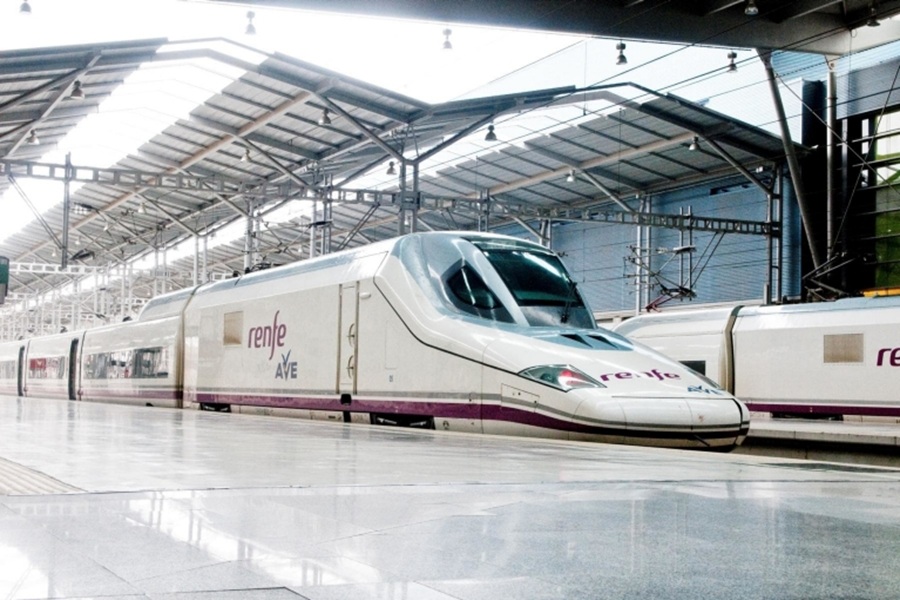
Spain’s high-speed trains, known as AVE and Avlo, connect Barcelona-Sants and Madrid-Puerta de Atocha in about 2.5 hours. They’re clean, quiet, and usually cost more, but you can often find discounted seats if you book early.
Budget operators like OUIGO offer similar routes at lower prices. These trains may take slightly longer and have fewer onboard extras, but they’re a solid choice if saving money matters more than a few minutes of travel time.
Regular long-distance trains are slower—around 6 to 9 hours—but sometimes cheaper if you catch a last-minute deal. I once took one just to see the countryside roll by, and honestly, it was worth the extra time for the views alone.
| Train Type | Travel Time | Typical Price Range | Best For |
|---|---|---|---|
| AVE / Avlo | 2.5–3 hrs | $40–$80 | Speed & comfort |
| OUIGO | 2.5–3 hrs | $20–$50 | Budget travelers |
| Regular | 6–9 hrs | $25–$60 | Scenic routes |
Booking Tips and Advance Deals
Book early—ideally 1 to 3 months ahead—to grab the lowest fares. Spanish train tickets usually go on sale about 60 to 90 days before departure, and the cheapest seats disappear fast.
I’ve noticed that booking directly through Renfe or OUIGO often gives better deals than third-party sites. But if you’re planning a full trip with hotels or flights, it can be handy to combine everything in one place through affordable travel options.
Check for youth, senior, or group discounts. Some trains even offer flexible tickets that let you change your travel time for a small fee. It’s worth comparing these options before locking in your plans.
Best Times to Find Cheap Tickets
Weekdays usually have cheaper fares than weekends. Early morning and late evening trains often cost less because they’re less popular.
If you can, avoid peak summer months like July and August when locals and tourists alike fill the trains. I’ve found that traveling in spring or fall not only saves money but also means fewer crowds at the stations.
Try setting fare alerts or checking prices on different days of the week. Sometimes shifting your trip by just a few hours can cut the cost in half. And don’t forget—Spain’s train system rewards flexibility, so the more adaptable your schedule, the better your chances of finding a bargain.
Bus Journeys: Traveling from Barcelona to Madrid on a Budget
Taking the bus between Barcelona and Madrid can save you a good amount of money, especially if you plan ahead. You’ll find flexible schedules, comfortable seats, and direct routes that make the long ride manageable without breaking your travel budget.
Major Bus Companies and Schedules
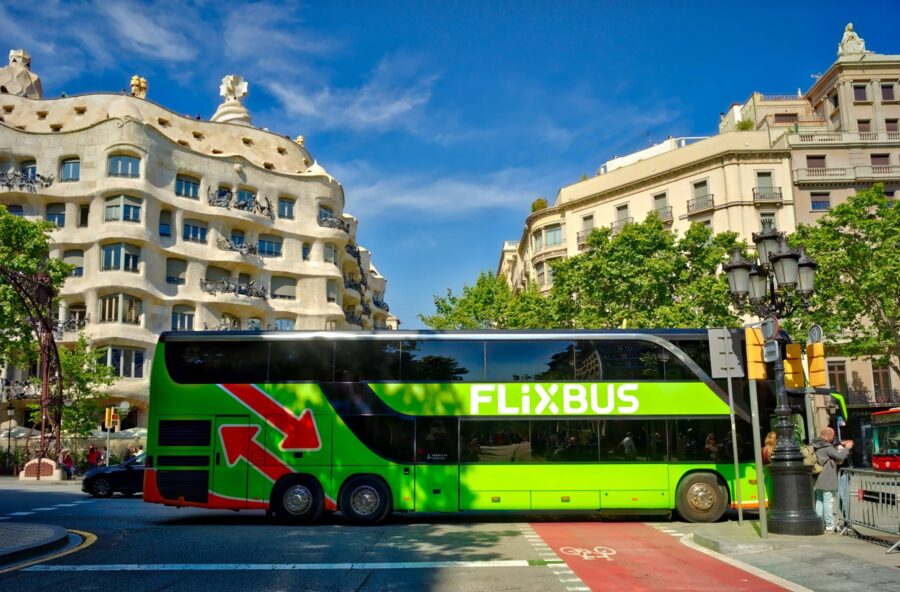
Two main bus companies handle most of the trips: Alsa and FlixBus. Alsa has been around forever and offers the widest range of departure times—up to 30 buses a day, including several overnight routes. FlixBus tends to focus on lower fares and online booking deals, which can be great if you’re flexible with your timing.
Most daytime buses take about 7 to 8 hours, while night buses can stretch a little longer but save you a night’s accommodation. I’ve taken the night bus before—slept surprisingly well with a neck pillow and some noise-canceling headphones.
Buying tickets early usually gives you the best price, sometimes as low as €19–€25 if you catch a sale. Prices go up closer to departure, especially on weekends or holidays. You can book directly on the companies’ websites or through travel apps like Omio.
| Company | Typical Duration | Price Range | Frequency |
|---|---|---|---|
| Alsa | 7–8 hours | €19–€35 | Up to 32 per day |
| FlixBus | 7–9 hours | €20–€40 | Several per day |
Where to Board and Arrive
In Barcelona, most long-distance buses to Madrid leave from Estació del Nord, near Arc de Triomf metro. It’s easy to reach by subway or bus, and there’s a small café if you want a snack before boarding. I usually grab a coffee there—it’s not fancy, but it does the job.
When you arrive in Madrid, you’ll likely stop at Estación Sur or Avenida de América. Both connect directly to the metro, so you can get to your hotel or the city center quickly. Some routes also stop at Madrid Barajas Airport (T4), which can be handy if you’re catching a flight right after.
If you’re traveling with luggage, don’t worry—each passenger can bring one checked bag and one carry-on at no extra cost. That’s a small but helpful perk compared to budget airlines.
Pros and Cons of Bus Travel
Bus travel between Barcelona and Madrid isn’t glamorous, but it’s practical. The main advantage is cost—you’ll almost always pay less than for a train or flight. You also avoid airport security lines and can bring liquids or snacks without hassle.
The downside is the time commitment. Seven or eight hours on the road can feel long, especially if you’re not great at sleeping in a seat. Still, most modern buses have Wi-Fi, power outlets, and reclining seats, which make the ride easier.
If you’re the type who likes to watch the scenery roll by, the route offers a glimpse of central Spain’s dry plains and small towns. And honestly, there’s something kind of peaceful about that stretch of highway—especially when you’re not in a rush.
Cheap Flights: When Flying Makes Sense

Flying between Barcelona and Madrid can be faster and sometimes cheaper than the train if you plan smartly. With several daily flights, you can leave in the morning and be in Madrid before lunch, which makes air travel a practical option for short stays or business trips.
Finding Discounted Airfares
You can often find one-way flights from Barcelona-El Prat to Madrid for under $40, especially if you book early or travel midweek. Prices usually rise during holidays and summer, so flexibility helps. I’ve found that checking multiple booking sites, like Fly Cheap to Top Destinations! or Skyscanner, gives you a clearer idea of what’s actually a deal.
Low-cost airlines such as Vueling, Ryanair, and Iberia Express compete heavily on this route. They often include only a small carry-on, so factor in baggage fees before deciding.
If you’re flying last minute, compare flight times rather than just price. Sometimes a slightly more expensive early flight saves you a hotel night or extra day off work, which balances out the cost.
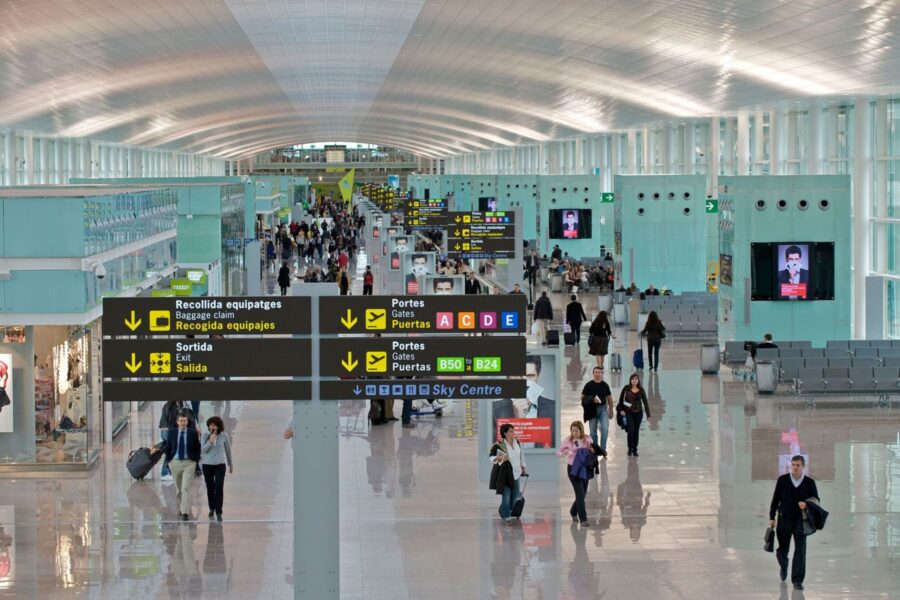
Barcelona-El Prat Airport (BCN) sits about 15 km from the city center. The Aerobús and metro are the easiest ways to get there, taking roughly 30–40 minutes depending on traffic. I usually allow at least 90 minutes before departure—security lines can move slowly during busy hours.
Terminal 1 handles most full-service airlines, while Terminal 2 is where you’ll find budget carriers. They’re connected by a free shuttle bus that runs every few minutes.
Grab a quick bite before boarding; BCN has decent cafés and small tapas bars near the gates. If you’ve got more time, the airport even has a few quiet lounges where you can relax before your short hop to Madrid.
Arrival at Madrid-Barajas and Transfers

Flights from Barcelona usually land at Adolfo Suárez Madrid-Barajas Airport (MAD), about 12 km from central Madrid. The airport sprawls but signs are clear, so even if it’s your first time, you’ll figure things out without much hassle.
You’ve got a few options for getting downtown: Cercanías train, Metro Line 8, or the airport express bus. I almost always take the train—it’s cheap, straightforward, and gets you to Atocha Station in about 25 minutes.
If you’re itching to hit the ground running, booking tours or activities ahead with GetYourGuide or Viator can save you time. Madrid’s public transport is solid, but after a groggy morning flight, sometimes I just want a prepaid transfer so I don’t have to think.

Traveling from Barcelona to Madrid doesn’t have to empty your pockets. Carpooling and rideshare apps can cut travel costs while giving you a chance to chat with locals and travel on a schedule that isn’t set in stone. These services connect drivers already making the trip with folks heading the same way, and you just split fuel and tolls.
How Carpooling Works in Spain
Carpooling is pretty simple in Spain. You join a platform, look for a driver going Barcelona to Madrid, and snag a seat. The driver sets the time, route, and price per seat—usually much less than a train ticket.
You’re just covering costs, not paying someone’s salary, so it stays legal and affordable. Meeting points are usually public and easy to reach, often near metro or bus stations.
I’ve done this ride a handful of times. One trip, the driver pulled off near Zaragoza for a coffee. It felt way more personal than being stuck in a train carriage.
Here’s what you can expect:
| Feature | Carpooling (Spain) |
|---|---|
| Average Cost | €25–€40 one way |
| Travel Time | 6–7 hours |
| Flexibility | Medium to high |
| Booking | Through apps or websites |
If you travel light and don’t mind a chat, carpooling’s honestly a great way to go.
Popular Platforms and Safety Tips
BlaBlaCar is the big name for long-distance carpooling in Spain, but you’ll also see Amovens and Waze Carpool pop up. All of them let you check driver profiles and reviews.
Always peek at the driver’s rating and scroll through a couple of recent comments. I like to message the driver before booking, just to confirm things like luggage space or whether they plan to stop for snacks.
Keep your valuables on you and share your trip details with someone you trust. Most drivers are decent, but it’s smart to stay cautious—especially if you’re new to this.
Some rideshare apps like Ola or EZCarpool offer scheduled rides with vetted drivers. They’re not as common for city-to-city trips in Spain yet, but I’m keeping an eye on them as they grow.
And honestly, after a few rides, you might start to prefer the company (and the savings) over a solo train ride.
Insider Strategies for the Cheapest Journey
Scoring the lowest fare between Barcelona and Madrid takes more than dumb luck. Prices swing with timing, how early you book, and how you mix up your transport. If you’re willing to plan a bit and stay flexible, you can cut your travel costs without sacrificing comfort.
When to Book for the Best Prices

Book early—ideally 3 to 8 weeks ahead—for the cheapest train and flight tickets. On the Barcelona Sants to Madrid Atocha route, I’ve seen tickets dip to $10–$20 during early sales from Renfe, Iryo, or OUIGO. Wait until the last week, and those same seats can triple in price.
Weekends and holidays make fares spike, in my experience. Midweek trips—especially Tuesday or Wednesday mornings—are usually the sweet spot. Sometimes, tickets released after midnight or at odd hours come with random discounts, so it’s worth checking then if you’re up late.
Platforms like Trainline or Omio let you set up fare alerts. I’d sign up; the notifications have saved me a chunk of change more than once. If you spot a fare 30–40% below the usual, just book it. Waiting rarely pays off.
Combining Transport Modes for Savings

Mixing travel modes can squeeze more savings out of your trip. For example, you could take a night bus from Barcelona to Zaragoza and then hop a regional train to Madrid. It’s slower than the AVE, but you can get the total cost under $25.
Some folks fly one way and take the train back. An early flight to Madrid, then a train return, often costs less than a round-trip on either.
Carpooling apps like BlaBlaCar are another trick. Sometimes you’ll find a ride for under €15, especially on weekdays. If you pair that with a cheap train or bus for the other leg, your euros go even further.
If you’re not in a rush, slower trains like Media Distancia or Regional Express take 6 to 7 hours, but tickets can be half the price of high-speed options. For those who’d rather save than sprint, it’s a fair trade.
Frequently Asked Questions
What are the most cost-effective transportation options between Barcelona and Madrid?
If you’re counting coins, the bus usually wins. Alsa often sells tickets for €19–€21. It’s not fast, but if you don’t mind the journey, it’s a solid way to keep costs down.
Trains can be cheap too if you snag a Promo or AVLO fare early. These budget high-speed trains can get close to bus prices.
What is the average duration of a train journey from Barcelona to Madrid?
The high-speed AVE or Ouigo trains take about 2.5 to 3 hours. That’s quick enough for a comfortable day trip if you plan it right.
I’ve done this trip a few times, and honestly, the Spanish countryside makes the hours fly.
Can budget travelers find cheaper flights or train tickets for travel from Barcelona to Madrid?
Absolutely, but timing is everything. Low-cost airlines like Vueling or Air Europa sometimes drop fares to €20–€25 if you book early.
For trains, keep an eye out for Renfe Promo or Ouigo flash sales. They don’t last, so setting up alerts is worth it.
How does the travel time by bus compare to train or flight between Barcelona and Madrid?
Buses take about 7 to 8 hours, give or take. Trains cut that to around 2.5 hours, while flights are about 1 hour 20 minutes in the air—though airport time adds up.
If you like a slower pace, the bus is fine. If you’re in a hurry, train or plane is better.
Are there any tips for securing the best deals on Barcelona to Madrid travel itineraries?
Book as early as you can—prices almost always climb as departure approaches. Midweek travel, especially Tuesday or Wednesday, is usually cheaper.
I like using apps that compare all the options at once. They make spotting deals way easier than toggling between a dozen sites.
What are the lesser-known methods for reducing travel costs from Barcelona to Madrid?
Give overnight buses a shot—they’re not exactly luxury, but they save you a hotel bill and get you where you need to go. Can’t argue with that kind of efficiency.
Check out group discounts or youth cards; they can chip a few euros off your train ticket. Honestly, sometimes just mixing things up—like grabbing a cheap train one way and hopping on a bus for the return—ends up lighter on your wallet than you’d think.