Last modified August 17, 2026
Patagonia really calls out to the adventurous, the dreamers, and, honestly, anyone who wants to feel tiny in a landscape that just goes on forever. If you’re wondering about the best time to visit Patagonia, most folks will tell you it’s the Southern Hemisphere’s summer—December through March—when the weather plays nice and most parks actually open their gates. Still, here’s the real scoop: every season in Patagonia flips the script. One month you’re wading through wildflowers and staring at turquoise lakes, the next you’re crunching over snow and wandering nearly deserted villages.
When you’re putting together your Patagonia itinerary, it’s all about matching your plans to what you care about most. Want to see penguins and whales? Or is hiking under those jagged peaks your non-negotiable? Maybe you’re after those rare, crowd-free moments—trust me, the photos hit different when it’s just you and the landscape. After years rambling around this wild region, I can say: timing shapes the whole adventure, more than most places.
Key Takeaways
- Summer (Dec–Mar) is the ideal time for most travelers
- Each season brings unique scenery and activities
- Customizing your itinerary depends on your goals
Understanding Patagonia’s Climate and Seasons
Patagonia doesn’t just have seasons—it has moods. The region cycles through all four, swinging from blazing sun to sideways rain, and that’ll shape everything from what you pack to what animals you might bump into.
It’s almost a rite of passage to get caught off guard by Patagonia’s weather. That’s part of the fun, but also a reason to plan with a little extra wiggle room.
Spring in Patagonia
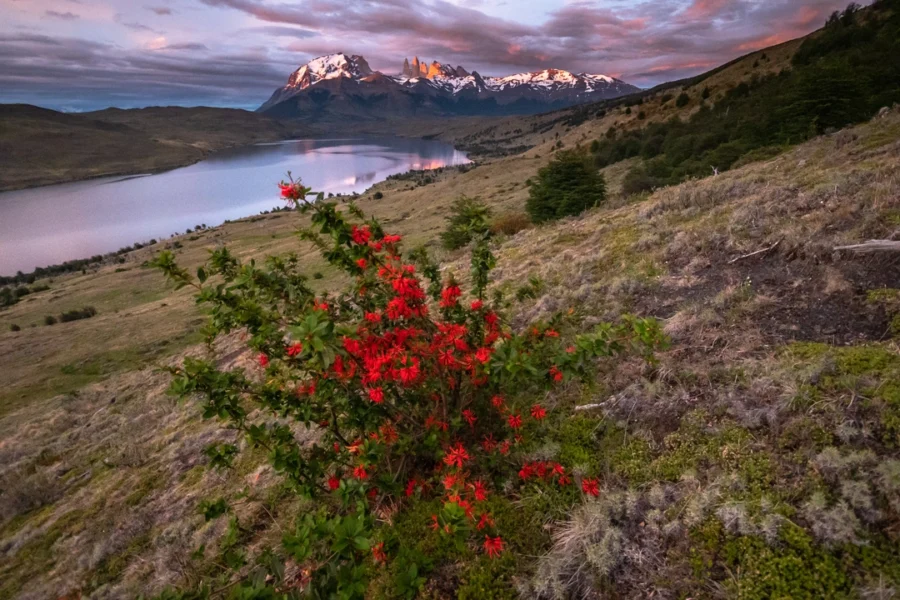
Patagonia starts to shake off winter’s grip from September to November. Spring here means milder temps, fresh green growth, and way fewer people on the main routes. I still remember an October visit—Patagonian wind nearly knocked me over, but those wildflowers? Unreal.
Most days, you’ll get comfortable trekking conditions, but that wind—yeah, it’s relentless. Toss an extra layer in your pack. Towns and trails stay quiet, so finding a bed or a table at a local joint is a breeze. If you thrive on a bit of unpredictability, spring gives you some of the region’s best color and energy.
Key highlights:
- Wildflowers everywhere
- Longer daylight hours
- Rivers running high with snowmelt
Summer Months and Their Appeal
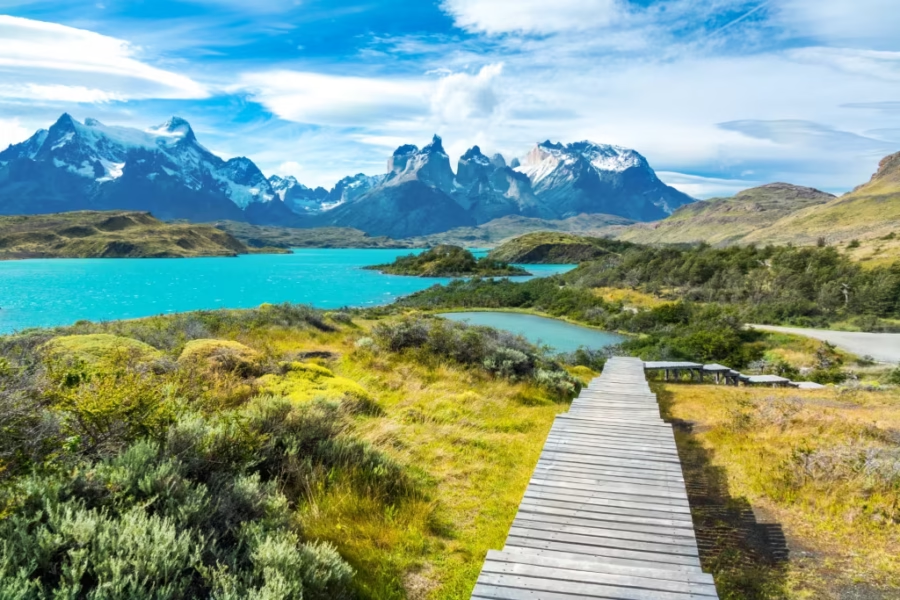
December through March—summer in Patagonia—is when travelers from all over the globe pour in. The weather softens up, and daylight sticks around forever, sometimes close to 17 hours depending on where you are. You’ll see the place come alive with hikers, backpackers, and nature fanatics.
Don’t expect blazing heat; it’s usually in the 60s or low 70s Fahrenheit, which is honestly perfect for trekking. Glaciers, lakes, and mountain trails all open up for business. But, fair warning, crowds at Torres del Paine and El Chaltén can get wild. If you love energy, festivals, and lively towns, this is your window—Patagonia feels like a global meeting point in summer.
- Warmest temps of the year
- Perfect for hiking, biking, and boat tours
- Social vibe and lots of local events
Autumn Colors and Tranquility
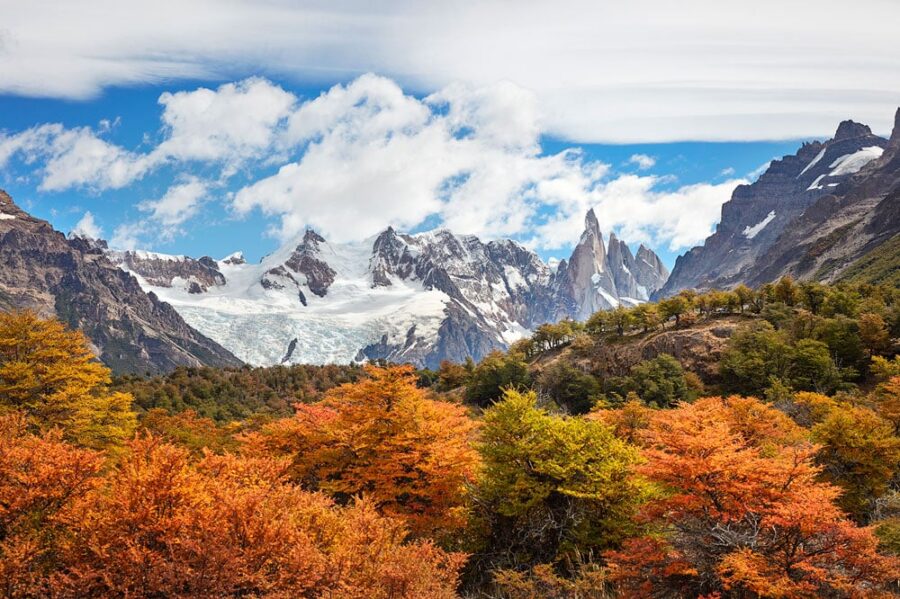
By late March, April, and May, Patagonia slips quietly into autumn. The lenga and ñire trees explode in reds, golds, and oranges. I’ve never seen anything quite like it—think New England’s fall, but with guanacos and snowy peaks. The air sharpens, the wind chills out, and suddenly the crowds have vanished.
If you’re into photography, autumn is a jackpot. Trails go quiet, campsites are easier to snag, and the sunsets just get ridiculous. Nights do get colder, so pack a warm sleeping bag, but you’ll trade that for peaceful paths and a gentler pace.
Why visit in autumn?
- Incredible foliage and landscapes
- Fewer tourists and quieter trails
- Better chances to see wildlife preparing for winter
Winter Weather and Activities

From June through August, Patagonia heads into winter, and, honestly, it’s a different beast. Most people skip it—roads and hotels close, and the weather can get downright gnarly: snow, freezing temps, and short days. But if you’re stubborn (like me) or just want to see Patagonia’s wild side, winter’s got a certain magic.
Bariloche in Northern Patagonia actually buzzes with ski crowds. Farther south, you might have entire valleys to yourself. If snowshoeing, backcountry skiing, or just absolute silence sound appealing, this is your time. But come ready—services are thin, and the weather can change in a heartbeat.
- Prime time for winter sports in the north
- Epic snowy landscapes
- Solitude and a different side of Patagonia
Peak Season vs. Shoulder Seasons
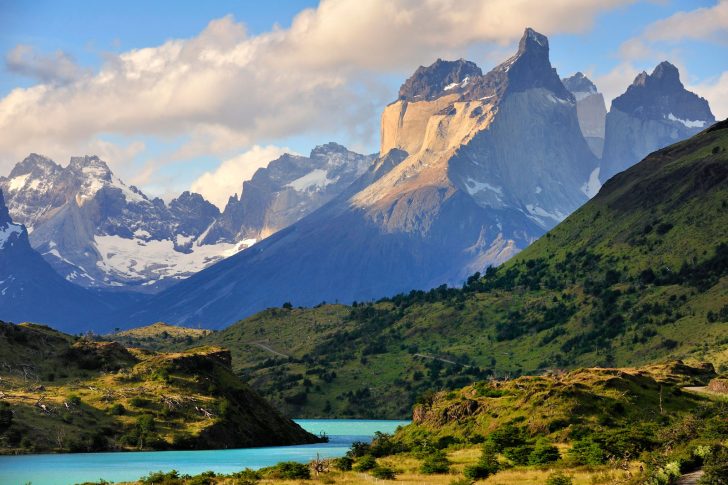
Patagonia’s crowds and weather shift a lot depending on when you show up. Some trails close outside the busy months, and you’ll notice how prices and bookings change with the seasons.
Summer Crowds and Booking Considerations
From November to March, Patagonia’s summer draws the biggest crowds. The weather’s at its best, and daylight stretches on and on—perfect for hiking, kayaking, and just wandering.
With all that, though, comes a serious surge in people. Trails at Torres del Paine and El Chaltén get crowded, and beds disappear fast. I once tried to wing it, booking places last minute—huge mistake. By December, nearly everything was full.
If you’re set on summer, plan ahead. You might find yourself scouring hotel and lodging sites at midnight, just hoping for a spot. Prices climb, and restaurants fill up. Still, if you want those jaw-dropping landscapes with endless daylight and clear trails, summer’s tough to beat.
Advantages of the Shoulder Season
For my money, the shoulder seasons—September to early November and late March through April—deliver Patagonia at its best. The crowds vanish, and suddenly you feel like you’ve got the whole place to yourself.
You might still see snow lingering on the hills in spring, or catch those fiery autumn leaves. Some trails might close if the weather turns, but most classics stay open. Plus, you’ll find deals on trip packages and excursions that just don’t exist in summer.
Locals actually have time to talk and share stories, which is rare in the busy season. The pace slows, and you get to breathe—Patagonia feels wilder and more real. Just don’t forget: the weather can flip on you, fast. Bluebird skies can turn stormy in an hour, so pack layers and keep your plans flexible.
Wildlife Watching Opportunities
Patagonia’s one of those places where you might see big cats, herds of wild animals, and even whales—all in one trip if you’re lucky. Timing and a bit of luck help, but knowing where to look is half the battle.
Pumas, Guanacos, and Deer
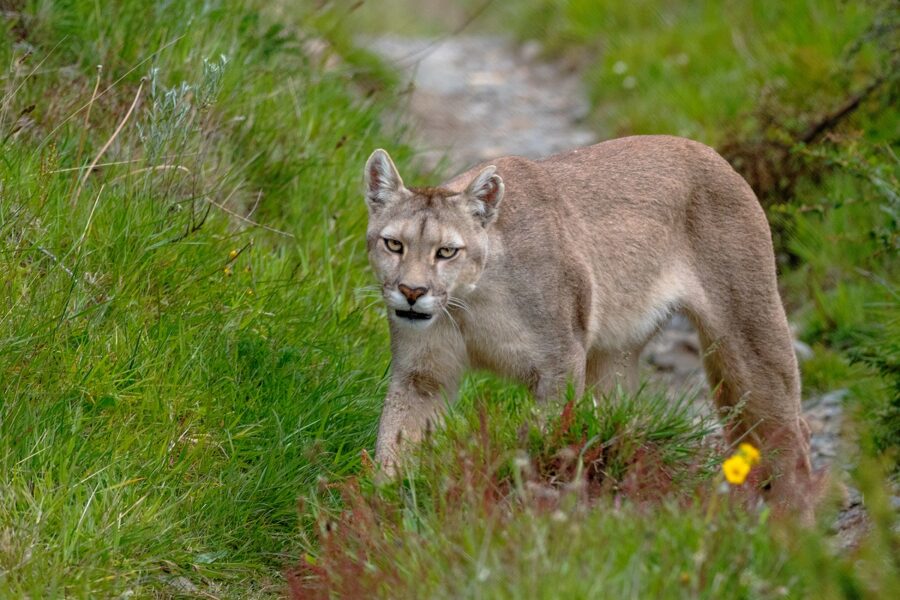
If you’re hoping to spot Patagonia’s pumas, head for the southern parks—Torres del Paine is the classic. I’ll never forget walking near Laguna Amarga, my guide whispering as a puma stretched out in the last light. They’re smart and elusive, so patience pays off—dawn and dusk are your best bet.
Guanacos, those llama cousins, hang out in big groups on the grasslands. Sometimes you’ll see more of them than people. Watch them freeze and stare—they’re the region’s best alarm system if a puma is nearby. South Andean deer (huemul) are rare and shy, sticking close to forests and rivers. Spotting one feels like winning the lottery.
Here’s a tip: bring binoculars. Patagonia’s distances are sneaky, and animals blend right in. Local guides? Absolutely worth it—they know the backstories and secret spots you’d never find solo.
| Animal | Best Spot | When To Look |
|---|---|---|
| Puma | Torres del Paine | Dawn/Dusk |
| Guanaco | Open grasslands | All Day |
| Huemul Deer | Forest edges | Early Morning |
Whale Watching Tips
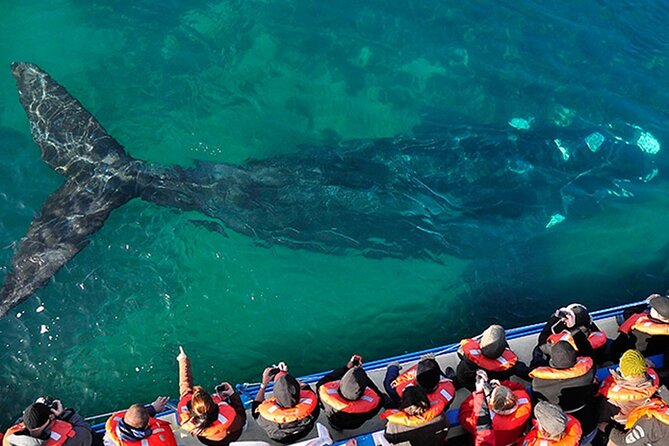
Want to see whales? Head for the Argentine coast—Península Valdés is the hot spot. The best stretch is June through December, when southern right whales come close to shore. You won’t need a giant boat; sometimes you’ll spot them right from the beach.
The first time I saw a whale tail slap the water, I probably cheered louder than the kids on the boat. Bring a windbreaker, though—the breeze stings. Book early, too; small towns fill up fast in whale season, and tours sell out. Sea lions, dolphins, and oddball birds also show up along the shore.
Don’t just do boat tours. Some guides offer kayaking near whales (if you’re feeling bold) or hikes to cliff viewpoints. Take your time, wait for a clear day, and keep your camera handy—you’ll want the proof.
Unique Patagonian Wildlife
Let’s talk about Patagonia’s less-famous creatures. You might see a hairy armadillo scurrying across the steppe, or spot a family of rheas—those big, goofy birds that run like they’ve had too much coffee. Kids love them.
If you’re into birds, look up for the Andean condor. These prehistoric-looking giants ride the wind above the cliffs. After a sweaty hike, I once watched a condor circle so close I could see the white ruff around its neck.
Besides the “headliners,” you might bump into foxes, skunks, flamingos, or penguins along the southern coast. Every season brings its own cast—from fox kits in spring to rowdy penguin colonies in summer. Here’s a little secret: stop by a quiet marsh and watch. The small critters love to hide where you least expect them.
Best Time for Outdoor Activities
If adventure is your goal, timing is everything in Patagonia. Summer’s mild temps mean longer days for hiking and climbing, but you’ll want to weigh crowds and unpredictable weather.
Hiking and Trekking
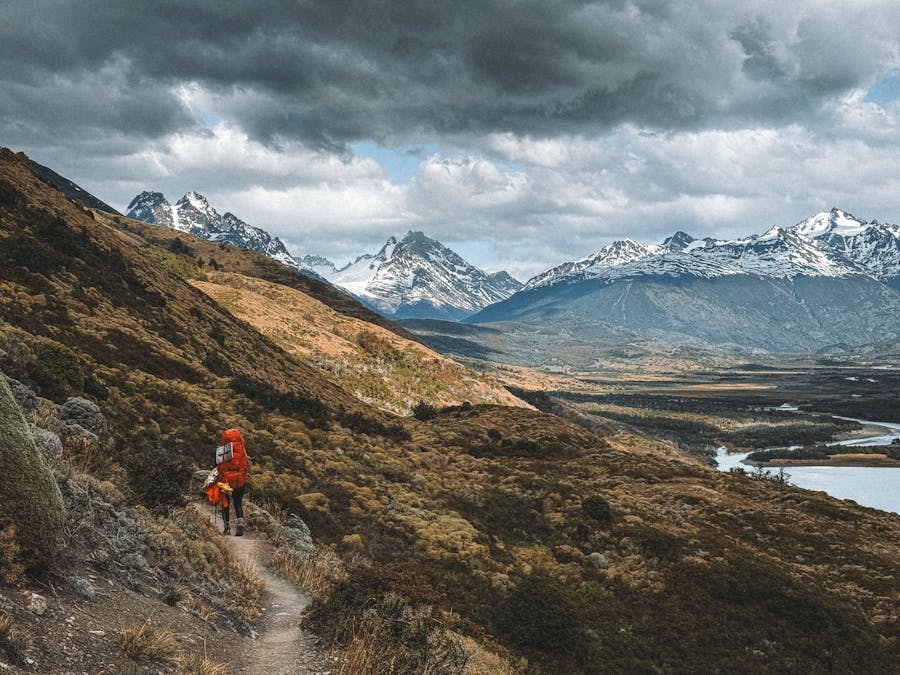
November to March is prime time for hiking and trekking in Patagonia. The weather eases up, trails open, and classics like the W Trek and O Circuit in Torres del Paine are finally accessible. Book activities ahead—these months draw travelers chasing clear views and warm afternoons.
You’ll find everything from easy lakeside walks to brutal multi-day treks. Spring (October–November) is less crowded, and wildflowers are everywhere, but the weather’s moodier. Early autumn brings crisp air and emptier trails. And the wind? It’s Patagonia’s signature—don’t underestimate it, especially on exposed ridges.
If you’re hiking solo, stick to marked trails. The weather can turn on a dime. And don’t just snap photos—put the camera down sometimes and just take it in. When you get a rare blue-sky day, slow down and soak it all up. That’s the magic you’ll remember.
Climbing and Mountaineering
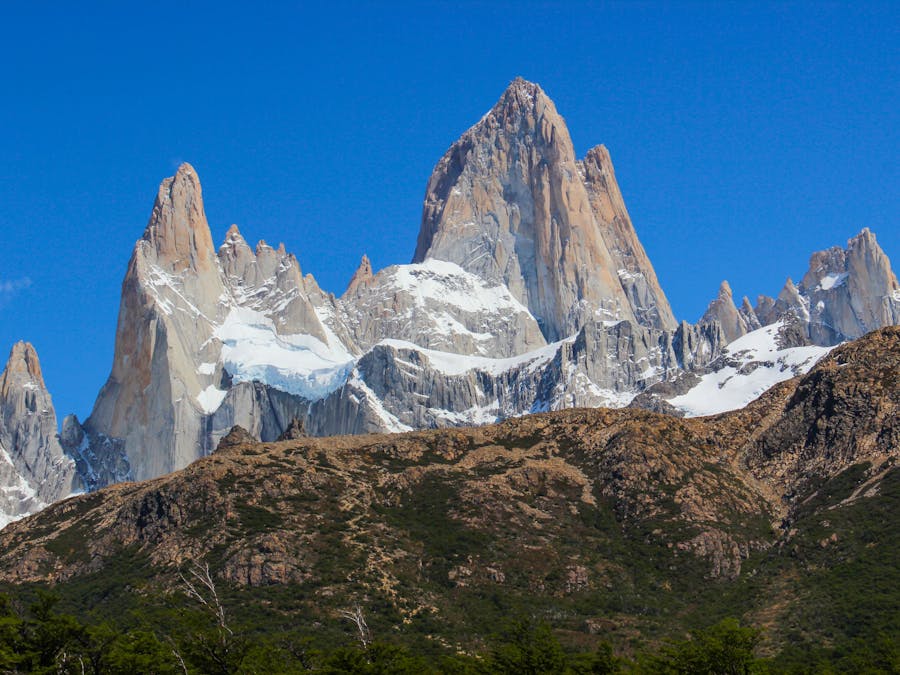
If climbing or mountaineering is your thing, you’ll probably want to stick with summer. Long daylight stretches (sometimes until 10 p.m.!) give you hours to chase summits and avoid those miserable, frozen early starts.
Fitz Roy and Cerro Torre really do call to the boldest adventure seekers. But don’t let the blue skies fool you—Patagonian weather can flip from sunshine to a snow squall in a heartbeat.
Some folks I’ve met swear by early spring or late autumn for technical climbs. They claim you’ll dodge the crowds on the rock faces. I’ll admit, if you’re going outside summer, you’d better have the skills and the nerve for sudden storms or those bone-chilling temps.
Pack smart—layers, waterproofs, and your own gear if you can. Local guides aren’t just for beginners; they know the secret routes, the hidden crags, and sometimes even when the wind will turn. If you’re eyeing a guided trip, book way ahead. The prime tours always vanish first.
Seasonal Adventure Sports in Patagonia
If you’re all about outdoor adventure, Patagonia never really runs out of adrenaline. Pick your season and you can chase powder, run wild rivers, or stalk monster trout.
Skiing and Snowshoeing
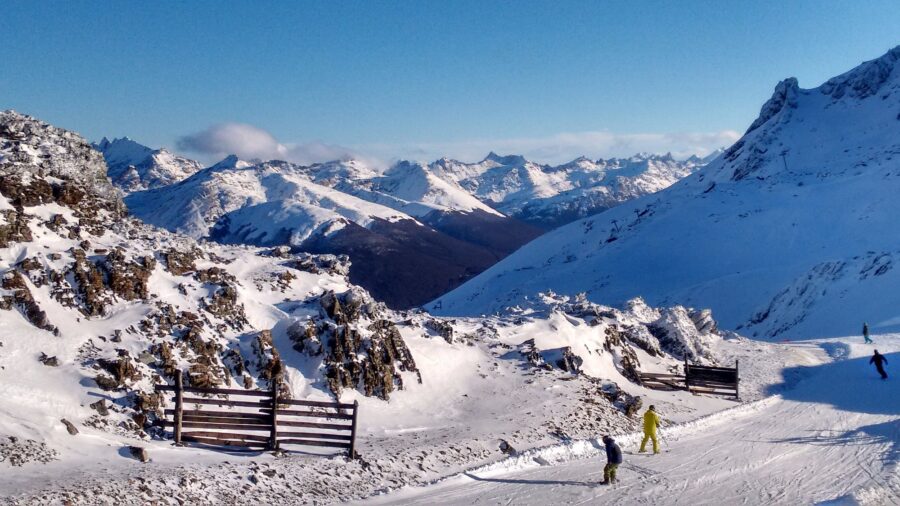
Winter here (June through September) transforms Patagonia into another world. Around Bariloche and Ushuaia, ski runs stay surprisingly uncrowded—honestly, you’ll wonder where everyone is. Resorts offer gentle slopes for newbies, but you’ll find tougher trails if you want to push yourself. Cerro Catedral is a big hit for snowboarders, and the après-ski scene is better than you’d expect.
If you’re not into skiing (I get it—my first time, I spent more time on my backside than upright), try snowshoeing. Guided trips wander deep into silent forests and glacier valleys. There’s a hush out there that’s almost eerie, with only your boots crunching and the wind echoing off the peaks. The blue in the ice caves? It’s unreal.
Kayaking and Fly Fishing
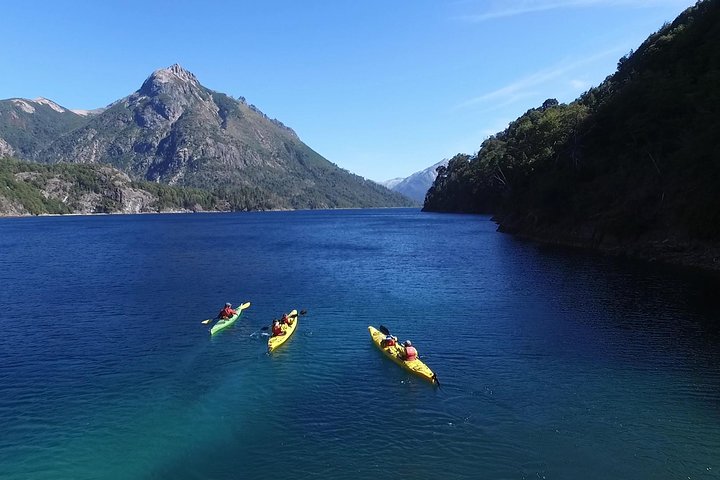
Once the snow melts (October to April), the rivers and lakes come alive. This is prime time for kayaking, especially if you want to drift past glaciers or sneak through crystal-clear fjords. I remember paddling near Torres del Paine, watching a condor soar overhead—moments like that stick with you.
Kayaking options range from mellow lake paddles near El Calafate to multi-day river expeditions if you want a tale to tell. If you like things easy, just book a guided tour and let someone else handle the logistics.
When summer rolls around, fly fishing takes over. The Rio Grande’s famous for giant trout, but I’ve stumbled onto tiny creeks with just as much magic. Always dress for surprise weather—Patagonia loves to keep you guessing. And don’t skip the local fishing permit; rangers do check.
Highlight Destinations and When to Visit
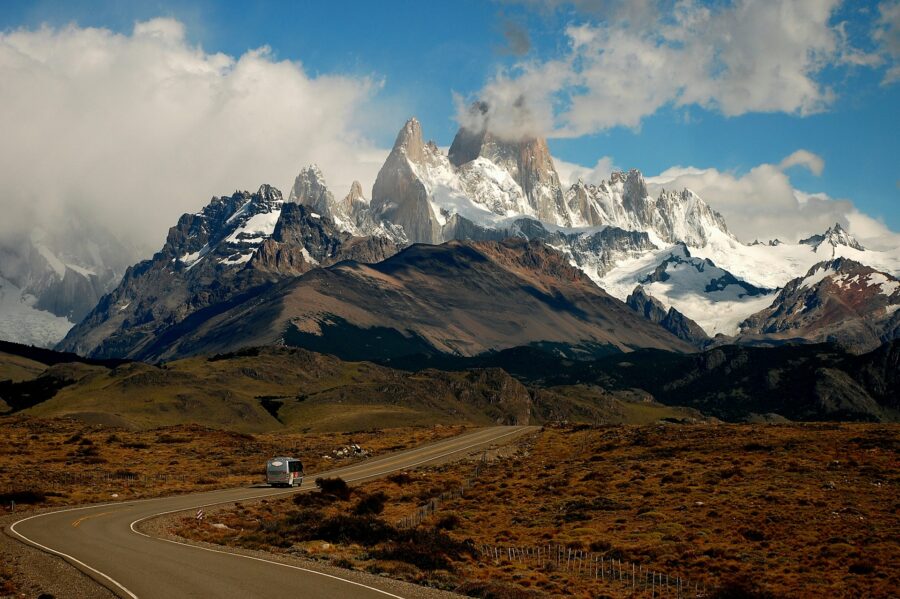
Patagonia sprawls across two countries. Timing is everything, and each region has its own quirks and sweet spots.
Torres del Paine National Park

If you’re after big hikes and mountain drama, Torres del Paine doesn’t disappoint. Summer (November to March) is your best shot at stable weather, but the wind has a mind of its own no matter when you visit. Mornings are magic for photos—catch those towers glowing pink if you can drag yourself out of bed.
I always nudge friends toward the W Trek if they’ve got the legs for it. January and February bring the crowds, but somehow the park still feels wild. Shoulder seasons (October or April) mean fewer people and a bit more chill in the air. Winter (May to August) is another beast—quiet, snowy, and with just a handful of lodges open.
Quick Tip: Always layer up. Patagonia’s weather will humble you. Toss a windproof jacket in your pack, even if the sun’s shining.
Los Glaciares National Park
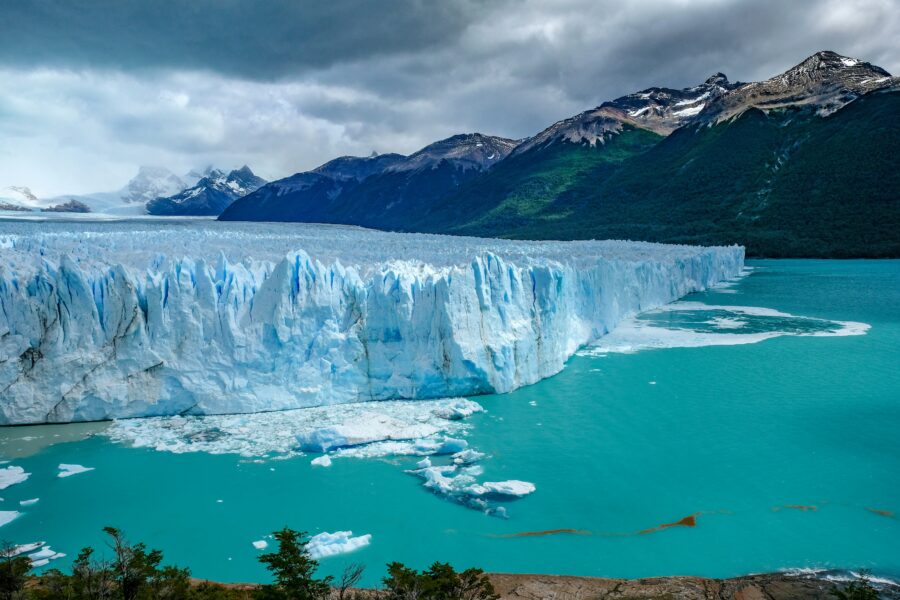
Los Glaciares, just over the Argentina border, is a must if you want to see the Perito Moreno Glacier up close. You can visit year-round, but late October to early April brings open trails and milder weather.
El Chaltén, inside the park, is a hiker’s dream. Laguna de los Tres is a personal favorite—November or March is when wildflowers bloom and the trails aren’t packed. Summer brings more hikers, but the upside is a buzzing café and hostel scene.
If you visit in winter, expect limited trails and a different kind of peace—moody, quiet, and perfect for photographers who don’t mind numb fingers.
Bariloche and Nahuel Huapi
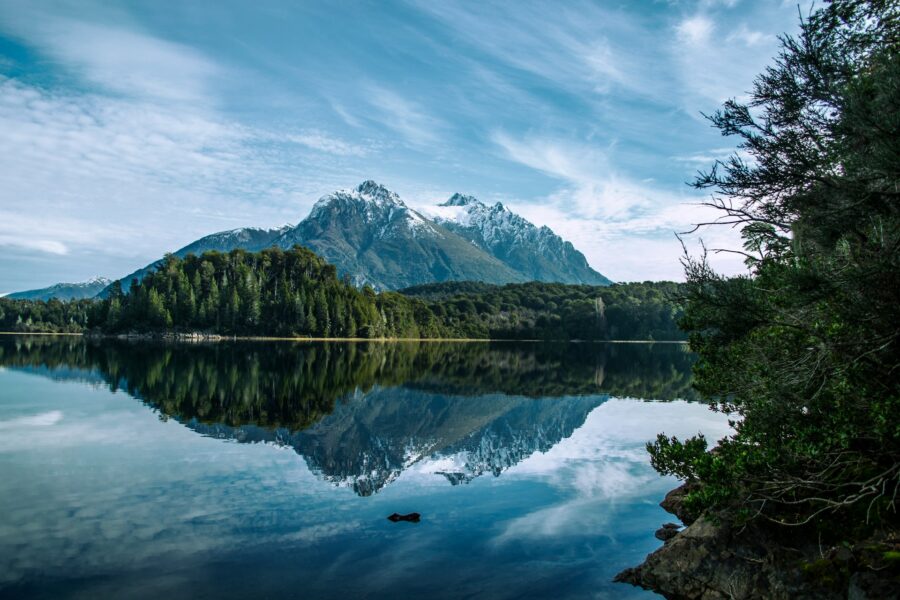
Bariloche feels like a quirky blend of the Alps and Patagonia. You’ll see Swiss-style chalets, chocolate shops, and Nahuel Huapi Lake framed by snow-capped peaks. December to March is perfect for kayaking and hiking, with Cerro Catedral flipping from ski resort to biking haven.
But if you love snow sports, winter (July and August) is when Bariloche shines. I once came for skiing and ended up spending half my trip sampling chocolate and watching the snow fall. Fall (April) brings golden leaves—honestly, it’s almost distracting how pretty it gets.
What to pack: Sunscreen (always), a rain jacket, and yes, leave room for chocolate. You’ll thank me.
Tierra del Fuego and Ushuaia

Heading south to Ushuaia feels like you’ve reached the edge of the world. The city’s a mix of industrial grit and tourist charm—not everyone’s cup of tea, but I think it’s worth a few days. December to February brings long days, boat rides to penguin colonies, and hikes in Tierra del Fuego National Park.
Weather shifts fast here; a sunny morning can turn to sleet by lunch. Wildlife lovers should aim for summer—whales, sea lions, and sometimes even king penguins show up.
Pro tip: The Carretera Austral up north doesn’t quite connect to Ushuaia, but ferries and flights make it possible to string both adventures together if you’re feeling ambitious.
Scenic Experiences by Season
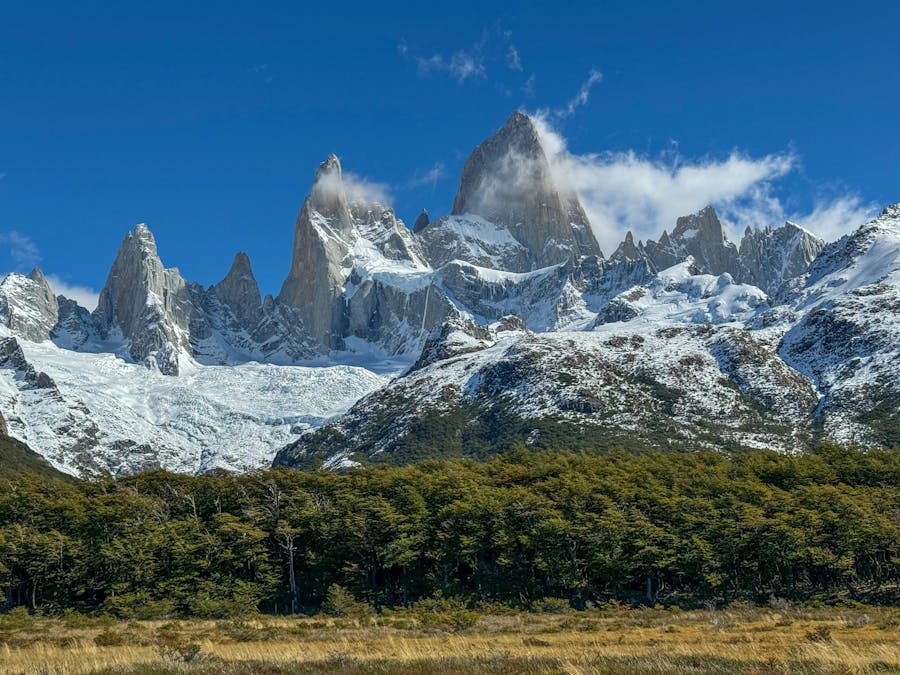
Patagonia doesn’t just change by the month—it feels like a different world with every season. The landscapes and wildlife can completely shift what you’ll see (and what your camera catches).
Autumn Landscapes and Photography
Honestly, autumn in Patagonia is pure gold. The forests around Torres del Paine and the Lake District explode with reds, oranges, and yellows. I’ve stopped mid-hike just to soak in a sunset.
Visiting in autumn (April to early June) means empty trails and a peaceful vibe that’s hard to describe. Bring extra SD cards—those lenga and ñire trees under golden light are something else. I always recommend sunrise at Lago Nordenskjöld for pastel skies and glassy water.
And if you’re into photography, don’t curse a little mist. It gives the valleys a dreamy, mysterious look you just won’t get in summer.
Spring Blooms and Wildlife
Spring in Patagonia is unpredictable, but that’s half the fun. I’ve been rained on and then watched the clouds break for the best light of the trip. Wildflowers—pink foxgloves, yellow calafate, purple lupines—pop up everywhere, turning the landscape from drab to dazzling in weeks.
Wildlife comes alive, too. Young guanacos and lambs appear in the valleys, and birdwatchers get a treat with flamingos, upland geese, and even condors floating overhead.
Just a warning: trails can get muddy with snowmelt, so bring solid boots. There’s something special about being here as everything wakes up—like sharing Patagonia’s secret before summer crowds spill in.
Specialty Trips and Unique Adventures
Antarctica Cruises from Patagonia
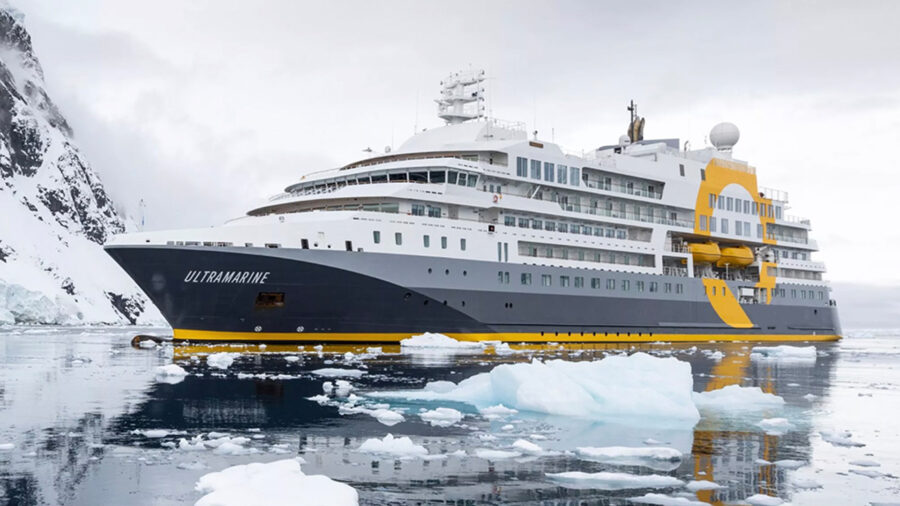
I’ll admit, the idea of catching a cruise to Antarctica from Patagonia is one of those bucket-list dreams. Ushuaia is the main launch spot. Imagine leaving this colorful, wind-battered town and heading into the planet’s last frontier. Standing on deck, bundled up and scanning the horizon for that first icy silhouette—it’s surreal.
Cruises run November to March (Patagonian summer), when the Drake Passage is as “calm” as it gets—though it’s always an adventure. The wildlife is next-level: penguins everywhere, seals sunbathing, and whales on the horizon. You’ll stop at remote research stations, snowy islands, and sometimes just drift in silence.
If you’re tempted, don’t wait to book. Cabins go fast. And pack layers—Antarctica makes Patagonia feel balmy. This isn’t just a trip; it’s a crossing into the unknown.
Frequently Asked Questions
Patagonia’s weather can flip in minutes, trails swing from crowded to empty, and wildlife shifts with the seasons. Planning ahead helps you make the most of your trip.
What are the peak seasons for outdoor activities in Patagonia?
For endless daylight—perfect for hiking, kayaking, or climbing—shoot for the Southern Hemisphere summer. December to February is prime time, with long days and most trails open.u003cbru003eu003cbru003eBut you won’t be the only one with that idea! Book your u003ca href=u0022https://www.amazon.com/s?k=travel+gearu0026amp;crid=2RE2CRHF0OO9Au0026amp;sprefix=travel+gear%2Caps%2C233u0026amp;linkCode=ll2u0026amp;tag=010633-20u0026amp;linkId=20f4a69189de582cdb7e78950af61121u0026amp;language=en_USu0026amp;ref_=as_li_ss_tlu0022u003etravel gearu003c/au003e and hostels early, unless you’re happy sleeping on a bus. I learned that lesson the hard way.
During which months can travelers enjoy the mildest weather in Patagonia?
Late November through early March brings the mildest weather. It’s not tropical, but temps usually stay above freezing, and you might even unzip your jacket.u003cbru003eu003cbru003eThe wind never really quits, but these months make it a little less punishing. Skies clear up, and the rain mostly backs off.
What is the ideal duration for a comprehensive trip through Patagonia?
You’ll want at least 10 days, but honestly? Two weeks or more lets you see both the Chilean and Argentine sides without feeling rushed. Patagonia’s bigger than you think—distances eat up time.u003cbru003eu003cbru003eBuild in a couple of “buffer days” for those inevitable weather delays. I once got stranded in El Chaltén for three days with nothing open but a bakery. It happens!
Which season offers the best balance between crowd avoidance and favorable weather in Patagonia?
Honestly, late spring (November) and early fall (March–April) win out for me every time. The trails stay open and walkable, the weather feels just right—not too harsh, not too warm—and you can actually breathe without bumping elbows with tour groups everywhere.u003cbru003eu003cbru003eLodging prices tend to dip during these months, which is a nice bonus if you’re watching your budget.u003cbru003eu003cbru003eWildflowers burst out all over in spring, painting the valleys with color. In fall, the lenga trees light up the hillsides in this wild, glowing orange that just doesn’t look real.
How do the experience and sights differ when visiting Patagonia in its shoulder seasons?
If you visit in spring, you’ll catch meadows overflowing with blooms and rivers running fast from all that snowmelt. The air feels fresh, and you get a sense of the place waking up.u003cbru003eu003cbru003eIn fall, those forests go full blaze with color, and the skies usually clear up—plus, you’ll have viewpoints mostly to yourself instead of jostling with crowds.u003cbru003eu003cbru003eI should mention, though, that some trekking routes or mountain passes can close early or late in the season. Always double-check trail conditions before you set your heart on a big backcountry trek. Locals or park rangers usually have the best, most up-to-date info.
If penguins top your list, you’ll want to visit between December and March. That’s when they nest and raise their chicks along the coastline—honestly, it’s a spectacle you don’t want to miss.u003cbru003eu003cbru003eSpring brings in flamingos and guanacos, which start appearing as the weather softens up. Sometimes, I wonder if travelers overlook just how dramatic these seasonal shifts can be.u003cbru003eu003cbru003eIf you’re an avid u003ca href=u0022https://www.realjourneytravels.com/places/birds-hill-provincial-parkplenty-of-things-to-do-and-beautiful-scenery-to-see-in-any-season/u0022u003ebirdwatcheru003c/au003e, spring and summer are your best bet. Migratory birds arrive then, and the diversity really picks up—bring binoculars you actually like using, not just the ones collecting dust in your closet.u003cbru003eu003cbru003eWinter, though, is a different story altogether. The landscape feels quieter, almost hushed, with far fewer animals moving about and daylight hours cut short.u003cbru003eu003cbru003eBut here’s a little secret: if you’re patient (and a bit lucky), you might spot pumas during the winter. Not many people stick around for that, but for some, it’s the highlight of the whole trip.


