36 Hours in Amsterdam Itinerary: Ultimate Guide to Culture, Canals & Cuisine
Updated January 5, 2026
Amsterdam squeezes more into 36 hours than most cities manage in a week. With just a day and a half, you can hit world-class museums, float historic canals, bike quiet neighborhoods, and maybe start to see why locals call this one of Europe’s most livable capitals.
The trick isn’t cramming in everything—it’s picking the right mix of headline sights and local favorites. I’ve seen too many people burn out racing between tourist traps.
Your 36 hours will be so much better if you balance the must-sees with spots where actual Amsterdammers hang out. Trust me, bring comfy shoes. This city rewards wanderers, and honestly, getting a bit lost in the canal ring is half the fun.
This guide skips the fluff and gets to what matters. You’ll hit the highlights without feeling like you’re on a treadmill, eat where locals eat, and maybe leave with a clue about why people fall so hard for this quirky, canal-laced city.
Table of Contents
- Key Takeaways
- Essential Planning for 36 Hours in Amsterdam
- Where to Stay for Convenience and Comfort
- How to Get Around Efficiently
- Useful Tips for Maximizing Your Time
- Morning Day 1: Iconic Art & Museums at Museumplein
- Visiting Rijksmuseum: Rembrandt, Vermeer, and Dutch Golden Age
- Immersing Yourself at the Van Gogh Museum
- Exploring Stedelijk Museum for Contemporary Perspectives
- Midday Day 1: Strolling Jordaan and Canal Belt
- Jordaan’s Hidden Courtyards and Artisanal Boutiques
- Discovering Noordermarkt and Local Markets
- Canal Cruise: Amsterdam’s Unmissable Waterways
- Afternoon Day 1: Jewish Heritage and Anne Frank’s Legacy
- Anne Frank House: History and Reflection
- The Portuguese Synagogue and Hollandsche Schouwburg
- Exploring the Jewish Quarter’s Hidden Stories
- Evening Day 1: Food Markets and De Pijp Delights
- Albert Cuyp Market: Street Eats and Shopping
- Sampling Dutch Pancakes and Poffertjes
- Coffee & Coconuts and Local Cafe Culture
- Morning Day 2: Green Spaces and Dutch Leisure
- Exploring Vondelpark Like a Local
- Canal-Side Breakfasts and Biking Traditions
- Midday Day 2: Amsterdam’s Old Town and Red Light District
- Dam Square: Heart of the City
- Touring the Red Light District Responsibly
- Historic Canals and Prinsengracht
- Afternoon Day 2: Modern Culture and Photography
- Fotografiemuseum Amsterdam: Contemporary Stories
- Discovering Local Street Art and Urban Culture
- Unique Eats and Local Food Experiences
- Iconic Stroopwafels and Street Treats
- Where to Find the Best Dutch Pancakes
- Trendy Brunches and Local Coffee Spots
- Frequently Asked Questions
- What are the must-visit attractions in Amsterdam for a 36-hour trip?
- Can you suggest an itinerary that covers the highlights of Amsterdam over a weekend?
- What local delicacies should visitors try during a brief visit to Amsterdam?
- What tips do you have for efficiently exploring Amsterdam in 36 hours?
- Book Your Dream Experience
- More Travel Guides
Key Takeaways
- Focus on Museumplein’s art museums, the Jordaan neighborhood, and a canal tour to really get Amsterdam’s vibe
- Mix famous spots like Anne Frank House with local experiences in De Pijp and Amsterdam Noord
- Rent a bike and go beyond the tourist core to see how Amsterdammers actually live
Essential Planning for 36 Hours in Amsterdam
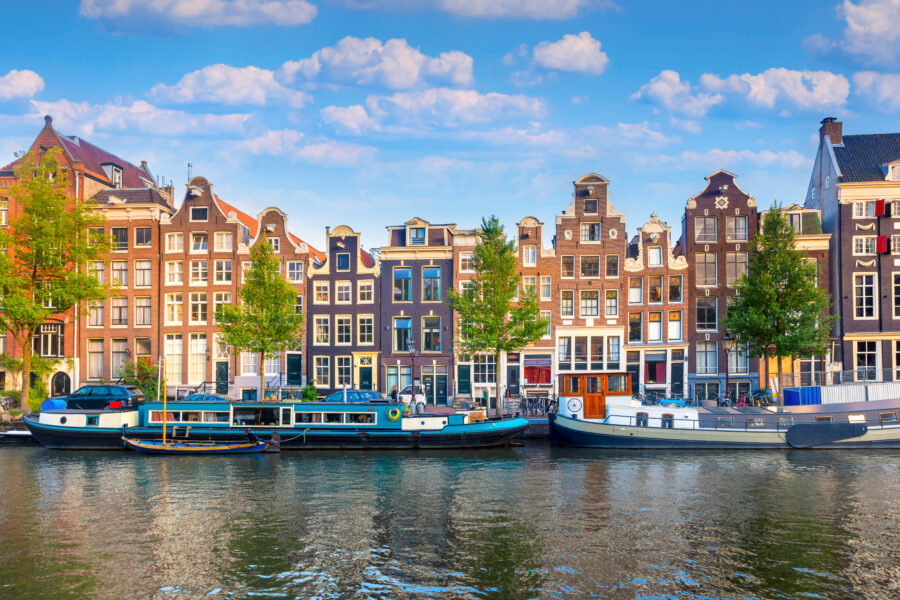
Getting the logistics right can totally change your 36 hours in Amsterdam. Where you stay and how you get around decides whether you spend your time exploring or just figuring out how to cross town.
Where to Stay for Convenience and Comfort
The Canal Belt puts you right in the thick of everything worth seeing. You can walk to the Anne Frank House, the big museums, and a bunch of great cafes without losing time on trams or taxis.
Jordaan is another smart pick. It’s a bit quieter than the touristy core but still close enough to walk everywhere. The area has real character—local shops, Dutch eateries, a lived-in feel you won’t get in the more commercial bits.
If you’re booking, check options early for better rates and choices. The Nine Streets district works well too if you want a boutique hotel with some personality.
Hotels by Centraal Station look convenient, but they’re often pricier and noisier. You’ll actually save time staying in the Canal Belt, since most things to do in Amsterdam cluster around there. Budget about €120-200 a night for a decent place in a good spot.
How to Get Around Efficiently
Walking beats everything for getting around Amsterdam’s tight center. Most main sights are within 20 minutes of each other on foot. You’ll see more, spend less, and actually experience the city instead of just passing through it.
The tram system is solid when your feet need a break. Grab an Amsterdam Travel Ticket for unlimited rides. Lines 2, 4, and 5 hit most tourist stops. Trams run till midnight, then night buses take over.
Skip the rental car. Amsterdam wasn’t built for cars, and parking costs more than some hotel rooms. Bikes are everywhere, but honestly, if you’ve never ridden in Amsterdam, the bike lanes can be a little intimidating. With just 36 hours, learning the cycling culture is a project for another visit.
Water taxis and canal buses look fun but will eat up your schedule. Maybe save those for a longer trip.
Useful Tips for Maximizing Your Time
Book Anne Frank House tickets at least six weeks ahead—they sell out fast. Showing up without a reservation pretty much means you won’t get in. The museum takes about 90 minutes if you want to do it right.
Get travel insurance before you go. Delays and medical stuff always seem to happen when you least expect it.
Most cafes and restaurants don’t open till 10 or 11 AM. Plan your mornings around museums or walking, not breakfast. Dinner reservations matter at the good places, especially on weekends.
The I Amsterdam City Card seems like a deal, but honestly, it doesn’t pay off for a 36-hour visit. You just won’t hit enough museums to make it worth it. Just pay as you go.
Avoid the Red Light District in the evenings if you’re on the clock. It’s a tourist traffic jam and you’ll just end up frustrated.
Credit cards work almost everywhere, but carry €20-30 cash for little cafes and street eats. ATMs charge fees, so pull out what you need in one go.
Morning Day 1: Iconic Art & Museums at Museumplein
Museumplein packs three world-class museums into one big square. It’s the perfect spot to start your Amsterdam sprint. You’ll see everything from Dutch masters to Van Gogh’s wild brushstrokes and some bold contemporary stuff too.
Visiting Rijksmuseum: Rembrandt, Vermeer, and Dutch Golden Age
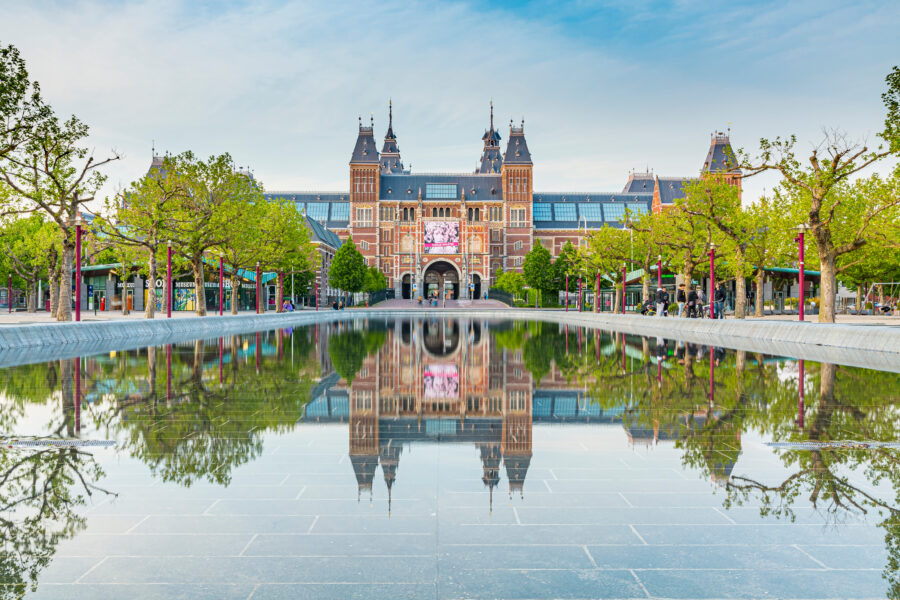
The Rijksmuseum should be your first stop, early, before it gets swamped. Entry is €22.50, and you really need to book online days ahead—walk-up tickets are basically a fantasy.
Inside, there are over 8,000 objects across 80 galleries. But honestly, the must-sees are Rembrandt’s “The Night Watch” in Gallery 2.8 (it’s massive, and people literally gasp when they spot it), and Vermeer’s “The Milkmaid” in Gallery 2.20. It’s tiny, but the detail is unreal. The way he paints light? Now I get why people obsess over Vermeer.
Pro tip: The layout is confusing. Grab a map or download their app before you go. The Asian Pavilion on the ground floor barely gets any love, but it’s worth a look.
You’ll need about three hours if you’re moving at a reasonable pace.
Immersing Yourself at the Van Gogh Museum
Five minutes away sits the Van Gogh Museum. It’s got the world’s biggest collection of Vincent’s art—over 200 paintings and 500 drawings.
They arrange his work by period, which actually helps you see how his mind changed over time. Early Dutch gloom, then those wild Paris colors, and finally the yellows and blues from the south of France.
“The Bedroom” and “Sunflowers” are the crowd-pleasers, but honestly, the self-portraits are what get me. You can see the artist’s sanity slipping as you move through the galleries. It’s unsettling and beautiful, somehow both.
Entry is €20, and yes, book ahead. This place fills up by mid-morning, so try for a 9 or 10 AM slot if you can swing it.
Budget two hours here. It’s smaller than the Rijksmuseum and a bit easier to take in all at once.
Exploring Stedelijk Museum for Contemporary Perspectives
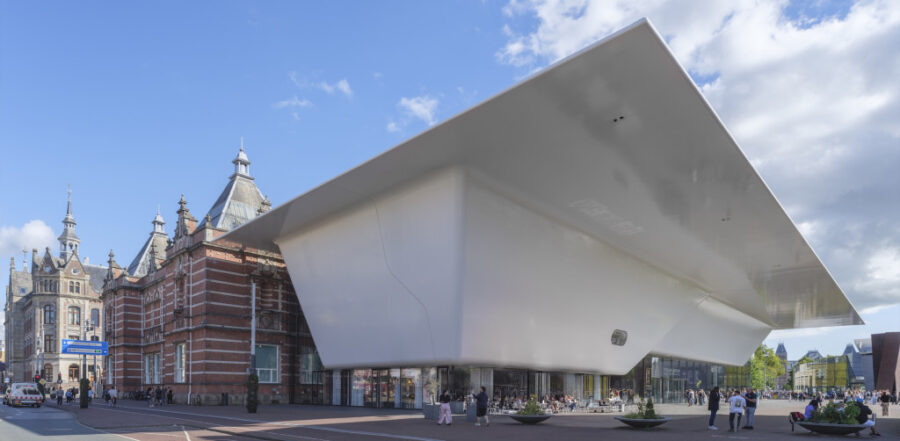
Next door is the Stedelijk Museum, Amsterdam’s modern and contemporary art hub. After all that history, this place snaps you back to the present.
The permanent collection covers Mondrian, Malevich, Warhol—big names. But the temporary shows are the wild card. One day it’s video installations, the next it’s design pieces that make you question what art even is.
The building is called “the bathtub” because of its weird white wing. Locals either love it or hate it—no one seems neutral.
Tickets are €20. Sometimes you can get same-day entry, but booking ahead through travel tour platforms gives you more options.
If you’re running out of steam, it’s okay to skip the Stedelijk. Three big museums in one morning is a stretch, and honestly, the first two are the musts. Save your energy for the canals and neighborhoods later.
Midday Day 1: Strolling Jordaan and Canal Belt
After your museum blitz, head west to Jordaan. Here, narrow cobbled lanes and peaceful canals show off a more local Amsterdam. Quiet courtyards, weekend markets, and classic waterway views—this is what the city’s character is all about.
Jordaan’s Hidden Courtyards and Artisanal Boutiques
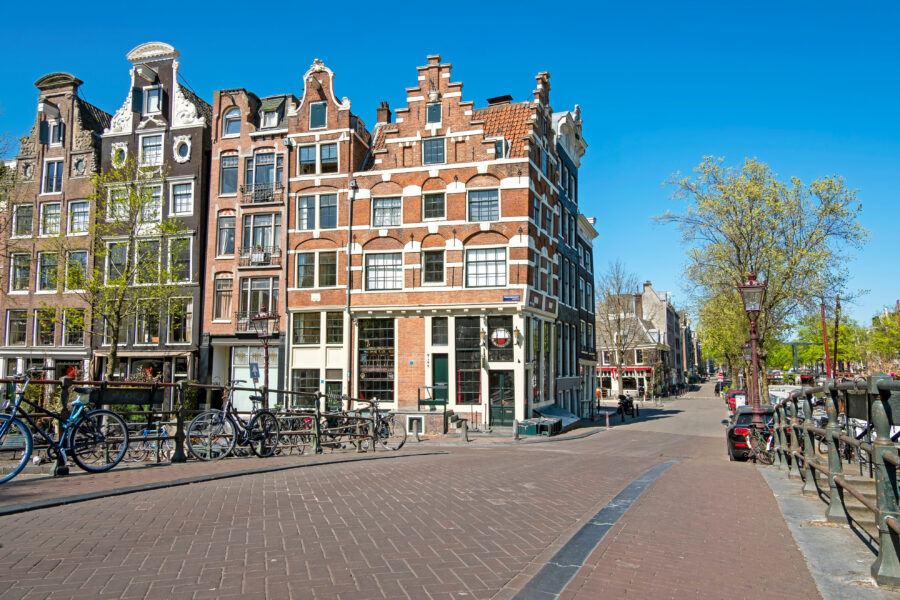
Jordaan sits just past Prinsengracht and surprises with its chill residential streets and creative shops. You’ll stumble on hofjes—tiny courtyards hidden behind plain doors—built centuries ago for elderly women. Some open up during the day, and stepping inside feels like discovering a secret garden in the city.
The neighborhood’s skinny lanes hide indie boutiques selling handmade jewelry, vintage clothes, and Dutch design pieces. Unlike the packed shopping streets near Dam Square, these shops let you browse at your own pace. Check out Tweede Egelantiersdwarsstraat and Hazenstraat for stores that locals actually frequent.
Grab a seat at a café along Prinsengracht, sip a coffee, and watch boats drift by canal houses with their quirky gables. The slower pace here makes it clear why Jordaan is one of Amsterdam’s most beloved neighborhoods.
Discovering Noordermarkt and Local Markets
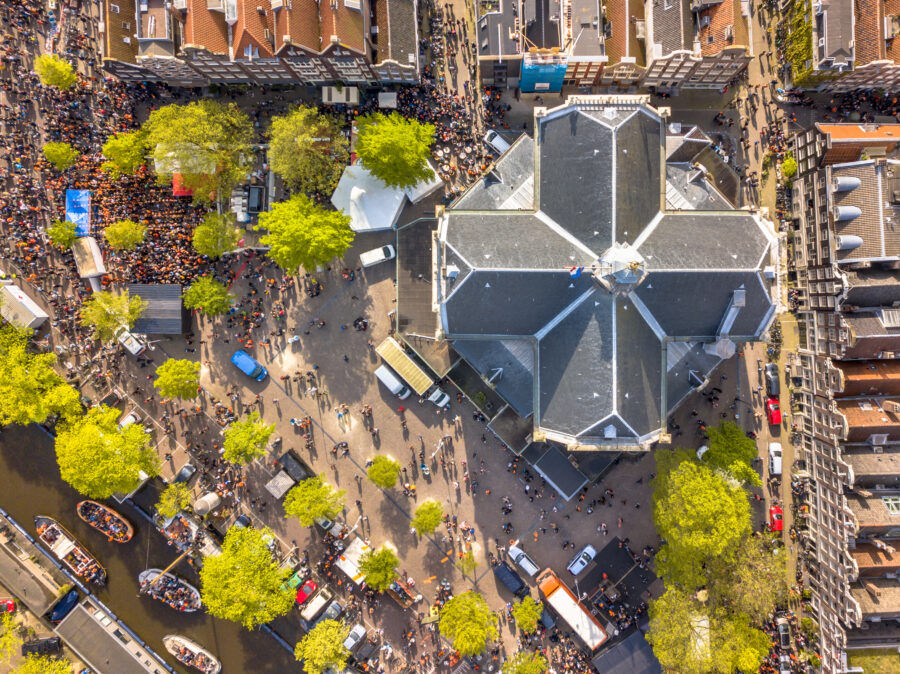
If you’re in town on Saturday, Noordermarkt is where Amsterdam’s food scene comes alive. The organic market kicks off early and runs till afternoon, with stalls selling fresh bread, aged cheese, stroopwafels, and whatever’s in season. You can taste before you buy, and the quality just blows supermarket stuff away.
On Mondays, it’s a whole different vibe—a flea market with secondhand books, vintage clothes, and random odds and ends. It’s less polished but a blast if you like digging for weird treasures.
Noorderkerk anchors the square with its simple stone and cross-shaped floor plan from the 1600s. Even if you don’t step inside, the building itself has a quiet power—and it’s a cool contrast to the ornate Catholic churches you see elsewhere in Europe.
Canal Cruise: Amsterdam’s Unmissable Waterways
A canal cruise gives you a totally different sense of Amsterdam’s layout and history. From the water, you spot architectural quirks that vanish on foot—decorative gables, secret gardens, and the wild engineering of houses built on old wooden posts sunk into the mushy ground.
Most cruises last about an hour and wind through the big canals: Prinsengracht, Herengracht, Keizersgracht. Audio guides tell you how the Canal Belt sprang up during Amsterdam’s Golden Age, when wealthy merchants paid for fancy homes along new waterways.
You can book canal tours with options like smaller boats for better views or evening rides with wine. Some people swear by sitting outside, soaking up the open air, though honestly, a covered boat saves you if the weather turns.
Either way, gliding along the canals actually feels as magical as everyone says. It’s one of those touristy things that’s genuinely worth it.
Afternoon Day 1: Jewish Heritage and Anne Frank’s Legacy
Amsterdam’s Jewish Quarter holds centuries of tangled history that shaped the city’s soul. The afternoon peels back stories of resilience, culture, and memory through three powerful sites—each one connecting you to the community’s past and Anne Frank’s lasting legacy.
Anne Frank House: History and Reflection
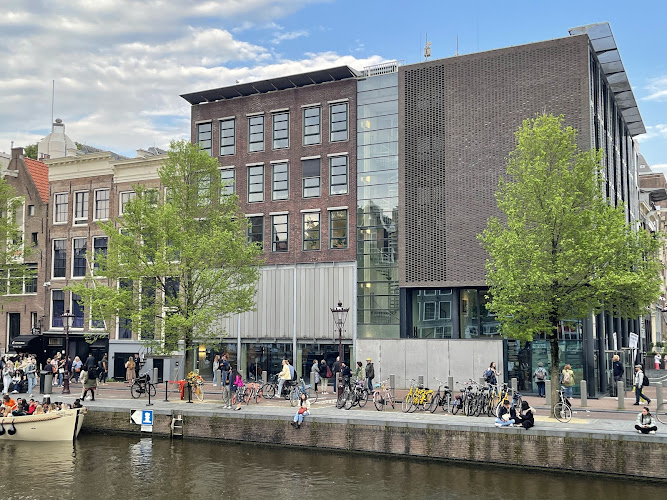
The Anne Frank House stands at Prinsengracht 263, where the Frank family hid for over two years during Nazi occupation. You’ll walk through the actual Secret Annex where Anne wrote her famous diary from 1942 to 1944.
Book your tickets online way ahead of time. The Anne Frank Museum sells out fast, especially in summer. Show up about 15 minutes before your entry slot.
Inside, you’ll see the original bookcase that hid the entrance to the hiding place. The rooms are mostly bare—Otto Frank, Anne’s father and the only family survivor, wanted people to focus on the weight of history, not the furniture.
Anne’s diary sits protected behind glass, open to a page with her handwriting. It’s impossible not to feel the gravity of that tiny room.
The museum lines the walls with photos of the eight people who hid here and explains how helpers risked everything to bring them food and supplies. You’ll spend about 90 minutes weaving through narrow hallways, trying to imagine what it meant to live in fear.
The Portuguese Synagogue and Hollandsche Schouwburg
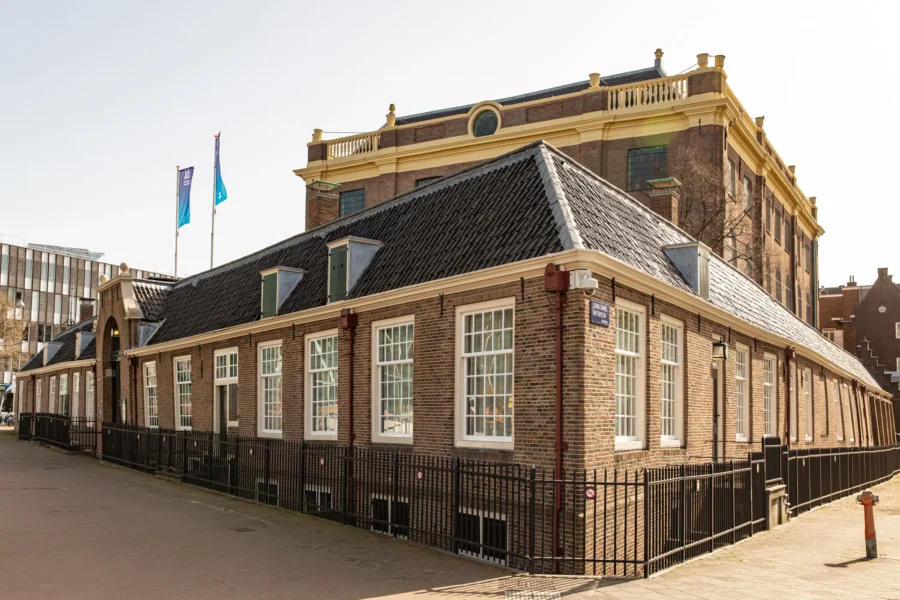
The Portuguese Synagogue, built in 1675, represents Amsterdam’s once-thriving Sephardic Jewish community. It’s a quick 10-minute walk from the Anne Frank House.
In winter, the building still glows entirely by candlelight, just like it did 350 years ago. The massive wooden barrel-vaulted ceiling and sand-covered floors (meant to soak up sound and moisture) haven’t changed at all.
Check out the attached library—it’s packed with rare Jewish manuscripts and books. The synagogue survived World War II because Nazis planned to use it as a documentation center. It’s a grim twist, but it saved the building.
Walk five minutes northeast to Hollandsche Schouwburg. This old theater became an assembly point where Nazis gathered Jewish families before deportation. Now it’s a memorial and museum.
The building’s facade still stands, but inside you’ll find an open courtyard and a single eternal flame. Names of 6,700 Dutch Jewish families who perished cover the memorial walls.
Upstairs, a small exhibit explains how 104,000 of Holland’s 140,000 Jews were murdered during the Holocaust. That’s the highest percentage in Western Europe—numbers that just sit heavy on your chest.
Exploring the Jewish Quarter’s Hidden Stories
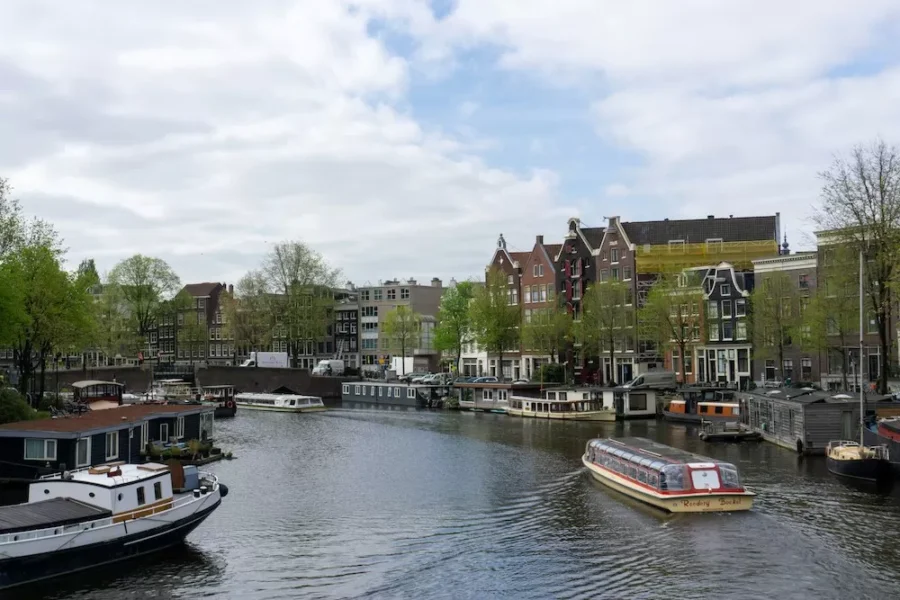
The Jodenbuurt (Jewish Quarter) stretches between Waterlooplein and Plantage Middenlaan. You’ll spot Portuguese street names and old buildings that once held synagogues, schools, and markets serving the community.
Stop at the Jewish Historical Museum on Nieuwe Amstelstraat. Four connected synagogues now house exhibits about Jewish life in the Netherlands from 1600 onward.
You’ll see religious objects, artwork, and stories showing how Jewish culture became part of Dutch society. Grab a stroopwafel or coffee at Waterlooplein’s flea market nearby—the square buzzes with vendors selling antiques, vintage clothes, and random treasures.
Wander the narrow streets around Mr. Visserplein. Plaques mark former homes of Jewish families, and you’ll spot stumbling stones—small brass plates in the sidewalk, each one with a name, birth year, and fate. They’re a gut-punch reminder that these were real people with real lives, lost right from these doorsteps.
The National Holocaust Memorial sits in Wertheimpark. Its brick walls list all 102,000 Dutch Holocaust victims by name.
Evening Day 1: Food Markets and De Pijp Delights
As evening creeps in, De Pijp turns into a food lover’s playground. Albert Cuyp Market winds down, cozy cafes flick on their lights, and the neighborhood serves up Dutch classics alongside a wild mix of international flavors.
Albert Cuyp Market: Street Eats and Shopping
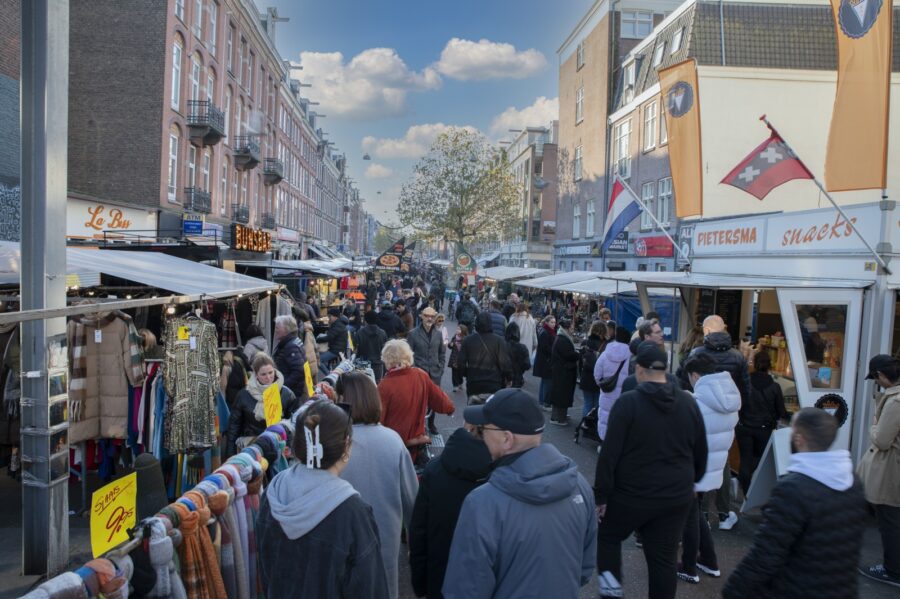
Albert Cuyp Market stretches nearly a kilometer, with 260 stalls running Monday through Saturday until about 5 PM. Get there by 4 PM if you want a shot at the best bites before vendors start packing up.
The herring stands are legendary—locals eat it raw with onions and pickles, dangling it above their mouths like pros. But honestly, the stroopwafel stalls are the real reason to come.
Watch vendors press the thin waffles fresh on cast-iron griddles, then slice them open and slather warm caramel syrup inside. Eat yours while it’s still gooey. Some bakeries near the market even run workshops where you make your own, which is just more fun than buying one.
Beyond food, you’ll find clothing stalls, fabric vendors, and shops selling everything from bike bells to tulip bulbs. Prices here usually beat the touristy shops in the city center by a mile.
Van der Helstplein at the market’s southern end makes a perfect spot to sit down and snack while you watch the world go by.
Sampling Dutch Pancakes and Poffertjes

Dutch pancakes aren’t American-style—they’re thin, wide, and eaten for dinner, not breakfast. Find a pancake house in De Pijp around 6 PM and go for a savory one with cheese, bacon, mushrooms, or a sweet version with apples and cinnamon.
Bacon and syrup sounds strange but somehow works. Poffertjes are the tiny, puffy cousins—mini pancakes dusted with powdered sugar and a pat of butter.
You need a special pan to make them, so it’s honestly better to grab them from a street vendor or cafe. They’re sticky, sweet, and impossible to eat without making a mess, but that’s part of the fun.
Most places in De Pijp serve both pancakes and poffertjes. The portions are ridiculous, so maybe share if you’re planning to keep eating.
Coffee & Coconuts and Local Cafe Culture
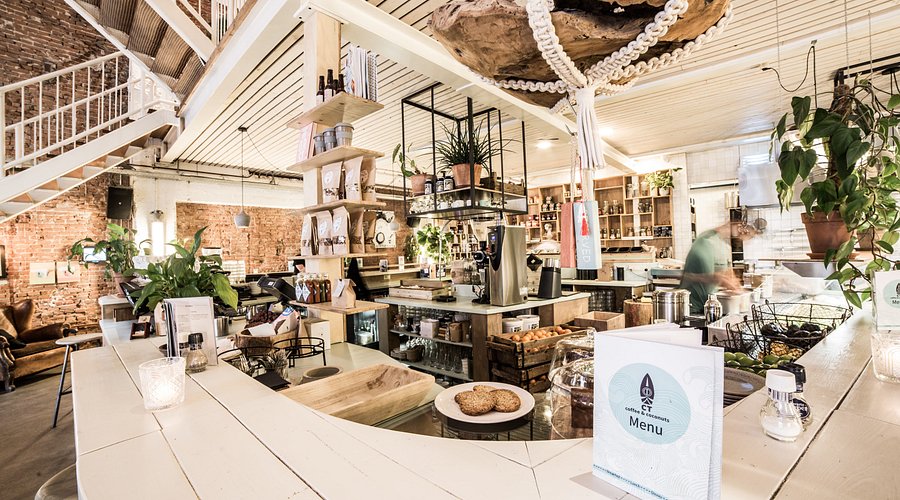
Coffee & Coconuts lives in a converted 1920s cinema on Ceintuurbaan, a few blocks from Albert Cuyp Market. The old theater balconies are now dining levels filled with tropical plants.
It’s one of those Instagram-famous spots that actually tastes as good as it looks. The menu leans healthy—grain bowls, avocado toast, coconut everything. Their flat whites are solid if you need a caffeine fix. They’re open from breakfast to dinner, usually until 10 PM.
But honestly, the smaller, less-trendy cafes along Ferdinand Bolstraat ooze more real gezelligheid (that Dutch coziness you can’t quite translate). Look for places with worn wooden tables and locals reading newspapers. Order a koffie verkeerd (Dutch latte) and just settle in to watch the city go by.
Morning Day 2: Green Spaces and Dutch Leisure
Amsterdam mornings beg for a slow start—lounging in parks, pedaling along canals, and grabbing pastries like the locals do. Kick off your second day at Vondelpark before the crowds show up, then hunt down a proper breakfast by the water.
Exploring Vondelpark Like a Local

Vondelpark opens at sunrise, but the real magic hits around 8am when the light spills through the trees. This 120-acre park is Amsterdam’s answer to Central Park, only way more relaxed and less manicured.
Grab a coffee from one of the kiosks near the entrance and just watch. Dog walkers, joggers, and cyclists weave through the paths. Ducks paddle around the ponds. Locals sprawl out on the grass—full-on horizontal—reading or just staring up at the sky.
Head toward the open-air theater if you’re there in summer. Even without a show, the trees around it make natural archways that feel almost enchanted.
The rose garden in the center blooms from June through September, and honestly, the smell is unreal. Don’t skip Het Blauwe Theehuis, a weird blue UFO-looking building from the 1930s. It’s a cafe now, but just walking around it is oddly satisfying.
Canal-Side Breakfasts and Biking Traditions
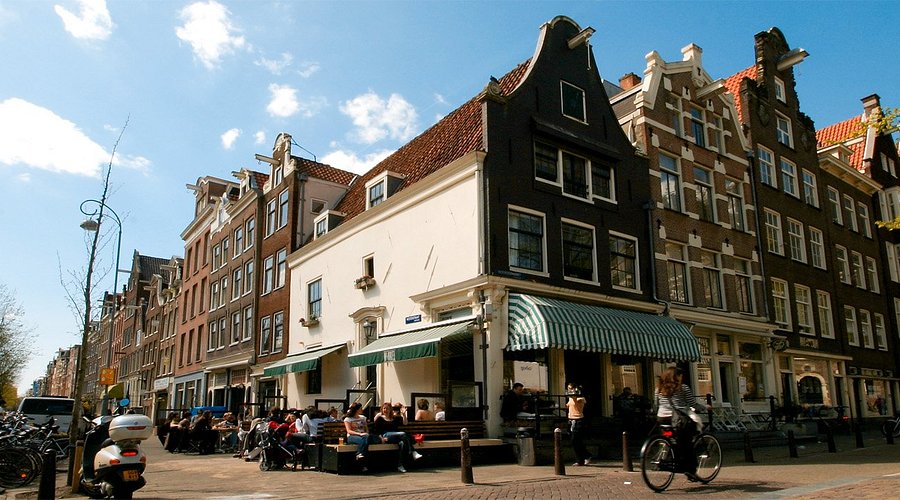
After your park wander, rent a bike from one of the shops on Overtoom street outside Vondelpark. You’ll almost definitely have a near-miss with someone—that’s just Amsterdam.
Ride toward the Jordaan for breakfast along Prinsengracht or Brouwersgracht. Winkel 43 does apple pie that people actually line up for; get there before 10am if you want a canal-side seat.
Their appeltaart comes warm, heavy on cinnamon, with a mountain of whipped cream. For savory types, Café de Prins serves uitsmijters—open-faced sandwiches loaded with eggs, ham, and cheese. Dutch breakfast portions are no joke.
Biking isn’t just transport here—it’s how Amsterdam lives. The bike lanes run separate from cars, and everyone from teens to grandparents cruises past. Remember: bikes rule the road, always check before crossing, and ring your bell like you mean it.
Midday Day 2: Amsterdam’s Old Town and Red Light District
Amsterdam’s Old Town tells stories from centuries past through its medieval streets and iconic landmarks. The Red Light District next door has way more depth than its wild reputation suggests. This UNESCO World Heritage area honestly deserves a few hours of your afternoon.
Dam Square: Heart of the City
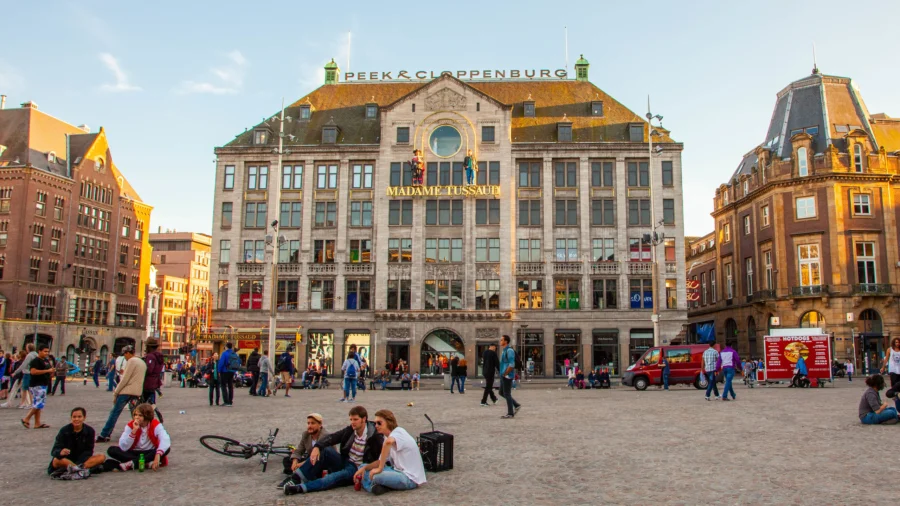
Dam Square has anchored Amsterdam since the 13th century, and you can feel the centuries pressing in. The Royal Palace looms over the western side, but it actually started as the city hall back in 1655.
Tour the palace if it’s open—when the royals aren’t using it, the marble interiors are worth a look. Right next door, you’ll spot the Nieuwe Kerk (New Church), which, despite the name, dates to the 15th century.
These days, the church hosts exhibitions and concerts instead of services. Dead center in the square, the National Monument stands as a white stone pillar memorializing Dutch victims of World War II.
Street performers and pigeons pretty much own the square all year. If you haven’t tried a fresh stroopwafel yet, grab one from a vendor—the difference from the packaged kind is unreal.
Touring the Red Light District Responsibly
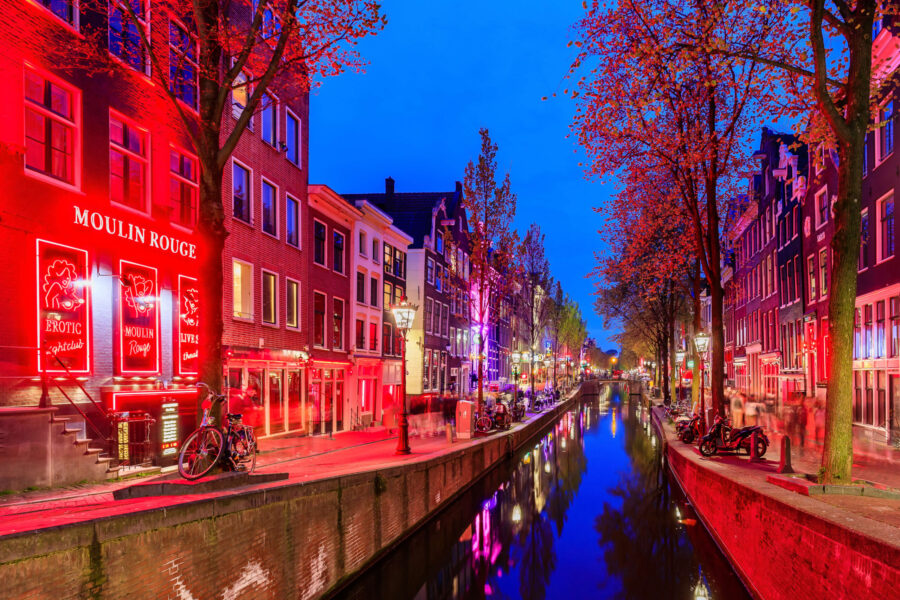
The Red Light District (De Wallen) sits just east of Dam Square, and it’s a lot more layered than its reputation suggests. Sure, prostitution is legal and regulated here, but you’ll also find the Oude Kerk, the city’s oldest building from 1306, smack in the middle of it all.
Important rules: Don’t take photos of the workers in the windows—it’s rude and you can get into trouble. Keep your voice down and don’t gawk; people actually live and work here.
The narrow alleys hide gorgeous canal houses and bridges that most visitors completely overlook. Warmoesstraat cuts through the district and offers up some excellent cafes and restaurants.
By the way, the “coffee shops” here sell cannabis, not coffee—if you want actual coffee, look for a café or koffiehuis. The area fills up after dark, so if you want a calmer vibe, go around midday.
Historic Canals and Prinsengracht

The canals around the Old Town form neat rings that shape Amsterdam’s whole layout. Prinsengracht, the outermost of the main four, runs along the western edge and gives you some of the best city views.
Head south along Prinsengracht and you’ll pass the Anne Frank House (at 263-267). Even if you skip the tour, just seeing the canal-side setting gives you a sense of how waterways shaped daily life in the Golden Age.
The houseboats lining Prinsengracht aren’t tourist props—they’re real homes, some passed down for generations. Canal bridges here look fantastic in photos, especially where several cross and you get that classic stacked-bridge view.
Afternoon Day 2: Modern Culture and Photography
Amsterdam’s contemporary art scene goes well beyond the big museums. Photography spaces and bold street art pulse with the city’s creative energy. This afternoon, you’ll wander neighborhoods where modern Dutch culture spills out onto gallery walls and city blocks.
Fotografiemuseum Amsterdam: Contemporary Stories
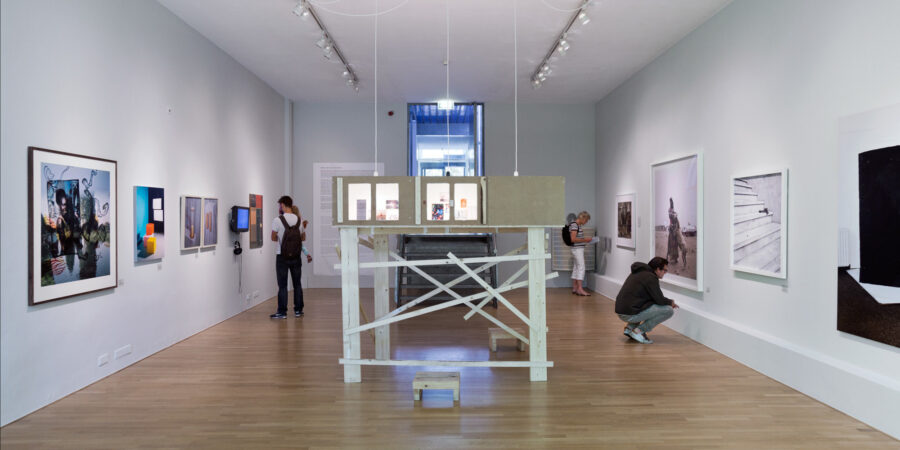
Fotografiemuseum Amsterdam (FOAM) sits right on Keizersgracht and spotlights photography that really makes you look twice. Four exhibitions rotate at any one time, so you’ll see everything from up-and-coming Dutch talent to world-renowned artists.
Each floor brings a fresh perspective. You might find documentary work about social issues on one level, then turn a corner into wild experimental art.
The museum doesn’t just hang photos and call it a day—it creates immersive experiences that get you thinking. Tickets run about €15, and most days they’re open until 6 PM.
The building’s worth a look too—a restored canal house with that mix of old Amsterdam bones and sleek gallery spaces. If you swing by on a Thursday or Friday evening, they often stay open late and the atmosphere feels a little more relaxed.
Discovering Local Street Art and Urban Culture
The neighborhoods around FOAM—especially Jordaan and De Pijp—have turned into open-air galleries. Murals hide in alleys and sometimes sprawl across whole buildings.
Amsterdam’s street art isn’t just random tagging. A lot is commissioned and loaded with local history or social commentary. Head to Spuistraat for some of the city’s boldest work, but honestly, the best finds happen when you just wander.
Nieuwmarkt has a few murals by the old warehouses that once stored shipping goods. You’ll spot nods to Amsterdam’s maritime past, mashed up with modern themes.
Local artists like Laser 3.14 and collectives such as HNRX have left their mark all over. No need for a guide—just keep your eyes up as you walk and you’ll catch layers of creativity most tourists completely miss.
Unique Eats and Local Food Experiences
Amsterdam’s food scene is way more diverse than just cheese and herring. There are stroopwafels that melt in your mouth, pancakes as big as your face, and brunch spots tucked inside old factories.
Iconic Stroopwafels and Street Treats

Fresh stroopwafels blow the packaged ones out of the water. Picture warm, caramel-filled waffle cookies made right in front of you at street markets.
Albert Cuyp Market is the place—vendors press the batter and fill them while they’re still hot. Set one on your coffee cup for a minute and watch the syrup turn gooey.
For poffertjes (mini pancakes with powdered sugar), stop at any market stall and watch them cook in cast-iron pans with dozens of little cups. The Pancake Boat does a great version too, though that’s more of a sit-down deal.
Don’t skip the FEBO automats scattered all over town. Yes, it’s fast food from a vending wall, but locals love it. Grab a beef croquette or some bitterballen (crispy meat balls) for late-night fuel.
Where to Find the Best Dutch Pancakes

Dutch pancakes aren’t thick and fluffy—they’re thin, almost like crepes, and come loaded with everything from bacon and cheese to apples and syrup. The Pancake Bakery near Anne Frank House serves up over 75 kinds in a cozy old warehouse. The bacon-cheese-syrup combo sounds odd but just trust me.
For something different, try the Pancake Boat cruise: unlimited pancakes as you float through the canals. Just pace yourself—those thin pancakes sneak up on you.
Upstairs Pannenkoekenhuis is another gem, hidden up a steep staircase in the Grachtengordel. It’s tiny, but the pancakes are huge and the prices are fair.
Trendy Brunches and Local Coffee Spots

Coffee & Coconuts easily wins most Instagrammable brunch spot. It’s in a former cinema with plants everywhere and sunlight pouring in. Their açai bowls and shakshuka aren’t just pretty—they’re actually good. Get there early on weekends or you’ll wait forever.
Skip Starbucks and try Lot Sixty One Coffee Roasters in Kinkerbuurt. They roast their own beans and the baristas know their stuff. Pair your coffee with appeltaart (Dutch apple pie) from Winkel 43 in Jordaan—locals swear it’s the best in town.
Scandinavian Embassy pours flat whites that could hold their own in Melbourne, and their open-faced sandwiches are perfect if you want something more than just pastry.
Frequently Asked Questions
Trying to cram Amsterdam into a short trip? Here are some answers to the big questions—what to see, eat, and how to get around.
What are the must-visit attractions in Amsterdam for a 36-hour trip?
The Canal Belt is a must. It’s a UNESCO World Heritage site and gives you that classic Dutch vibe everyone hopes for.
The Rijksmuseum is a no-brainer if you’re into art at all. Rembrandt’s Night Watch, Vermeer’s quiet masterpieces, and a surprisingly good Asian art wing—give yourself at least a couple hours to soak it in.
The Anne Frank House is powerful, but tickets disappear months out. If you can’t get in, the Jewish Cultural Quarter offers a wider look at local Jewish history and is easier to access.
If you want something offbeat, check out the NDSM district. This old shipyard turned art hub feels miles from the tourist crush. Straat Museum’s street art is wild, and the whole area has the creative, gritty energy that old Amsterdam was famous for.
Spend some time in the Jordaan district. Wander the Nine Streets for indie shops, grab a coffee, and just soak up the neighborhood’s laid-back charm.
Can you suggest an itinerary that covers the highlights of Amsterdam over a weekend?
Start Friday afternoon with a canal cruise—Pure Boats does smaller, friendlier tours with open bars that beat the big tourist boats.
Friday night, hit the Western Islands for dinner in a canal house, then catch some laughs at Boom Chicago. It’s quirky, very Amsterdam, and you might catch the next big comic before they’re famous.
Saturday morning, get to Lindengracht Markt early. Locals shop here, not tourists. Grab coffee at Bruno’s—he’ll talk your ear off, but his cappuccinos are worth it.
Spend Saturday afternoon at the Rijksmuseum or Van Gogh Museum. Both need advance tickets. Afterwards, browse Jordaan’s shops and galleries until you’re ready to drop.
Saturday night, try Café Loetje for classic Dutch food or head to NDSM for cocktails at NEXT. The area comes alive after dark and has some of the best nightlife going.
Sunday morning, take it slow—rent a bike and ride along Prinsengracht. If you’re feeling bold, stop at Noordermarkt for fresh oysters.
What local delicacies should visitors try during a brief visit to Amsterdam?
Raw herring is the Dutch snack to try at least once. Locals hold it by the tail and eat it with chopped onions. Sounds odd, but hey, when in Amsterdam…
Stroopwafels are best hot from a market stall. The packaged ones just don’t compare. Let one sit on your coffee cup and the caramel gets all gooey.
Bitterballen are crispy, deep-fried balls of beef ragout. Order them with a beer at any brown café—they’re the ultimate bar snack.
For lunch, go for a broodje haring (herring sandwich) or grab a kroket from an Automatiek vending wall. It’s a Dutch classic, especially late at night.
Don’t miss the cheese. Markets offer samples of aged Gouda—the kind with crunchy crystals from aging. It’s nothing like the bland stuff you get elsewhere.
Poffertjes—mini pancakes with powdered sugar—are best served hot, with butter. They’re a sweet afternoon pick-me-up and honestly kind of addictive.
And despite the stereotypes, Dutch food isn’t just fried or beige. Try Indonesian rijsttafel (rice table) for a spread of small, flavorful dishes—a legacy of Holland’s colonial past and still one of Amsterdam’s best shared meals.
What tips do you have for efficiently exploring Amsterdam in 36 hours?
Rent a bike as soon as you can. Amsterdam’s built for cycling, and honestly, you’ll get around way faster than on foot.
Just keep your eyes peeled for other cyclists—they don’t mess around, and those bike lanes feel like highways sometimes. It’s a rush, but you get used to it pretty quickly.
Book your big attractions well in advance. Places like the Anne Frank House, Van Gogh Museum, and the best restaurants can fill up weeks ahead.
If you try to just show up, you’ll probably end up wasting hours in line or, worse, not getting in at all. That’s precious time you won’t get back in a short trip.
The 9292 app is a lifesaver for public transit. Trams and metros come often, and you can just tap in with your credit card.
Still, for most trips in the city center, biking’s quicker and way more fun. I’d choose the bike almost every time.
Don’t try to cram in everything. It’s tempting, but you’ll just wear yourself out and miss the vibe.
Pick three or four main things each day. Leave yourself some room to just wander—Amsterdam’s best moments are often unplanned.
Skip the main tourist traps when it’s busiest. The red-light district at night? It’s packed with drunk bachelor parties and not really worth it unless you’re into crowds.
If you’re curious, go during the day, or honestly, skip it and find something more interesting elsewhere. There’s so much more to the city.
Stay in Jordaan, Oud-West, or near Museumplein. The center’s convenient, sure, but it’s noisy and overrun most of the time.
These neighborhoods feel more relaxed and livable, but you’re still close to everything. It’s a good balance.
Eat where you see locals hanging out. If a menu’s got pictures or is translated into eight languages, that’s your cue to keep walking.
Brown cafés and market stalls? They almost never let you down. Try something you can’t pronounce—you might love it.
Bring a water bottle to refill. Amsterdam’s tap water is excellent, and you’ll save a few euros.
Always lock your bike to something sturdy. Bike theft is everywhere, and if your rental goes missing, the shop will charge you.
Nothing ruins a day in Amsterdam faster than losing your bike, so don’t risk it.
Book Your Dream Experience
More Travel Guides
Related Posts