
Kaybiang Tunnel
About Kaybiang Tunnel
Key Features
More Details
Updated June 11, 2025
ROAD TRIP TO KAYBIANG TUNNEL: how to get there and things to do in …
## Kaybiang Tunnel, Cavite: What It Is, Why It Matters, and How to Pass Through Safely
Kaybiang Tunnel is a short-but-famous road tunnel cut through the Palay-Palay / Pico de Loro mountain area, on the route connecting Cavite and Batangas. It’s widely cited as about 300 meters long, and it sits on the Ternate–Nasugbu Road corridor (also called the Ternate–Nasugbu Highway), which links Ternate (Cavite) and Nasugbu (Batangas).
It became a recognizable stop on South Luzon road trips for one main reason: it dramatically changes the feel of the drive. One moment you’re in dense, preserved-looking greenery (many visitors note the forested backdrop); the next, you’re transitioning toward the coastal side of the route.
### Quick facts you can rely on
– Length: commonly reported at ~300 meters.
– Opened to traffic: reported as July 1, 2013.
– Road context: part of the Ternate–Nasugbu Road, also designated within the Philippine highway network as National Route 407 (N407).
> Outdated-data flag (important): In March 2021, Cavite’s provincial government announced Kaybiang Tunnel as a “no tourism zone” with rules aimed at preventing stopping/loitering/parking for photos and roadside hangouts because of traffic and safety issues. That specific policy announcement is real and well-covered, but you should assume enforcement details can change over time—verify current rules before planning a “photo stop.”
—
## Where Kaybiang Tunnel Is (and what “Nasugbu” vs “Maragondon” means on maps)
You’ll see Kaybiang Tunnel referenced under Maragondon, Cavite, and also associated with the Cavite–Batangas connection via Ternate and Nasugbu. That’s not a contradiction; it reflects how the road traverses municipal boundaries and how people describe the approach depending on which direction they’re coming from.
Given coordinates (for navigation): 14.234434, 120.6342233 (use your preferred maps app and route with live traffic).
—
## What makes it worth mentioning if you’re not allowed to stop?
Even if you treat it purely as infrastructure—not a destination—Kaybiang Tunnel is still a useful “mental waypoint” when planning drives between Cavite and the Nasugbu side of Batangas:
– It’s repeatedly described as an alternate corridor that helps connect areas without routing all the way around via other inland highways.
– It has become a recognized marker on cycling and motor touring routes (again, with the caveat that leisure activity restrictions were announced in 2021).
If your goal is simply to get from A to B, it’s still helpful to know what it is, where it sits, and how to drive it safely—especially because tunnels concentrate risk: reduced visibility, echoing noise, and sudden speed changes.
—
## Practical safety: how to drive Kaybiang Tunnel the smart way
These are tunnel-driving basics, but they matter more on short tunnels because drivers often “switch modes” too late:
– Lights on, even in daytime. Short tunnels can create a quick brightness shift.
– Hold a steady line and speed. Avoid sudden braking; it’s a common trigger for rear-end conflicts in confined spaces.
– No stopping—treat it like a live lane. This aligns with the 2021 “no tourism zone” rationale (traffic and safety).
– Mind height clearance if you’re in a tall vehicle. One published figure cites a 4.85 m vertical clearance—use that as a cautionary reference, but confirm with on-site signage if you’re driving anything high-profile.
– If you’re cycling: assume rules may restrict leisure riding in the area (per 2021 announcements) and prioritize safety over “tunnel shots.”
—
## The 2021 “No Tourism Zone” policy: what was actually announced
Multiple reputable Philippine outlets reported that, effective March 19, 2021, Kaybiang Tunnel was declared a no tourism zone, with prohibitions aimed at behaviors that caused gridlock and roadside waste issues—specifically things like parking vehicles, loitering, and taking selfies near the tunnel vicinity.
### What this means for your trip planning (today)
– Do not build an itinerary around “stopping at Kaybiang.” Treat it as a pass-through segment unless you’ve confirmed local rules and safe pull-offs elsewhere.
– If you need a rest stop: plan it in a proper area before you reach the tunnel corridor or after you’ve cleared it—preferably where parking is designed for it.
Because enforcement and local traffic rules can evolve, the safest, most accurate stance is: the 2021 restrictions are a known historical policy; confirm current enforcement via local advisories before you go.
—
## What to do instead of stopping at the tunnel
If you’re chasing the same “mountain-to-coast” feel people associate with Kaybiang Tunnel, the best move is to reframe the experience:
– Use the tunnel as a transition point, not a destination.
– Schedule viewpoints and breaks where stopping is clearly permitted.
– Keep your camera ready for safe pull-offs only—your best shots come when you’re not rushed or blocking a lane.
This is also the more inclusive approach: safe, predictable travel behaviors reduce conflict with locals and road users, and they reduce the risk of accidents triggered by sudden stops or crowding.
—
## Two contextual internal link opportunities (for RealJourneyTravels.com)
If you have (or plan) supporting content, these anchors fit naturally inside this article:
– Cavite road trip planning: Best Things to Do in Cavite (Beyond Tagaytay)
– Nasugbu side itinerary: Nasugbu, Batangas Travel Guide: Beaches, Viewpoints, and Day Trips
(These are site-internal suggestions; adjust slugs to match your URL structure.)
—
## Key takeaway
Kaybiang Tunnel is best understood as a notable piece of road infrastructure—~300 meters long, opened to traffic in 2013, on the Ternate–Nasugbu corridor—rather than a guaranteed photo-stop. The most practical advice is simple: plan your stops elsewhere, pass through steadily, and verify current local rules because a “no tourism zone” policy was formally announced in 2021.
Table of Contents
Key Highlights
Kaybiang Tunnel
Location
Places to Stay Near Kaybiang Tunnel"The great thing about this place is that forest here is still preserved."
Find and Book a Tour
Explore More Travel Guides
No reviews found! Be the first to review!
Traveler Reviews for Kaybiang Tunnel
There are no reviews yet. Be the first one to write one.
Have you visited Kaybiang Tunnel? Help other travelers by sharing your review.
You Might Also Like
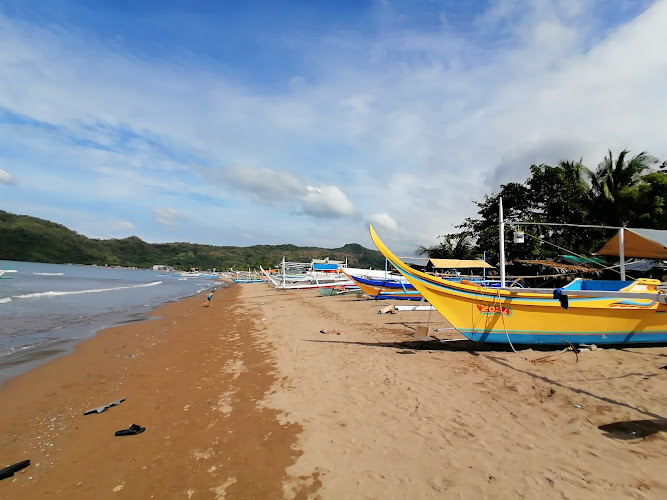
Calayo Beach

Nasugbu Globe Park
Geronimo River side place
Find Accommodations Nearby
Recommended Tours & Activities
Visitor Reviews
There are no reviews yet. Be the first one to write one.
Share Your Experience
Have you visited Kaybiang Tunnel? Help other travelers by leaving a review.