
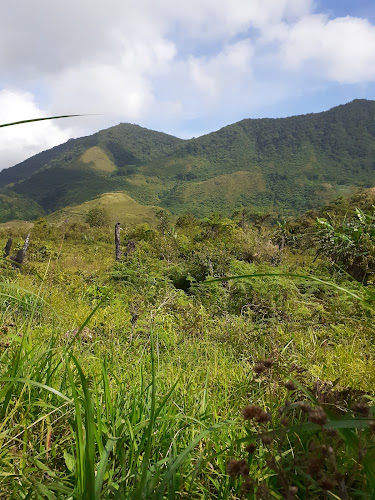
Mount Malindang
About Mount Malindang
Description
Mount Malindang is the kind of place that makes you stop mid-step just to soak in the view. Rising from the Misamis Occidental landscape, this rugged mountain range is more than just a backdrop for photos—it’s a living, breathing national park teeming with life. Its slopes are draped in thick, almost storybook-like forests, the kind where sunlight filters through in golden streaks and you half expect to see rare birds darting between the branches. There’s a certain rawness here, a wild charm that hasn’t been overly polished for tourism, and in my opinion, that’s its greatest strength.
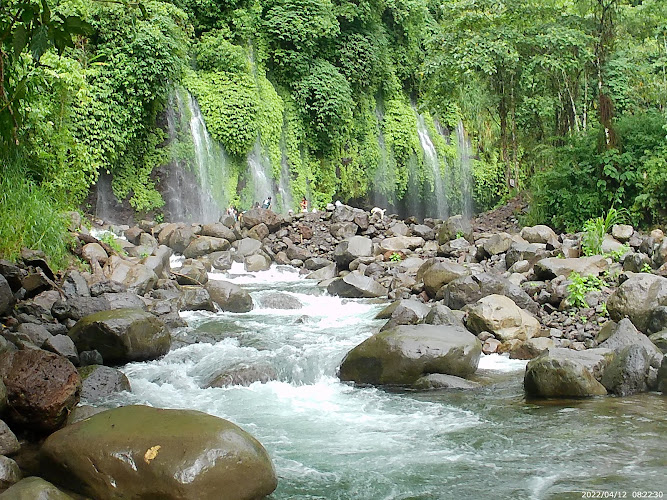
One of the park’s crown jewels is its scenic crater lake, a calm mirror of water cradled high in the mountains. It’s the sort of spot where time seems to slow down, and you can actually hear your own thoughts. Then there’s the waterfall—thundering yet graceful, with mist that cools your face after a long hike. Not every part of Mount Malindang is easy to reach, and honestly, that’s part of the adventure. Some trails can be tough, muddy, and a little unpredictable after rain, but for those willing to put in the effort, the payoff is unforgettable.
Sure, it’s not perfect—there are areas where the facilities could use some love, and the weather can be moody. But if you’re the kind of traveler who values authenticity over convenience, and who doesn’t mind a bit of dirt under your nails, Mount Malindang will reward you with moments that feel almost cinematic. It’s a place that stays with you long after you’ve left, in the smell of damp earth, the sound of rushing water, and the memory of standing on a ridge with the whole world spread out below.
Key Features
- Expansive national park with diverse ecosystems, from lowland forests to mossy highlands
- Scenic crater lake formed from volcanic activity
- Majestic waterfalls surrounded by lush greenery
- Rich biodiversity, including endemic flora and fauna
- Challenging and scenic trekking routes for all skill levels
- Cool, refreshing mountain climate
- Opportunities for birdwatching and wildlife photography
Best Time to Visit
If you ask me, the sweet spot for visiting Mount Malindang is during the dry season, roughly from December to May. Trails are less slippery, the skies are clearer, and you’re more likely to catch that postcard-perfect view from the ridges. That said, I’ve been here during light rains and there’s something magical about the mist rolling over the peaks—it’s just less practical if you’re not into soggy socks. Avoid peak rainy months if you’re planning long treks, as some paths can become tricky or even unsafe.
How to Get There
Getting to Mount Malindang feels like part of the journey. Most travelers start from Ozamiz City, which is well-connected by ferry and flights from major cities in Mindanao. From there, it’s a mix of road travel and sometimes a bit of off-road adventure, depending on which trailhead you choose. Local transport options like habal-habal (motorbike taxis) are common for reaching the more remote entry points. If you’re not familiar with the area, I’d recommend arranging a local guide—not just for navigation, but also for the stories and insights they bring along the way.
Tips for Visiting
First off, pack light but smart. You’ll want sturdy shoes, a rain jacket (even in the dry season—mountains have their moods), and enough water to keep you going. If you’re planning to camp, bring gear suited for cool nights. And please, don’t underestimate the trails—what looks like a short distance on a map can feel twice as long when you’re climbing over roots and rocks.
Respect the park’s rules and the environment. This isn’t just a tourist spot—it’s a protected area with fragile ecosystems. Carry out what you bring in, and if you’re lucky enough to see wildlife, observe from a distance. Also, be prepared for limited mobile signal in many areas. Personally, I think that’s a blessing—it forces you to unplug and really be there in the moment.
Lastly, talk to the locals. They’ll often point you toward hidden spots not marked on any official map. On my last trip, a farmer told me about a small clearing with an incredible sunset view, and it ended up being my favorite memory of the whole journey.
Key Features
- Expansive national park with diverse ecosystems, from lowland forests to mossy highlands
- Scenic crater lake formed from volcanic activity
- Majestic waterfalls surrounded by lush greenery
- Rich biodiversity, including endemic flora and fauna
- Challenging and scenic trekking routes for all skill levels
- Cool, refreshing mountain climate
- Opportunities for birdwatching and wildlife photography
More Details
Updated August 11, 2025
Table of Contents
Description
Mount Malindang is the kind of place that makes you stop mid-step just to soak in the view. Rising from the Misamis Occidental landscape, this rugged mountain range is more than just a backdrop for photos—it’s a living, breathing national park teeming with life. Its slopes are draped in thick, almost storybook-like forests, the kind where sunlight filters through in golden streaks and you half expect to see rare birds darting between the branches. There’s a certain rawness here, a wild charm that hasn’t been overly polished for tourism, and in my opinion, that’s its greatest strength.
One of the park’s crown jewels is its scenic crater lake, a calm mirror of water cradled high in the mountains. It’s the sort of spot where time seems to slow down, and you can actually hear your own thoughts. Then there’s the waterfall—thundering yet graceful, with mist that cools your face after a long hike. Not every part of Mount Malindang is easy to reach, and honestly, that’s part of the adventure. Some trails can be tough, muddy, and a little unpredictable after rain, but for those willing to put in the effort, the payoff is unforgettable.
Sure, it’s not perfect—there are areas where the facilities could use some love, and the weather can be moody. But if you’re the kind of traveler who values authenticity over convenience, and who doesn’t mind a bit of dirt under your nails, Mount Malindang will reward you with moments that feel almost cinematic. It’s a place that stays with you long after you’ve left, in the smell of damp earth, the sound of rushing water, and the memory of standing on a ridge with the whole world spread out below.
Key Features
- Expansive national park with diverse ecosystems, from lowland forests to mossy highlands
- Scenic crater lake formed from volcanic activity
- Majestic waterfalls surrounded by lush greenery
- Rich biodiversity, including endemic flora and fauna
- Challenging and scenic trekking routes for all skill levels
- Cool, refreshing mountain climate
- Opportunities for birdwatching and wildlife photography
Best Time to Visit
If you ask me, the sweet spot for visiting Mount Malindang is during the dry season, roughly from December to May. Trails are less slippery, the skies are clearer, and you’re more likely to catch that postcard-perfect view from the ridges. That said, I’ve been here during light rains and there’s something magical about the mist rolling over the peaks—it’s just less practical if you’re not into soggy socks. Avoid peak rainy months if you’re planning long treks, as some paths can become tricky or even unsafe.
How to Get There
Getting to Mount Malindang feels like part of the journey. Most travelers start from Ozamiz City, which is well-connected by ferry and flights from major cities in Mindanao. From there, it’s a mix of road travel and sometimes a bit of off-road adventure, depending on which trailhead you choose. Local transport options like habal-habal (motorbike taxis) are common for reaching the more remote entry points. If you’re not familiar with the area, I’d recommend arranging a local guide—not just for navigation, but also for the stories and insights they bring along the way.
Tips for Visiting
First off, pack light but smart. You’ll want sturdy shoes, a rain jacket (even in the dry season—mountains have their moods), and enough water to keep you going. If you’re planning to camp, bring gear suited for cool nights. And please, don’t underestimate the trails—what looks like a short distance on a map can feel twice as long when you’re climbing over roots and rocks.
Respect the park’s rules and the environment. This isn’t just a tourist spot—it’s a protected area with fragile ecosystems. Carry out what you bring in, and if you’re lucky enough to see wildlife, observe from a distance. Also, be prepared for limited mobile signal in many areas. Personally, I think that’s a blessing—it forces you to unplug and really be there in the moment.
Lastly, talk to the locals. They’ll often point you toward hidden spots not marked on any official map. On my last trip, a farmer told me about a small clearing with an incredible sunset view, and it ended up being my favorite memory of the whole journey.
Key Highlights
- Expansive national park with diverse ecosystems, from lowland forests to mossy highlands
- Scenic crater lake formed from volcanic activity
- Majestic waterfalls surrounded by lush greenery
- Rich biodiversity, including endemic flora and fauna
- Challenging and scenic trekking routes for all skill levels
- Cool, refreshing mountain climate
- Opportunities for birdwatching and wildlife photography
Location
Places to Stay Near Mount Malindang
Find and Book a Tour
Explore More Travel Guides
No reviews found! Be the first to review!
Traveler Reviews for Mount Malindang
There are no reviews yet. Be the first one to write one.
Have you visited Mount Malindang? Help other travelers by sharing your review.
You Might Also Like
Find Accommodations Nearby
Recommended Tours & Activities
Visitor Reviews
There are no reviews yet. Be the first one to write one.
Share Your Experience
Have you visited Mount Malindang? Help other travelers by leaving a review.