
Kaigenji
About Kaigenji
Key Features
More Details
Updated April 15, 2024
Free Images – ebina kaigenji temple 2016101001
## Kaigenji (海源寺), Ebina: a small Kanagawa temple with a rare samurai statue and a bell-tower gate
If you’re the kind of traveler who prefers places with a clear local story over “must-see” hype, Kaigenji (海源寺) in Ebina, Kanagawa is worth your time. It’s a working neighborhood temple rather than a grand complex—quiet, approachable, and tied to Ebina’s medieval past.
Quick facts (from verified sources):
– Name: Kaigenji (海源寺)
– Address: 1-1-22 Nakashinden (中新田1-1-22), Ebina, Kanagawa 243-0422, Japan
– Coordinates: 35.4434564, 139.3853842 (provided)
– Phone: 046-231-4130
– Access on foot: about 18 minutes from Ebina Station (East Exit) or 10 minutes from Atsugi Station
– Affiliation: listed as a Nichiren-shū temple (日蓮宗) in Kanagawa’s Nichiren-shū directory
—
## Why Kaigenji is different
### A temple with a named founder tied to local warfare-era history
Ebina’s tourism site states Kaigenji was established in the Kanshō era (寛正年間, 1460–1465), and attributes its founding to Ōshima “Bungō-no-kami” Masatoki (大島豊後守正時).
That’s the kind of grounded provenance you don’t always get with smaller temples, where “origin stories” can be vague or purely legendary.
### A rare statue: Ōshima Masatoki seated figure
Kaigenji preserves a seated statue of Ōshima Masatoki (大島正時座像), and Ebina’s tourism site says it is designated an Ebina City Important Cultural Property.
Tripadvisor’s Japanese review snippet also notes the statue is considered unusual because statues of real, identifiable military figures are comparatively rare in this context.
### The bell-tower gate (鐘楼門) is itself a cultural property
The same Ebina tourism page lists the Shōrōmon (bell-tower gate) alongside the statue as an Ebina City Important Cultural Property, with construction and restoration notes:
– originally 18th century
– rebuilt in 1927 (Shōwa 2)
– repaired in 1998 (Heisei 10)
This is an underrated detail: gates often get photographed, but documentation about when they were rebuilt (and why) is what turns a quick stop into a meaningful one.
—
## What to look for when you arrive
### 1) Start at the gate and read the site signage slowly
At small temples, the gate and approach often carry the most “public” information—names, donors, restoration plaques, and sometimes neighborhood history. Kaigenji’s bell-tower gate is specifically called out for heritage value, so treat it as more than a photo frame.
### 2) Ask (politely) about the Ōshima Masatoki statue
Because this is a functioning temple, access to cultural objects may vary by day, ceremony schedules, or staffing. If seeing the statue matters to you, it’s worth calling ahead. The temple phone number is publicly listed.
### 3) Notice how residential the setting is
Kaigenji sits in Nakashinden, an everyday part of Ebina—not a “temple district.” That changes how you visit: keep voices low, avoid blocking entrances, and assume locals are using the street for normal life.
—
## Practical visit planning
### Getting there on foot
Two walking approaches are explicitly listed by Ebina’s tourism site:
– Ebina Station (East Exit) → ~18-minute walk
– Atsugi Station → ~10-minute walk
If you’re doing a rail-based Kanagawa day, that Atsugi walk can be the easier “micro-adventure”: short, local streets, and you arrive without needing a taxi.
### Hours, admission, and what may be outdated
I did not find a reliable, official published set of opening hours or admission rules in the sources surfaced here. Because this is an active temple, treat access as variable (especially for interior spaces or viewing cultural properties).
Best move: call 046-231-4130 before you go.
Outdated/possibly incorrect data flag:
Ebina’s tourism page states the statue is “宝永7(1734)年作.”
That line is internally inconsistent (the era-year and Western year don’t align), suggesting a typo or legacy copy. The designation (important cultural property) is still meaningful, but if you need the exact carving date, verify through an official Ebina City cultural property listing or on-site documentation.
—
## Etiquette and accessibility notes (small-temple realities)
– Photography: Assume exterior photos are fine; for interiors, altars, or cultural objects, ask first or follow posted rules.
– Shoes & thresholds: If you enter any hall, expect shoe removal and be mindful of raised thresholds.
– Mobility: Small urban temples can have steps, uneven stone, and narrow paths. If step-free access matters, call ahead and ask what entrances are easiest.
Inclusivity matters here in a practical way: “accessibility” isn’t just ramps—it’s also whether staff can suggest a lower-step entrance, or whether visiting at a quiet time makes navigation easier.
—
—
## Worth it?
Kaigenji is a strong stop if you care about local history with specific names, dates, and designated heritage objects—especially the Ōshima Masatoki seated statue and the bell-tower gate. It’s not a “spend-all-day” site, but it’s exactly the kind of place that makes Kanagawa feel lived-in rather than curated.
Table of Contents
Key Highlights
Kaigenji
Location
Places to Stay Near Kaigenji
Find and Book a Tour
Explore More Travel Guides
No reviews found! Be the first to review!
Traveler Reviews for Kaigenji
There are no reviews yet. Be the first one to write one.
Have you visited Kaigenji? Help other travelers by sharing your review.
You Might Also Like
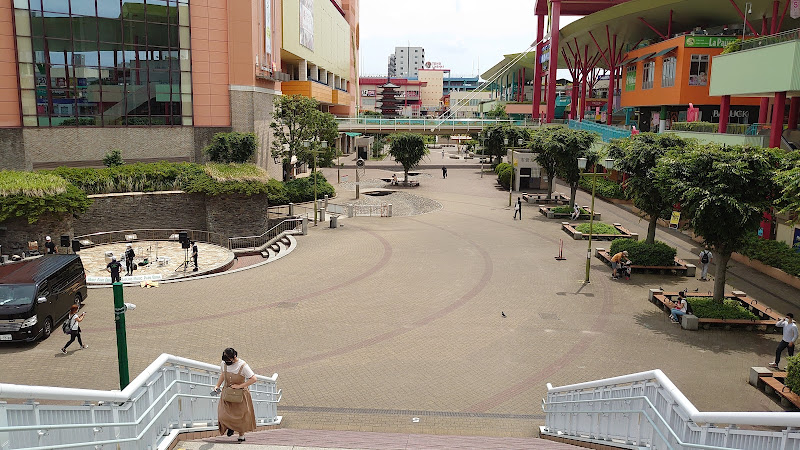
Ebina Central Park

Oyaminami
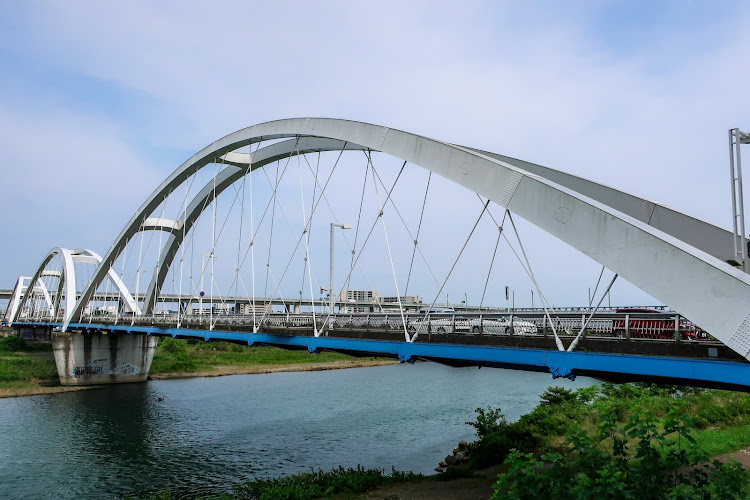
Ayumi Bridge
Find Accommodations Nearby
Recommended Tours & Activities
Visitor Reviews
There are no reviews yet. Be the first one to write one.
Share Your Experience
Have you visited Kaigenji? Help other travelers by leaving a review.