
Silonay Mangrove and Eco Park
About Silonay Mangrove and Eco Park
Description
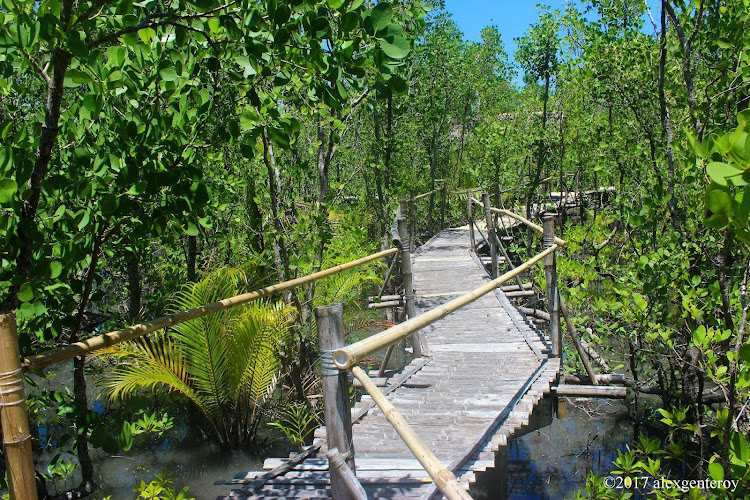
The Silonay Mangrove Conservation and Eco Park in Calapan City, Oriental Mindoro, is one of those rare places where you can slow down and actually hear yourself think. Spread over roughly 41 to 42 hectares, this protected area is more than just a scenic backdrop—it’s a living, breathing sanctuary. The park sits on Silonay Island, where a 350-meter wooden boardwalk winds its way through lush mangrove forests and leads you to a 6-meter-high viewing tower. From up there, you can take in a panoramic sweep of the Silonay River meeting the sea, with the kind of view that makes you stop mid-sentence.
What makes this place special isn’t just the postcard-worthy scenery—it’s the sense of purpose behind it. Years ago, locals cut mangroves for firewood, and the area’s ecosystem took a hit. But through community-led conservation efforts, the mangroves have bounced back, now home to 14 mangrove species, fireflies that light up the night like a living constellation, migratory birds, bats, fiddler crabs, and more creatures than you can count. It’s a place where both nature and people have learned to coexist again.
It’s also surprisingly kid-friendly. Families can stroll the boardwalk without worrying about tricky terrain, and children often enjoy spotting crabs scuttling underfoot or birds swooping overhead. The pace here is unhurried—no blaring music, no crowds pushing past you—just the sound of water lapping and leaves rustling in the breeze. If you’ve ever wanted to feel like you’ve stepped into a nature documentary, this is your shot.
Key Features
- 41–42 hectares of protected mangrove forest on Silonay Island
- 350-meter wooden boardwalk through the mangroves
- 6-meter-high viewing tower with panoramic views of the river and sea
- Home to 14 species of mangroves
- Frequent sightings of fireflies, especially at night
- Habitat for migratory birds, bats, fiddler crabs, and other wildlife
- Locally managed conservation project with a strong community story
- Peaceful, family-friendly environment suitable for children
Best Time to Visit
If you ask me, the magic of Silonay changes with the time of day. Early mornings are perfect for birdwatching—there’s something oddly calming about sipping coffee while egrets glide over the water. Late afternoons, just before sunset, are when the light turns golden and the mangroves seem to glow. And if you’re up for it, stay after dark for the firefly show. You don’t need fancy equipment—just your eyes and a bit of patience.
Season-wise, the dry months from November to May are the most comfortable. The boardwalk stays dry, the skies are generally clear, and you’re less likely to get caught in a sudden downpour. That said, visiting during the rainy season has its own charm—the mangroves look even lusher, and you’ll probably have the place to yourself. Just bring a rain jacket and maybe a change of socks.
How to Get There
Getting to Silonay Mangrove Conservation and Eco Park is fairly straightforward if you’re already in Calapan City. From the city center, it’s just a short tricycle or jeepney ride to Barangay Silonay. The road is paved most of the way, though the last stretch might feel a bit bumpy—nothing too wild, but enough to remind you you’re heading somewhere off the usual tourist trail.
If you’re coming from Manila, you’ll first need to take a bus to Batangas Port, hop on a ferry to Calapan, and then grab local transport to the park. It’s not a complicated journey, but it does take some planning. The upside? You’ll get to see a slice of provincial life along the way—market stalls, fishermen mending nets, kids playing basketball barefoot on dusty courts.
Tips for Visiting
Here’s the thing about Silonay—you get more out of it if you slow down. Don’t just rush through the boardwalk for a quick photo. Take time to notice the little details: the twisted roots of the mangroves, the way the water reflects the sky, the faint hum of insects in the background.
- Wear comfortable walking shoes. The boardwalk is easy to navigate, but you’ll still want good grip, especially if it’s rained recently.
- Bring insect repellent. This is a mangrove forest, after all, and mosquitoes are part of the package.
- If you want to see fireflies, plan for an evening visit. Check with locals about the best viewing times.
- Carry a reusable water bottle. There aren’t many shops nearby, and it’s better for the environment.
- Respect the wildlife. No feeding, no touching—just observe.
- Support the local community by paying the entrance fee and maybe buying snacks or souvenirs from nearby vendors.
- Bring a small pair of binoculars if you’re into birdwatching—you’ll thank yourself later.
One last thing—don’t underestimate how restorative a place like this can be. I’ve been to my fair share of tourist attractions that felt more like theme parks than nature spots. Silonay is different. It’s not trying too hard to impress you, and maybe that’s why it does. You come here, you breathe, and you leave feeling lighter than when you arrived. And honestly, isn’t that what travel is all about?
Key Features
- 41–42 hectares of protected mangrove forest on Silonay Island
- 350-meter wooden boardwalk through the mangroves
- 6-meter-high viewing tower with panoramic views of the river and sea
- Home to 14 species of mangroves
- Frequent sightings of fireflies, especially at night
- Habitat for migratory birds, bats, fiddler crabs, and other wildlife
- Locally managed conservation project with a strong community story
- Peaceful, family-friendly environment suitable for children
More Details
Updated August 11, 2025
Table of Contents
Description
The Silonay Mangrove Conservation and Eco Park in Calapan City, Oriental Mindoro, is one of those rare places where you can slow down and actually hear yourself think. Spread over roughly 41 to 42 hectares, this protected area is more than just a scenic backdrop—it’s a living, breathing sanctuary. The park sits on Silonay Island, where a 350-meter wooden boardwalk winds its way through lush mangrove forests and leads you to a 6-meter-high viewing tower. From up there, you can take in a panoramic sweep of the Silonay River meeting the sea, with the kind of view that makes you stop mid-sentence.
What makes this place special isn’t just the postcard-worthy scenery—it’s the sense of purpose behind it. Years ago, locals cut mangroves for firewood, and the area’s ecosystem took a hit. But through community-led conservation efforts, the mangroves have bounced back, now home to 14 mangrove species, fireflies that light up the night like a living constellation, migratory birds, bats, fiddler crabs, and more creatures than you can count. It’s a place where both nature and people have learned to coexist again.
It’s also surprisingly kid-friendly. Families can stroll the boardwalk without worrying about tricky terrain, and children often enjoy spotting crabs scuttling underfoot or birds swooping overhead. The pace here is unhurried—no blaring music, no crowds pushing past you—just the sound of water lapping and leaves rustling in the breeze. If you’ve ever wanted to feel like you’ve stepped into a nature documentary, this is your shot.
Key Features
- 41–42 hectares of protected mangrove forest on Silonay Island
- 350-meter wooden boardwalk through the mangroves
- 6-meter-high viewing tower with panoramic views of the river and sea
- Home to 14 species of mangroves
- Frequent sightings of fireflies, especially at night
- Habitat for migratory birds, bats, fiddler crabs, and other wildlife
- Locally managed conservation project with a strong community story
- Peaceful, family-friendly environment suitable for children
Best Time to Visit
If you ask me, the magic of Silonay changes with the time of day. Early mornings are perfect for birdwatching—there’s something oddly calming about sipping coffee while egrets glide over the water. Late afternoons, just before sunset, are when the light turns golden and the mangroves seem to glow. And if you’re up for it, stay after dark for the firefly show. You don’t need fancy equipment—just your eyes and a bit of patience.
Season-wise, the dry months from November to May are the most comfortable. The boardwalk stays dry, the skies are generally clear, and you’re less likely to get caught in a sudden downpour. That said, visiting during the rainy season has its own charm—the mangroves look even lusher, and you’ll probably have the place to yourself. Just bring a rain jacket and maybe a change of socks.
How to Get There
Getting to Silonay Mangrove Conservation and Eco Park is fairly straightforward if you’re already in Calapan City. From the city center, it’s just a short tricycle or jeepney ride to Barangay Silonay. The road is paved most of the way, though the last stretch might feel a bit bumpy—nothing too wild, but enough to remind you you’re heading somewhere off the usual tourist trail.
If you’re coming from Manila, you’ll first need to take a bus to Batangas Port, hop on a ferry to Calapan, and then grab local transport to the park. It’s not a complicated journey, but it does take some planning. The upside? You’ll get to see a slice of provincial life along the way—market stalls, fishermen mending nets, kids playing basketball barefoot on dusty courts.
Tips for Visiting
Here’s the thing about Silonay—you get more out of it if you slow down. Don’t just rush through the boardwalk for a quick photo. Take time to notice the little details: the twisted roots of the mangroves, the way the water reflects the sky, the faint hum of insects in the background.
- Wear comfortable walking shoes. The boardwalk is easy to navigate, but you’ll still want good grip, especially if it’s rained recently.
- Bring insect repellent. This is a mangrove forest, after all, and mosquitoes are part of the package.
- If you want to see fireflies, plan for an evening visit. Check with locals about the best viewing times.
- Carry a reusable water bottle. There aren’t many shops nearby, and it’s better for the environment.
- Respect the wildlife. No feeding, no touching—just observe.
- Support the local community by paying the entrance fee and maybe buying snacks or souvenirs from nearby vendors.
- Bring a small pair of binoculars if you’re into birdwatching—you’ll thank yourself later.
One last thing—don’t underestimate how restorative a place like this can be. I’ve been to my fair share of tourist attractions that felt more like theme parks than nature spots. Silonay is different. It’s not trying too hard to impress you, and maybe that’s why it does. You come here, you breathe, and you leave feeling lighter than when you arrived. And honestly, isn’t that what travel is all about?
Key Highlights
- 41–42 hectares of protected mangrove forest on Silonay Island
- 350-meter wooden boardwalk through the mangroves
- 6-meter-high viewing tower with panoramic views of the river and sea
- Home to 14 species of mangroves
- Frequent sightings of fireflies, especially at night
- Habitat for migratory birds, bats, fiddler crabs, and other wildlife
- Locally managed conservation project with a strong community story
- Peaceful, family-friendly environment suitable for children
Location
Places to Stay Near Silonay Mangrove and Eco Park
Find and Book a Tour
Explore More Travel Guides
No reviews found! Be the first to review!
Traveler Reviews for Silonay Mangrove and Eco Park
There are no reviews yet. Be the first one to write one.
Have you visited Silonay Mangrove and Eco Park? Help other travelers by sharing your review.
You Might Also Like
Kalap Civic Park

Oriental Mindoro Heritage Museum
Bulusan Park
Find Accommodations Nearby
Recommended Tours & Activities
Visitor Reviews
There are no reviews yet. Be the first one to write one.
Share Your Experience
Have you visited Silonay Mangrove and Eco Park? Help other travelers by leaving a review.