
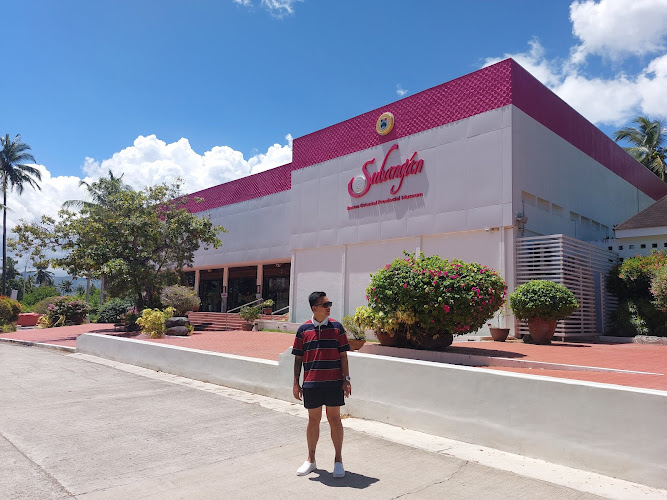
Subangan Museum
About Subangan Museum
Description
The Subangan Museum in Mati, Davao Oriental is one of those places that quietly surprises travelers who make the effort to stop by. It isn’t a massive, intimidating museum where you feel like you need a PhD in history to understand what’s going on. Instead, it’s approachable, thoughtfully curated, and filled with stories that make the province’s past and present feel alive. The museum is housed in a modern, two-story building right within the Provincial Tourism Complex, but once you step inside, you’ll quickly realize it’s more than just another local museum—it’s a gateway to understanding the soul of Davao Oriental.
What makes it stand out is the way it balances history, culture, and nature in one space. You’ll see everything from indigenous textiles and artifacts to the massive skeleton of a 53-foot sperm whale that washed ashore years ago. That whale, by the way, is a centerpiece that kids and adults alike can’t help but marvel at. And while some exhibits are simple, even modest, there’s a sincerity in the way stories are told here that leaves an impression. Sure, not every corner feels polished, but that’s part of its charm—it feels real, like the community itself had a hand in shaping it.
Travelers often leave with a deeper appreciation for the province because the museum doesn’t just focus on ancient relics. It also highlights recent events like Typhoon Pablo, showing the resilience of the people and the land. It’s not flashy, but it’s heartfelt, and that’s what makes it worth your time if you’re curious about where you are and who came before you.
Key Features
- Home to the largest whale skeleton on display in the Philippines, measuring 53 feet long.
- Exhibits on the indigenous Mandaya culture, including traditional textiles and crafts.
- Interactive displays that make it engaging for kids and families.
- Sections dedicated to natural wonders of Davao Oriental, like Mount Hamiguitan and its unique biodiversity.
- Exhibit on Typhoon Pablo, documenting the devastation and recovery of the province.
- Wheelchair accessible with ramps, restrooms, and parking for visitors with mobility needs.
- Air-conditioned galleries that provide a comfortable escape from the tropical heat.
Best Time to Visit
The museum is open year-round, so you don’t need to worry about missing out due to seasons. That said, mornings are usually the best time to go. You’ll find fewer crowds, which means you can take your time wandering through the exhibits without feeling rushed. Plus, starting your day here gives you a solid foundation before heading out to explore Mati’s beaches or mountain viewpoints. If you’re visiting during the rainy months, the museum also makes for a perfect indoor activity when the weather isn’t cooperating.
How to Get There
Reaching the Subangan Museum is fairly straightforward if you’re already in Mati City. Most travelers arrive in Mati by bus or private car from Davao City, which takes around three to four hours depending on traffic and road conditions. Once in Mati, local tricycles or habal-habal rides (motorcycle taxis) can easily take you to the Provincial Tourism Complex where the museum is located. If you’re driving, there’s parking available on-site, and the location is well-marked along the main highway, so you won’t have trouble finding it.
Tips for Visiting
Here are a few things I wish I knew before my first visit. First, give yourself at least an hour inside. You might think it’s a small museum and you’ll breeze through in 20 minutes, but the exhibits have layers—you’ll want time to read the stories, watch the short videos, and really look at the details in the artifacts. Second, bring a light jacket or shawl. The air-conditioning can get pretty chilly compared to the humid air outside, and I found myself shivering halfway through the second floor.
Photography is allowed, but be respectful—especially around cultural artifacts that hold significance for the local communities. If you’re traveling with kids, this is a great stop because the whale skeleton and interactive displays tend to capture their attention (and honestly, adults too). Don’t expect a café or restaurant inside, though. If you get hungry, you’ll need to head back into town for food. Restrooms are available, and they’re clean, which is always a plus when you’re on the road.
Finally, go in with an open mind. Some travelers expect big-city museum standards and leave underwhelmed. But if you see it for what it is—a heartfelt showcase of Davao Oriental’s culture, history, and resilience—you’ll walk away with a much richer sense of place. And that, in my opinion, is worth more than a glossy, high-tech exhibit any day.
Key Features
- Home to the largest whale skeleton on display in the Philippines, measuring 53 feet long.
- Exhibits on the indigenous Mandaya culture, including traditional textiles and crafts.
- Interactive displays that make it engaging for kids and families.
- Sections dedicated to natural wonders of Davao Oriental, like Mount Hamiguitan and its unique biodiversity.
- Exhibit on Typhoon Pablo, documenting the devastation and recovery of the province.
- Wheelchair accessible with ramps, restrooms, and parking for visitors with mobility needs.
- Air-conditioned galleries that provide a comfortable escape from the tropical heat.
More Details
Updated September 9, 2025
Table of Contents
Description
The Subangan Museum in Mati, Davao Oriental is one of those places that quietly surprises travelers who make the effort to stop by. It isn’t a massive, intimidating museum where you feel like you need a PhD in history to understand what’s going on. Instead, it’s approachable, thoughtfully curated, and filled with stories that make the province’s past and present feel alive. The museum is housed in a modern, two-story building right within the Provincial Tourism Complex, but once you step inside, you’ll quickly realize it’s more than just another local museum—it’s a gateway to understanding the soul of Davao Oriental.
What makes it stand out is the way it balances history, culture, and nature in one space. You’ll see everything from indigenous textiles and artifacts to the massive skeleton of a 53-foot sperm whale that washed ashore years ago. That whale, by the way, is a centerpiece that kids and adults alike can’t help but marvel at. And while some exhibits are simple, even modest, there’s a sincerity in the way stories are told here that leaves an impression. Sure, not every corner feels polished, but that’s part of its charm—it feels real, like the community itself had a hand in shaping it.
Travelers often leave with a deeper appreciation for the province because the museum doesn’t just focus on ancient relics. It also highlights recent events like Typhoon Pablo, showing the resilience of the people and the land. It’s not flashy, but it’s heartfelt, and that’s what makes it worth your time if you’re curious about where you are and who came before you.
Key Features
- Home to the largest whale skeleton on display in the Philippines, measuring 53 feet long.
- Exhibits on the indigenous Mandaya culture, including traditional textiles and crafts.
- Interactive displays that make it engaging for kids and families.
- Sections dedicated to natural wonders of Davao Oriental, like Mount Hamiguitan and its unique biodiversity.
- Exhibit on Typhoon Pablo, documenting the devastation and recovery of the province.
- Wheelchair accessible with ramps, restrooms, and parking for visitors with mobility needs.
- Air-conditioned galleries that provide a comfortable escape from the tropical heat.
Best Time to Visit
The museum is open year-round, so you don’t need to worry about missing out due to seasons. That said, mornings are usually the best time to go. You’ll find fewer crowds, which means you can take your time wandering through the exhibits without feeling rushed. Plus, starting your day here gives you a solid foundation before heading out to explore Mati’s beaches or mountain viewpoints. If you’re visiting during the rainy months, the museum also makes for a perfect indoor activity when the weather isn’t cooperating.
How to Get There
Reaching the Subangan Museum is fairly straightforward if you’re already in Mati City. Most travelers arrive in Mati by bus or private car from Davao City, which takes around three to four hours depending on traffic and road conditions. Once in Mati, local tricycles or habal-habal rides (motorcycle taxis) can easily take you to the Provincial Tourism Complex where the museum is located. If you’re driving, there’s parking available on-site, and the location is well-marked along the main highway, so you won’t have trouble finding it.
Tips for Visiting
Here are a few things I wish I knew before my first visit. First, give yourself at least an hour inside. You might think it’s a small museum and you’ll breeze through in 20 minutes, but the exhibits have layers—you’ll want time to read the stories, watch the short videos, and really look at the details in the artifacts. Second, bring a light jacket or shawl. The air-conditioning can get pretty chilly compared to the humid air outside, and I found myself shivering halfway through the second floor.
Photography is allowed, but be respectful—especially around cultural artifacts that hold significance for the local communities. If you’re traveling with kids, this is a great stop because the whale skeleton and interactive displays tend to capture their attention (and honestly, adults too). Don’t expect a café or restaurant inside, though. If you get hungry, you’ll need to head back into town for food. Restrooms are available, and they’re clean, which is always a plus when you’re on the road.
Finally, go in with an open mind. Some travelers expect big-city museum standards and leave underwhelmed. But if you see it for what it is—a heartfelt showcase of Davao Oriental’s culture, history, and resilience—you’ll walk away with a much richer sense of place. And that, in my opinion, is worth more than a glossy, high-tech exhibit any day.
Key Highlights
- Home to the largest whale skeleton on display in the Philippines, measuring 53 feet long.
- Exhibits on the indigenous Mandaya culture, including traditional textiles and crafts.
- Interactive displays that make it engaging for kids and families.
- Sections dedicated to natural wonders of Davao Oriental, like Mount Hamiguitan and its unique biodiversity.
- Exhibit on Typhoon Pablo, documenting the devastation and recovery of the province.
- Wheelchair accessible with ramps, restrooms, and parking for visitors with mobility needs.
- Air-conditioned galleries that provide a comfortable escape from the tropical heat.
Location
Places to Stay Near Subangan Museum
Find and Book a Tour
Explore More Travel Guides
No reviews found! Be the first to review!
Traveler Reviews for Subangan Museum
There are no reviews yet. Be the first one to write one.
Have you visited Subangan Museum? Help other travelers by sharing your review.
You Might Also Like

Bobon beach
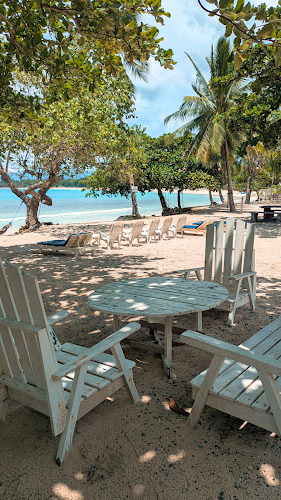
Tropical Kanakbai, Dahican Beach
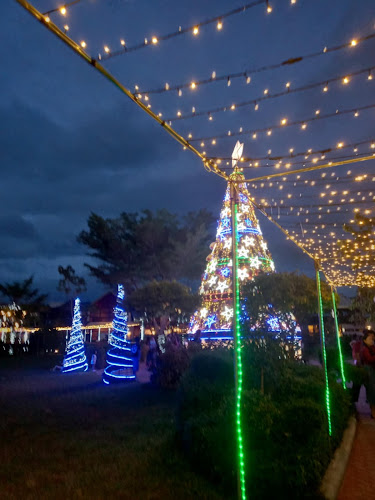
Mati city baywalk
Find Accommodations Nearby
Recommended Tours & Activities
Visitor Reviews
There are no reviews yet. Be the first one to write one.
Share Your Experience
Have you visited Subangan Museum? Help other travelers by leaving a review.