
American Museum of Ceramic Art / AMOCA
About American Museum of Ceramic Art / AMOCA
Description
The American Museum of Ceramic Art, often called AMOCA, is one of those places that surprises you with how much depth and variety it has. It’s not your typical art museum that tries to cover every genre under the sun. Instead, it’s laser-focused on ceramics—yes, clay, pottery, and the whole world of fired earth. And honestly, that makes it stand out. You walk in expecting to see a few pots or bowls, but what you actually get is a full-on journey through history, culture, and some pretty wild contemporary art pieces. Some folks might not “get” ceramics right away, but once you see the detail and the creativity behind it, you start to realize why this art form has been around for thousands of years.
What I personally like about AMOCA is how approachable it feels. It doesn’t give off that intimidating vibe some art museums do where you feel like you need an art history degree to understand what you’re looking at. Instead, it’s family-friendly, welcoming, and even interactive in parts. There’s a clay studio where you can actually get your hands dirty and try making something yourself. I’ve done a pottery class before (not here, but elsewhere), and let me tell you, it’s harder than it looks. Seeing the professionals’ work after trying to spin a lopsided bowl yourself gives you a whole new respect for the craft.
Of course, not every single visitor comes out blown away. Some people expect a massive, sprawling museum and are surprised that it’s a bit more intimate. But that’s kind of the charm, in my opinion. You can actually take your time with each piece without feeling rushed. And the rotating exhibitions mean that even if you’ve been there before, you’ll likely see something new the next time around. It’s the kind of spot that rewards repeat visits, especially if you’re the type who likes to slow down and really look at the details.
Key Features
- Dedicated entirely to ceramic art, from ancient to contemporary works
- Rotating exhibitions across multiple galleries, so there’s always something fresh to see
- Hands-on clay studio where visitors can take classes and workshops
- Wheelchair accessible entrances, restrooms, and parking
- Family-friendly environment that’s also good for kids
- Discounts available for active military members
- Onsite gift shop with unique ceramic pieces and souvenirs
- Free parking lot, which is a big plus in Southern California
Best Time to Visit
If you’re planning a trip, weekends are when the museum is open to the public, so that’s your window. Fridays through Sundays, usually late morning to mid-afternoon, are your best bet. Personally, I’d recommend going earlier in the day. The galleries feel calmer, and you get more space to yourself to wander and take it all in. Plus, if you’re anything like me, you’ll want time to linger in the gift shop without feeling rushed. Another tip: check the schedule for special exhibitions or events. Sometimes they host artist talks, workshops, or even family days, and those add an extra layer of fun to the visit.
Weather-wise, Southern California is pretty forgiving year-round, but I’d say spring and fall are especially nice times to go. The museum itself is indoors, of course, but you’ll probably want to explore the surrounding area too, and it’s just more pleasant when it’s not scorching hot. Summer can be busy with families on vacation, while winter tends to be quieter if you prefer fewer crowds.
How to Get There
Getting to AMOCA is fairly straightforward if you’re already in the Los Angeles or Inland Empire area. Driving is by far the easiest option, and the free parking makes it stress-free compared to a lot of other museums in SoCal. If you’re coming from LA, it’s about an hour’s drive depending on traffic (and let’s be real, there’s always traffic). Public transportation is possible but not the most convenient—you’d be looking at a combination of train and bus, which can stretch out the trip. If you’re traveling, I’d honestly recommend renting a car. That way you can also explore nearby attractions without being tied to bus schedules.
For those flying in, the closest major airport is Ontario International, which is only about 20 minutes away by car. LAX is an option too, but that’s a longer haul. Either way, once you’re in the area, the museum is easy to find and well-marked, so you won’t be circling endlessly trying to locate it.
Tips for Visiting
Here are a few things I’ve learned (sometimes the hard way) that might make your visit smoother:
- Take your time: It’s not a huge museum, but don’t rush. The details in ceramic art are subtle, and you’ll appreciate them more if you slow down.
- Check the calendar: Exhibitions rotate, and workshops fill up quickly. If you’re interested in a class, book ahead.
- Bring kids: This is one of those rare museums where children can actually enjoy themselves. The hands-on activities keep them engaged.
- Accessibility is solid: If anyone in your group needs wheelchair access, you’ll find it easy to navigate.
- Skip the lunch plans inside: There isn’t a restaurant onsite, so plan to eat before or after. Luckily, there are plenty of good spots nearby.
- Support the gift shop: The pieces here aren’t your standard touristy trinkets. You can find handmade ceramics that make meaningful souvenirs.
- Photography: Always double-check the rules. Some exhibitions allow photos, others don’t. And trust me, you’ll be tempted to snap a few.
One last thought: go in with an open mind. Ceramics might not sound as flashy as, say, modern paintings or giant sculptures, but once you’re standing in front of a centuries-old vessel or a mind-bending contemporary installation, you’ll probably find yourself saying, “Wow, I didn’t expect that.” And that’s the real magic of AMOCA—it changes the way you see something as simple as clay.
Key Features
- Dedicated entirely to ceramic art, from ancient to contemporary works
- Rotating exhibitions across multiple galleries, so there’s always something fresh to see
- Hands-on clay studio where visitors can take classes and workshops
- Wheelchair accessible entrances, restrooms, and parking
- Family-friendly environment that’s also good for kids
- Discounts available for active military members
- Onsite gift shop with unique ceramic pieces and souvenirs
- Free parking lot, which is a big plus in Southern California
More Details
Updated September 9, 2025
Table of Contents
- Description
- Key Features
- Best Time to Visit
- How to Get There
- Tips for Visiting
- Key Highlights
- Location
- Places to Stay Near American Museum of Ceramic Art / AMOCA
- Find and Book a Tour
- Explore More Travel Guides
- Nearby Places You Might Like
- Traveler Reviews for American Museum of Ceramic Art / AMOCA
- Share Your Experience
Description
The American Museum of Ceramic Art, often called AMOCA, is one of those places that surprises you with how much depth and variety it has. It’s not your typical art museum that tries to cover every genre under the sun. Instead, it’s laser-focused on ceramics—yes, clay, pottery, and the whole world of fired earth. And honestly, that makes it stand out. You walk in expecting to see a few pots or bowls, but what you actually get is a full-on journey through history, culture, and some pretty wild contemporary art pieces. Some folks might not “get” ceramics right away, but once you see the detail and the creativity behind it, you start to realize why this art form has been around for thousands of years.
What I personally like about AMOCA is how approachable it feels. It doesn’t give off that intimidating vibe some art museums do where you feel like you need an art history degree to understand what you’re looking at. Instead, it’s family-friendly, welcoming, and even interactive in parts. There’s a clay studio where you can actually get your hands dirty and try making something yourself. I’ve done a pottery class before (not here, but elsewhere), and let me tell you, it’s harder than it looks. Seeing the professionals’ work after trying to spin a lopsided bowl yourself gives you a whole new respect for the craft.
Of course, not every single visitor comes out blown away. Some people expect a massive, sprawling museum and are surprised that it’s a bit more intimate. But that’s kind of the charm, in my opinion. You can actually take your time with each piece without feeling rushed. And the rotating exhibitions mean that even if you’ve been there before, you’ll likely see something new the next time around. It’s the kind of spot that rewards repeat visits, especially if you’re the type who likes to slow down and really look at the details.
Key Features
- Dedicated entirely to ceramic art, from ancient to contemporary works
- Rotating exhibitions across multiple galleries, so there’s always something fresh to see
- Hands-on clay studio where visitors can take classes and workshops
- Wheelchair accessible entrances, restrooms, and parking
- Family-friendly environment that’s also good for kids
- Discounts available for active military members
- Onsite gift shop with unique ceramic pieces and souvenirs
- Free parking lot, which is a big plus in Southern California
Best Time to Visit
If you’re planning a trip, weekends are when the museum is open to the public, so that’s your window. Fridays through Sundays, usually late morning to mid-afternoon, are your best bet. Personally, I’d recommend going earlier in the day. The galleries feel calmer, and you get more space to yourself to wander and take it all in. Plus, if you’re anything like me, you’ll want time to linger in the gift shop without feeling rushed. Another tip: check the schedule for special exhibitions or events. Sometimes they host artist talks, workshops, or even family days, and those add an extra layer of fun to the visit.
Weather-wise, Southern California is pretty forgiving year-round, but I’d say spring and fall are especially nice times to go. The museum itself is indoors, of course, but you’ll probably want to explore the surrounding area too, and it’s just more pleasant when it’s not scorching hot. Summer can be busy with families on vacation, while winter tends to be quieter if you prefer fewer crowds.
How to Get There
Getting to AMOCA is fairly straightforward if you’re already in the Los Angeles or Inland Empire area. Driving is by far the easiest option, and the free parking makes it stress-free compared to a lot of other museums in SoCal. If you’re coming from LA, it’s about an hour’s drive depending on traffic (and let’s be real, there’s always traffic). Public transportation is possible but not the most convenient—you’d be looking at a combination of train and bus, which can stretch out the trip. If you’re traveling, I’d honestly recommend renting a car. That way you can also explore nearby attractions without being tied to bus schedules.
For those flying in, the closest major airport is Ontario International, which is only about 20 minutes away by car. LAX is an option too, but that’s a longer haul. Either way, once you’re in the area, the museum is easy to find and well-marked, so you won’t be circling endlessly trying to locate it.
Tips for Visiting
Here are a few things I’ve learned (sometimes the hard way) that might make your visit smoother:
- Take your time: It’s not a huge museum, but don’t rush. The details in ceramic art are subtle, and you’ll appreciate them more if you slow down.
- Check the calendar: Exhibitions rotate, and workshops fill up quickly. If you’re interested in a class, book ahead.
- Bring kids: This is one of those rare museums where children can actually enjoy themselves. The hands-on activities keep them engaged.
- Accessibility is solid: If anyone in your group needs wheelchair access, you’ll find it easy to navigate.
- Skip the lunch plans inside: There isn’t a restaurant onsite, so plan to eat before or after. Luckily, there are plenty of good spots nearby.
- Support the gift shop: The pieces here aren’t your standard touristy trinkets. You can find handmade ceramics that make meaningful souvenirs.
- Photography: Always double-check the rules. Some exhibitions allow photos, others don’t. And trust me, you’ll be tempted to snap a few.
One last thought: go in with an open mind. Ceramics might not sound as flashy as, say, modern paintings or giant sculptures, but once you’re standing in front of a centuries-old vessel or a mind-bending contemporary installation, you’ll probably find yourself saying, “Wow, I didn’t expect that.” And that’s the real magic of AMOCA—it changes the way you see something as simple as clay.
Key Highlights
- Dedicated entirely to ceramic art, from ancient to contemporary works
- Rotating exhibitions across multiple galleries, so there’s always something fresh to see
- Hands-on clay studio where visitors can take classes and workshops
- Wheelchair accessible entrances, restrooms, and parking
- Family-friendly environment that’s also good for kids
- Discounts available for active military members
- Onsite gift shop with unique ceramic pieces and souvenirs
- Free parking lot, which is a big plus in Southern California
Location
Places to Stay Near American Museum of Ceramic Art / AMOCA
Find and Book a Tour
Explore More Travel Guides
No reviews found! Be the first to review!
Traveler Reviews for American Museum of Ceramic Art / AMOCA
There are no reviews yet. Be the first one to write one.
Have you visited American Museum of Ceramic Art / AMOCA? Help other travelers by sharing your review.
You Might Also Like
Chronos Escape Room
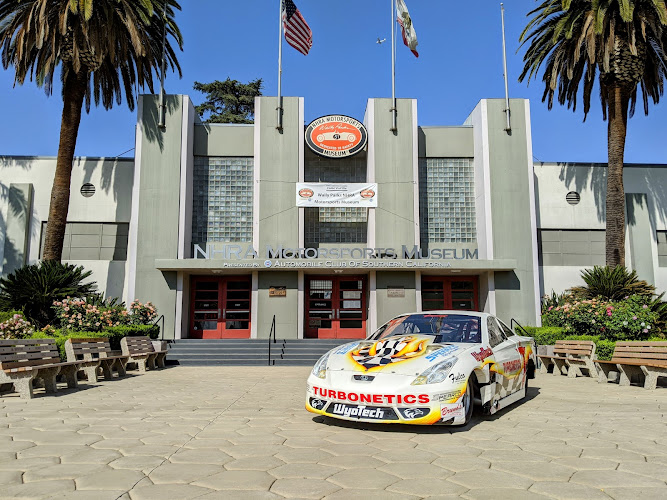
NHRA Motorsports Museum
Country Crossing Park
Find Accommodations Nearby
Recommended Tours & Activities
Visitor Reviews
There are no reviews yet. Be the first one to write one.
Share Your Experience
Have you visited American Museum of Ceramic Art / AMOCA? Help other travelers by leaving a review.