
Casa Gorordo Museum
About Casa Gorordo Museum
Key Features
More Details
Updated June 11, 2025
Casa Gorordo Museum in Cebu City, Philippines | Philippines Tour Guide
## Casa Gorordo Museum: A Time Capsule of Old Cebu
Casa Gorordo Museum is one of Cebu City’s most important heritage houses: a 19th-century bahay na bato (stone-and-wood house) turned museum in the historic Parian district, the old mercantile heart of the city. It sits at 35 Eduardo Aboitiz Street, Parian, Cebu City, inside the country’s oldest city and close to other landmark ancestral homes.
Owned and managed today by the Ramon Aboitiz Foundation Inc. (RAFI), Casa Gorordo presents a curated look at how an affluent Cebuano family lived as Cebu shifted from Spanish colonial rule into the American period and the early years of the Philippine nation-state.
### Quick facts
– Type: House museum / heritage attraction
– Style: Bahay na bato / “balay nga tisa” with coral-stone base, hardwood upper floor, clay-tile roof
– District: Parian, Cebu City – walkable to Yap-Sandiego Ancestral House, the 1730 Jesuit House, and the Heritage of Cebu Monument Universal
– Current rating: Around 4.6/5 on major review platforms, based on thousands of visitor reviews
—
## A Short History of Casa Gorordo
### From merchant’s house to bishop’s home
Casa Gorordo’s story begins in the mid-19th century, when it was built by Alejandro Reynes y Rosales, a local elite connected to Cebu’s growing trade economy. Cebu
In 1863, the house was purchased by Juan Isidro de Gorordo, a Spanish merchant. Four generations of the Gorordo family lived here, including Juan Bautista (Juan) Gorordo, who later became the first Filipino bishop of Cebu (serving from 1910 to 1932). Cebu
This dual identity—merchant household and religious figure’s residence—is part of what makes Casa Gorordo significant. It reflects:
– Cebu’s transition from a galleon-trade outpost to an open port with rising local elites
– The emergence of Filipino clergy and a more localized church hierarchy after centuries of Spanish control
### How it became a museum
By the late 20th century, many ancestral homes in Parian were in poor condition or had disappeared entirely. Recognising Casa Gorordo’s historical value, RAFI acquired the house in 1979–1980, restored it, and opened it to the public as a museum in 1983.
The house was later declared a National Historical Landmark by the National Historical Institute (now the National Historical Commission of the Philippines), formally recognising its national significance.
### Recent revamps
Casa Gorordo closed temporarily in the mid-2010s for a major conservation and curatorial upgrade. Engineers stabilised the tugas (Philippine molave) posts and foundations, while curators reworked the exhibits to present a more cohesive narrative about Cebuano life and the Parian district.
When it reopened, visitors encountered:
– A repainted ochre-and-green façade, closer to historic colours for “balay nga tisa” houses
– Better-organised exhibits on the ground floor
– Updated interpretation using multimedia and clearer storytelling about Parian and Cebu’s social history Publishing Inc.
—
## Architecture: Bahay na Bato, Cebuano Style
Casa Gorordo is a textbook example of a bahay na bato adapted to Cebu’s climate and urban setting.
### Materials and structure
Key architectural features include:
– Coral stone (ground floor/zaguán): Thick stone walls regulate temperature and protect against humidity.
– Hardwood upper floor (taas): Philippine hardwoods such as molave and narra were used for posts, flooring, and furniture; these woods are prized for durability and status.
– Clay tile roof: A defining trait of “balay nga tisa” (literally, “house of tiles”) in old Cebu.
– Capiz-shell sliding windows: Allow cross-ventilation while diffusing harsh sunlight, an important adaptation for tropical heat. Suites
Parian was historically built on marshy ground, forcing builders to rely on water-resistant woods like molave for underground posts. Conservation teams found parts of these buried posts rotting due to a high water table and replaced them with modern concrete footings while preserving the visible historic fabric above ground.
### Layout and social life
Inside, Casa Gorordo preserves the classic spatial hierarchy of elite 19th-century homes:
– Zaguán (ground floor): Storage for agricultural produce, carriages, and tools—a reminder that even urban elites were still tied to land and trade. Suites
– Grand wooden staircase: The main stairway, accompanied by a small descanso (landing) halfway up, signalled the family’s status; not all visitors would be invited to the upper floor.
– Caída and sala: Large receiving areas upstairs used for formal visits and social gatherings.
– Azotea (terrace): An open tiled terrace overlooking the garden, used for laundry, drying crops, and informal gatherings.
– Private chapel (capilla): Casa Gorordo includes a dedicated chapel space, linked to Bishop Juan Gorordo’s life; guides and recent articles note this as an unusually complete private chapel inside a Philippine ancestral home. Suites
These elements together show how architecture reinforced social boundaries—who was greeted downstairs, who could ascend the stairs, and which areas were reserved for family, suitors, or honoured guests.
—
## What You’ll See Inside Casa Gorordo
### Ground floor: Trade, agriculture, and changing Cebu
The ground floor has been curated as an introductory gallery to Cebu’s economic and social history:
– Multimedia panels and videos that explain how Parian developed as a merchant and Chinese-Filipino quarter, and how Cebu’s port opening changed local life. Publishing Inc.
– Displays of farm tools, carabao models, and agrarian implements, linking urban wealth to rural production. Publishing Inc.
– Exhibits on crafts and everyday work, situating the Gorordo family in a wider Cebuano society of artisans, traders, and farm tenants.
This floor feels more like a modern historical museum, with clearer labels and timelines—the revamp intentionally structured it that way to give visitors orientation before they move upstairs. Publishing Inc.
### Upper floor: Domestic life in a 19th-century Cebuano home
The second floor is laid out much closer to how the family would have used it:
– Bedrooms with four-poster wooden beds, wardrobes, and personal items
– A sala mayor (formal living room) with period furniture
– A suitor’s corner near the stairs, where daughters could receive visitors under the discreet eyes of parents Ventures
– The capilla (chapel) with religious icons connected to Bishop Gorordo’s vocation Suites
– Kitchen and dining areas, showing traditional cooking platforms (abuhan), ceramics, and imported tableware used for entertaining both local elites and foreign guests
The interpretation leans into everyday routines—how families ate, prayed, worked, and navigated strict social etiquette—rather than only focusing on big political events. That “lived-in” narrative is what makes Casa Gorordo especially valuable if you’re interested in social history and material culture.
### Garden, café, and cultural programming
Beyond the house itself:
– The inner garden and azotea form a small but atmospheric open space used for functions and small events.
– A shop and café space on the property has historically sold heritage-inspired crafts, books, and refreshments; in recent years it has hosted branded coffee partnerships and rotating offers. Publishing Inc.
– Casa Gorordo also hosts talks and cultural events (such as CGM Talks and special heritage nights), which are usually announced on the museum’s official Facebook page. Ventures
—
## Planning Your Visit
### Location & how to get there
– Address: Casa Gorordo Museum, 35 Eduardo Aboitiz St., Parian, Cebu City, 6000 Cebu, Philippines Art
– Neighbourhood: Parian district, close to the Heritage of Cebu Monument, Yap-Sandiego Ancestral House, and the 1730 Jesuit House, all within easy walking distance. Universal
From central Cebu City, most travellers use:
– Taxi or Grab: Easiest if you’re not familiar with jeepney routes; just input “Casa Gorordo Museum”. Museums
– Heritage walk on foot: If you’re already near Colon Street, the Cathedral, or the Basilica, you can link Casa Gorordo into a self-guided heritage loop through downtown Cebu. Blog
> Contextual internal link idea: If RealJourneyTravels has a downtown guide, you could link this section to something like Cebu City heritage walk guide.
### Opening hours, tickets, and what’s changed
Different sources give slightly different details, which is a clue that hours and pricing have been adjusted over time:
– Several recent guides (including 2022–2025 articles) list opening hours broadly around 09:00–17:00, most commonly Monday–Saturday, occasionally Tuesday–Sunday. Publishing Inc.
– Published entrance fees in the last few years range roughly from PHP 70–120 for regular visitors, with discounted rates for students, seniors, and persons with disabilities, and sometimes bundled tickets that include app-guided tours or souvenirs. Art
Because these figures have changed multiple times, and promotions (like bundled tickets or special events) sometimes alter both hours and pricing, it’s safest to:
– Check the official Casa Gorordo Museum website or
– Check the Casa Gorordo Museum Facebook page before you go, especially around holidays or city-wide festivals.
> Outdated-data flag: Any specific pesos amount or exact timetable you see in older blog posts and printed guides may no longer be accurate. Treat them as ballpark references only and verify directly with the museum or an updated 2025-dated source.
### Guided vs. self-guided visits
Table of Contents
Key Highlights
Casa Gorordo Museum
Location
Places to Stay Near Casa Gorordo Museum"From religious icons and traditional household items to personal ..."
Find and Book a Tour
Explore More Travel Guides
No reviews found! Be the first to review!
Traveler Reviews for Casa Gorordo Museum
There are no reviews yet. Be the first one to write one.
Have you visited Casa Gorordo Museum? Help other travelers by sharing your review.
You Might Also Like
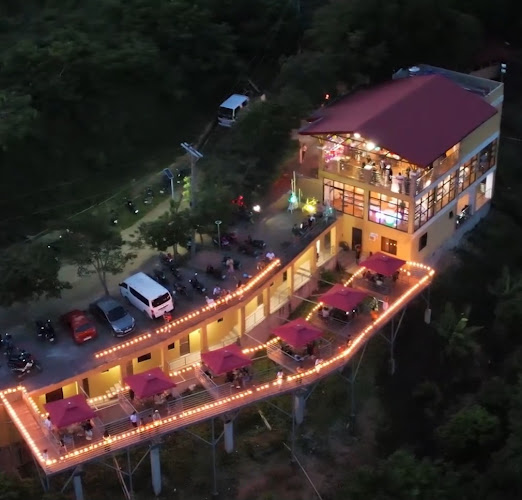
Purisima Mountain VIEW
Discovery Hills
Fryle
Find Accommodations Nearby
Recommended Tours & Activities
Visitor Reviews
There are no reviews yet. Be the first one to write one.
Share Your Experience
Have you visited Casa Gorordo Museum? Help other travelers by leaving a review.