
Basilica of St. Quirinus.
About Basilica of St. Quirinus.
Key Features
More Details
Updated April 15, 2024
## Basilica of St. Quirinus (Quirinus-Münster), Neuss — Complete Visitor Guide
Address: Münsterplatz 23, 41460 Neuss, Germany
Coordinates: 51.1990374, 6.692933
### Why this church matters
The Basilica of St. Quirinus is the landmark of Neuss and one of the Rhineland’s finest late-Romanesque churches. Its powerful westwork, octagonal crossing tower crowned by a Baroque dome, and the statue of St. Quirinus rising above the skyline make it instantly recognizable. Architecturally, it’s a three-aisled, vaulted emporenbasilika with transept and a rare tri-conch (Dreikonchen) eastern end built above a five-aisled crypt—details that place it among the Romanesque “treasures” of the region. NRW
—
## Quick facts for your visit
– Opening hours (church building): daily, roughly 08:30–18:00 (subject to liturgical use). Check on arrival; access is limited during Mass. Quirinus Neuss-Mitte
– Parish/diocese: Roman Catholic, Archdiocese of Cologne. Quirinus Neuss-Mitte
– Status: Elevated to minor basilica by Pope Benedict XVI in 2009.
– Accessibility: Site notes indicate wheelchair access; guided tours on heritage open days run every 30 minutes, with restricted visiting during services. des offenen Denkmals
> Accuracy note: Opening times can vary with parish schedules and events; always verify on the parish page or signage on the day.
—
## A concise timeline
– Late Antiquity/Early Middle Ages: The hill here shows early Christian use near a late Roman burial ground; a small sacred structure likely stood on this spot by the 5th century. Neuss
– 1050: The relics of the Roman martyr St. Quirinus are transferred from Rome to Neuss—a gift of Pope Leo IX to Abbess Gepa—which ignites centuries of pilgrimage.
– 1209–1230: Master builder Wolbero lays the cornerstone on 9 October 1209; the great Romanesque church rises over the next decades. Neuss
– 2009: Papal decree grants the title Basilica minor, recognizing its historic and pastoral significance.
—
## What to look for inside
### The Quirinus Shrine (and the city’s patron)
The basilica safeguards a golden shrine containing the relics of St. Quirinus, a Roman officer martyred in early Christian tradition and venerated across the Rhineland. Pilgrimage to Neuss around his relics shaped local devotion and civic identity for centuries. Expect to see the shrine highlighted during feast-day processions.
### The spatial drama: westwork, dome, and tri-conch
Step in and orient yourself: the nave’s galleries (Emporen) and robust piers anchor the space, while the tri-conch eastern termination and the octagonal crossing tower lead your eye up to the dome with the figure of St. Quirinus. These elements fuse late-Romanesque massing with transitional Gothic tendencies—part of why art historians single out Neuss in the Lower Rhine canon. NRW
### The organ and sound of the basilica
The parish notes that St. Quirinus houses the largest organ in the Archdiocese of Cologne after the Cologne Cathedral organ, and that its bell ensemble—renewed after a 1914 fire—was tuned to blend with the city’s soundscape. If your timing is flexible, plan around the “Orgelstunde zur Marktzeit” and other music events that the church frequently hosts. Quirinus Neuss-Mitte
> Insider tip: Music listings are posted by MünsterMusik Neuss; an organ hour around market time is a compact, crowd-friendly way to hear the instrument without a late evening commitment.
—
## Living tradition: processions and pilgrimage
The Quirinus procession remains a signature moment in the city’s calendar: a festive Mass followed by carrying the shrine around the basilica underscores a tradition that has run—intermittently through history—since the Middle Ages. Even if you’re not visiting on the feast, understanding this living ritual explains much of the basilica’s layout and the prominence of the relics. Köln
—
## Planning your visit
### Best times & etiquette
– Quiet viewing: Aim for mid-morning or mid-afternoon outside Mass times for photography and longer looks at the shrine and crypt approaches. Heritage-day notes emphasize that visiting is limited during services—plan around those slots. des offenen Denkmals
– Light & mood: The nave reads best under natural light filtering from the clerestory; on overcast days the westwork and crossing feel moodier and more sculptural—ideal for architectural photos (no flash).
– Respect: As an active parish church, modest dress and silent phone settings are expected.
### Accessibility
Guidance published for the site’s heritage programs indicates wheelchair access; entrances and floor transitions are generally manageable, though some historic areas (e.g., parts of the crypt) can be tighter. If mobility is a concern, sequence your visit for a time when staff or docents are present. des offenen Denkmals
### How long to allow
– 30–45 minutes for an architectural overview and shrine.
– 60–75 minutes if you plan to listen to an organ hour or explore exterior detailing around the westwork and dome.
—
## Architecture notes for curious travelers
If you’ve toured Cologne and Aachen, Neuss gives you the Lower Rhine Romanesque in a concentrated, didactic form—an ideal counterpoint to Gothic verticality. Pay attention to:
– Emporenbasilika plan: galleries above side aisles that both buttress the vaulting and create rhythmic shadow lines. NRW
– Tri-conch choir over a five-aisled crypt: a rare configuration that signals the church’s reliquary/pilgrimage function while enabling processional circulation. NRW
– Baroque crown on a Romanesque core: the dome and saint’s figure are post-medieval layers that dramatize the crossing without erasing the 13th-century geometry. NRW
—
## Context: St. Quirinus, the saint behind the basilica
St. Quirinus is venerated as a Roman martyr; his relics arriving in 1050 cemented Neuss as a pilgrimage center. He is the city’s patron and one of the Rhineland’s “Four Holy Marshals,” historically invoked in times of plague and hardship. The basilica’s devotional art and the ongoing shrine procession grow out of this story.
—
## Practical add-ons nearby
– Neuss Old Town: Cafés and bakeries cluster within a few minutes’ walk; pair a basilica visit with a market-time organ hour for a compact culture-and-coffee circuit.
– Düsseldorf Altstadt (by Rheinbahn): A short ride across the Rhine puts you among museums and the promenade—easy pairing if you’re based in Düsseldorf.
– Lower Rhine church trail: If you’re mapping Romanesque sites, Cologne Cathedral’s treasury (Gothic shell, medieval core collections) and smaller Rhineland Romanesque churches make a logical multi-stop day.
—
## Visitor logistics (recap)
– Location: Münsterplatz 23, 41460 Neuss. Quirinus Neuss-Mitte
– Typical building hours: ~08:30–18:00 daily; check on site for service times that limit access. Quirinus Neuss-Mitte
– Music: Look for “Orgelstunde zur Marktzeit” and seasonal sacred music via MünsterMusik Neuss.
– Status & significance: Minor basilica since 2009; pre-eminent late-Romanesque monument on the Lower Rhine; city’s chief landmark.
—
### Source integrity & up-to-dateness
Core historical and architectural details are drawn from the City of Neuss cultural history page, the parish’s official site, and the regional architecture registry (Baukunst NRW). Papal basilica status and the 1050 translation of relics are corroborated by the parish/Wikipedia entries and diocesan coverage of Quirinus processions. If you encounter different opening hours on the ground, defer to posted parish schedules and liturgical calendars. Neuss
—
Editorial opportunities for site owners: Internally link this guide to your pages on Cologne Cathedral treasury (reliquaries context) and Düsseldorf Altstadt (nearby base for day trips), if you have them. (No external claims made here.)
Table of Contents
Key Highlights
Basilica of St. Quirinus.
Location
Places to Stay Near Basilica of St. Quirinus.
Find and Book a Tour
Explore More Travel Guides
No reviews found! Be the first to review!
Traveler Reviews for Basilica of St. Quirinus.
There are no reviews yet. Be the first one to write one.
Have you visited Basilica of St. Quirinus.? Help other travelers by sharing your review.
You Might Also Like
Barfußpfad Neuss
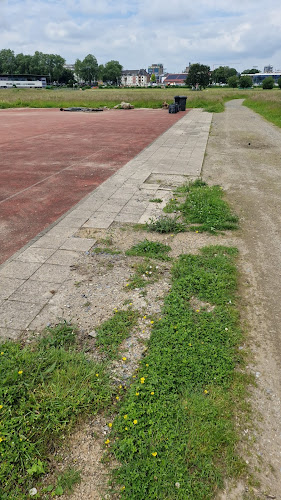
LaGa Neuss 2026
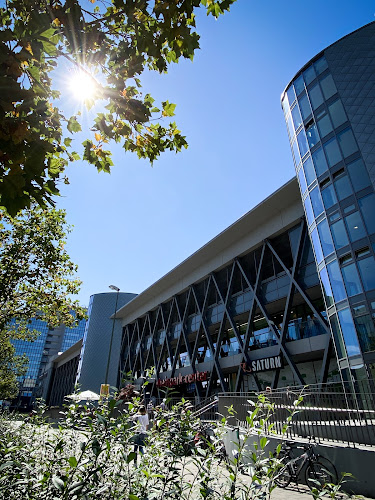
Rheinpark-Center Neuss
Find Accommodations Nearby
Recommended Tours & Activities
Visitor Reviews
There are no reviews yet. Be the first one to write one.
Share Your Experience
Have you visited Basilica of St. Quirinus.? Help other travelers by leaving a review.