
Mildred Westervelt Warner Transportation Museum (part of UA Museums)
About Mildred Westervelt Warner Transportation Museum (part of UA Museums)
Description
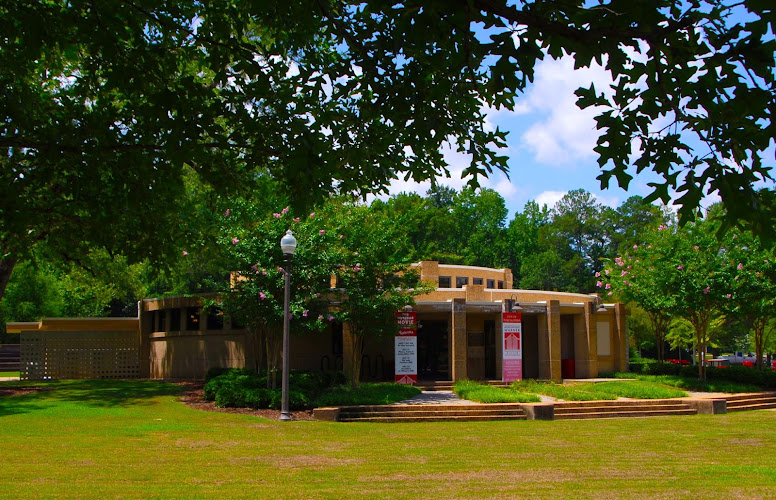
The Mildred Westervelt Warner Transportation Museum is one of those places that quietly surprises you. Tucked inside the historic Queen City Pool House, this museum tells the story of how transportation shaped Tuscaloosa and the people who’ve called it home. From riverboats gliding along the Black Warrior River to the rise of railroads and the automobile age, the exhibits give you a sense of how movement—of goods, of people, of ideas—built the city’s identity. It’s not a massive museum, but that’s part of its charm. You can take your time without feeling rushed, and you’ll walk away with a richer appreciation for the region’s past.
What makes it stand out, in my opinion, is the building itself. Designed in 1943 by Don Buel Schuyler, who was once an apprentice of Frank Lloyd Wright, the structure has this art deco style that feels both historic and stylish. The museum is free to enter, which is rare these days, and it feels like the kind of place you’d stumble upon and later tell your friends, “Hey, I found this little gem.” Families, history buffs, and even casual travelers looking to escape the heat for an hour or two will find it worthwhile.
Of course, not every visitor will be blown away—it’s not a sprawling Smithsonian-style museum—but most people walk away pleasantly surprised. The exhibits are thoughtful, the staff is welcoming, and the setting by the river adds an extra layer of atmosphere. It’s the kind of stop that rounds out a day in Tuscaloosa with a dose of local history you won’t get anywhere else.
Key Features
- Free admission, making it an easy stop without worrying about cost
- Housed in a historic 1943 art deco building designed by a Frank Lloyd Wright apprentice
- Exhibits covering riverboats, railroads, and automobiles that shaped Tuscaloosa
- Wheelchair accessible entrance and restrooms available
- Family-friendly atmosphere, good for kids and groups
- Set along the Black Warrior River with a scenic backdrop
- Part of the University of Alabama Museums system, ensuring quality curation
Best Time to Visit
If you’re planning a trip, mornings tend to be the best time to visit. The museum is usually quieter then, giving you space to wander at your own pace. Summer afternoons can be warm in Tuscaloosa, so stepping into the cool, shaded museum is a welcome break. Personally, I think fall is the sweet spot. The weather is more forgiving, the riverfront nearby looks especially pretty with the changing light, and you’ll often find fewer crowds. Just remember to call ahead to check open hours, since schedules can shift.
If you’re already in town for a University of Alabama game or event, this museum makes a great side trip. It’s small enough that you can explore it in under an hour, yet engaging enough that you’ll feel like you’ve learned something new about the city’s roots.
How to Get There
Reaching the museum is straightforward if you’re already in Tuscaloosa. It sits along the Black Warrior River, not far from the heart of downtown. If you’re driving, there’s nearby parking, and the roads are easy to navigate. For those staying in central Tuscaloosa, it’s just a short trip by car or rideshare. Public transportation options are limited, so driving or catching a ride is the most practical choice.
I’ve visited with friends who were new to the city, and we found it to be a convenient stop on the way to other attractions. It doesn’t require a whole day’s planning—just a bit of curiosity and a free hour in your schedule.
Tips for Visiting
Here are a few things I’ve learned from my own visits and from chatting with others who’ve gone:
- Check hours before you go: The museum’s schedule can vary, so a quick call saves you the trouble of showing up when it’s closed.
- Pair it with other stops: Since it’s not a long visit, combine it with a walk along the riverfront or a meal downtown.
- Bring kids: The exhibits are simple enough for younger visitors to enjoy, and the staff is friendly with families.
- Look up at the architecture: Don’t just focus on the exhibits—take a moment to admire the building itself, from the art deco lines to the historic details.
- Stay curious: Even if transportation history isn’t your main interest, you might be surprised by the stories of how boats and trains shaped Tuscaloosa’s growth.
And one last tip—don’t rush. It’s easy to treat small museums as quick checkboxes, but if you slow down, read the displays, and imagine what life was like when steamboats were the lifeblood of the city, you’ll walk away with a deeper connection to Tuscaloosa’s story. That’s what keeps me coming back.
Key Features
- Free admission, making it an easy stop without worrying about cost
- Housed in a historic 1943 art deco building designed by a Frank Lloyd Wright apprentice
- Exhibits covering riverboats, railroads, and automobiles that shaped Tuscaloosa
- Wheelchair accessible entrance and restrooms available
- Family-friendly atmosphere, good for kids and groups
- Set along the Black Warrior River with a scenic backdrop
- Part of the University of Alabama Museums system, ensuring quality curation
More Details
Updated September 8, 2025
Table of Contents
- Description
- Key Features
- Best Time to Visit
- How to Get There
- Tips for Visiting
- Key Highlights
- Location
- Places to Stay Near Mildred Westervelt Warner Transportation Museum (part of UA Museums)
- Find and Book a Tour
- Explore More Travel Guides
- Nearby Places You Might Like
- Traveler Reviews for Mildred Westervelt Warner Transportation Museum (part of UA Museums)
- Share Your Experience
Description
The Mildred Westervelt Warner Transportation Museum is one of those places that quietly surprises you. Tucked inside the historic Queen City Pool House, this museum tells the story of how transportation shaped Tuscaloosa and the people who’ve called it home. From riverboats gliding along the Black Warrior River to the rise of railroads and the automobile age, the exhibits give you a sense of how movement—of goods, of people, of ideas—built the city’s identity. It’s not a massive museum, but that’s part of its charm. You can take your time without feeling rushed, and you’ll walk away with a richer appreciation for the region’s past.
What makes it stand out, in my opinion, is the building itself. Designed in 1943 by Don Buel Schuyler, who was once an apprentice of Frank Lloyd Wright, the structure has this art deco style that feels both historic and stylish. The museum is free to enter, which is rare these days, and it feels like the kind of place you’d stumble upon and later tell your friends, “Hey, I found this little gem.” Families, history buffs, and even casual travelers looking to escape the heat for an hour or two will find it worthwhile.
Of course, not every visitor will be blown away—it’s not a sprawling Smithsonian-style museum—but most people walk away pleasantly surprised. The exhibits are thoughtful, the staff is welcoming, and the setting by the river adds an extra layer of atmosphere. It’s the kind of stop that rounds out a day in Tuscaloosa with a dose of local history you won’t get anywhere else.
Key Features
- Free admission, making it an easy stop without worrying about cost
- Housed in a historic 1943 art deco building designed by a Frank Lloyd Wright apprentice
- Exhibits covering riverboats, railroads, and automobiles that shaped Tuscaloosa
- Wheelchair accessible entrance and restrooms available
- Family-friendly atmosphere, good for kids and groups
- Set along the Black Warrior River with a scenic backdrop
- Part of the University of Alabama Museums system, ensuring quality curation
Best Time to Visit
If you’re planning a trip, mornings tend to be the best time to visit. The museum is usually quieter then, giving you space to wander at your own pace. Summer afternoons can be warm in Tuscaloosa, so stepping into the cool, shaded museum is a welcome break. Personally, I think fall is the sweet spot. The weather is more forgiving, the riverfront nearby looks especially pretty with the changing light, and you’ll often find fewer crowds. Just remember to call ahead to check open hours, since schedules can shift.
If you’re already in town for a University of Alabama game or event, this museum makes a great side trip. It’s small enough that you can explore it in under an hour, yet engaging enough that you’ll feel like you’ve learned something new about the city’s roots.
How to Get There
Reaching the museum is straightforward if you’re already in Tuscaloosa. It sits along the Black Warrior River, not far from the heart of downtown. If you’re driving, there’s nearby parking, and the roads are easy to navigate. For those staying in central Tuscaloosa, it’s just a short trip by car or rideshare. Public transportation options are limited, so driving or catching a ride is the most practical choice.
I’ve visited with friends who were new to the city, and we found it to be a convenient stop on the way to other attractions. It doesn’t require a whole day’s planning—just a bit of curiosity and a free hour in your schedule.
Tips for Visiting
Here are a few things I’ve learned from my own visits and from chatting with others who’ve gone:
- Check hours before you go: The museum’s schedule can vary, so a quick call saves you the trouble of showing up when it’s closed.
- Pair it with other stops: Since it’s not a long visit, combine it with a walk along the riverfront or a meal downtown.
- Bring kids: The exhibits are simple enough for younger visitors to enjoy, and the staff is friendly with families.
- Look up at the architecture: Don’t just focus on the exhibits—take a moment to admire the building itself, from the art deco lines to the historic details.
- Stay curious: Even if transportation history isn’t your main interest, you might be surprised by the stories of how boats and trains shaped Tuscaloosa’s growth.
And one last tip—don’t rush. It’s easy to treat small museums as quick checkboxes, but if you slow down, read the displays, and imagine what life was like when steamboats were the lifeblood of the city, you’ll walk away with a deeper connection to Tuscaloosa’s story. That’s what keeps me coming back.
Key Highlights
- Free admission, making it an easy stop without worrying about cost
- Housed in a historic 1943 art deco building designed by a Frank Lloyd Wright apprentice
- Exhibits covering riverboats, railroads, and automobiles that shaped Tuscaloosa
- Wheelchair accessible entrance and restrooms available
- Family-friendly atmosphere, good for kids and groups
- Set along the Black Warrior River with a scenic backdrop
- Part of the University of Alabama Museums system, ensuring quality curation
Location
Places to Stay Near Mildred Westervelt Warner Transportation Museum (part of UA Museums)
Find and Book a Tour
Explore More Travel Guides
No reviews found! Be the first to review!
Traveler Reviews for Mildred Westervelt Warner Transportation Museum (part of UA Museums)
There are no reviews yet. Be the first one to write one.
Have you visited Mildred Westervelt Warner Transportation Museum (part of UA Museums)? Help other travelers by sharing your review.
You Might Also Like
Kentuck Art Center & Festival
Will May Dog Park
Battle-Friedman House & Gardens
Find Accommodations Nearby
Recommended Tours & Activities
Visitor Reviews
There are no reviews yet. Be the first one to write one.
Share Your Experience
Have you visited Mildred Westervelt Warner Transportation Museum (part of UA Museums)? Help other travelers by leaving a review.