

Alabama Museum of Natural History
About Alabama Museum of Natural History
Description
The Alabama Museum of Natural History is one of those places that feels like stepping into a time machine, except instead of flashing lights and beeping buttons, you’re surrounded by fossils, minerals, and stories that stretch back hundreds of millions of years. Housed inside Smith Hall at the University of Alabama, it’s not just the oldest museum in the state—it’s also one of the most fascinating. The building itself has that classic, old-world academic charm, almost like you’ve wandered into a scene from an old movie about professors and explorers.
Inside, the exhibits cover everything from ancient marine reptiles that swam through Alabama’s waters long before humans ever showed up, to archaeological finds that tell us about the people who lived here thousands of years ago. And it’s not just glass cases with labels. The museum makes an effort to tell a story, pulling you into Alabama’s natural past in a way that feels surprisingly personal. Sure, some folks might find it a bit old-fashioned compared to the flashy, tech-heavy museums in bigger cities, but that’s honestly part of its charm. You walk away with the sense that you’ve learned something real, not just been entertained.
Families often flock here because it’s easy to navigate, educational without being overwhelming, and kids get wide-eyed at the giant skeletons towering overhead. But it’s not just for kids. Adults who geek out over geology, paleontology, or even just Alabama’s unique history will find plenty to linger over. The vibe is welcoming too—wheelchair accessible, family-friendly, LGBTQ+ friendly, and even offering active military discounts. It’s the kind of place that feels like it belongs to everyone.
Key Features
- Exhibits spanning paleontology, archaeology, geology, and natural sciences
- Located in historic Smith Hall, the oldest museum in Alabama
- Wheelchair accessible entrance, parking, and restrooms
- Family-friendly environment with engaging displays for kids
- Onsite gift shop with educational and quirky souvenirs
- Guided tours available for deeper insight into collections
- Gender-neutral restrooms and inclusive facilities
- Discounts for active military visitors
- Onsite theater for educational programs and special events
- Free Wi-Fi throughout the building
Best Time to Visit
The museum is open Monday through Saturday, usually from late morning until late afternoon, and it’s closed on Sundays and university holidays. If you’re planning a trip, weekdays tend to be quieter, especially in the mornings when school groups haven’t rolled in yet. Saturdays can get a little busier, but they also have a lively energy with families exploring together.
Personally, I think fall is the sweet spot—Tuscaloosa is buzzing with football season, the weather is cooler, and the campus feels alive. But if you’re not a fan of crowds, summer weekdays are also a good bet. Just keep in mind that the museum sometimes closes for specific holidays, so double-check before you go.
How to Get There
Getting to the Alabama Museum of Natural History is pretty straightforward if you’re already in Tuscaloosa. It sits right on the University of Alabama campus, so you’ll be surrounded by impressive historic buildings and plenty of student energy. If you’re driving, there’s accessible parking nearby, though you may have to navigate campus traffic depending on the time of year (game days can be a whole different story).
For those coming from Birmingham, it’s about an hour’s drive west on I-20/59. If you’re not driving, you can grab a regional bus or even a rideshare once you’re in town. The museum is central enough that it’s easy to pair with other Tuscaloosa attractions, like the Riverwalk or a stroll through the university’s leafy quad.
Tips for Visiting
A few things I’ve learned from my own visits: wear comfortable shoes. The museum isn’t massive, but you’ll want to take your time exploring, and standing in front of a giant mosasaur skeleton is way better if your feet aren’t aching.
If you’re bringing kids, budget at least an hour and a half—they’ll want to linger in front of the big displays, and the staff are usually happy to answer curious questions. And yes, the gift shop is worth a stop. It’s not just the usual magnets and mugs; you can find quirky science-themed items that make great souvenirs.
For adults, consider joining a guided tour. It adds a whole new layer of context, especially if you’re into the nitty-gritty details of Alabama’s prehistoric past. Also, don’t forget to check if there’s a special program or theater presentation happening during your visit—it’s a nice bonus that can make the trip even more memorable.
Lastly, keep in mind that the museum is part of a university campus, so parking and traffic can be tricky during events. Arrive a little early, give yourself time to wander the campus, and you’ll have a smoother experience. And honestly, just let yourself slow down here. It’s not the kind of museum you rush through—it’s one you soak in, piece by piece, until you leave with a bigger picture of Alabama’s natural story.
Key Features
- Exhibits spanning paleontology, archaeology, geology, and natural sciences
- Located in historic Smith Hall, the oldest museum in Alabama
- Wheelchair accessible entrance, parking, and restrooms
- Family-friendly environment with engaging displays for kids
- Onsite gift shop with educational and quirky souvenirs
- Guided tours available for deeper insight into collections
- Gender-neutral restrooms and inclusive facilities
- Discounts for active military visitors
More Details
Updated September 8, 2025
Table of Contents
Description
The Alabama Museum of Natural History is one of those places that feels like stepping into a time machine, except instead of flashing lights and beeping buttons, you’re surrounded by fossils, minerals, and stories that stretch back hundreds of millions of years. Housed inside Smith Hall at the University of Alabama, it’s not just the oldest museum in the state—it’s also one of the most fascinating. The building itself has that classic, old-world academic charm, almost like you’ve wandered into a scene from an old movie about professors and explorers.
Inside, the exhibits cover everything from ancient marine reptiles that swam through Alabama’s waters long before humans ever showed up, to archaeological finds that tell us about the people who lived here thousands of years ago. And it’s not just glass cases with labels. The museum makes an effort to tell a story, pulling you into Alabama’s natural past in a way that feels surprisingly personal. Sure, some folks might find it a bit old-fashioned compared to the flashy, tech-heavy museums in bigger cities, but that’s honestly part of its charm. You walk away with the sense that you’ve learned something real, not just been entertained.
Families often flock here because it’s easy to navigate, educational without being overwhelming, and kids get wide-eyed at the giant skeletons towering overhead. But it’s not just for kids. Adults who geek out over geology, paleontology, or even just Alabama’s unique history will find plenty to linger over. The vibe is welcoming too—wheelchair accessible, family-friendly, LGBTQ+ friendly, and even offering active military discounts. It’s the kind of place that feels like it belongs to everyone.
Key Features
- Exhibits spanning paleontology, archaeology, geology, and natural sciences
- Located in historic Smith Hall, the oldest museum in Alabama
- Wheelchair accessible entrance, parking, and restrooms
- Family-friendly environment with engaging displays for kids
- Onsite gift shop with educational and quirky souvenirs
- Guided tours available for deeper insight into collections
- Gender-neutral restrooms and inclusive facilities
- Discounts for active military visitors
- Onsite theater for educational programs and special events
- Free Wi-Fi throughout the building
Best Time to Visit
The museum is open Monday through Saturday, usually from late morning until late afternoon, and it’s closed on Sundays and university holidays. If you’re planning a trip, weekdays tend to be quieter, especially in the mornings when school groups haven’t rolled in yet. Saturdays can get a little busier, but they also have a lively energy with families exploring together.
Personally, I think fall is the sweet spot—Tuscaloosa is buzzing with football season, the weather is cooler, and the campus feels alive. But if you’re not a fan of crowds, summer weekdays are also a good bet. Just keep in mind that the museum sometimes closes for specific holidays, so double-check before you go.
How to Get There
Getting to the Alabama Museum of Natural History is pretty straightforward if you’re already in Tuscaloosa. It sits right on the University of Alabama campus, so you’ll be surrounded by impressive historic buildings and plenty of student energy. If you’re driving, there’s accessible parking nearby, though you may have to navigate campus traffic depending on the time of year (game days can be a whole different story).
For those coming from Birmingham, it’s about an hour’s drive west on I-20/59. If you’re not driving, you can grab a regional bus or even a rideshare once you’re in town. The museum is central enough that it’s easy to pair with other Tuscaloosa attractions, like the Riverwalk or a stroll through the university’s leafy quad.
Tips for Visiting
A few things I’ve learned from my own visits: wear comfortable shoes. The museum isn’t massive, but you’ll want to take your time exploring, and standing in front of a giant mosasaur skeleton is way better if your feet aren’t aching.
If you’re bringing kids, budget at least an hour and a half—they’ll want to linger in front of the big displays, and the staff are usually happy to answer curious questions. And yes, the gift shop is worth a stop. It’s not just the usual magnets and mugs; you can find quirky science-themed items that make great souvenirs.
For adults, consider joining a guided tour. It adds a whole new layer of context, especially if you’re into the nitty-gritty details of Alabama’s prehistoric past. Also, don’t forget to check if there’s a special program or theater presentation happening during your visit—it’s a nice bonus that can make the trip even more memorable.
Lastly, keep in mind that the museum is part of a university campus, so parking and traffic can be tricky during events. Arrive a little early, give yourself time to wander the campus, and you’ll have a smoother experience. And honestly, just let yourself slow down here. It’s not the kind of museum you rush through—it’s one you soak in, piece by piece, until you leave with a bigger picture of Alabama’s natural story.
Key Highlights
- Exhibits spanning paleontology, archaeology, geology, and natural sciences
- Located in historic Smith Hall, the oldest museum in Alabama
- Wheelchair accessible entrance, parking, and restrooms
- Family-friendly environment with engaging displays for kids
- Onsite gift shop with educational and quirky souvenirs
- Guided tours available for deeper insight into collections
- Gender-neutral restrooms and inclusive facilities
- Discounts for active military visitors
Location
Places to Stay Near Alabama Museum of Natural History
Find and Book a Tour
Explore More Travel Guides
No reviews found! Be the first to review!
Traveler Reviews for Alabama Museum of Natural History
There are no reviews yet. Be the first one to write one.
Have you visited Alabama Museum of Natural History? Help other travelers by sharing your review.
You Might Also Like
Escape Tuscaloosa

Park at Manderson Landing
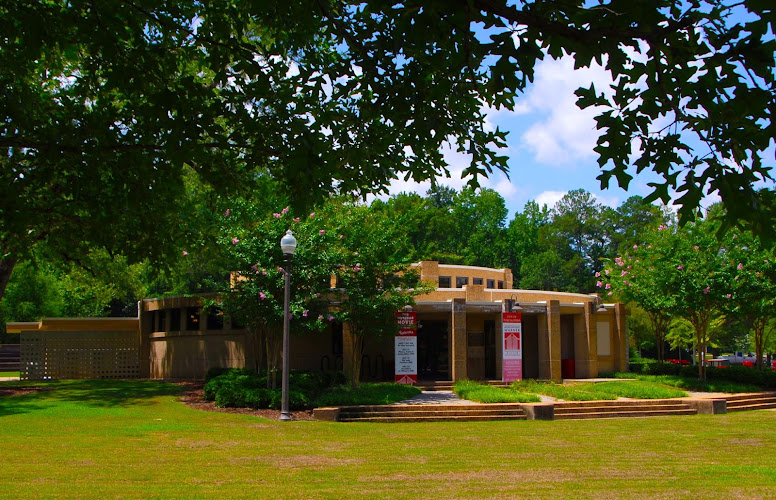
Mildred Westervelt Warner Transportation Museum (part of UA Museums)
Find Accommodations Nearby
Recommended Tours & Activities
Visitor Reviews
There are no reviews yet. Be the first one to write one.
Share Your Experience
Have you visited Alabama Museum of Natural History? Help other travelers by leaving a review.