
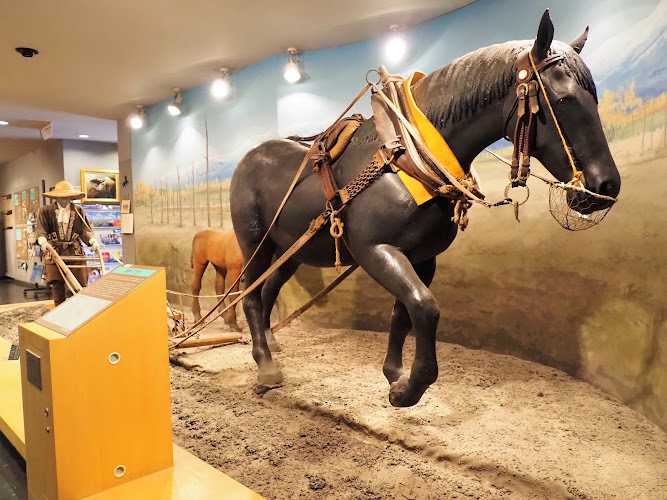
Horse Museum
About Horse Museum
Description
The Horse Museum is one of those places that quietly surprises you. At first glance, you might expect a small, niche museum only interesting to horse enthusiasts, but it manages to pull in a wider audience by weaving together history, sport, and culture in a way that feels both personal and universal. It’s not a giant, flashy institution, but that’s part of its charm—it feels approachable, almost like a story being told by a friend who really knows their horses.
Inside, you’ll find a thoughtful collection that covers the evolution of horse racing, local equestrian traditions, and the role horses have played in shaping communities. Some exhibits are polished and modern, while others have a slightly old-school vibe, which honestly adds to the authenticity. You can sense the passion behind the curation, even if not every display is perfect. For families, it’s a surprisingly good spot—kids often light up at the sight of the racing memorabilia and interactive displays. And for adults, there’s enough depth in the historical narratives to keep you engaged longer than you might expect.
Accessibility is handled well here. There’s wheelchair-friendly parking and restrooms, which makes the visit smoother for those who need it. The museum doesn’t have an on-site restaurant, so you’ll want to plan a meal elsewhere, but restrooms are available and well-kept. Overall, it’s a place that balances learning with a bit of fun, and while it may not be perfect, the warmth and effort behind it shine through.
Key Features
- Exhibits showcasing the history of horse racing and local equestrian culture
- Interactive displays that engage children and families
- Authentic memorabilia from different eras of horse racing
- Wheelchair accessible parking and restrooms for inclusive access
- Kid-friendly environment with educational and entertaining elements
- Restrooms available on-site (though no restaurant facilities)
Best Time to Visit
If you ask me, the best time to visit is during the spring or early autumn. Not only is the weather more pleasant for exploring the surrounding area, but these seasons seem to carry a certain energy that makes the museum experience feel richer. In summer, it can get busier with tourists, and if you’re like me and prefer a quieter wander through exhibits, you might find the shoulder seasons more enjoyable. Winter visits are possible too, but the atmosphere outside can feel a bit flat, and part of the charm is pairing the museum with a stroll or nearby activity.
Weekdays are generally calmer than weekends. If you’re traveling with kids, mornings tend to be the sweet spot—they’re fresher, less crowded, and you can take your time without feeling rushed.
How to Get There
Reaching the Horse Museum is straightforward whether you’re driving or relying on public transport. For drivers, there’s accessible parking available, which is a big relief if you’ve ever tried to juggle kids, bags, or mobility needs. Public transportation options usually drop you within a reasonable walking distance, though I’d suggest checking schedules ahead of time if you’re not familiar with the area.
Personally, I enjoy arriving by car because it gives me the freedom to explore nearby sights afterward. But if you’re traveling light and enjoy the rhythm of local buses or trains, that can add its own flavor to the trip. Either way, the journey isn’t complicated, so you can focus on the visit itself rather than stressing about logistics.
Tips for Visiting
First tip—don’t rush. Even though it’s not the largest museum you’ll ever step into, giving yourself at least a couple of hours allows you to absorb the details without skimming past them. Some of the smaller exhibits reveal their charm only if you slow down.
Second, bring snacks or plan a meal outside. Since there’s no restaurant on-site, you’ll thank yourself for having a plan, especially if you’re with kids. I once made the mistake of arriving hungry and ended up cutting my visit short, which I regretted.
Third, if you’re visiting with children, encourage them to ask questions. The staff are often happy to share little nuggets of information that aren’t written on the plaques, and those moments can make the visit much more memorable.
Lastly, wear comfortable shoes. You won’t be walking miles, but you’ll be on your feet enough that it makes a difference. And don’t forget to check out the accessible features if you need them—they’re well thought out and make the experience smoother.
In the end, the Horse Museum isn’t just about horses—it’s about stories, heritage, and the human connection to these incredible animals. Go in with curiosity, and you’ll leave with more than just facts; you’ll leave with a sense of how deeply horses have shaped the world around us.
Key Features
- Exhibits showcasing the history of horse racing and local equestrian culture
- Interactive displays that engage children and families
- Authentic memorabilia from different eras of horse racing
- Wheelchair accessible parking and restrooms for inclusive access
- Kid-friendly environment with educational and entertaining elements
- Restrooms available on-site (though no restaurant facilities)
More Details
Updated September 8, 2025
Table of Contents
Description
The Horse Museum is one of those places that quietly surprises you. At first glance, you might expect a small, niche museum only interesting to horse enthusiasts, but it manages to pull in a wider audience by weaving together history, sport, and culture in a way that feels both personal and universal. It’s not a giant, flashy institution, but that’s part of its charm—it feels approachable, almost like a story being told by a friend who really knows their horses.
Inside, you’ll find a thoughtful collection that covers the evolution of horse racing, local equestrian traditions, and the role horses have played in shaping communities. Some exhibits are polished and modern, while others have a slightly old-school vibe, which honestly adds to the authenticity. You can sense the passion behind the curation, even if not every display is perfect. For families, it’s a surprisingly good spot—kids often light up at the sight of the racing memorabilia and interactive displays. And for adults, there’s enough depth in the historical narratives to keep you engaged longer than you might expect.
Accessibility is handled well here. There’s wheelchair-friendly parking and restrooms, which makes the visit smoother for those who need it. The museum doesn’t have an on-site restaurant, so you’ll want to plan a meal elsewhere, but restrooms are available and well-kept. Overall, it’s a place that balances learning with a bit of fun, and while it may not be perfect, the warmth and effort behind it shine through.
Key Features
- Exhibits showcasing the history of horse racing and local equestrian culture
- Interactive displays that engage children and families
- Authentic memorabilia from different eras of horse racing
- Wheelchair accessible parking and restrooms for inclusive access
- Kid-friendly environment with educational and entertaining elements
- Restrooms available on-site (though no restaurant facilities)
Best Time to Visit
If you ask me, the best time to visit is during the spring or early autumn. Not only is the weather more pleasant for exploring the surrounding area, but these seasons seem to carry a certain energy that makes the museum experience feel richer. In summer, it can get busier with tourists, and if you’re like me and prefer a quieter wander through exhibits, you might find the shoulder seasons more enjoyable. Winter visits are possible too, but the atmosphere outside can feel a bit flat, and part of the charm is pairing the museum with a stroll or nearby activity.
Weekdays are generally calmer than weekends. If you’re traveling with kids, mornings tend to be the sweet spot—they’re fresher, less crowded, and you can take your time without feeling rushed.
How to Get There
Reaching the Horse Museum is straightforward whether you’re driving or relying on public transport. For drivers, there’s accessible parking available, which is a big relief if you’ve ever tried to juggle kids, bags, or mobility needs. Public transportation options usually drop you within a reasonable walking distance, though I’d suggest checking schedules ahead of time if you’re not familiar with the area.
Personally, I enjoy arriving by car because it gives me the freedom to explore nearby sights afterward. But if you’re traveling light and enjoy the rhythm of local buses or trains, that can add its own flavor to the trip. Either way, the journey isn’t complicated, so you can focus on the visit itself rather than stressing about logistics.
Tips for Visiting
First tip—don’t rush. Even though it’s not the largest museum you’ll ever step into, giving yourself at least a couple of hours allows you to absorb the details without skimming past them. Some of the smaller exhibits reveal their charm only if you slow down.
Second, bring snacks or plan a meal outside. Since there’s no restaurant on-site, you’ll thank yourself for having a plan, especially if you’re with kids. I once made the mistake of arriving hungry and ended up cutting my visit short, which I regretted.
Third, if you’re visiting with children, encourage them to ask questions. The staff are often happy to share little nuggets of information that aren’t written on the plaques, and those moments can make the visit much more memorable.
Lastly, wear comfortable shoes. You won’t be walking miles, but you’ll be on your feet enough that it makes a difference. And don’t forget to check out the accessible features if you need them—they’re well thought out and make the experience smoother.
In the end, the Horse Museum isn’t just about horses—it’s about stories, heritage, and the human connection to these incredible animals. Go in with curiosity, and you’ll leave with more than just facts; you’ll leave with a sense of how deeply horses have shaped the world around us.
Key Highlights
- Exhibits showcasing the history of horse racing and local equestrian culture
- Interactive displays that engage children and families
- Authentic memorabilia from different eras of horse racing
- Wheelchair accessible parking and restrooms for inclusive access
- Kid-friendly environment with educational and entertaining elements
- Restrooms available on-site (though no restaurant facilities)
Location
Places to Stay Near Horse Museum
Find and Book a Tour
Explore More Travel Guides
No reviews found! Be the first to review!
Traveler Reviews for Horse Museum
There are no reviews yet. Be the first one to write one.
Have you visited Horse Museum? Help other travelers by sharing your review.
You Might Also Like
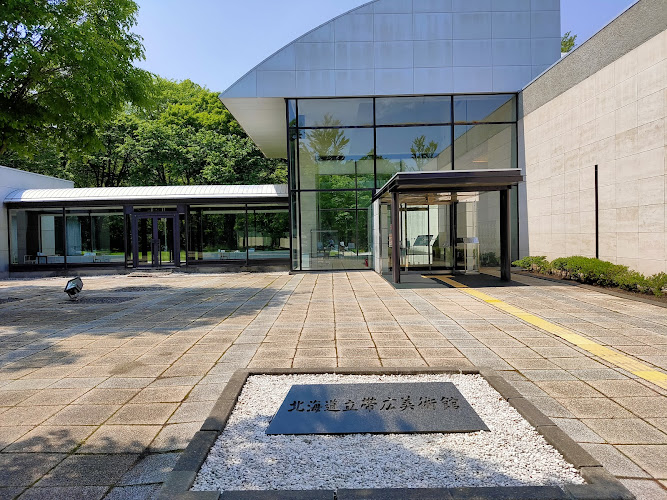
Hokkaidoritsu Obihiro Art Museum
Kofuku eki
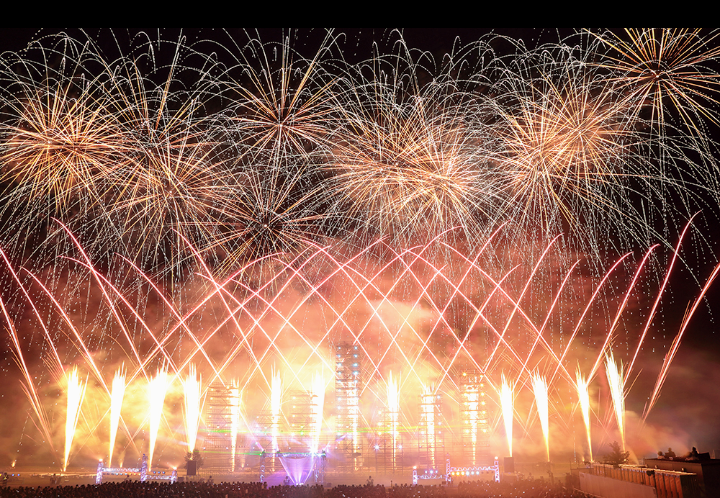
Tokachigawa Park
Find Accommodations Nearby
Recommended Tours & Activities
Visitor Reviews
There are no reviews yet. Be the first one to write one.
Share Your Experience
Have you visited Horse Museum? Help other travelers by leaving a review.