
Canadian Tank Museum / Ontario Regiment Museum
About Canadian Tank Museum / Ontario Regiment Museum
Description
The Canadian Tank Museum / Ontario Regiment Museum presents a focused, hands-on chronicle of armored warfare and Canada's military heritage. It documents the story of Canada's oldest continuing militia through carefully curated exhibits and more than 80 military vehicles, including tanks, armored personnel carriers, and historic support vehicles. The collection spans decades of technological change and service, offering visitors a tangible sense of how armored units evolved from early 20th-century designs to modern machinery.
Visitors encounter more than static displays. The museum relies heavily on volunteers who restore, maintain and sometimes operate the vehicles during special events. That volunteer spirit gives the place a lived-in, energetic feel. Exhibits combine artifacts, interpretive panels, photographs and oral histories to weave personal stories into technical explanations. And yes, many of the vehicles are restored to running condition—so when a demonstration day is on the calendar, the rumble of engines is part of the experience.
Accessibility has been thoughtfully addressed: there are wheelchair-accessible entrances and restrooms, accessible parking, and wheelchair rental available on site. The museum also offers guided tours and live performances at scheduled times, which bring certain stories to life, especially for families and school groups. Practical basics are covered too: Wi‑Fi, restrooms (including gender-neutral options), and a gift shop where visitors can pick up books, scale models, and memorabilia. While there is an admission fee, children receive discounts and family-friendly pricing makes it manageable for a day out.
The atmosphere here is different than a polished, corporate museum. It feels like a community project—hands-on, slightly rough around the edges, but honest. The exhibitions favor storytelling and the human side of military history: training, daily life, and the men and women who served in the Ontario Regiment. For people with an interest in mechanical engineering, history, or living history, this museum delivers a satisfying blend of education and sensory experience.
Key Features
- Extensive vehicle collection: over 80 military vehicles including tanks and armored transports
- Focus on the Ontario Regiment, Canada’s oldest continuing militia, with personal artifacts and unit histories
- Volunteer-run restoration and maintenance program that keeps many vehicles operational
- Live performances and vehicle demonstrations on select days—engaging for families and enthusiasts
- Guided tours available that deepen context and share behind-the-scenes stories
- Wheelchair accessible entrance, parking, restrooms and wheelchair rental for visitors with mobility needs
- Onsite gift shop with books, models, and unique memorabilia
- Free parking and free street parking available, making access by car straightforward
- Wi‑Fi available onsite and family-friendly facilities including gender-neutral restrooms
- Volunteer and community-focused atmosphere that supports hands-on learning and oral histories
Best Time to Visit
Timing can shape the experience dramatically. Weekday mornings tend to be quieter and are ideal for visitors who like to take their time. If someone prefers a contemplative visit—reading every plaque and photographing details without bustle—then midweek is best. Conversely, weekends and summer months bring special programming: vehicle parades, live performances, and restoration demonstrations. Those days are lively and noisy in a good way; they’re perfect for families and anyone who wants the sensory thrill of engines starting up and historical interpreters in period kit.
Spring and early fall offer pleasant weather for wandering outdoor displays and viewing demonstrations without the heat of late summer. However, many of the museum’s highlights are indoors or undercover, so it’s a year-round attraction for people willing to brave wind and rain. For travelers planning a trip from farther away, it’s wise to check the museum’s event calendar and book tickets in advance for demonstration days—the availability of live programming can make the visit significantly more memorable.
How to Get There
The museum is easily reached by car, which is the most flexible option for visitors who want to bring children, travel with equipment, or plan a day of multiple stops. Free parking is available on site, and the surrounding streets also offer free parking at times, so drivers rarely wrestle with parking logistics. For those using public transit, local bus routes service the broader area, and taxis or rideshare services provide reliable last-mile connections if walking from nearby stops is inconvenient.
For road-trip minded visitors, the museum sits within comfortable driving distance from several larger urban centers, making it a practical stop on a regional itinerary. Highways and arterial roads connect to the site, and signage near the museum is usually clear. Visitors driving vintage vehicles or trucks for restoration events should plan arrival times to accommodate unloading and staging—some special events require arriving earlier than the general opening time.
Tips for Visiting
Plan to spend at least two hours, though many people stay longer—sometimes much longer if a demonstration or live performance is scheduled. The museum is compact but dense with objects and stories, so pacing matters. Here are practical tips culled from experience and visitor feedback:
- Buy tickets in advance when possible. Popular event days and demonstration weekends can sell out or have limited capacity, and advance tickets reduce waiting time at the gate.
- Arrive early on demonstration days. If a vehicle parade or live performance is part of the schedule, the best vantage points fill quickly.
- Wear comfortable shoes. The site requires walking between displays and standing during many demonstrations. Weather-appropriate clothing matters for outdoor portions.
- Bring a camera. Photographers will find plenty of compelling details—engine bays, tracks, historical markings. Note that some demonstrations may restrict close access for safety reasons.
- Expect minimal food options on site. There’s no full-service restaurant, so pack snacks or plan to eat before/after the visit. However, volunteers sometimes run food trucks or bake sales during special events—so keep a little cash handy.
- Take advantage of guided tours. Guides provide anecdotes, technical explanations, and behind-the-scenes context that transform a passive visit into an enlightening experience.
- Respect the vehicles. Many are irreplaceable or under restoration; touching may be restricted. Staff and volunteers will indicate what’s permitted.
- If mobility assistance is needed, take note of accessibility offerings. Wheelchair rental and accessible restrooms are available, but it helps to call ahead for specific accommodations during busy events.
- Children are welcome and there are discounts for kids, but keep an eye on younger ones near vehicles—some areas are not fenced and safety demands attention.
- Support the volunteers. Donations, small purchases in the gift shop, or even a kind word for a volunteer guide help sustain the museum’s restoration work and programming.
- Check the schedule for live performances or special commemorations. These sometimes coincide with historical anniversaries, and they add a powerful human element to the machinery on display.
- Combine the visit with other regional stops. The museum makes a strong half- or full-day outing when paired with nearby historical sites, parks, or cultural attractions.
In short, this museum rewards curiosity. That sentence sounds cliché, but it’s true—the more a visitor asks, listens, and reads, the more layers of meaning appear. The collection is not just about metal and mechanics; it’s also an archive of community memory and service. The author remembers standing by a restored vehicle and hearing a volunteer recount a soldier’s family letters; that small human moment made an engine and a turret suddenly very small compared to the story they represented. It’s those little discoveries that keep people coming back.
Finally, expect the unexpected. Volunteer-run museums have charm and a few eccentricities: special events may be announced on short notice, restorations may cause some displays to rotate out, and a friendly volunteer might offer an impromptu guided tour that lasts far longer than planned. Many visitors find that these unpolished, human elements are what make the site memorable—the machines tell one story, and the people who care for them tell another.
For travelers interested in military history, mechanical heritage, or community-driven museums, the Canadian Tank Museum / Ontario Regiment Museum stands out as a destination where engines, artifacts, and oral histories converge. It’s affordable, accessible, and alive with people who love the work they do. So whether the visit is a planned pilgrimage for a tank enthusiast or an impromptu stop on a regional road trip, this museum offers an authentic, hands-on perspective on a significant slice of Canada’s military past.
Key Features
- Extensive vehicle collection: over 80 military vehicles including tanks and armored transports
- Focus on the Ontario Regiment, Canada’s oldest continuing militia, with personal artifacts and unit histories
- Volunteer-run restoration and maintenance program that keeps many vehicles operational
- Live performances and vehicle demonstrations on select days—engaging for families and enthusiasts
- Guided tours available that deepen context and share behind-the-scenes stories
- Wheelchair accessible entrance, parking, restrooms and wheelchair rental for visitors with mobility needs
- Onsite gift shop with books, models, and unique memorabilia
- Free parking and free street parking available, making access by car straightforward
More Details
Updated August 30, 2025
Table of Contents
- Description
- Key Features
- Best Time to Visit
- How to Get There
- Tips for Visiting
- Key Highlights
- Location
- Places to Stay Near Canadian Tank Museum / Ontario Regiment Museum
- Find and Book a Tour
- Explore More Travel Guides
- Nearby Places You Might Like
- Traveler Reviews for Canadian Tank Museum / Ontario Regiment Museum
- Share Your Experience
Description
The Canadian Tank Museum / Ontario Regiment Museum presents a focused, hands-on chronicle of armored warfare and Canada’s military heritage. It documents the story of Canada’s oldest continuing militia through carefully curated exhibits and more than 80 military vehicles, including tanks, armored personnel carriers, and historic support vehicles. The collection spans decades of technological change and service, offering visitors a tangible sense of how armored units evolved from early 20th-century designs to modern machinery.
Visitors encounter more than static displays. The museum relies heavily on volunteers who restore, maintain and sometimes operate the vehicles during special events. That volunteer spirit gives the place a lived-in, energetic feel. Exhibits combine artifacts, interpretive panels, photographs and oral histories to weave personal stories into technical explanations. And yes, many of the vehicles are restored to running condition—so when a demonstration day is on the calendar, the rumble of engines is part of the experience.
Accessibility has been thoughtfully addressed: there are wheelchair-accessible entrances and restrooms, accessible parking, and wheelchair rental available on site. The museum also offers guided tours and live performances at scheduled times, which bring certain stories to life, especially for families and school groups. Practical basics are covered too: Wi‑Fi, restrooms (including gender-neutral options), and a gift shop where visitors can pick up books, scale models, and memorabilia. While there is an admission fee, children receive discounts and family-friendly pricing makes it manageable for a day out.
The atmosphere here is different than a polished, corporate museum. It feels like a community project—hands-on, slightly rough around the edges, but honest. The exhibitions favor storytelling and the human side of military history: training, daily life, and the men and women who served in the Ontario Regiment. For people with an interest in mechanical engineering, history, or living history, this museum delivers a satisfying blend of education and sensory experience.
Key Features
- Extensive vehicle collection: over 80 military vehicles including tanks and armored transports
- Focus on the Ontario Regiment, Canada’s oldest continuing militia, with personal artifacts and unit histories
- Volunteer-run restoration and maintenance program that keeps many vehicles operational
- Live performances and vehicle demonstrations on select days—engaging for families and enthusiasts
- Guided tours available that deepen context and share behind-the-scenes stories
- Wheelchair accessible entrance, parking, restrooms and wheelchair rental for visitors with mobility needs
- Onsite gift shop with books, models, and unique memorabilia
- Free parking and free street parking available, making access by car straightforward
- Wi‑Fi available onsite and family-friendly facilities including gender-neutral restrooms
- Volunteer and community-focused atmosphere that supports hands-on learning and oral histories
Best Time to Visit
Timing can shape the experience dramatically. Weekday mornings tend to be quieter and are ideal for visitors who like to take their time. If someone prefers a contemplative visit—reading every plaque and photographing details without bustle—then midweek is best. Conversely, weekends and summer months bring special programming: vehicle parades, live performances, and restoration demonstrations. Those days are lively and noisy in a good way; they’re perfect for families and anyone who wants the sensory thrill of engines starting up and historical interpreters in period kit.
Spring and early fall offer pleasant weather for wandering outdoor displays and viewing demonstrations without the heat of late summer. However, many of the museum’s highlights are indoors or undercover, so it’s a year-round attraction for people willing to brave wind and rain. For travelers planning a trip from farther away, it’s wise to check the museum’s event calendar and book tickets in advance for demonstration days—the availability of live programming can make the visit significantly more memorable.
How to Get There
The museum is easily reached by car, which is the most flexible option for visitors who want to bring children, travel with equipment, or plan a day of multiple stops. Free parking is available on site, and the surrounding streets also offer free parking at times, so drivers rarely wrestle with parking logistics. For those using public transit, local bus routes service the broader area, and taxis or rideshare services provide reliable last-mile connections if walking from nearby stops is inconvenient.
For road-trip minded visitors, the museum sits within comfortable driving distance from several larger urban centers, making it a practical stop on a regional itinerary. Highways and arterial roads connect to the site, and signage near the museum is usually clear. Visitors driving vintage vehicles or trucks for restoration events should plan arrival times to accommodate unloading and staging—some special events require arriving earlier than the general opening time.
Tips for Visiting
Plan to spend at least two hours, though many people stay longer—sometimes much longer if a demonstration or live performance is scheduled. The museum is compact but dense with objects and stories, so pacing matters. Here are practical tips culled from experience and visitor feedback:
- Buy tickets in advance when possible. Popular event days and demonstration weekends can sell out or have limited capacity, and advance tickets reduce waiting time at the gate.
- Arrive early on demonstration days. If a vehicle parade or live performance is part of the schedule, the best vantage points fill quickly.
- Wear comfortable shoes. The site requires walking between displays and standing during many demonstrations. Weather-appropriate clothing matters for outdoor portions.
- Bring a camera. Photographers will find plenty of compelling details—engine bays, tracks, historical markings. Note that some demonstrations may restrict close access for safety reasons.
- Expect minimal food options on site. There’s no full-service restaurant, so pack snacks or plan to eat before/after the visit. However, volunteers sometimes run food trucks or bake sales during special events—so keep a little cash handy.
- Take advantage of guided tours. Guides provide anecdotes, technical explanations, and behind-the-scenes context that transform a passive visit into an enlightening experience.
- Respect the vehicles. Many are irreplaceable or under restoration; touching may be restricted. Staff and volunteers will indicate what’s permitted.
- If mobility assistance is needed, take note of accessibility offerings. Wheelchair rental and accessible restrooms are available, but it helps to call ahead for specific accommodations during busy events.
- Children are welcome and there are discounts for kids, but keep an eye on younger ones near vehicles—some areas are not fenced and safety demands attention.
- Support the volunteers. Donations, small purchases in the gift shop, or even a kind word for a volunteer guide help sustain the museum’s restoration work and programming.
- Check the schedule for live performances or special commemorations. These sometimes coincide with historical anniversaries, and they add a powerful human element to the machinery on display.
- Combine the visit with other regional stops. The museum makes a strong half- or full-day outing when paired with nearby historical sites, parks, or cultural attractions.
In short, this museum rewards curiosity. That sentence sounds cliché, but it’s true—the more a visitor asks, listens, and reads, the more layers of meaning appear. The collection is not just about metal and mechanics; it’s also an archive of community memory and service. The author remembers standing by a restored vehicle and hearing a volunteer recount a soldier’s family letters; that small human moment made an engine and a turret suddenly very small compared to the story they represented. It’s those little discoveries that keep people coming back.
Finally, expect the unexpected. Volunteer-run museums have charm and a few eccentricities: special events may be announced on short notice, restorations may cause some displays to rotate out, and a friendly volunteer might offer an impromptu guided tour that lasts far longer than planned. Many visitors find that these unpolished, human elements are what make the site memorable—the machines tell one story, and the people who care for them tell another.
For travelers interested in military history, mechanical heritage, or community-driven museums, the Canadian Tank Museum / Ontario Regiment Museum stands out as a destination where engines, artifacts, and oral histories converge. It’s affordable, accessible, and alive with people who love the work they do. So whether the visit is a planned pilgrimage for a tank enthusiast or an impromptu stop on a regional road trip, this museum offers an authentic, hands-on perspective on a significant slice of Canada’s military past.
Key Highlights
- Extensive vehicle collection: over 80 military vehicles including tanks and armored transports
- Focus on the Ontario Regiment, Canada’s oldest continuing militia, with personal artifacts and unit histories
- Volunteer-run restoration and maintenance program that keeps many vehicles operational
- Live performances and vehicle demonstrations on select days—engaging for families and enthusiasts
- Guided tours available that deepen context and share behind-the-scenes stories
- Wheelchair accessible entrance, parking, restrooms and wheelchair rental for visitors with mobility needs
- Onsite gift shop with books, models, and unique memorabilia
- Free parking and free street parking available, making access by car straightforward
Location
Places to Stay Near Canadian Tank Museum / Ontario Regiment Museum
Find and Book a Tour
Explore More Travel Guides
No reviews found! Be the first to review!
Traveler Reviews for Canadian Tank Museum / Ontario Regiment Museum
There are no reviews yet. Be the first one to write one.
Have you visited Canadian Tank Museum / Ontario Regiment Museum? Help other travelers by sharing your review.
You Might Also Like
Lakeview Park Ave

Lakewoods Park Lookout
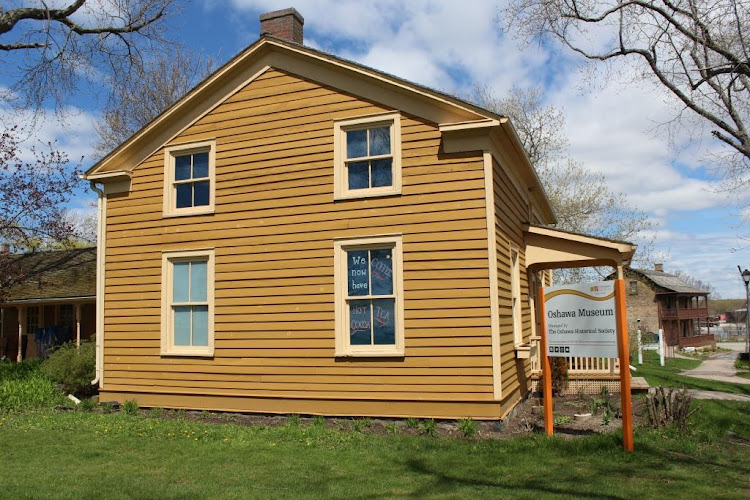
Oshawa Museum
Find Accommodations Nearby
Recommended Tours & Activities
Visitor Reviews
There are no reviews yet. Be the first one to write one.
Share Your Experience
Have you visited Canadian Tank Museum / Ontario Regiment Museum? Help other travelers by leaving a review.