
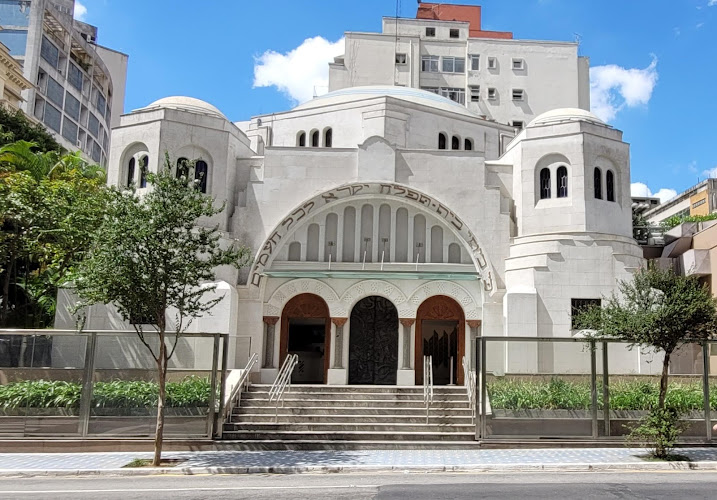
Museu Judaico de São Paulo
About Museu Judaico de São Paulo
Description
The Museu Judaico de São Paulo, often called MUJ, presents itself as a living archive of jewish culture in Brazil, a place where history, memory, art and everyday life intersect. The museum does not just display artifacts behind glass; it works to keep traditions breathing, to connect the past with present conversations, and to make space for new voices. Visitors will find exhibitions that range from historical documentation to contemporary artistic responses, and educational programs that encourage reflection rather than rote sightseeing. In short: this is a museum that talks, and more importantly, listens.
From its collection care to the temporary shows it stages, the museum emphasizes dialogue. Exhibitions often pair personal testimonies with larger historical themes, so a visitor might move from a case of century-old family photographs to a modern multimedia piece that reframes migration, identity, or community. The curatorial approach tends to favor narrative clarity and emotional honesty. And yes, the writing on the walls sometimes gets refreshingly candid — the labels don't hide the uncomfortable parts of history, but they also celebrate resilience, creativity and daily rituals that persist across generations.
Architecture and layout are deliberately accessible. The building is equipped with a wheelchair accessible entrance and restroom, which makes getting around less of a chore for people with limited mobility. There is also a gender-neutral restroom, a small but meaningful detail that signals inclusivity. The spaces inside are well-lit and generally easy to navigate; the circulation encourages visitors to pause at objects and testimonies rather than rush through. Small galleries create an intimate atmosphere where one can actually hear the audio stations and read the longer text panels without feeling rushed.
MUJ is aimed at many different publics, from scholars and community members to families and curious travelers. The museum markets itself as family-friendly and genuinely earns that label: signage and exhibit design have been adapted so that younger visitors can engage, and some displays are built to provoke questions from kids as well as adults. The museum is also good for kids in the practical sense — strollers and small groups can move comfortably through most rooms. Though there is no on-site restaurant, there are places to sit and reflect, and the staff usually point visitors toward nearby cafes when asked. Wi-Fi is available for those who need to check a reference, look up related materials, or post a thoughtful photo halfway through the tour.
One of MUJ's distinguishing features is how it situates jewish culture within the Brazilian context. Exhibits don’t isolate jewish history as if it were frozen; instead, they show interactions, cross-cultural exchanges, and shared civic experiences. This approach can be refreshing to travelers who have seen more insular or purely historical museums in other cities. The museum underscores connections between jewish memory and broader Brazilian narratives: migration patterns, labor histories, urban life and cultural production all get some attention. If a visitor wants to leave with a sense of how jewish identity has been lived, adapted, and expressed in São Paulo, this museum delivers.
Behind the panels and objects, MUJ runs a range of programs that can catch a visitor by surprise. The museum hosts film screenings, panel talks and workshops that bring artists, historians, teachers and community members into conversation. If one happens upon a screening or a live event, the experience shifts from passive observation to participatory engagement — the kind of thing that makes a trip memorable rather than merely informative. The museum also collects oral histories; hearing a recorded testimony while standing near a related object creates a layered, human connection to the past. The author will admit to being moved by a particular testimony about migration, and that memory stuck because it felt so specific and so ordinary at the same time.
In practical terms, planning matters. Pre-booking is recommended for certain exhibitions or events, particularly during weekends or school holiday periods when MUJ draws larger crowds. Paid parking is available nearby, which is convenient for travelers who rent a car, though public transit options are competitive and often faster in São Paulo traffic. Ticket desks are efficient, but advance tickets help avoid lines and ensure entry for popular programming. The museum’s staff are generally helpful and speak multiple languages; they tend to orient visitors to core exhibits and highlight special objects that are easy to miss.
There are small, lesser-known gems inside that tend not to be mentioned in short reviews. For example, MUJ often displays ephemeral materials — posters from community theaters, neighborhood newsletters, and children's drawings — items that look ordinary but carry heavy cultural weight. These pieces reveal everyday life in a way that big, formal objects sometimes cannot. Another subtlety is how the museum curates sound: audio guides and testimony stations are mixed into the visual flow rather than compartmentalized, so sound becomes part of the spatial experience. And that makes a difference — walking out, visitors often remember not just the visuals but a voice, a laugh, the cadence of a storyteller. Those sensory details linger.
Accessibility in content is another thoughtful touch. Exhibit texts mix shorter summaries with deeper dives for people who want context. Labels are often available in Portuguese and at least one other language, which helps international visitors follow along. For travelers who like to research on the fly, the museum’s Wi-Fi supports this, though the galleries encourage putting devices down and listening. The museum’s educational team is proactive about creating spaces for dialogue; school groups and community organizations can find programs that go beyond a basic tour.
When it comes to photography, MUJ tends to allow non-flash images in many areas, but restrictions apply to specific objects and temporary exhibits. Visitors who like to document trips should check signage or ask staff; it’s a small courtesy that preserves delicate materials. Also, the museum’s exhibitions change with some regularity, so repeat visits can reveal new themes or temporary projects that bring fresh perspectives on jewish life in Brazil. This makes the museum a place that travelers could return to on future trips and still find something new.
The neighborhood context contributes to the visit without overpowering it. While the immediate surroundings are urban and busy, the museum creates its own quieter rhythm once inside. The museum staff work to balance community functions with tourist needs, so the place never feels like a museum-only bubble. Cultural events occasionally spill into adjacent spaces, inviting passersby to engage and sometimes transforming a simple gallery visit into a participatory cultural moment.
For visitors who like to plan with specifics, it helps to know that MUJ takes conservation seriously. Collections are documented and rotated with care, meaning that what’s on display is often representative and thoughtfully chosen. This curatorial rigor means fewer, stronger stories rather than a long, unfocused display. Those who prefer tight narratives over sprawling collections will appreciate the museum’s paced approach.
Not everything is perfect, and the museum knows it. Some visitors might wish for a cafe or a larger retail space with more publications and souvenirs; others may prefer longer opening hours for late-evening events. But the strengths — thoughtful exhibitions, meaningful programs, accessible design and a willingness to engage with complex histories — tend to outweigh the limitations for most guests. The overall tone is one of openness and patience; it’s not loud or flashy, and that is often its advantage.
Bottom line: Museu Judaico de São Paulo offers a serious, sensitive, and surprisingly contemporary take on jewish culture in Brazil. It is a place for reflection, for education and for unexpected encounters with personal stories. Travelers who enjoy museums that foster conversation rather than only delivering facts will find it particularly rewarding. The museum rewards slow-looking: sit with an oral history, re-read a label, and let small objects tell a bigger story. The author promises that if a visitor allows the space its quiet, the visit will linger long after they leave the gallery doors.
Key Features
More Details
Updated August 30, 2025
Table of Contents
Description
The Museu Judaico de São Paulo, often called MUJ, presents itself as a living archive of jewish culture in Brazil, a place where history, memory, art and everyday life intersect. The museum does not just display artifacts behind glass; it works to keep traditions breathing, to connect the past with present conversations, and to make space for new voices. Visitors will find exhibitions that range from historical documentation to contemporary artistic responses, and educational programs that encourage reflection rather than rote sightseeing. In short: this is a museum that talks, and more importantly, listens.
From its collection care to the temporary shows it stages, the museum emphasizes dialogue. Exhibitions often pair personal testimonies with larger historical themes, so a visitor might move from a case of century-old family photographs to a modern multimedia piece that reframes migration, identity, or community. The curatorial approach tends to favor narrative clarity and emotional honesty. And yes, the writing on the walls sometimes gets refreshingly candid — the labels don’t hide the uncomfortable parts of history, but they also celebrate resilience, creativity and daily rituals that persist across generations.
Architecture and layout are deliberately accessible. The building is equipped with a wheelchair accessible entrance and restroom, which makes getting around less of a chore for people with limited mobility. There is also a gender-neutral restroom, a small but meaningful detail that signals inclusivity. The spaces inside are well-lit and generally easy to navigate; the circulation encourages visitors to pause at objects and testimonies rather than rush through. Small galleries create an intimate atmosphere where one can actually hear the audio stations and read the longer text panels without feeling rushed.
MUJ is aimed at many different publics, from scholars and community members to families and curious travelers. The museum markets itself as family-friendly and genuinely earns that label: signage and exhibit design have been adapted so that younger visitors can engage, and some displays are built to provoke questions from kids as well as adults. The museum is also good for kids in the practical sense — strollers and small groups can move comfortably through most rooms. Though there is no on-site restaurant, there are places to sit and reflect, and the staff usually point visitors toward nearby cafes when asked. Wi-Fi is available for those who need to check a reference, look up related materials, or post a thoughtful photo halfway through the tour.
One of MUJ’s distinguishing features is how it situates jewish culture within the Brazilian context. Exhibits don’t isolate jewish history as if it were frozen; instead, they show interactions, cross-cultural exchanges, and shared civic experiences. This approach can be refreshing to travelers who have seen more insular or purely historical museums in other cities. The museum underscores connections between jewish memory and broader Brazilian narratives: migration patterns, labor histories, urban life and cultural production all get some attention. If a visitor wants to leave with a sense of how jewish identity has been lived, adapted, and expressed in São Paulo, this museum delivers.
Behind the panels and objects, MUJ runs a range of programs that can catch a visitor by surprise. The museum hosts film screenings, panel talks and workshops that bring artists, historians, teachers and community members into conversation. If one happens upon a screening or a live event, the experience shifts from passive observation to participatory engagement — the kind of thing that makes a trip memorable rather than merely informative. The museum also collects oral histories; hearing a recorded testimony while standing near a related object creates a layered, human connection to the past. The author will admit to being moved by a particular testimony about migration, and that memory stuck because it felt so specific and so ordinary at the same time.
In practical terms, planning matters. Pre-booking is recommended for certain exhibitions or events, particularly during weekends or school holiday periods when MUJ draws larger crowds. Paid parking is available nearby, which is convenient for travelers who rent a car, though public transit options are competitive and often faster in São Paulo traffic. Ticket desks are efficient, but advance tickets help avoid lines and ensure entry for popular programming. The museum’s staff are generally helpful and speak multiple languages; they tend to orient visitors to core exhibits and highlight special objects that are easy to miss.
There are small, lesser-known gems inside that tend not to be mentioned in short reviews. For example, MUJ often displays ephemeral materials — posters from community theaters, neighborhood newsletters, and children’s drawings — items that look ordinary but carry heavy cultural weight. These pieces reveal everyday life in a way that big, formal objects sometimes cannot. Another subtlety is how the museum curates sound: audio guides and testimony stations are mixed into the visual flow rather than compartmentalized, so sound becomes part of the spatial experience. And that makes a difference — walking out, visitors often remember not just the visuals but a voice, a laugh, the cadence of a storyteller. Those sensory details linger.
Accessibility in content is another thoughtful touch. Exhibit texts mix shorter summaries with deeper dives for people who want context. Labels are often available in Portuguese and at least one other language, which helps international visitors follow along. For travelers who like to research on the fly, the museum’s Wi-Fi supports this, though the galleries encourage putting devices down and listening. The museum’s educational team is proactive about creating spaces for dialogue; school groups and community organizations can find programs that go beyond a basic tour.
When it comes to photography, MUJ tends to allow non-flash images in many areas, but restrictions apply to specific objects and temporary exhibits. Visitors who like to document trips should check signage or ask staff; it’s a small courtesy that preserves delicate materials. Also, the museum’s exhibitions change with some regularity, so repeat visits can reveal new themes or temporary projects that bring fresh perspectives on jewish life in Brazil. This makes the museum a place that travelers could return to on future trips and still find something new.
The neighborhood context contributes to the visit without overpowering it. While the immediate surroundings are urban and busy, the museum creates its own quieter rhythm once inside. The museum staff work to balance community functions with tourist needs, so the place never feels like a museum-only bubble. Cultural events occasionally spill into adjacent spaces, inviting passersby to engage and sometimes transforming a simple gallery visit into a participatory cultural moment.
For visitors who like to plan with specifics, it helps to know that MUJ takes conservation seriously. Collections are documented and rotated with care, meaning that what’s on display is often representative and thoughtfully chosen. This curatorial rigor means fewer, stronger stories rather than a long, unfocused display. Those who prefer tight narratives over sprawling collections will appreciate the museum’s paced approach.
Not everything is perfect, and the museum knows it. Some visitors might wish for a cafe or a larger retail space with more publications and souvenirs; others may prefer longer opening hours for late-evening events. But the strengths — thoughtful exhibitions, meaningful programs, accessible design and a willingness to engage with complex histories — tend to outweigh the limitations for most guests. The overall tone is one of openness and patience; it’s not loud or flashy, and that is often its advantage.
Bottom line: Museu Judaico de São Paulo offers a serious, sensitive, and surprisingly contemporary take on jewish culture in Brazil. It is a place for reflection, for education and for unexpected encounters with personal stories. Travelers who enjoy museums that foster conversation rather than only delivering facts will find it particularly rewarding. The museum rewards slow-looking: sit with an oral history, re-read a label, and let small objects tell a bigger story. The author promises that if a visitor allows the space its quiet, the visit will linger long after they leave the gallery doors.
Key Highlights
Museu Judaico de São Paulo
Location
Places to Stay Near Museu Judaico de São Paulo
Find and Book a Tour
Explore More Travel Guides
No reviews found! Be the first to review!
Traveler Reviews for Museu Judaico de São Paulo
There are no reviews yet. Be the first one to write one.
Have you visited Museu Judaico de São Paulo? Help other travelers by sharing your review.
You Might Also Like

Museum of Contemporary Art at the University of São Paulo
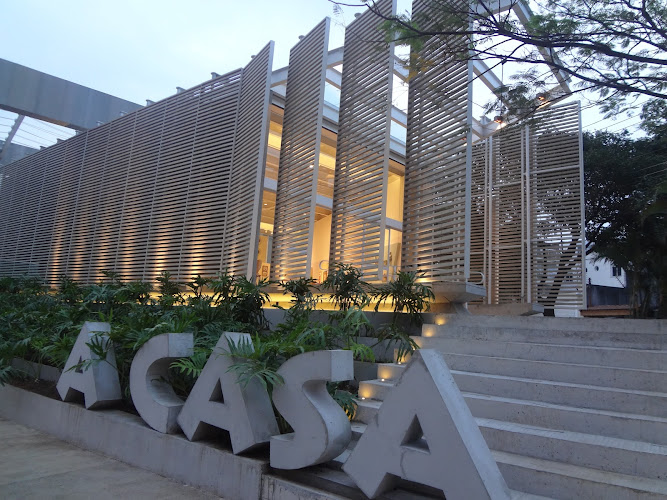
Museu A CASA do Objeto Brasileiro
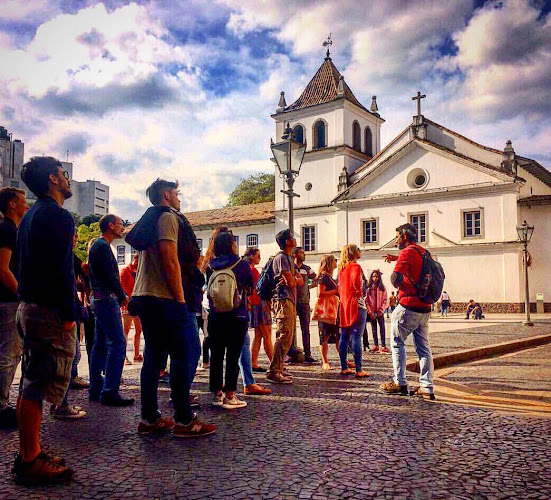
São Paulo Free Walking Tour
Find Accommodations Nearby
Recommended Tours & Activities
Visitor Reviews
There are no reviews yet. Be the first one to write one.
Share Your Experience
Have you visited Museu Judaico de São Paulo? Help other travelers by leaving a review.