
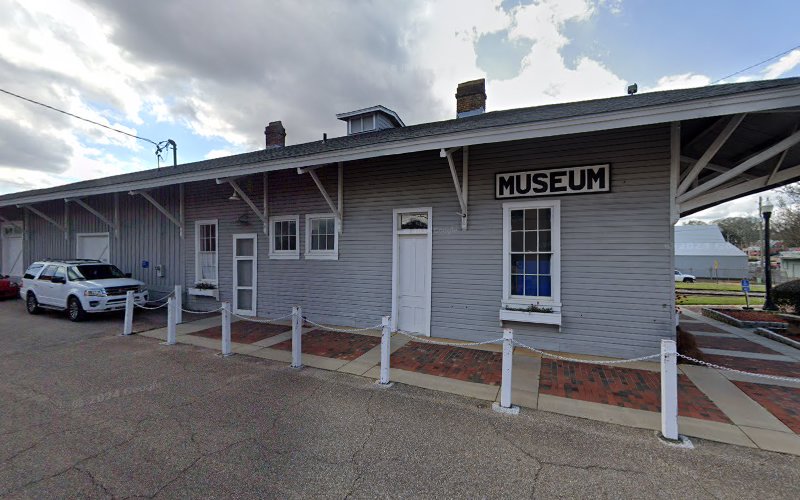
Silver War Museum
About Silver War Museum
Description
The Silver War Museum presents itself as a focused, grounded destination for visitors interested in military history and community memory. The museum is described as family-friendly and accessible, with a wheelchair accessible parking lot and exhibits that appeal to kids as well as adults. It does not offer an on-site restaurant, so visitors should plan food stops accordingly. The experience on offer emphasizes artifacts, stories, and locally curated interpretation rather than flashy installations or high-tech gimmicks; in short, it feels like a place built and maintained by people who care about preserving history, not by corporate showrooms.
Travelers who favor tangible connections to the past tend to appreciate the museum. Exhibits lean toward tangible artifacts, personal accounts, and contextual displays that explain why particular objects mattered. The layout encourages a steady, contemplative pace: people can take time with individual items and then move on to a broader narrative thread. School groups and families are commonly seen here because the displays are approachable and the museum has clear kid-friendly elements—hands-on moments, visual artifacts, and stories that make complex events easier to grasp.
There is an earnest, community-oriented vibe. The staff and volunteers are often knowledgeable and candid, offering insights that come from long familiarity with the collection rather than a rehearsed script. Visitors who enjoy chatting with curators or volunteers will likely leave with little nuggets of local lore and context that don’t appear in guidebooks. A frequent remark from repeat visitors is that the museum rewards curiosity; the more questions a visitor asks, the richer the experience becomes.
The place does well at contextualizing military artifacts within personal and regional narratives. Instead of presenting military history only as a list of dates and battles, the museum connects items—uniforms, documents, photographs, and objects—to the lives of people from the surrounding area. These connections help the visitor see how global events affected small towns and families, and that perspective is one reason many travelers appreciate a stop here while exploring the region.
Accessibility matters here. The presence of a wheelchair accessible parking lot means the museum pays attention to practical visitor needs. That signals to many travelers that the site isn't just a showpiece; it wants to be used and appreciated by a wide range of people. Families with strollers and visitors with mobility challenges will likely find navigation manageable, though visitors who require full ADA-compliant facilities should still check specific needs ahead of time.
Because there is no on-site restaurant, the museum encourages planning. Many visitors pair a museum visit with a short meal in the nearby town or bring snacks for between exhibits. This often turns into a pleasant part of the outing: a casual picnic, a visit to a local diner, or a short drive to explore nearby neighborhoods. Those small side-adventures can make the overall visit feel more complete.
In terms of atmosphere, the museum aims for authenticity and respect. It is less about spectacle and more about preservation and education. For travelers who enjoy museums where curators are a bit like storytellers—telling modest, clear stories rather than dramatizing them—this place usually hits the mark. It rewards the patient, the curious, and the conversationalist.
Key Features
- Wheelchair accessible parking lot and visitor-friendly circulation
- Child-friendly exhibits and interpretive elements that help younger visitors engage
- A collection focused on military history with personal artifacts and contextual displays
- Volunteer and staff-led interpretation that often includes local stories and oral histories
- No on-site restaurant; convenient to pair with local dining options or bring snacks
- Good for school groups, history buffs, and families seeking thoughtful educational experiences
- Opportunities to ask questions and dig deeper into little-known regional wartime connections
- Modest, community-curated atmosphere that emphasizes authenticity over spectacle
Best Time to Visit
The best time to visit is during weekday mornings or early afternoons when the museum tends to be quieter. Those hours give visitors breathing room to read labels, handle interactive displays when available, and chat with staff without feeling rushed. Weekends can be busier with local families and school groups, so if someone prefers a slower, contemplative experience, choosing an off-peak weekday is smart.
Seasonality matters more for comfort than access. Summers in the region can be hot and humid; pairing a museum visit with indoor lunch plans is practical. Spring and fall bring milder weather that makes combining the museum with short drives around the area more enjoyable. If the traveler enjoys local events, it's worth checking the museum's calendar for special programming—talks, commemorations, or temporary exhibits—because those can add unique, memorable layers to a visit.
Another useful tip: arrive early in the day. The first hour after opening often yields the clearest experience—fresh exhibits, staff who have time to answer questions thoughtfully, and fewer families at peak midday traffic. For photographers, morning light in exhibit spaces can sometimes be kinder depending on the layout, though museum photography policies should always be checked first.
How to Get There
The Silver War Museum is accessible by car and works well as a stop on a broader regional itinerary. Most visitors arrive by driving from nearby cities and towns. If coming from a regional hub, the museum sits roughly a short drive away—making it an easy detour for travelers exploring the area. Parking is on-site with a wheelchair accessible lot, which simplifies arrival for those with mobility concerns.
Public transportation options in the region can be limited, so visitors relying on buses or trains should plan ahead and consider rideshare services or rental cars for the last leg. Driving also gives visitors the flexibility to explore surrounding neighborhoods and historic sites after the museum visit. Roadside signage and local maps typically point the way once in the general vicinity, but using a GPS for final navigation is recommended if the traveler prefers to avoid guesswork.
For those arriving from out of state by air, regional airports in nearby cities are the usual gateways. After landing, a rental car or rideshare is the simplest way to reach the museum. Visitors who enjoy scenic routes can take slightly longer drives through small towns and countryside roads; it often turns a straightforward museum visit into a pleasant little road-trip with stops for coffee, local shops, or quick photo ops.
Tips for Visiting
Plan ahead for food. The museum does not have a restaurant, so pack snacks or plan to eat at a nearby cafe or diner afterward. This is one of those small practical things that, when handled, makes the visit far more enjoyable. A granola bar and a water bottle go a long way during a museum visit; no one likes to be distracted by hunger while reading an engaging exhibit label.
Ask questions. Staff and volunteers often have local stories and deeper context that are not printed on placards. A simple conversation can reveal fascinating details about the provenance of an object, the person who donated it, or local wartime anecdotes. The museum rewards curiosity: the more someone asks, the more likely they are to walk away with memorable, personal insights.
Bring children, but pace the visit. The museum is good for kids, but attention spans vary. Let younger visitors lead through a couple of kid-focused displays first, then move into denser sections. Short breaks between galleries help a lot. Interactive moments and visual artifacts will keep children engaged, and parents have reported that the museum’s approach helps young learners grasp larger historical themes without overwhelm.
Consider timing visits around special events. If a traveler likes a livelier scene or wants to attend talks, look for scheduled programming. Conversely, if privacy and reflection are preferred, weekdays or non-event days are better. Either way, checking the museum's announced schedule before a trip helps set expectations.
Bring comfortable shoes and allow time. Even if the museum's footprint isn’t enormous, thoughtful exhibits encourage lingering. Comfortable footwear and a flexible schedule turn a short stop into a rich, unrushed experience. Many visitors find that leaving extra time—say, an additional 30 to 60 minutes—yields a more satisfying visit because it allows for reading, photography where permitted, and conversations with staff.
Accessibility details matter. The wheelchair accessible parking lot is a real plus, but visitors with specific mobility or sensory needs should contact the museum ahead of time to confirm accommodations. Asking about seating areas, restroom accessibility, or quiet times can make a big difference for someone who needs them.
Finally, bring curiosity and an open mind. The Silver War Museum tends to reward people who visit with a genuine interest in stories and preservation. It’s not about blockbuster displays, but it is about connection—connecting objects to people, and people to events that shaped the region and beyond. The kind of place where small details—an old letter, a photograph, a donated uniform—transform into a meaningful way to understand history.
A short anecdote often shared by locals: the guide remembers a visitor who intended to stay twenty minutes and instead spent nearly two hours, drawn in by the volunteers and the personal letters on display. That sort of accidental deep-dive is common here, and if a traveler leaves with one new story in their pocket, the museum has done its job.
Key Features
- Local and regional military artifacts and memorabilia
- Personal stories and oral-history emphasis
- Family-friendly, accessible exhibit layout
- Rotating or special exhibits focused on specific conflicts or themes
- Gift shop and museum office with regional history resources
More Details
Updated August 30, 2025
Table of Contents
Description
The Silver War Museum presents itself as a focused, grounded destination for visitors interested in military history and community memory. The museum is described as family-friendly and accessible, with a wheelchair accessible parking lot and exhibits that appeal to kids as well as adults. It does not offer an on-site restaurant, so visitors should plan food stops accordingly. The experience on offer emphasizes artifacts, stories, and locally curated interpretation rather than flashy installations or high-tech gimmicks; in short, it feels like a place built and maintained by people who care about preserving history, not by corporate showrooms.
Travelers who favor tangible connections to the past tend to appreciate the museum. Exhibits lean toward tangible artifacts, personal accounts, and contextual displays that explain why particular objects mattered. The layout encourages a steady, contemplative pace: people can take time with individual items and then move on to a broader narrative thread. School groups and families are commonly seen here because the displays are approachable and the museum has clear kid-friendly elements—hands-on moments, visual artifacts, and stories that make complex events easier to grasp.
There is an earnest, community-oriented vibe. The staff and volunteers are often knowledgeable and candid, offering insights that come from long familiarity with the collection rather than a rehearsed script. Visitors who enjoy chatting with curators or volunteers will likely leave with little nuggets of local lore and context that don’t appear in guidebooks. A frequent remark from repeat visitors is that the museum rewards curiosity; the more questions a visitor asks, the richer the experience becomes.
The place does well at contextualizing military artifacts within personal and regional narratives. Instead of presenting military history only as a list of dates and battles, the museum connects items—uniforms, documents, photographs, and objects—to the lives of people from the surrounding area. These connections help the visitor see how global events affected small towns and families, and that perspective is one reason many travelers appreciate a stop here while exploring the region.
Accessibility matters here. The presence of a wheelchair accessible parking lot means the museum pays attention to practical visitor needs. That signals to many travelers that the site isn’t just a showpiece; it wants to be used and appreciated by a wide range of people. Families with strollers and visitors with mobility challenges will likely find navigation manageable, though visitors who require full ADA-compliant facilities should still check specific needs ahead of time.
Because there is no on-site restaurant, the museum encourages planning. Many visitors pair a museum visit with a short meal in the nearby town or bring snacks for between exhibits. This often turns into a pleasant part of the outing: a casual picnic, a visit to a local diner, or a short drive to explore nearby neighborhoods. Those small side-adventures can make the overall visit feel more complete.
In terms of atmosphere, the museum aims for authenticity and respect. It is less about spectacle and more about preservation and education. For travelers who enjoy museums where curators are a bit like storytellers—telling modest, clear stories rather than dramatizing them—this place usually hits the mark. It rewards the patient, the curious, and the conversationalist.
Key Features
- Wheelchair accessible parking lot and visitor-friendly circulation
- Child-friendly exhibits and interpretive elements that help younger visitors engage
- A collection focused on military history with personal artifacts and contextual displays
- Volunteer and staff-led interpretation that often includes local stories and oral histories
- No on-site restaurant; convenient to pair with local dining options or bring snacks
- Good for school groups, history buffs, and families seeking thoughtful educational experiences
- Opportunities to ask questions and dig deeper into little-known regional wartime connections
- Modest, community-curated atmosphere that emphasizes authenticity over spectacle
Best Time to Visit
The best time to visit is during weekday mornings or early afternoons when the museum tends to be quieter. Those hours give visitors breathing room to read labels, handle interactive displays when available, and chat with staff without feeling rushed. Weekends can be busier with local families and school groups, so if someone prefers a slower, contemplative experience, choosing an off-peak weekday is smart.
Seasonality matters more for comfort than access. Summers in the region can be hot and humid; pairing a museum visit with indoor lunch plans is practical. Spring and fall bring milder weather that makes combining the museum with short drives around the area more enjoyable. If the traveler enjoys local events, it’s worth checking the museum’s calendar for special programming—talks, commemorations, or temporary exhibits—because those can add unique, memorable layers to a visit.
Another useful tip: arrive early in the day. The first hour after opening often yields the clearest experience—fresh exhibits, staff who have time to answer questions thoughtfully, and fewer families at peak midday traffic. For photographers, morning light in exhibit spaces can sometimes be kinder depending on the layout, though museum photography policies should always be checked first.
How to Get There
The Silver War Museum is accessible by car and works well as a stop on a broader regional itinerary. Most visitors arrive by driving from nearby cities and towns. If coming from a regional hub, the museum sits roughly a short drive away—making it an easy detour for travelers exploring the area. Parking is on-site with a wheelchair accessible lot, which simplifies arrival for those with mobility concerns.
Public transportation options in the region can be limited, so visitors relying on buses or trains should plan ahead and consider rideshare services or rental cars for the last leg. Driving also gives visitors the flexibility to explore surrounding neighborhoods and historic sites after the museum visit. Roadside signage and local maps typically point the way once in the general vicinity, but using a GPS for final navigation is recommended if the traveler prefers to avoid guesswork.
For those arriving from out of state by air, regional airports in nearby cities are the usual gateways. After landing, a rental car or rideshare is the simplest way to reach the museum. Visitors who enjoy scenic routes can take slightly longer drives through small towns and countryside roads; it often turns a straightforward museum visit into a pleasant little road-trip with stops for coffee, local shops, or quick photo ops.
Tips for Visiting
Plan ahead for food. The museum does not have a restaurant, so pack snacks or plan to eat at a nearby cafe or diner afterward. This is one of those small practical things that, when handled, makes the visit far more enjoyable. A granola bar and a water bottle go a long way during a museum visit; no one likes to be distracted by hunger while reading an engaging exhibit label.
Ask questions. Staff and volunteers often have local stories and deeper context that are not printed on placards. A simple conversation can reveal fascinating details about the provenance of an object, the person who donated it, or local wartime anecdotes. The museum rewards curiosity: the more someone asks, the more likely they are to walk away with memorable, personal insights.
Bring children, but pace the visit. The museum is good for kids, but attention spans vary. Let younger visitors lead through a couple of kid-focused displays first, then move into denser sections. Short breaks between galleries help a lot. Interactive moments and visual artifacts will keep children engaged, and parents have reported that the museum’s approach helps young learners grasp larger historical themes without overwhelm.
Consider timing visits around special events. If a traveler likes a livelier scene or wants to attend talks, look for scheduled programming. Conversely, if privacy and reflection are preferred, weekdays or non-event days are better. Either way, checking the museum’s announced schedule before a trip helps set expectations.
Bring comfortable shoes and allow time. Even if the museum’s footprint isn’t enormous, thoughtful exhibits encourage lingering. Comfortable footwear and a flexible schedule turn a short stop into a rich, unrushed experience. Many visitors find that leaving extra time—say, an additional 30 to 60 minutes—yields a more satisfying visit because it allows for reading, photography where permitted, and conversations with staff.
Accessibility details matter. The wheelchair accessible parking lot is a real plus, but visitors with specific mobility or sensory needs should contact the museum ahead of time to confirm accommodations. Asking about seating areas, restroom accessibility, or quiet times can make a big difference for someone who needs them.
Finally, bring curiosity and an open mind. The Silver War Museum tends to reward people who visit with a genuine interest in stories and preservation. It’s not about blockbuster displays, but it is about connection—connecting objects to people, and people to events that shaped the region and beyond. The kind of place where small details—an old letter, a photograph, a donated uniform—transform into a meaningful way to understand history.
A short anecdote often shared by locals: the guide remembers a visitor who intended to stay twenty minutes and instead spent nearly two hours, drawn in by the volunteers and the personal letters on display. That sort of accidental deep-dive is common here, and if a traveler leaves with one new story in their pocket, the museum has done its job.
Key Highlights
- Local and regional military artifacts and memorabilia
- Personal stories and oral-history emphasis
- Family-friendly, accessible exhibit layout
- Rotating or special exhibits focused on specific conflicts or themes
- Gift shop and museum office with regional history resources
Location
Places to Stay Near Silver War Museum
Find and Book a Tour
Explore More Travel Guides
No reviews found! Be the first to review!
Traveler Reviews for Silver War Museum
There are no reviews yet. Be the first one to write one.
Have you visited Silver War Museum? Help other travelers by sharing your review.
Nearby Attractions
You Might Also Like
Escape Enterprise LLC
Enterprise Sport Complex
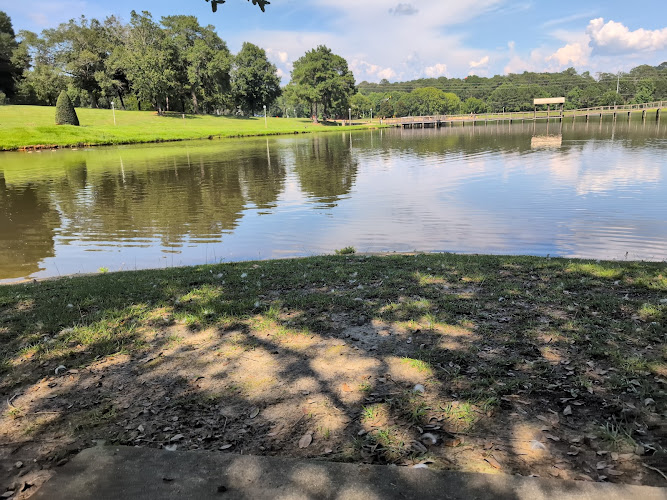
Johnny Henderson Family Park
Find Accommodations Nearby
Recommended Tours & Activities
Visitor Reviews
There are no reviews yet. Be the first one to write one.
Share Your Experience
Have you visited Silver War Museum? Help other travelers by leaving a review.