
Fairy Cave
About Fairy Cave
Key Features
More Details
Updated April 15, 2024
Fairy Cave of Lushan (Jiujiang) – 2018 All You Need to Know Before You …
## Fairy Cave (仙人洞 / Xianren Dong), Jiujiang, Jiangxi: what it is and how to visit responsibly
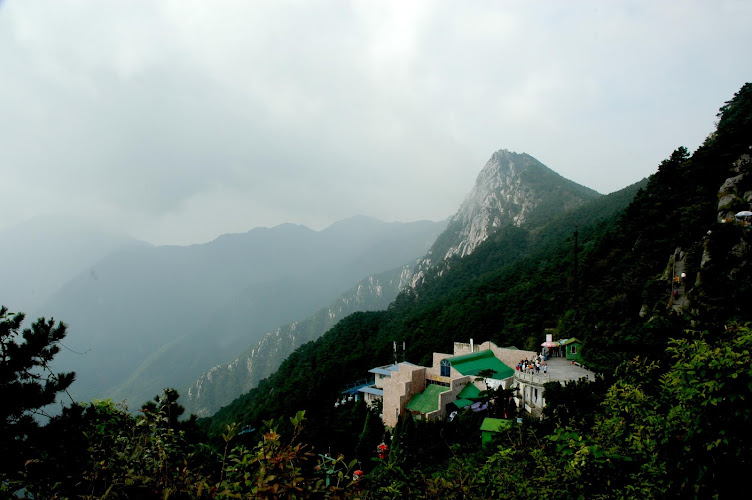
Fairy Cave (Chinese: 仙人洞, often romanized as Xianren Dong) is a small but culturally loaded cave site on Mount Lu (Lushan) in Jiujiang, Jiangxi Province, China. It’s also referred to as the “Cave of the Immortals” and “Lushan Fairy Cave.”
Your dataset places it at:
– Address: HX67+R36, Huanshan Rd, Lianxi District, Jiujiang, Jiangxi, China, 332016
– Coordinates: 29.562036, 115.962646 (these coordinates match a published cave listing) Caves of the World
– Type: Tourist attraction
– Dataset rating: 3.8 (note: treated here as your dataset value, not independently verified)
What makes this stop worth your time isn’t “big cave” spectacle. It’s the unusual blend of geology + folklore + modern political-cultural afterlife—a natural rock shelter that became a named place in the Chinese imagination.
—
## What you’re actually looking at (geology, not hype)
Multiple references describe the cave as a rock cave formed in sand cliffs/sandstone, shaped gradually by weathering and long-term water action.
One detailed cave guide classifies it as an erosional cave that functions like an abri/rock shelter in sandstone, and even publishes basic dimensions (about 14 m long and 7 m high). Caves of the World
Practical implication: expect something closer to a dramatic overhang/rock shelter than an extensive underground system. Bring your curiosity for context, not expectations of long passages or elaborate chambers.
—
## Why it’s called “Fairy Cave” (and why you’ll see Taoist references)
Historically, the site was said to have been called “Buddha’s Hand Rock” before later naming traditions took over.
The most repeated legend ties the cave to Lü Dongbin (吕洞宾), a famous Taoist figure associated with the Tang dynasty. The story goes that he practiced cultivation/meditation here until becoming an “immortal,” and the cave’s later names reflect that worship/association.
How to use this on-site: if you see iconography or references to Lü Dongbin, it’s not random “tourist theming”—it’s anchored in the cave’s long-running identity as a Taoist-legend site.
—
## The 20th-century moment that amplified its fame
Fairy Cave’s modern prominence isn’t only about scenery. A widely cited account says that in 1961, Jiang Qing photographed the cave at Mount Lu; Mao Zedong reportedly liked the photograph and later wrote a poem connected to the site, which was published in a 1963 edition of Poems of Chairman Mao and reprinted elsewhere—making the cave more broadly renowned.
That’s not “extra trivia.” It’s a real reason the cave appears in travel listings and cultural references beyond standard scenic-spot logic.
—
## Where it sits and what that means for your visit
The cave is listed on/near Huanshan Road on Mount Lu (Lushan), southeast of Jiujiang City. Caves of the World
Practical navigation tip: use the Plus Code (HX67+R36) and the coordinates (29.562036, 115.962646) in your mapping app. Those identifiers are more reliable than English name searches, which can surface similarly named caves elsewhere.
—
## What to expect on the ground (and what not to assume)
Here’s what sources do support, without guessing:
– It’s a recognized tourist attraction on Mount Lu.
– Photography is allowed per one cave guide. Caves of the World
– One cave guide says “bring torch” and notes no accessibility (i.e., not designed for step-free access). Caves of the World
What you should not assume (because it changes and/or isn’t consistently documented in reliable sources):
– Current opening hours, ticketing, or site rules
– Whether lighting has improved or paths have been renovated
– Seasonal closures or crowd-management policies
—
## Outdated-data flags (important)
One commonly cited cave-information page lists “Open: no restrictions” and “Fee: free,” but explicitly marks those details as from 2010 and warns that they may have changed. Caves of the World
Action: treat admission/operating details as unknown until you confirm locally (official Lushan scenic-area channels, posted signage, or your accommodation host).
—
## Inclusivity and accessibility notes
If you’re traveling with someone who uses mobility aids or needs step-free routes, plan cautiously:
– A cave guide lists Accessibility: no, suggesting this isn’t a step-free, universally accessible attraction. Caves of the World
– Even when “accessible” is ambiguous, caves and rock shelters typically involve uneven surfaces and chokepoints. Because we can’t verify current infrastructure upgrades, the safest guidance is: treat it as not reliably accessible unless confirmed day-of.
For sensory needs: caves can involve echoing sound, low light, and confined-feeling spaces. If that’s a concern, consider viewing from the entrance rather than pushing deeper.
—
## Two internal links you can add (contextual, not spammy)
If you’re publishing this on RealJourneyTravels.com, these internal links fit naturally:
– Mount Lu (Lushan) Scenic Area guide: /mount-lu-travel-guide/
– Jiujiang travel guide (transport + base logistics): /jiujiang-travel-guide/
—
## Quick facts (for your CMS fields)
– Name: Fairy Cave (仙人洞 / Xianren Dong)
– Also known as: Cave of the Immortals; Lushan Fairy Cave
– Location: Mount Lu (Lushan), Jiujiang, Jiangxi Province, China
– Coordinates: 29.562036, 115.962646 Caves of the World
– Geology (broad): erosional rock shelter / sandstone cave
If you want, I can also generate FAQ schema (JSON-LD) and a tight meta title + Discover-optimized dek—but only using what’s supported by the sources above.
Table of Contents
Key Highlights
Fairy Cave
Location
Places to Stay Near Fairy Cave
Find and Book a Tour
Explore More Travel Guides
No reviews found! Be the first to review!
Traveler Reviews for Fairy Cave
There are no reviews yet. Be the first one to write one.
Have you visited Fairy Cave? Help other travelers by sharing your review.
You Might Also Like
Find Accommodations Nearby
Recommended Tours & Activities
Visitor Reviews
There are no reviews yet. Be the first one to write one.
Share Your Experience
Have you visited Fairy Cave? Help other travelers by leaving a review.