
Capilano Suspension Bridge Park
About Capilano Suspension Bridge Park
Key Features
- Historic 137 m (450 ft) suspension bridge over the Capilano River
- Cliffwalk — cantilevered walkways and glass viewpoints on a granite precipice
- Treetops Adventure — suspended platforms and bridges among old-growth trees
- First Nations cultural displays and interpretive exhibits
- Seasonal events and well-maintained trails through temperate rainforest
More Details
Updated June 11, 2025
Capilano Suspension Bridge Park [Vancouver, BC Attraction] » Next Stop …
## Capilano Suspension Bridge Park: How to Experience Vancouver’s Famous Forest Adventure
Capilano Suspension Bridge Park in North Vancouver is one of British Columbia’s most-visited attractions, drawing over a million people a year to its rainforest canyon, swaying bridge, and high-rope-style walkways. It’s not just “one bridge with a view”—it’s a compact nature park that mixes engineering, ecology, and Indigenous storytelling in a way that feels very Pacific Northwest.
This guide walks you through what to actually expect on the ground: how the attractions connect, how long you realistically need, and what’s important to know if you’re visiting with kids, mobility needs, or sensory sensitivities.
—
## Quick Facts
– Location: 3735 Capilano Road, North Vancouver, BC, Canada (just over the Lions Gate Bridge from downtown Vancouver).
– Type of attraction: Private nature park with an admission fee.
– Bridge stats:
– Length: about 140 m / 460 ft
– Height: about 70 m / 230 ft above the Capilano River.
– Main attractions included in admission: Capilano Suspension Bridge, Treetops Adventure, Cliffwalk, rainforest boardwalks, Kia’palano Indigenous cultural area, Story Centre, and guided talks.
– Average visit time: The park’s own FAQ says most guests spend around 2–3 hours, with 1.8 km of stone paths and boardwalks inside the park.
– Visitor numbers: Over 1.2 million visitors per year.
– Opened: The first bridge was built in 1889; the park has been rebuilt and upgraded multiple times since.
—
## The Main Experiences Inside the Park
### 1. Capilano Suspension Bridge
The star of the show is the long pedestrian suspension bridge spanning the Capilano River. The current steel-cable version stretches roughly 140 m (460 ft) and hangs about 70 m (230 ft) over the canyon.
Despite its solid engineering, you will feel the bridge move underfoot—especially when it’s busy. That motion is intentional and accounted for in the design: the structure is built to withstand far more weight and movement than it ever sees in normal operations. and Create
What to expect on the bridge:
– It can take 5–15 minutes to cross, depending on how many photo stops you make and how crowded it is.
– Decking is solid (you can’t see through the floor), which helps some visitors who struggle with heights. and Create
– Safety rules are strict: no running, no jumping, and no deliberate shaking of the bridge.
From the center, you look down into the forested canyon and out to the slopes of North Vancouver—classic Pacific Northwest scenery without leaving the city’s orbit.
—
### 2. Treetops Adventure: Walking in the Rainforest Canopy
On the far side of the main bridge, you’ll enter Treetops Adventure: a series of seven suspension bridges anchored to eight large Douglas firs, forming an elevated loop through the canopy up to around 30 m (about 100 ft) above the forest floor.
This area is focused on forest ecology:
– The platforms and bridges are built to avoid harming the trees; the attachment system is designed to be adjustable as the trees grow.
– Interpretive signs explain old-growth forest structure, wildlife, and the role of temperate rainforests on Canada’s west coast. North Shore Tourism
If you’re traveling with kids, this is usually one of their favourite parts of the park: it feels like an adventure playground, but with safety rails and controlled flows of people.
—
### 3. Cliffwalk: 30 Storeys Above the Canyon
Back on the “city” side of the canyon, Cliffwalk is the most adrenaline-centric part of Capilano. It’s a series of narrow walkways and viewing platforms bolted directly into the granite cliff face, up to 30 storeys above the river and stretching 213 m along the canyon wall.
A few useful, factual points:
– The structure is supported by 16 anchor points drilled into the rock.
– It’s engineered to hold about 45 tonnes (100,000 lb)—roughly the weight of 35 adult orca whales—so although it looks delicate, it has a substantial safety margin.
– Some sections include glass flooring or open views straight down into the canyon, which can be intense for visitors with significant height sensitivity.
For photography, Cliffwalk offers some of the best angles on both the bridge and the forested gorge.
—
### 4. Rainforest Trails, Boardwalks, and Viewpoints
Beyond the headline attractions, Capilano is essentially a curated West Coast rainforest:
– The park notes 1.8 km of paved stone paths and boardwalks, which loop past trout ponds, evergreens, and canyon viewpoints.
– AllTrails lists a roughly 0.8-mile (1.3 km) walking route with about 170 ft of elevation gain, describing it as a moderate walk, which aligns with the park’s network of trails and stairs.
Interpretive panels scattered around the park discuss local flora and fauna, temperate rainforest ecosystems, and the relationship between the canyon landscape and the Capilano River downstream in Capilano River Regional Park. North Shore Tourism
—
## History & Cultural Context
### From 1889 Rope Bridge to Modern Park
The very first Capilano Suspension Bridge was built in 1889 by George Grant Mackay, a Scottish-born civil engineer and Vancouver park commissioner. It was originally made of hemp ropes with cedar planks.
Key historical milestones:
– 1903: The rope bridge was replaced with a wire-cable design.
– 1956: The bridge was fully rebuilt into a more robust modern structure.
– 1983: Local businesswoman Nancy Stibbard acquired the park. Under her leadership, it grew into the flagship attraction of the Capilano Group, which also operates other tourism and hospitality businesses in BC and the Canadian Rockies.
– 2004: Opening of Treetops Adventure, adding the elevated forest loop.
– 2011: Opening of Cliffwalk, the cantilevered cliff-side walkway.
The result is a park that keeps layering new experiences onto a centuries-old engineering icon.
### Kia’palano and Indigenous Story Poles
Capilano Suspension Bridge Park sits on the unceded traditional territory of the Skwxwú7mesh (Squamish) Nation and Tsleil-Waututh Nation.
The park’s cultural area, Kia’palano, is designed to spotlight this connection:
– “Kia’palano” is from the Squamish language and is linked to the idea of a “beautiful river,” reflecting the Capilano River below.
– The area features story poles (totem poles) created by noted Indigenous artists, including carvers from the Tlingit/Taltan and Tsimshian Nations.
– Exhibits and guided “Totem Talks” explain the symbolism of the carvings, the traditions of local First Nations, and how oral histories are encoded in the poles.
For visitors who want more than just photos, Kia’palano and the Story Centre together provide a structured way to understand how long Indigenous communities have lived in and shaped this landscape.
—
## Accessibility, Safety & Inclusivity
### Mobility & Wheelchair Access
The park’s own FAQ is very clear:
– The Suspension Bridge, Treetops Adventure, and Cliffwalk are not wheelchair accessible.
– These attractions also do not allow strollers or crutches, due to stairs and the moving structures.
However, the park does take some steps to improve access:
– Visitors using wheelchairs or mobility aids receive complimentary admission and can explore accessible areas such as the Story Centre, Kia’palano, certain viewpoints, shops, and restaurants.
If your group includes someone using a wheelchair, it’s important to know upfront that the headline attractions are off-limits, but there are still parts of the park they can enjoy.
### Neurodiverse & Invisible-Disability Support
Vancouver’s North Shore tourism board outlines several inclusivity measures at Capilano Suspension Bridge Park:
– The park participates in the Access 2 program, providing complimentary entry for a support person accompanying the paying cardholder.
– Staff are trained to recognise the sunflower lanyard as a symbol for invisible disabilities and may offer discounts or adjustments at their discretion.
– The first-aid room can be used as a quiet space, helpful for visitors needing a calm environment during sensory overload. North Shore Tourism
These policies are accurate as of mid-2024; because programs can change, visitors with specific needs should confirm details directly with the park before visiting.
### General Safety Rules
To keep the bridges and walkways safe for everyone, the park specifies a few non-negotiables:
– Hold small children by the hand.
– No running, jumping, or deliberately shaking the bridge or walkways.
– Babies must be carried below railing height or in a proper child carrier; shoulder carriers are not allowed.
Following the on-site signage matters; unsafe behaviour can lead to removal from the park for safety reasons.
—
## Practical Visiting Tips (Based Only on Current Verified Info)
### Opening Times, Tickets & Seasonal Events
– Capilano Suspension Bridge Park operates year-round, closing only on December 25.
– Admission includes all in-park attractions and seasonal events (when running).
– During winter, the park hosts Canyon Lights, which decorates the bridge, trees, and walkways with extensive light displays—this is currently advertised through January 18, 2026 on the official site.
Ticket prices and specific hours change periodically, so the only completely reliable advice is to check the official website or ticketing page before you go.
### How Long You Need
According to the park’s FAQ:
– Most visitors spend about 2–3 hours inside the park.
– There are 1.8 km of paths and boardwalks, and walking the whole park usually takes around 2–2.25 hours, not including time for food or shopping.
Independent visitor guides and tour operators report similar ranges (roughly 2–3 hours), which aligns with the park’s own estimate. and Create
### Getting There
Capilano Suspension Bridge Park is in North Vancouver, a short drive from downtown:
Table of Contents
Key Highlights
- Historic 137 m (450 ft) suspension bridge over the Capilano River
- Cliffwalk — cantilevered walkways and glass viewpoints on a granite precipice
- Treetops Adventure — suspended platforms and bridges among old-growth trees
- First Nations cultural displays and interpretive exhibits
- Seasonal events and well-maintained trails through temperate rainforest
Location
Places to Stay Near Capilano Suspension Bridge Park"Lots of things to do here besides just the suspension bridge."
Find and Book a Tour
Explore More Travel Guides
No reviews found! Be the first to review!
Traveler Reviews for Capilano Suspension Bridge Park
There are no reviews yet. Be the first one to write one.
Have you visited Capilano Suspension Bridge Park? Help other travelers by sharing your review.
Nearby Attractions
You Might Also Like
FlyOver Canada

Queen Elizabeth Park
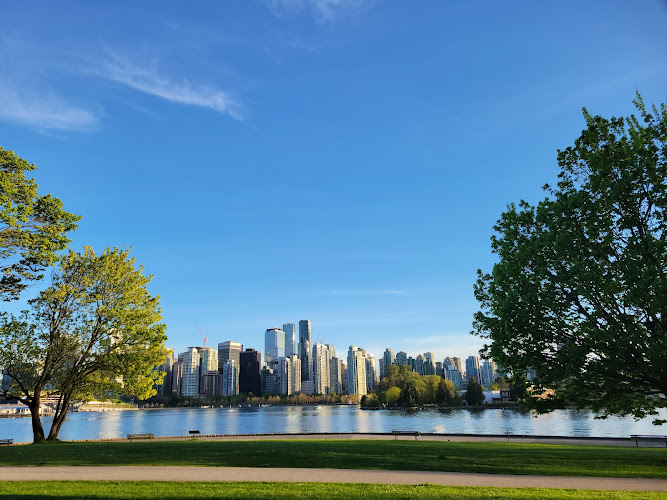
Stanley Park
Find Accommodations Nearby
Recommended Tours & Activities
Visitor Reviews
There are no reviews yet. Be the first one to write one.
Share Your Experience
Have you visited Capilano Suspension Bridge Park? Help other travelers by leaving a review.