
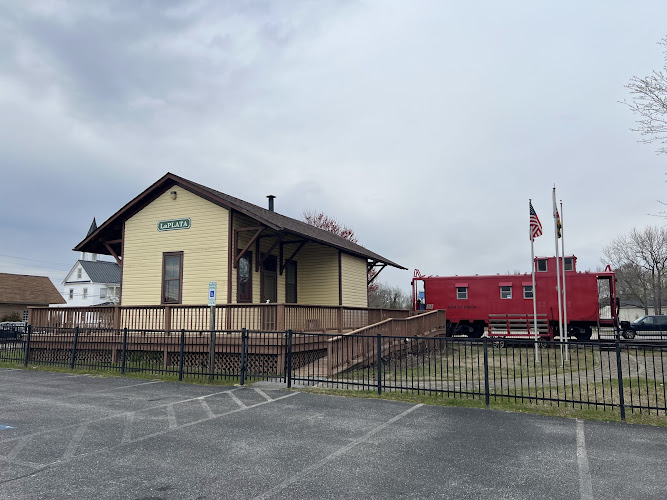
La Plata Train Station Museum
About La Plata Train Station Museum
Description
The La Plata Train Station Museum sits as a clear-eyed reminder of the era when rails stitched small American towns together. The museum occupies the restored station building and interprets local railroad history with photographs, artifacts, and interpretive panels that track the station’s role in commerce, travel, and community life. Visitors learn not only about engines and schedules, but about how the railroad shaped the rhythm of life in La Plata and the surrounding Southern Maryland area.
This place is approachable — physically and culturally. The building has a wheelchair accessible entrance and a wheelchair accessible parking lot, making it easier for visitors with mobility needs to navigate. There is on-site parking for those driving in, and while there isn’t a restaurant inside, the museum is close enough to downtown shops and cafes that a short walk will fix that. Families are welcome; the museum is considered good for kids and tends to include exhibits that spark curiosity for younger visitors — things they can point at, ask about, and sometimes even touch depending on rotating displays and special events.
The museum’s tone is quietly authoritative rather than flashy. It doesn’t rely on gimmicks. Instead it showcases authentic artifacts: hardware, signage, historic photos, timetables, and objects that tell local stories. The interpretive style favors narrative: the rise of the station, key events, and the era when rail was the lifeline for small towns. For travelers who like to pair a light history lesson with a leisurely stroll, it’s an ideal stop. It gives context to the town’s downtown architecture and helps travelers appreciate the ordinary — and how ordinary once looked extraordinary.
One small aside from the writer: on a blustery weekday afternoon, the quiet of the station felt like stepping into an old photograph — the kind of place where kids ask honest questions and grandparents smile like they remember. That memory is why the writer recommends setting aside a little time; it rewards slow-looking.
Key Features
- Historic station building with original architectural details and interpretive displays
- Authentic railroad artifacts: signage, photographs, timetables, and memorabilia
- Wheelchair accessible entrance and dedicated accessible parking area
- On-site parking for easy drop-off and short visits
- Welcoming to families and good for kids — exhibits aim to engage younger visitors
- No on-site restaurant, but nearby dining options make it easy to combine the visit with lunch or coffee
- Rotating displays and occasional special events that spotlight local volunteers and historians
- Informal, docent-led storytelling on select days (check ahead for schedules)
Best Time to Visit
The best time to visit depends on what the traveler wants. For peace and quiet, weekday mornings are ideal. The writer has found that on a Tuesday or Thursday morning there’s plenty of elbow room to move through exhibits and read the placards without feeling rushed. Weekends can be livelier — school groups, families, and occasional special events bring more energy. If a visitor enjoys chatting with volunteer docents or catching a short guided talk, weekends are often when those happen.
Seasonality matters in a small way. Spring and fall tend to be most pleasant for pairing the museum with a walk around downtown — milder weather, local festivals, and farmers’ markets often nearby. On hot summer days the museum offers a cool indoor break; in winter it’s a compact dose of local history that still packs meaning, though hours may be reduced around holidays. Check ahead to confirm opening times, because small museums sometimes shift hours seasonally or for volunteer availability.
How to Get There
The La Plata Train Station Museum is easy to reach by car, which is the most convenient option for most travelers. It’s roughly an hour’s drive from central Washington, D.C., depending on traffic, and accessible from major routes that lead into Charles County. On arrival, visitors will find on-site parking, including wheelchair accessible parking close to the entrance — a practical detail that makes a real difference for those traveling with mobility aids or small kids in strollers.
Public transit options are limited in this part of the state, so if someone is relying on buses or trains, they should plan meticulously. Rideshare and local taxi services can fill that gap, though availability can vary by time of day. For travelers organizing group visits, driving and using the on-site parking or arranging a local shuttle tends to be the simplest plan.
For anyone combining the museum with other local attractions, it sits conveniently near La Plata’s downtown area and municipal features. That makes it simple to fold in a coffee stop, a walk through the town square, or an easy museum-plus-lunch itinerary. The lack of an on-site restaurant is not a dealbreaker; it just nudges visitors to explore the town’s food scene afterward, which is part of the fun — small-town eateries often deliver unexpectedly good meals.
Tips for Visiting
Plan for 45–90 minutes. Most visitors find that an hour is just about right to enjoy exhibits without rushing. Those who love reading every caption and lingering over artifacts can easily spend longer — so schedule flexibly.
- Check opening hours before you go. Small museums sometimes change hours seasonally or for special events and volunteer staffing.
- There’s no on-site restaurant. Bring a light snack if needed, though the writer encourages visitors to support nearby cafés and bakeries — they’re often worth the short walk.
- Accessibility matters here: the entrance and parking are wheelchair accessible, but visitors with specific needs should call ahead to confirm any additional accommodations.
- If coming with kids, bring a few small prompts to keep them engaged (a scavenger-list style game, for example). The museum is kid-friendly, but small exhibits become more memorable when kids have things to look for.
- Photography is usually allowed for personal use, but flash may be discouraged around sensitive artifacts. The writer once took a blurry picture of a sign because the light was weird — lesson learned: steady hands or a quick tripod help.
- If traveling in a group, ask about docent-led talks or group tours. These are often run by enthusiastic volunteers who love to tell local stories; they can make the visit feel personal and richer.
- Combine the visit with downtown La Plata. A museum visit plus a stroll and a meal makes for a very pleasant half-day trip.
- Carry small bills or a credit card. Gift shops or donation jars may accept cards, but cash is still handy at small local vendors nearby.
- Respect fragile objects and posted signage. A friendly reminder: artifacts are irreplaceable; hands-off is sometimes the rule for good reason.
One last bit of advice from the writer: give the place the time it deserves. In a rush, the museum is still interesting. But when a visitor slows down, reads the stories, and maybe asks a volunteer a question, the collection reveals little narrative threads about the town — the comings and goings, the people who worked the lines, and the way transportation shaped daily routines. Those threads are small, but they make the visit stick with you after you get back in the car.
For travelers who like tangible local history — not the grand national narratives, but the ones that show how ordinary lives were connected to technology and transport — the La Plata Train Station Museum is a quietly rewarding stop. It’s practical, accessible, and has heart. And yes, the writer will probably return next time with a different relative and another question or two, because good local museums tend to ask you to come back.
Key Features
- Historic station building with original architectural details and interpretive displays
- Authentic railroad artifacts: signage, photographs, timetables, and memorabilia
- Wheelchair accessible entrance and dedicated accessible parking area
- On-site parking for easy drop-off and short visits
- Welcoming to families and good for kids — exhibits aim to engage younger visitors
- No on-site restaurant, but nearby dining options make it easy to combine the visit with lunch or coffee
- Rotating displays and occasional special events that spotlight local volunteers and historians
- Informal, docent-led storytelling on select days (check ahead for schedules)
More Details
Updated August 30, 2025
Table of Contents
Description
The La Plata Train Station Museum sits as a clear-eyed reminder of the era when rails stitched small American towns together. The museum occupies the restored station building and interprets local railroad history with photographs, artifacts, and interpretive panels that track the station’s role in commerce, travel, and community life. Visitors learn not only about engines and schedules, but about how the railroad shaped the rhythm of life in La Plata and the surrounding Southern Maryland area.
This place is approachable — physically and culturally. The building has a wheelchair accessible entrance and a wheelchair accessible parking lot, making it easier for visitors with mobility needs to navigate. There is on-site parking for those driving in, and while there isn’t a restaurant inside, the museum is close enough to downtown shops and cafes that a short walk will fix that. Families are welcome; the museum is considered good for kids and tends to include exhibits that spark curiosity for younger visitors — things they can point at, ask about, and sometimes even touch depending on rotating displays and special events.
The museum’s tone is quietly authoritative rather than flashy. It doesn’t rely on gimmicks. Instead it showcases authentic artifacts: hardware, signage, historic photos, timetables, and objects that tell local stories. The interpretive style favors narrative: the rise of the station, key events, and the era when rail was the lifeline for small towns. For travelers who like to pair a light history lesson with a leisurely stroll, it’s an ideal stop. It gives context to the town’s downtown architecture and helps travelers appreciate the ordinary — and how ordinary once looked extraordinary.
One small aside from the writer: on a blustery weekday afternoon, the quiet of the station felt like stepping into an old photograph — the kind of place where kids ask honest questions and grandparents smile like they remember. That memory is why the writer recommends setting aside a little time; it rewards slow-looking.
Key Features
- Historic station building with original architectural details and interpretive displays
- Authentic railroad artifacts: signage, photographs, timetables, and memorabilia
- Wheelchair accessible entrance and dedicated accessible parking area
- On-site parking for easy drop-off and short visits
- Welcoming to families and good for kids — exhibits aim to engage younger visitors
- No on-site restaurant, but nearby dining options make it easy to combine the visit with lunch or coffee
- Rotating displays and occasional special events that spotlight local volunteers and historians
- Informal, docent-led storytelling on select days (check ahead for schedules)
Best Time to Visit
The best time to visit depends on what the traveler wants. For peace and quiet, weekday mornings are ideal. The writer has found that on a Tuesday or Thursday morning there’s plenty of elbow room to move through exhibits and read the placards without feeling rushed. Weekends can be livelier — school groups, families, and occasional special events bring more energy. If a visitor enjoys chatting with volunteer docents or catching a short guided talk, weekends are often when those happen.
Seasonality matters in a small way. Spring and fall tend to be most pleasant for pairing the museum with a walk around downtown — milder weather, local festivals, and farmers’ markets often nearby. On hot summer days the museum offers a cool indoor break; in winter it’s a compact dose of local history that still packs meaning, though hours may be reduced around holidays. Check ahead to confirm opening times, because small museums sometimes shift hours seasonally or for volunteer availability.
How to Get There
The La Plata Train Station Museum is easy to reach by car, which is the most convenient option for most travelers. It’s roughly an hour’s drive from central Washington, D.C., depending on traffic, and accessible from major routes that lead into Charles County. On arrival, visitors will find on-site parking, including wheelchair accessible parking close to the entrance — a practical detail that makes a real difference for those traveling with mobility aids or small kids in strollers.
Public transit options are limited in this part of the state, so if someone is relying on buses or trains, they should plan meticulously. Rideshare and local taxi services can fill that gap, though availability can vary by time of day. For travelers organizing group visits, driving and using the on-site parking or arranging a local shuttle tends to be the simplest plan.
For anyone combining the museum with other local attractions, it sits conveniently near La Plata’s downtown area and municipal features. That makes it simple to fold in a coffee stop, a walk through the town square, or an easy museum-plus-lunch itinerary. The lack of an on-site restaurant is not a dealbreaker; it just nudges visitors to explore the town’s food scene afterward, which is part of the fun — small-town eateries often deliver unexpectedly good meals.
Tips for Visiting
Plan for 45–90 minutes. Most visitors find that an hour is just about right to enjoy exhibits without rushing. Those who love reading every caption and lingering over artifacts can easily spend longer — so schedule flexibly.
- Check opening hours before you go. Small museums sometimes change hours seasonally or for special events and volunteer staffing.
- There’s no on-site restaurant. Bring a light snack if needed, though the writer encourages visitors to support nearby cafés and bakeries — they’re often worth the short walk.
- Accessibility matters here: the entrance and parking are wheelchair accessible, but visitors with specific needs should call ahead to confirm any additional accommodations.
- If coming with kids, bring a few small prompts to keep them engaged (a scavenger-list style game, for example). The museum is kid-friendly, but small exhibits become more memorable when kids have things to look for.
- Photography is usually allowed for personal use, but flash may be discouraged around sensitive artifacts. The writer once took a blurry picture of a sign because the light was weird — lesson learned: steady hands or a quick tripod help.
- If traveling in a group, ask about docent-led talks or group tours. These are often run by enthusiastic volunteers who love to tell local stories; they can make the visit feel personal and richer.
- Combine the visit with downtown La Plata. A museum visit plus a stroll and a meal makes for a very pleasant half-day trip.
- Carry small bills or a credit card. Gift shops or donation jars may accept cards, but cash is still handy at small local vendors nearby.
- Respect fragile objects and posted signage. A friendly reminder: artifacts are irreplaceable; hands-off is sometimes the rule for good reason.
One last bit of advice from the writer: give the place the time it deserves. In a rush, the museum is still interesting. But when a visitor slows down, reads the stories, and maybe asks a volunteer a question, the collection reveals little narrative threads about the town — the comings and goings, the people who worked the lines, and the way transportation shaped daily routines. Those threads are small, but they make the visit stick with you after you get back in the car.
For travelers who like tangible local history — not the grand national narratives, but the ones that show how ordinary lives were connected to technology and transport — the La Plata Train Station Museum is a quietly rewarding stop. It’s practical, accessible, and has heart. And yes, the writer will probably return next time with a different relative and another question or two, because good local museums tend to ask you to come back.
Key Highlights
- Historic station building with original architectural details and interpretive displays
- Authentic railroad artifacts: signage, photographs, timetables, and memorabilia
- Wheelchair accessible entrance and dedicated accessible parking area
- On-site parking for easy drop-off and short visits
- Welcoming to families and good for kids — exhibits aim to engage younger visitors
- No on-site restaurant, but nearby dining options make it easy to combine the visit with lunch or coffee
- Rotating displays and occasional special events that spotlight local volunteers and historians
- Informal, docent-led storytelling on select days (check ahead for schedules)
Location
Places to Stay Near La Plata Train Station Museum
Find and Book a Tour
Explore More Travel Guides
No reviews found! Be the first to review!
Traveler Reviews for La Plata Train Station Museum
There are no reviews yet. Be the first one to write one.
Have you visited La Plata Train Station Museum? Help other travelers by sharing your review.
You Might Also Like
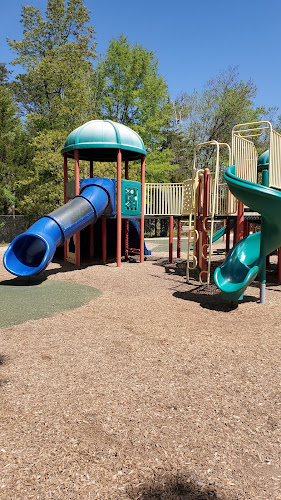
Laurel Springs Regional Park
La Plata Town Hall
La Plata Tornado Memorial Garden
Find Accommodations Nearby
Recommended Tours & Activities
Visitor Reviews
There are no reviews yet. Be the first one to write one.
Share Your Experience
Have you visited La Plata Train Station Museum? Help other travelers by leaving a review.