
Houston Museum of Natural Science
About Houston Museum of Natural Science
Key Features
More Details
Updated June 26, 2025
## Houston Museum of Natural Science (HMNS): What to Know Before You Go
If you want one Houston stop that reliably works for first-timers, families, science nerds, rainy days, brutal-heat afternoons, and “we need a plan in 30 minutes” visitors, the Houston Museum of Natural Science is it. HMNS sits right on the edge of Hermann Park and anchors the Museum District at 5555 Hermann Park Dr, Houston, TX 77030.
What makes HMNS different from many big-city museums is the mix: large permanent halls (included in general admission) plus add-on experiences (planetarium shows, the giant screen theater, and other ticketed components), and a steady churn of special exhibitions.
—
## Quick facts (so you can plan fast)
### Location
– Address: 5555 Hermann Park Dr, Houston, TX 77030, United States
– Setting: On the border of Hermann Park in Houston’s Museum District
### Hours (always verify day-of)
HMNS publishes “Regular Hours” and notes last entry windows. As of the museum’s own Visit information:
– Mon–Thu: 9:00 am – 5:00 pm (Last entry 4:30 pm)
– Fri–Sun: 9:00 am – 6:00 pm (Last entry 5:30 pm)
– Free Tuesdays: 5:00 pm – 8:00 pm (Last entry 7:30 pm), general admission only, first-come/first-served
Outdated-data flag: museum hours (and last entry policies) can change for holidays and special events—treat any third-party “typical hours” as non-authoritative and confirm on HMNS before you go.
### Admission (general admission)
From HMNS’s Visit info, general admission includes all permanent exhibits and lists base pricing:
– Adults (12+): $25
– Children (3–11): $16
– Infants (under 2): Free
– Members: Free general admission
Important nuance: HMNS also sells tickets for additional experiences (e.g., planetarium shows) separately from general admission.
—
## What you’ll actually do inside (and how to choose)
HMNS is big enough that “wander until hungry” can accidentally become a five-hour marathon. A better approach: pick two anchor halls + one add-on.
### Anchor hall #1: Dinosaurs and deep time
HMNS is widely associated with its paleontology content, and the museum itself is frequently described as the Houston address for dinosaur-focused visits.
If you’re visiting with kids (or adults who grew up on dinosaur books), this is usually the highest-energy starting point.
### Anchor hall #2: Gems, minerals, and “wow” objects
HMNS is known for a broad range of natural science displays and object-driven halls—this is where you get that visual payoff without needing to read every label. A RealJourneyTravels write-up highlights the museum’s breadth and calls out both paleontology and gems/minerals as standout experiences. Journey Tours & Travels
### Add-on: Burke Baker Planetarium
The Burke Baker Planetarium is part of the HMNS complex and runs fulldome programs (different runtimes depending on the show).
If you’re choosing one paid extra, the planetarium is often the cleanest win: it’s seated, climate-controlled, and resets your brain after walking exhibit halls.
—
## The smartest way to time your visit (crowds, value, and energy)
### If you want the lowest friction experience
– Go early and treat last entry times as real, not advisory. HMNS explicitly posts last entry windows.
– Build in a break—HMNS is multi-floor and can feel like “one more hall” forever.
### If you want maximum value
– Free Tuesdays (5–8 pm) can be an excellent deal, but it’s also the most likely time to feel compressed or crowded because it’s first-come/first-served for general admission.
– If your goal is a calm, linger-and-read visit, a standard paid entry window may be a better trade than “free but packed.”
### If you’re pairing HMNS with the Museum District
HMNS is strong enough to be the main event, but it’s also positioned well for a Museum District day. The practical play is: HMNS as your indoor anchor + park time outside (Hermann Park is right there).
—
## Practical logistics that save you real time
### Tickets
– Use HMNS’s “Plan a Visit / Visit” flow to confirm hours, ticket types, and what’s included.
### Phone line (useful if you’re coordinating a group)
HMNS lists an advance sales phone line on its Visit page.
### Parking and getting there
HMNS points visitors to Directions & Parking resources.
(Fees, garage rules, and event-day restrictions can change—confirm on the museum’s own guidance before you commit.)
—
## Accessibility and visitor comfort (what can change your experience)
A Houston Chronicle explainer notes the museum has expanded accessibility options (including an app intended to help low-vision visitors) and reiterates that several major components—like the butterfly center, planetarium, and giant screen theater—require separate tickets. Chronicle
Outdated-data flag: accessibility programs and tools can change over time (apps get replaced, renamed, or retired). If accessibility support is a deciding factor, verify current offerings directly through HMNS before your visit. Chronicle
—
## “If you only have…” itineraries
### 90 minutes
– One major permanent hall (dinosaurs or gems/minerals)
– Quick pass through a second hall that’s visually dense
– Skip add-ons unless you’re already holding a timed ticket
### 3 hours
– Two permanent halls
– One add-on (planetarium is the easiest to slot in)
– Plan a midpoint break so you don’t rush the final hour
### Half-day
– Three permanent halls
– Add-on + special exhibition (if you’re into the theme)
– Finish with a short walk in Hermann Park (mental reset)
—
## Two internal links you can add (confirmed on RealJourneyTravels.com)
To keep readers moving through your Houston cluster, these two are highly relevant:
– Houston Museum of Natural Science Reviews & Ratings: /places/houston-museum-of-natural-science-2/ Journey Tours & Travels
– George Observatory (HMNS-managed stargazing site near Brazos Bend State Park): /places/george-observatory/ Journey Tours & Travels
—
## Bottom line: who HMNS is best for
HMNS is a strong pick if you want:
– A high-confidence indoor plan with broad appeal (science, natural history, gems/minerals, space programming)
– A visit that can scale from quick stop to half-day, depending on energy and add-ons
– A Museum District anchor that pairs naturally with time in Hermann Park
If you want, paste your preferred angle (family day / date idea / science-nerd itinerary / budget plan), and I’ll tighten this into the exact format you use across your RealJourneyTravels place pages while staying strictly within verified facts.
Key Highlights
Houston Museum of Natural Science
Location
Places to Stay Near Houston Museum of Natural Science"Lots of things to do."
Find and Book a Tour
Explore More Travel Guides
No reviews found! Be the first to review!
Traveler Reviews for Houston Museum of Natural Science
There are no reviews yet. Be the first one to write one.
Have you visited Houston Museum of Natural Science? Help other travelers by sharing your review.
You Might Also Like

Good Mother's Hair Braiding & Beauty Supply
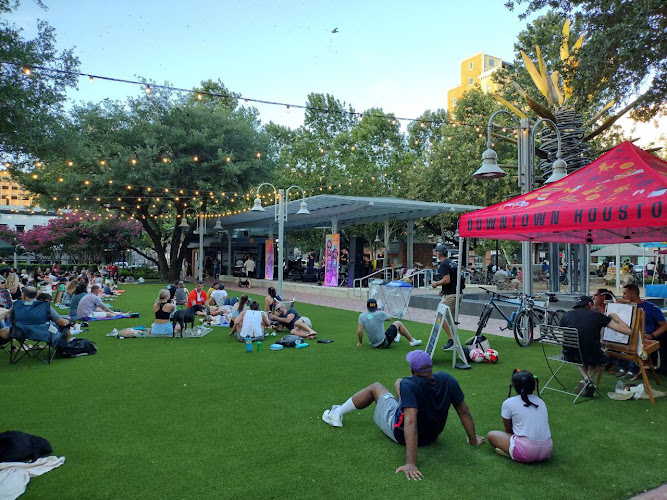
Market Square Park
Burke Baker Planetarium
Find Accommodations Nearby
Recommended Tours & Activities
Visitor Reviews
There are no reviews yet. Be the first one to write one.
Share Your Experience
Have you visited Houston Museum of Natural Science? Help other travelers by leaving a review.