
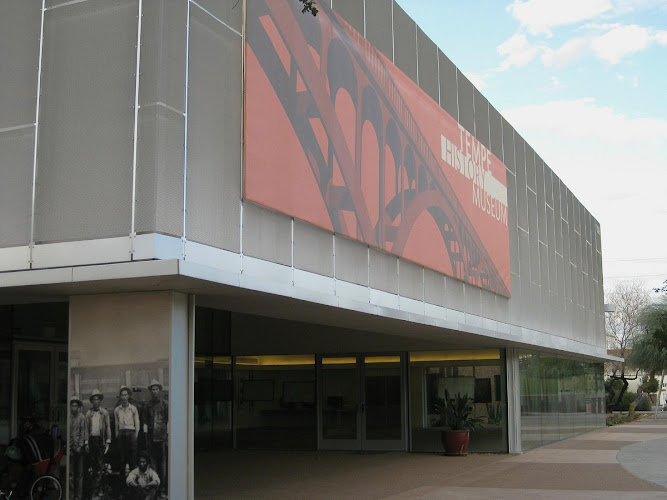
Tempe History Museum
About Tempe History Museum
Description
The Tempe History Museum is a roomy, thoughtfully curated local history museum that tracks the growth and character of Tempe, Arizona, from its territorial days through the surge of the 20th century and into the present. Rather than being a dusty archive where artifacts sit like museum pieces on life support, it hums with life: rotating displays change the story regularly, guest orations enliven the past, and live performances pop up on the calendar. In short, it feels like a living civic room for storytelling about community, innovation, and the everyday people who shaped this place.
Visitors usually notice the layout first. The galleries are spacious enough to navigate comfortably — wheelchairs and strollers glide without awkward turns — and the exhibits are designed to be approachable. That matters. History can be heavy, or it can be playful, and the museum often chooses the latter when appropriate. Panels mix personal anecdotes, vintage photos, artifacts, and multimedia elements. For someone who loves context, the plaques and timelines are the kind of thing that keeps attention; for someone who wants to be surprised, there’s usually at least one display that makes them say, oh, I didn’t know that.
Rotating displays are a signature here. Rather than leaning entirely on a permanent collection, curators bring in thematic shows that rotate through neighborhoods, agriculture, transportation, and the cultural milestones that helped shape Tempe’s identity. Guests may find exhibits dedicated to early irrigation systems, local businesses that became icons, or the evolving music and art scenes. The changeable nature keeps repeat visits interesting; many locals return several times a year because there’s always a new angle to explore.
Orations and live presentations give the museum extra personality. These are not stodgy lecture series; they range from first-person historical reenactments to community conversations and short theatrical pieces. One favorite among repeat visitors is an afternoon program where a local historian recounts neighborhood stories — little things like where a beloved theater used to be or why a particular street got its name. For travelers who enjoy learning through storytelling, these sessions add texture that text panels alone rarely provide.
Accessibility and family-friendly features are deliberately part of the museum’s DNA. The building includes a wheelchair accessible entrance, accessible parking, and accessible restrooms, and an assistive hearing loop is available for programs. Parents with little kids tend to appreciate that the space is manageable in size — not so overwhelming that a two-hour visit feels impossible, but large enough to offer variety. In other words, it’s good for kids without being the sort of place where kids are merely tolerated. There are touch-friendly elements and children’s programming at times, so families often find it easy to craft a meaningful, age-appropriate visit.
Onsite services are straightforward and user-friendly. A small gift shop features locally themed items, books on regional history, and fun souvenirs that aren’t the typical mass-produced fare. The museum does not have an on-site restaurant, so visitors often grab a bite nearby before or after their visit. Restrooms are available on site. Practical details like this matter more than people sometimes think; the absence of a full-service cafe is offset by the museum’s central location and the abundance of nearby dining choices in Tempe.
There’s a pleasing balance between the academic and the accessible. Curators lean on primary sources and community contributions, so exhibits often spotlight personal stories — letters, oral histories, business ledgers, and photographs. That gives the museum an authentic voice. But it doesn’t pretend to be a national history hub. This is local history told with care, local pride, and occasional wryness. Visitors who like the idea of learning about how a sun-drenched agricultural town evolved into a modern city will find the narrative here both instructive and humane.
One of the best things about the museum is how it invites conversation. Staff and docents tend to be approachable and genuinely pleased to talk about artifacts or suggest what to see next. Many travelers note that they had better conversations on a single museum visit than they did in longer stops elsewhere. That’s partly a function of scale — the place is intimate enough for staff to give folks proper attention — and partly a function of curation. The themes are often tied to present-day community issues, so the past is not presented as a fixed gallery of things but as an ongoing story that still matters.
For travelers curious about the unexpected, the museum occasionally hosts small, delightfully quirky exhibits. In the past, that might mean a deep dive into the history of a single business that mattered disproportionately to the town, or a focused show on local sports heroes and the fans who built a scene. These smaller, lovingly made exhibits often resonate because they reveal the texture of daily life — the sort of detail a guidebook rarely mentions, but which makes a place feel real.
It’s worth noting how the museum handles visitor experience. Clear signage helps first-time guests orient themselves. Interpretive text often uses plain language rather than dense academic jargon. Photographs are large and well-captioned, and artifacts are presented with enough context to make their significance obvious. That matters for travelers who have only an hour to spare: the museum respects a visitor’s time without resorting to simplifications that feel patronizing.
While many will find the museum a pleasant, informative stop, expectations should be calibrated. This is not a sprawling institution with hundreds of rooms; it’s a focused municipal museum with rotating content and a strong local emphasis. People who expect blockbuster, global exhibits might find it modest. But for someone who wants a deeper, more nuanced understanding of Tempe — its struggles, its innovations, and the people who populated its streets — the museum offers a rewarding perspective.
Another detail that sometimes surprises visitors: the museum’s programming can be quite lively. Live performances are part of the offerings, and those performances add flavor. A weekend program might include a short play about a historical figure, a music performance drawing on local traditions, or a family-oriented storytelling hour. That makes the museum a neighborhood hub, not simply a place to look at artifacts. People sometimes arrive for a performance and leave with a newfound appreciation for the city’s history; other times they come for the exhibit and stay for the talk. That fluidity feels intentional and well executed.
For photographers and social media buffs, the museum offers plenty of shareable moments. Exhibits are arranged with an eye for visual storytelling, and many of the artifacts — vintage signage, period clothing, classroom recreations — make for compelling photographs. Visitors should be mindful of any photography rules, of course, but casual snaps for personal use are generally welcomed. That’s handy because a picture of a clever exhibit caption or a restored storefront display can spark conversations back home and encourage others to visit.
Local historians and long-time residents often use the museum as a repository of collective memory. Community groups sometimes collaborate with the museum to produce exhibits that reflect overlooked histories or celebrate neighborhood milestones. That community orientation is one reason the museum feels authentic rather than curated purely for tourists. For travelers who appreciate places that are rooted in the present-day life of a city, this is a strong signal: the museum supports civic memory and helps keep local stories alive.
To put it bluntly, the Tempe History Museum is the sort of place that rewards curiosity. Someone who wanders in without expectations will often leave with a handful of new facts, a sense of local character, and perhaps an anecdote or two that changes how they view the surrounding neighborhoods. And yes, those personal touches — the lingering old photographs, the warm, knowledgeable staff, the rotating exhibits that feel like little gifts — are precisely what make this more than a stop on a list. It’s a place to sit with history for a while, to absorb it, and then to go find the sites in the city that those old photos once captured in black and white.
Finally, for travelers who like to plan, note that the best experience often involves combining a visit with a walk or meal in the nearby area. The museum’s central location makes it easy to pair with other Tempe attractions, so it works well as part of a half-day itinerary. But if the day is tight, even a single hour inside will deliver a compact, well-crafted history lesson that sticks. Travelers who value meaningful encounters will appreciate the thoughtful curation and the way the museum leans into storytelling rather than just display.
Key Features
More Details
Updated August 30, 2025
Table of Contents
Description
The Tempe History Museum is a roomy, thoughtfully curated local history museum that tracks the growth and character of Tempe, Arizona, from its territorial days through the surge of the 20th century and into the present. Rather than being a dusty archive where artifacts sit like museum pieces on life support, it hums with life: rotating displays change the story regularly, guest orations enliven the past, and live performances pop up on the calendar. In short, it feels like a living civic room for storytelling about community, innovation, and the everyday people who shaped this place.
Visitors usually notice the layout first. The galleries are spacious enough to navigate comfortably — wheelchairs and strollers glide without awkward turns — and the exhibits are designed to be approachable. That matters. History can be heavy, or it can be playful, and the museum often chooses the latter when appropriate. Panels mix personal anecdotes, vintage photos, artifacts, and multimedia elements. For someone who loves context, the plaques and timelines are the kind of thing that keeps attention; for someone who wants to be surprised, there’s usually at least one display that makes them say, oh, I didn’t know that.
Rotating displays are a signature here. Rather than leaning entirely on a permanent collection, curators bring in thematic shows that rotate through neighborhoods, agriculture, transportation, and the cultural milestones that helped shape Tempe’s identity. Guests may find exhibits dedicated to early irrigation systems, local businesses that became icons, or the evolving music and art scenes. The changeable nature keeps repeat visits interesting; many locals return several times a year because there’s always a new angle to explore.
Orations and live presentations give the museum extra personality. These are not stodgy lecture series; they range from first-person historical reenactments to community conversations and short theatrical pieces. One favorite among repeat visitors is an afternoon program where a local historian recounts neighborhood stories — little things like where a beloved theater used to be or why a particular street got its name. For travelers who enjoy learning through storytelling, these sessions add texture that text panels alone rarely provide.
Accessibility and family-friendly features are deliberately part of the museum’s DNA. The building includes a wheelchair accessible entrance, accessible parking, and accessible restrooms, and an assistive hearing loop is available for programs. Parents with little kids tend to appreciate that the space is manageable in size — not so overwhelming that a two-hour visit feels impossible, but large enough to offer variety. In other words, it’s good for kids without being the sort of place where kids are merely tolerated. There are touch-friendly elements and children’s programming at times, so families often find it easy to craft a meaningful, age-appropriate visit.
Onsite services are straightforward and user-friendly. A small gift shop features locally themed items, books on regional history, and fun souvenirs that aren’t the typical mass-produced fare. The museum does not have an on-site restaurant, so visitors often grab a bite nearby before or after their visit. Restrooms are available on site. Practical details like this matter more than people sometimes think; the absence of a full-service cafe is offset by the museum’s central location and the abundance of nearby dining choices in Tempe.
There’s a pleasing balance between the academic and the accessible. Curators lean on primary sources and community contributions, so exhibits often spotlight personal stories — letters, oral histories, business ledgers, and photographs. That gives the museum an authentic voice. But it doesn’t pretend to be a national history hub. This is local history told with care, local pride, and occasional wryness. Visitors who like the idea of learning about how a sun-drenched agricultural town evolved into a modern city will find the narrative here both instructive and humane.
One of the best things about the museum is how it invites conversation. Staff and docents tend to be approachable and genuinely pleased to talk about artifacts or suggest what to see next. Many travelers note that they had better conversations on a single museum visit than they did in longer stops elsewhere. That’s partly a function of scale — the place is intimate enough for staff to give folks proper attention — and partly a function of curation. The themes are often tied to present-day community issues, so the past is not presented as a fixed gallery of things but as an ongoing story that still matters.
For travelers curious about the unexpected, the museum occasionally hosts small, delightfully quirky exhibits. In the past, that might mean a deep dive into the history of a single business that mattered disproportionately to the town, or a focused show on local sports heroes and the fans who built a scene. These smaller, lovingly made exhibits often resonate because they reveal the texture of daily life — the sort of detail a guidebook rarely mentions, but which makes a place feel real.
It’s worth noting how the museum handles visitor experience. Clear signage helps first-time guests orient themselves. Interpretive text often uses plain language rather than dense academic jargon. Photographs are large and well-captioned, and artifacts are presented with enough context to make their significance obvious. That matters for travelers who have only an hour to spare: the museum respects a visitor’s time without resorting to simplifications that feel patronizing.
While many will find the museum a pleasant, informative stop, expectations should be calibrated. This is not a sprawling institution with hundreds of rooms; it’s a focused municipal museum with rotating content and a strong local emphasis. People who expect blockbuster, global exhibits might find it modest. But for someone who wants a deeper, more nuanced understanding of Tempe — its struggles, its innovations, and the people who populated its streets — the museum offers a rewarding perspective.
Another detail that sometimes surprises visitors: the museum’s programming can be quite lively. Live performances are part of the offerings, and those performances add flavor. A weekend program might include a short play about a historical figure, a music performance drawing on local traditions, or a family-oriented storytelling hour. That makes the museum a neighborhood hub, not simply a place to look at artifacts. People sometimes arrive for a performance and leave with a newfound appreciation for the city’s history; other times they come for the exhibit and stay for the talk. That fluidity feels intentional and well executed.
For photographers and social media buffs, the museum offers plenty of shareable moments. Exhibits are arranged with an eye for visual storytelling, and many of the artifacts — vintage signage, period clothing, classroom recreations — make for compelling photographs. Visitors should be mindful of any photography rules, of course, but casual snaps for personal use are generally welcomed. That’s handy because a picture of a clever exhibit caption or a restored storefront display can spark conversations back home and encourage others to visit.
Local historians and long-time residents often use the museum as a repository of collective memory. Community groups sometimes collaborate with the museum to produce exhibits that reflect overlooked histories or celebrate neighborhood milestones. That community orientation is one reason the museum feels authentic rather than curated purely for tourists. For travelers who appreciate places that are rooted in the present-day life of a city, this is a strong signal: the museum supports civic memory and helps keep local stories alive.
To put it bluntly, the Tempe History Museum is the sort of place that rewards curiosity. Someone who wanders in without expectations will often leave with a handful of new facts, a sense of local character, and perhaps an anecdote or two that changes how they view the surrounding neighborhoods. And yes, those personal touches — the lingering old photographs, the warm, knowledgeable staff, the rotating exhibits that feel like little gifts — are precisely what make this more than a stop on a list. It’s a place to sit with history for a while, to absorb it, and then to go find the sites in the city that those old photos once captured in black and white.
Finally, for travelers who like to plan, note that the best experience often involves combining a visit with a walk or meal in the nearby area. The museum’s central location makes it easy to pair with other Tempe attractions, so it works well as part of a half-day itinerary. But if the day is tight, even a single hour inside will deliver a compact, well-crafted history lesson that sticks. Travelers who value meaningful encounters will appreciate the thoughtful curation and the way the museum leans into storytelling rather than just display.
Key Highlights
Tempe History Museum
Location
Places to Stay Near Tempe History Museum
Find and Book a Tour
Explore More Travel Guides
No reviews found! Be the first to review!
Traveler Reviews for Tempe History Museum
There are no reviews yet. Be the first one to write one.
Have you visited Tempe History Museum? Help other travelers by sharing your review.
You Might Also Like
Downtown Tempe
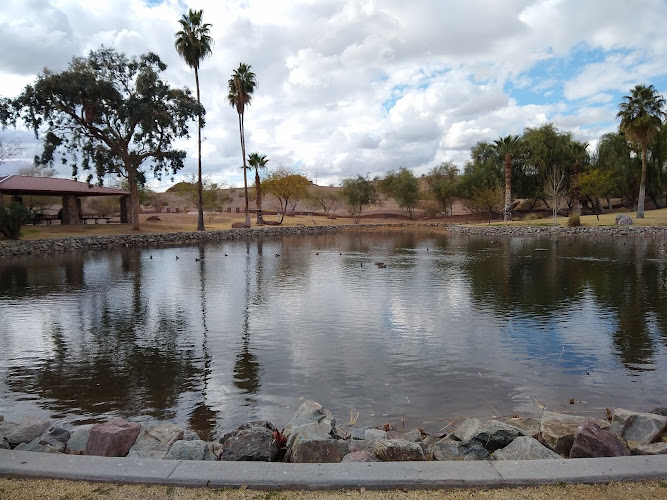
Papago Park in Tempe
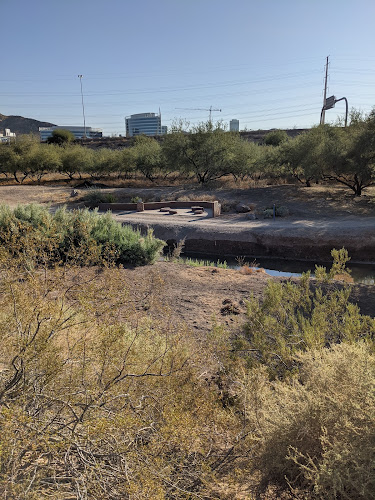
LoPiano Park
Find Accommodations Nearby
Recommended Tours & Activities
Visitor Reviews
There are no reviews yet. Be the first one to write one.
Share Your Experience
Have you visited Tempe History Museum? Help other travelers by leaving a review.