

Bugis Museum
About Bugis Museum
Description
The Bugis Museum in Muzium Bugis, tucked away in Kampung Rambah in Rambah, Johor, Malaysia, offers a focused look at the history and material culture of Bugis communities who have shaped coastal life across the Malay world. It is a local history museum that feels less like a big, polished city institution and more like a carefully tended cabinet of memory—one that preserves stories of migration, seafaring, trade and everyday domestic life. Visitors will encounter artifacts that span generations: traditional garments, navigational tools, boat models, household ceramics, family photographs and written records that together sketch how a maritime people adapted to, and helped shape, the region.
The layout is straightforward and quietly effective. Exhibits are arranged thematically rather than chronologically, which helps highlight recurring motifs—mobility, kinship, craftsmanship—rather than creating a linear timeline. That choice makes the museum particularly good for readers and curious minds who want to grasp cultural patterns quickly. Curatorial labels combine Malay terms and local dialect words with English explanations; sometimes the translations are short, but the overall context usually fills in the rest. The exhibition style leans toward the tangible: visitors can see wear on tools and fabric, and trace the marks of real use. That kind of authenticity is hard to manufacture and it shows. A carved wooden boat prow, for example, carries more narrative than a tidy caption could ever convey.
What stands out most is the emphasis on lived experience. Rather than presenting fame or spectacle, the Bugis Museum celebrates ordinary items that reveal social values: marriage gifts, rice-storing vessels, fishing implements, and small religious texts used in daily practice. Those everyday objects make it easier for visitors to imagine how people in Kampung Rambah and similar settlements organized work, family life and ritual. A display of children's toys—simple, hand-made—often captures attention, because it connects directly to things many people remember from their own childhoods. That relatability is a real strength.
The museum is also intentionally accessible. Wheelchair accessible entrances, parking and restrooms are in place, and the main pathways are navigable for most mobility needs. Families will appreciate that there is a restroom and a small on-site restaurant where light meals and drinks can be purchased. That on-site amenity is surprisingly useful: after touring several rooms, most visitors welcome the chance to sit, reflect and plan a slower second pass through the exhibits. The museum staff are used to guests of varied backgrounds and ages; they offer helpful orientation and often point out lesser-known objects that reward a closer look.
On the topic of interpretation, the museum performs well with visual storytelling but is modest in technological flair. There are a few audio-visual elements and some touchscreen displays, but the emphasis remains on objects. For travelers who favor hands-on, sensory experiences over flashy multimedia, this is a plus. That said, some visitors have noted that signage could be clearer in places and that a few more bilingual or multilingual panels would make the narrative reach a broader audience. The museum appears to be responsive; it updates exhibits periodically and collaborates with local historians, so changes arrive over time.
Community engagement is a distinct feature. The Bugis Museum works with local elders, artisans and families to source and contextualize items, and visitors can sense that many artifacts came with personal stories attached. Occasionally there are small workshops or live demonstrations—crafts, boat-building techniques, or traditional music performances—especially during local festivals. Such events are not daily staples but when they happen, they transform a quiet visit into a lively cultural exchange. A casual visitor might walk in expecting a static display, and leave having heard an elder recount a migration tale; those unscripted moments are often the highlight.
For families, the museum is kid-friendly without being gimmicky. Children can see real objects they can relate to, and docents will often tailor explanations to younger audiences. There is space to move and rest, and the compact size of the museum often helps families avoid the fatigue that larger institutions sometimes induce. The restaurant further eases the experience: a quick snack can reset mood and energy levels, making longer visits realistic.
From a travel-planning perspective, the Bugis Museum is a destination worth slotting into a regional itinerary rather than an isolated stop. It complements trips focused on Johor's coastal cultures, maritime history, or ethnic heritage. Because it is a local history museum, its charm lies less in blockbuster exhibits and more in the depth of context it brings to the Bugis presence in Malaysia and the surrounding archipelago. Those who appreciate quiet, authentic cultural encounters will find it rewarding; those seeking big, interactive spectacle may find it more subdued.
There are a few practical notes that matter. The museum's hours can shift for public holidays or community events, and guided talks sometimes follow the rhythm of local schedules rather than tourist timetables. For this reason, visitors who value predictability might check availability ahead of arrival by calling or asking at their accommodation. But again, the museum's modest size means many visitors have left pleasantly surprised by an impromptu chat with staff or a volunteer who shares a family story tied to an object on display.
Part of the museum's appeal is its strong sense of place. The objects do not float in a vacuum; they are embedded in landscapes, sea routes and family trees that reach beyond Kampung Rambah to Sulawesi, the Riau islands, and the wider Malay world. Exhibits underscore connections between craft traditions and maritime commerce, showing how trading networks shaped cultural exchange. Maps, photographs and a few personal letters hint at long-distance ties—people moving for marriage, trade, or opportunity. For savvy visitors, those threads open up larger questions about identity, migration and how material culture travels with people.
Finally, the experience is human. Staff are approachable and often have local ties; volunteers might be relatives of contributors, and small ceremonies or blessings around artifact donations still occur. That sense of ongoing community custodianship lends the museum warmth. It does not pretend to be exhaustive. Rather, it invites curiosity and small acts of attention: linger by a particular textile, ask who made it, what dye was used; stand close to a boat model and imagine the sound of waves. Those modest gestures yield rich rewards.
In short, the Bugis Museum in Kampung Rambah is a thoughtful, accessible, and community-rooted local history museum in Johor, Malaysia. It may not dazzle with high-tech wizardry, but it excels at making the past tangible and relevant. Travelers who seek connection, context and a slower, more reflective museum experience will find it well worth their time.
Key Features
More Details
Updated August 30, 2025
Table of Contents
Description
The Bugis Museum in Muzium Bugis, tucked away in Kampung Rambah in Rambah, Johor, Malaysia, offers a focused look at the history and material culture of Bugis communities who have shaped coastal life across the Malay world. It is a local history museum that feels less like a big, polished city institution and more like a carefully tended cabinet of memory—one that preserves stories of migration, seafaring, trade and everyday domestic life. Visitors will encounter artifacts that span generations: traditional garments, navigational tools, boat models, household ceramics, family photographs and written records that together sketch how a maritime people adapted to, and helped shape, the region.
The layout is straightforward and quietly effective. Exhibits are arranged thematically rather than chronologically, which helps highlight recurring motifs—mobility, kinship, craftsmanship—rather than creating a linear timeline. That choice makes the museum particularly good for readers and curious minds who want to grasp cultural patterns quickly. Curatorial labels combine Malay terms and local dialect words with English explanations; sometimes the translations are short, but the overall context usually fills in the rest. The exhibition style leans toward the tangible: visitors can see wear on tools and fabric, and trace the marks of real use. That kind of authenticity is hard to manufacture and it shows. A carved wooden boat prow, for example, carries more narrative than a tidy caption could ever convey.
What stands out most is the emphasis on lived experience. Rather than presenting fame or spectacle, the Bugis Museum celebrates ordinary items that reveal social values: marriage gifts, rice-storing vessels, fishing implements, and small religious texts used in daily practice. Those everyday objects make it easier for visitors to imagine how people in Kampung Rambah and similar settlements organized work, family life and ritual. A display of children’s toys—simple, hand-made—often captures attention, because it connects directly to things many people remember from their own childhoods. That relatability is a real strength.
The museum is also intentionally accessible. Wheelchair accessible entrances, parking and restrooms are in place, and the main pathways are navigable for most mobility needs. Families will appreciate that there is a restroom and a small on-site restaurant where light meals and drinks can be purchased. That on-site amenity is surprisingly useful: after touring several rooms, most visitors welcome the chance to sit, reflect and plan a slower second pass through the exhibits. The museum staff are used to guests of varied backgrounds and ages; they offer helpful orientation and often point out lesser-known objects that reward a closer look.
On the topic of interpretation, the museum performs well with visual storytelling but is modest in technological flair. There are a few audio-visual elements and some touchscreen displays, but the emphasis remains on objects. For travelers who favor hands-on, sensory experiences over flashy multimedia, this is a plus. That said, some visitors have noted that signage could be clearer in places and that a few more bilingual or multilingual panels would make the narrative reach a broader audience. The museum appears to be responsive; it updates exhibits periodically and collaborates with local historians, so changes arrive over time.
Community engagement is a distinct feature. The Bugis Museum works with local elders, artisans and families to source and contextualize items, and visitors can sense that many artifacts came with personal stories attached. Occasionally there are small workshops or live demonstrations—crafts, boat-building techniques, or traditional music performances—especially during local festivals. Such events are not daily staples but when they happen, they transform a quiet visit into a lively cultural exchange. A casual visitor might walk in expecting a static display, and leave having heard an elder recount a migration tale; those unscripted moments are often the highlight.
For families, the museum is kid-friendly without being gimmicky. Children can see real objects they can relate to, and docents will often tailor explanations to younger audiences. There is space to move and rest, and the compact size of the museum often helps families avoid the fatigue that larger institutions sometimes induce. The restaurant further eases the experience: a quick snack can reset mood and energy levels, making longer visits realistic.
From a travel-planning perspective, the Bugis Museum is a destination worth slotting into a regional itinerary rather than an isolated stop. It complements trips focused on Johor’s coastal cultures, maritime history, or ethnic heritage. Because it is a local history museum, its charm lies less in blockbuster exhibits and more in the depth of context it brings to the Bugis presence in Malaysia and the surrounding archipelago. Those who appreciate quiet, authentic cultural encounters will find it rewarding; those seeking big, interactive spectacle may find it more subdued.
There are a few practical notes that matter. The museum’s hours can shift for public holidays or community events, and guided talks sometimes follow the rhythm of local schedules rather than tourist timetables. For this reason, visitors who value predictability might check availability ahead of arrival by calling or asking at their accommodation. But again, the museum’s modest size means many visitors have left pleasantly surprised by an impromptu chat with staff or a volunteer who shares a family story tied to an object on display.
Part of the museum’s appeal is its strong sense of place. The objects do not float in a vacuum; they are embedded in landscapes, sea routes and family trees that reach beyond Kampung Rambah to Sulawesi, the Riau islands, and the wider Malay world. Exhibits underscore connections between craft traditions and maritime commerce, showing how trading networks shaped cultural exchange. Maps, photographs and a few personal letters hint at long-distance ties—people moving for marriage, trade, or opportunity. For savvy visitors, those threads open up larger questions about identity, migration and how material culture travels with people.
Finally, the experience is human. Staff are approachable and often have local ties; volunteers might be relatives of contributors, and small ceremonies or blessings around artifact donations still occur. That sense of ongoing community custodianship lends the museum warmth. It does not pretend to be exhaustive. Rather, it invites curiosity and small acts of attention: linger by a particular textile, ask who made it, what dye was used; stand close to a boat model and imagine the sound of waves. Those modest gestures yield rich rewards.
In short, the Bugis Museum in Kampung Rambah is a thoughtful, accessible, and community-rooted local history museum in Johor, Malaysia. It may not dazzle with high-tech wizardry, but it excels at making the past tangible and relevant. Travelers who seek connection, context and a slower, more reflective museum experience will find it well worth their time.
Key Highlights
Bugis Museum
Location
Places to Stay Near Bugis Museum
Find and Book a Tour
Explore More Travel Guides
No reviews found! Be the first to review!
Traveler Reviews for Bugis Museum
There are no reviews yet. Be the first one to write one.
Have you visited Bugis Museum? Help other travelers by sharing your review.
You Might Also Like

Thean Hou Temple

Tawau Hills Park
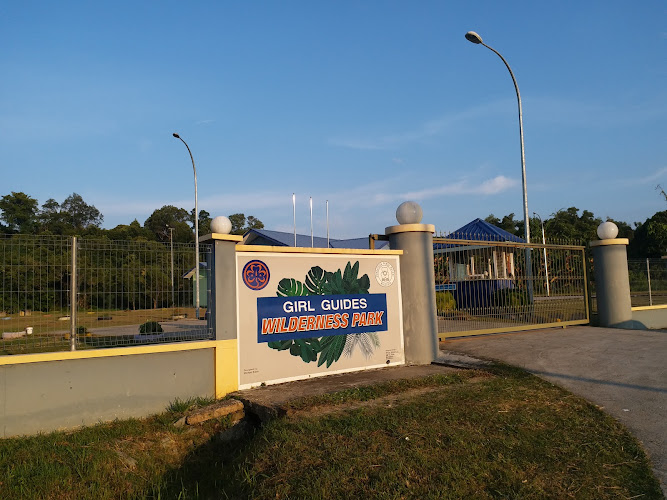
Girl Guide Wilderness Park
Find Accommodations Nearby
Recommended Tours & Activities
Visitor Reviews
There are no reviews yet. Be the first one to write one.
Share Your Experience
Have you visited Bugis Museum? Help other travelers by leaving a review.