
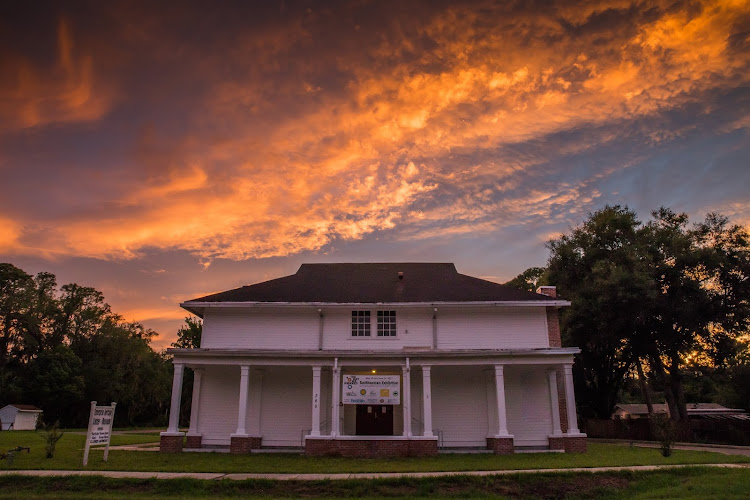
Enterprise Museum
About Enterprise Museum
Description
The Enterprise Museum presents a focused, friendly look at the local history of Enterprise Florida and the smaller towns that shaped its region. The museum is run with a community-first spirit, and that shows in the way exhibits are arranged: modest, approachable, often labeled by the volunteers who helped curate them. Visitors will find artifacts that speak to everyday life here over the past century, from agricultural tools and household objects to photographs, maps, and oral-history excerpts recorded by longtime residents. The story told is less about big wars or giant figures and more about how ordinary people made a place work. That perspective makes the Enterprise Museum feel intimate in a way larger institutions sometimes miss.
The collection is easy to walk through in about an hour, though people who linger with the archival photos and listen to the recorded interviews often stay longer. There are rotating displays that dig into particular topics such as early industry, transportation corridors, and school life, and those rotations give frequent visitors a reason to come back. The museum offers guided tours led by staff and volunteers who grew up around here; those tours can turn a simple display into a two-legged, two-hour storytelling session that you won’t forget. The place is accessible, with a wheelchair accessible entrance, parking, and restroom, which is a big deal for travelers with mobility concerns.
There is free Wi-Fi for guests, so research or sharing pictures on the go is straightforward, and on-site parking means getting in and out is painless for most visitors. Families like the layout because kids can get hands-on with certain kid-friendly stations, and the staff tend to be patient and warm with questions. The museum’s tone leans educational but never stiff; it tries to make local history feel alive and occasionally funny. On a personal note, the author remembers a rainy afternoon visit when a volunteer spent an extra half hour showing old schoolbooks and calling up names in the yearbook. That human touch is what gives the Enterprise Museum its charm.
For travelers who plan museum days as part of a broader trip around Enterprise United States of America, this museum fills a useful niche: it orients one to local rhythms and offers context for nearby landmarks. The exhibits help explain why certain buildings exist, why the town grew where it did, and why some neighborhoods have the character they do today. Visitors who enjoy digging into regional history will appreciate the archival quality of some pieces, while casual visitors will enjoy short displays and the approachable, conversational style of the staff. And yes, there are small discoveries to be made that rarely appear in guidebooks, like a handwritten ledger from an old store or a map with handwritten notations that tell a forgotten route story.
Key Features
- Focused local-history exhibits highlighting Enterprise Florida and surrounding towns
- Guided tours offered by knowledgeable local staff and volunteers
- Wheelchair accessible entrance, parking, and restroom ensuring inclusive access
- On-site parking for easy arrival and departure
- Free Wi-Fi for visitors who want to research or share photos
- Family-friendly layout and children-oriented activities that make history approachable for kids
- Rotating special exhibits that dive deeper into specific aspects of regional life
- Oral-history recordings and archival photographs that provide personal perspectives
- Restroom facilities on site so short visits stay comfortable
- A calm, community-focused atmosphere where volunteers often add color and stories
Best Time to Visit
The Enterprise Museum is pleasant year-round, but timing a visit carefully can improve the experience. Weekday mornings tend to be the quietest; that’s a great time for people who want to move slowly through exhibits, take lots of photos, or listen to oral-history recordings without background noise. Weekends bring more families and chatter, which can be lively and fun but less suited for quiet research. If someone prefers guided tours, mid-morning on Saturdays often has scheduled group tours, though it varies seasonally.
Weather matters for overall travel plans. In the warmer months, plan a visit in the cooler part of the day or pair the museum with a morning coffee stop because walking around town after the museum feels more bearable before afternoon heat. In cooler months, late afternoons offer soft light that makes the museum’s archival photos look great, and the museum is usually less crowded then.
Special events and rotating exhibits create natural peaks in interest. If a specific topic—say, early transportation or local school history—is currently featured, that’s an excellent time to come. A fair bit of the museum’s charm comes from volunteer-led events, so keeping an eye on the museum’s schedule before a trip is smart. The author once timed a visit to coincide with a volunteer-led lecture and left with two new local friends and a list of old farm sites to explore; small events like that can make a short trip feel rich.
How to Get There
Most travelers reach the Enterprise Museum by car, and on-site parking makes arrivals uncomplicated. For road travelers, parking areas are close to the entrance and include wheelchair accessible spots, so unloading a stroller or mobility device is straightforward. For visitors relying on ride-share services or taxis, there is a practical drop-off area near the entrance, which is handy if someone is carrying children or larger bags.
Public transportation options into town may be limited depending on where a traveler is coming from. If public transit is the planned route, it’s wise to double-check local schedules ahead of time and plan for a short walk or a quick ride-share from the nearest stop. Travelers who enjoy walking can reach the museum on foot from nearby downtown areas, and that walk gives a nice neighborhood-level view of the town’s architecture and community life.
For those coming from further afield around Enterprise United States of America, combining a museum visit with other local stops is easy because the museum occupies a convenient spot relative to downtown points of interest. If driving, allow a few extra minutes for downtown traffic during peak local hours; the place is small but popular with residents who come for research or community events.
Tips for Visiting
Arrive early to beat crowds if quiet is a priority. Mornings are generally less busy and cooler in summer. Visitors should allow about 60 to 90 minutes for a comfortable visit; people who enjoy archival material and recorded interviews may want 2 hours. The museum is great for families, but bringing a light snack for kids is a good idea since there isn’t an on-site restaurant.
Accessibility matters here and the museum delivers: the entrance, parking, and restroom are wheelchair accessible. If assistance is needed, staff and volunteers are typically willing to help with large items or with navigating exhibits. The museum offers tours, and booking one when available will add depth to the visit. Tours are often given by locals with personal connections to the artifacts, so expect stories and details that do not appear on labels.
Photography policies can vary, so ask at the front desk if photography is allowed for certain objects. For personal use, most small museums are lenient, but archival materials or fragile items might be off-limits. The writer once asked and was rewarded with a photo session in a quiet corner and a personal narrative about a baseball team from the 1940s. Small courtesies like asking first tend to open doors here.
Bring a charged phone for photos and to use the free Wi-Fi for a quick lookup of related local history if sparks of curiosity arise. If researching family roots or local records, reach out before the visit to confirm what materials are available and whether staff can help access specific archives. Don’t expect a large research library, but the museum’s files and volunteer expertise can be unexpectedly helpful for genealogy questions.
If traveling with children, point out the small interactive stations and let them touch safe replicas where allowed. That keeps kids engaged and often sparks questions that lead to better learning for adults too. Finally, leave time for conversation. The best parts of a visit often happen in the margins: a volunteer sharing a memory, a local stopping in for a quick chat, or a found photograph that links a visitor to the town in a personal way.
All in all, the Enterprise Museum offers a sincere, human-scale look at local history. It is a practical stop for travelers who want to understand the local story, get a few good photographs, and leave with a richer sense of place. The museum feels like a conversation with the town, and that is rare enough to be worth planning a stop around.
Key Features
- Focused local-history exhibits highlighting Enterprise Florida and surrounding towns
- Guided tours offered by knowledgeable local staff and volunteers
- Wheelchair accessible entrance, parking, and restroom ensuring inclusive access
- On-site parking for easy arrival and departure
- Free Wi-Fi for visitors who want to research or share photos
- Family-friendly layout and children-oriented activities that make history approachable for kids
- Rotating special exhibits that dive deeper into specific aspects of regional life
- Oral-history recordings and archival photographs that provide personal perspectives
More Details
Updated August 30, 2025
Table of Contents
Description
The Enterprise Museum presents a focused, friendly look at the local history of Enterprise Florida and the smaller towns that shaped its region. The museum is run with a community-first spirit, and that shows in the way exhibits are arranged: modest, approachable, often labeled by the volunteers who helped curate them. Visitors will find artifacts that speak to everyday life here over the past century, from agricultural tools and household objects to photographs, maps, and oral-history excerpts recorded by longtime residents. The story told is less about big wars or giant figures and more about how ordinary people made a place work. That perspective makes the Enterprise Museum feel intimate in a way larger institutions sometimes miss.
The collection is easy to walk through in about an hour, though people who linger with the archival photos and listen to the recorded interviews often stay longer. There are rotating displays that dig into particular topics such as early industry, transportation corridors, and school life, and those rotations give frequent visitors a reason to come back. The museum offers guided tours led by staff and volunteers who grew up around here; those tours can turn a simple display into a two-legged, two-hour storytelling session that you won’t forget. The place is accessible, with a wheelchair accessible entrance, parking, and restroom, which is a big deal for travelers with mobility concerns.
There is free Wi-Fi for guests, so research or sharing pictures on the go is straightforward, and on-site parking means getting in and out is painless for most visitors. Families like the layout because kids can get hands-on with certain kid-friendly stations, and the staff tend to be patient and warm with questions. The museum’s tone leans educational but never stiff; it tries to make local history feel alive and occasionally funny. On a personal note, the author remembers a rainy afternoon visit when a volunteer spent an extra half hour showing old schoolbooks and calling up names in the yearbook. That human touch is what gives the Enterprise Museum its charm.
For travelers who plan museum days as part of a broader trip around Enterprise United States of America, this museum fills a useful niche: it orients one to local rhythms and offers context for nearby landmarks. The exhibits help explain why certain buildings exist, why the town grew where it did, and why some neighborhoods have the character they do today. Visitors who enjoy digging into regional history will appreciate the archival quality of some pieces, while casual visitors will enjoy short displays and the approachable, conversational style of the staff. And yes, there are small discoveries to be made that rarely appear in guidebooks, like a handwritten ledger from an old store or a map with handwritten notations that tell a forgotten route story.
Key Features
- Focused local-history exhibits highlighting Enterprise Florida and surrounding towns
- Guided tours offered by knowledgeable local staff and volunteers
- Wheelchair accessible entrance, parking, and restroom ensuring inclusive access
- On-site parking for easy arrival and departure
- Free Wi-Fi for visitors who want to research or share photos
- Family-friendly layout and children-oriented activities that make history approachable for kids
- Rotating special exhibits that dive deeper into specific aspects of regional life
- Oral-history recordings and archival photographs that provide personal perspectives
- Restroom facilities on site so short visits stay comfortable
- A calm, community-focused atmosphere where volunteers often add color and stories
Best Time to Visit
The Enterprise Museum is pleasant year-round, but timing a visit carefully can improve the experience. Weekday mornings tend to be the quietest; that’s a great time for people who want to move slowly through exhibits, take lots of photos, or listen to oral-history recordings without background noise. Weekends bring more families and chatter, which can be lively and fun but less suited for quiet research. If someone prefers guided tours, mid-morning on Saturdays often has scheduled group tours, though it varies seasonally.
Weather matters for overall travel plans. In the warmer months, plan a visit in the cooler part of the day or pair the museum with a morning coffee stop because walking around town after the museum feels more bearable before afternoon heat. In cooler months, late afternoons offer soft light that makes the museum’s archival photos look great, and the museum is usually less crowded then.
Special events and rotating exhibits create natural peaks in interest. If a specific topic—say, early transportation or local school history—is currently featured, that’s an excellent time to come. A fair bit of the museum’s charm comes from volunteer-led events, so keeping an eye on the museum’s schedule before a trip is smart. The author once timed a visit to coincide with a volunteer-led lecture and left with two new local friends and a list of old farm sites to explore; small events like that can make a short trip feel rich.
How to Get There
Most travelers reach the Enterprise Museum by car, and on-site parking makes arrivals uncomplicated. For road travelers, parking areas are close to the entrance and include wheelchair accessible spots, so unloading a stroller or mobility device is straightforward. For visitors relying on ride-share services or taxis, there is a practical drop-off area near the entrance, which is handy if someone is carrying children or larger bags.
Public transportation options into town may be limited depending on where a traveler is coming from. If public transit is the planned route, it’s wise to double-check local schedules ahead of time and plan for a short walk or a quick ride-share from the nearest stop. Travelers who enjoy walking can reach the museum on foot from nearby downtown areas, and that walk gives a nice neighborhood-level view of the town’s architecture and community life.
For those coming from further afield around Enterprise United States of America, combining a museum visit with other local stops is easy because the museum occupies a convenient spot relative to downtown points of interest. If driving, allow a few extra minutes for downtown traffic during peak local hours; the place is small but popular with residents who come for research or community events.
Tips for Visiting
Arrive early to beat crowds if quiet is a priority. Mornings are generally less busy and cooler in summer. Visitors should allow about 60 to 90 minutes for a comfortable visit; people who enjoy archival material and recorded interviews may want 2 hours. The museum is great for families, but bringing a light snack for kids is a good idea since there isn’t an on-site restaurant.
Accessibility matters here and the museum delivers: the entrance, parking, and restroom are wheelchair accessible. If assistance is needed, staff and volunteers are typically willing to help with large items or with navigating exhibits. The museum offers tours, and booking one when available will add depth to the visit. Tours are often given by locals with personal connections to the artifacts, so expect stories and details that do not appear on labels.
Photography policies can vary, so ask at the front desk if photography is allowed for certain objects. For personal use, most small museums are lenient, but archival materials or fragile items might be off-limits. The writer once asked and was rewarded with a photo session in a quiet corner and a personal narrative about a baseball team from the 1940s. Small courtesies like asking first tend to open doors here.
Bring a charged phone for photos and to use the free Wi-Fi for a quick lookup of related local history if sparks of curiosity arise. If researching family roots or local records, reach out before the visit to confirm what materials are available and whether staff can help access specific archives. Don’t expect a large research library, but the museum’s files and volunteer expertise can be unexpectedly helpful for genealogy questions.
If traveling with children, point out the small interactive stations and let them touch safe replicas where allowed. That keeps kids engaged and often sparks questions that lead to better learning for adults too. Finally, leave time for conversation. The best parts of a visit often happen in the margins: a volunteer sharing a memory, a local stopping in for a quick chat, or a found photograph that links a visitor to the town in a personal way.
All in all, the Enterprise Museum offers a sincere, human-scale look at local history. It is a practical stop for travelers who want to understand the local story, get a few good photographs, and leave with a richer sense of place. The museum feels like a conversation with the town, and that is rare enough to be worth planning a stop around.
Key Highlights
- Focused local-history exhibits highlighting Enterprise Florida and surrounding towns
- Guided tours offered by knowledgeable local staff and volunteers
- Wheelchair accessible entrance, parking, and restroom ensuring inclusive access
- On-site parking for easy arrival and departure
- Free Wi-Fi for visitors who want to research or share photos
- Family-friendly layout and children-oriented activities that make history approachable for kids
- Rotating special exhibits that dive deeper into specific aspects of regional life
- Oral-history recordings and archival photographs that provide personal perspectives
Location
Places to Stay Near Enterprise Museum
Find and Book a Tour
Explore More Travel Guides
No reviews found! Be the first to review!
Traveler Reviews for Enterprise Museum
There are no reviews yet. Be the first one to write one.
Have you visited Enterprise Museum? Help other travelers by sharing your review.
You Might Also Like
Enterprise Miniature Golf

Mariner's Cove Park
Escape Enterprise LLC
Find Accommodations Nearby
Recommended Tours & Activities
Visitor Reviews
There are no reviews yet. Be the first one to write one.
Share Your Experience
Have you visited Enterprise Museum? Help other travelers by leaving a review.