
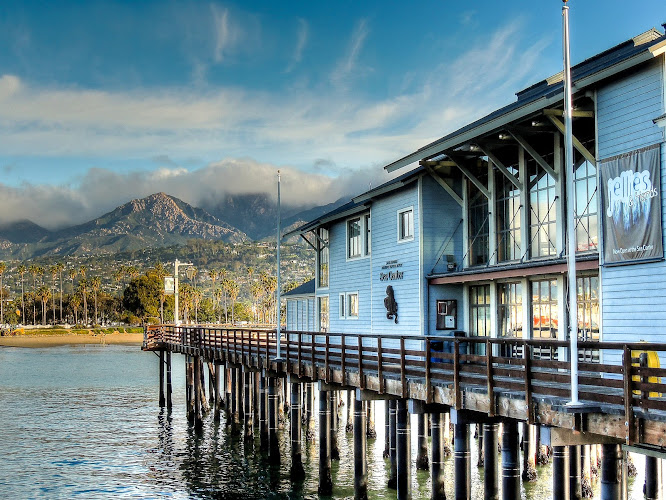
Santa Barbara Museum of Natural History Sea Center
About Santa Barbara Museum of Natural History Sea Center
Description
The Santa Barbara Museum of Natural History Sea Center sits on Stearns Wharf as an intimate, hands-on extension of the larger natural history museum, focusing squarely on the ecology and mysteries of the California coast. It’s an aquarium and science museum hybrid that emphasizes direct contact: live shark touch pools, a tidepool tank, and magnified sea specimens allow travelers to see — and sometimes feel — the organisms that shape the nearshore environment. The Sea Center leans into curiosity over spectacle. Instead of overwhelming visitors with huge tanks and elaborate shows, it invites questions, close inspection, and a slower pace of discovery.
The layout is compact, which can be a blessing. For families juggling tired kids and a full Santa Barbara day, the Sea Center delivers concentrated marine learning in a manageable visit. Exhibits rotate and staff-led programs, including guided tours, often pop up along the wharf side. It's less about 'big aquarium wow' and more about tactile learning and coastal stewardship; that distinction matters to people who actually want to understand tidepools, kelp forests, and the sharks that patrol them.
Guests will find a variety of marine life on display — hermit crabs, starfish, small sharks, anemones — plus select preserved specimens shown under magnification to reveal structures most people never notice. The center also puts a clear emphasis on local natural history and conservation: signage and interpretive staff help connect what’s seen in the tanks to broader ecological stories, like how wave energy and upwelling shape biodiversity off the Santa Barbara coast.
Practical accessibility is visible around the center: wheelchair accessible entrances and parking options are in place, and many exhibits are arranged at kid- and wheelchair-friendly heights. Payment options for admission and the modest gift shop include cards and contactless mobile payments, which is always the unsung travel convenience. Tours are offered for groups and curious visitors who want a deeper dive. And yes, the Sea Center is genuinely kid-friendly — expect hands-on moments, squishy critters, and staff who are used to enthusiastic (and sometimes squeamish) little explorers.
Key Features
- Live shark touch pools where visitors can safely feel small sharks and learn about their biology and behavior
- Tidepool tank mimicking the intertidal zone with sea stars, urchins, crabs and other intertidal species
- Magnified sea specimen displays that reveal microscopic and structural details
- Interactive touch tanks staffed by knowledgeable interpreters for hands-on learning
- Onsite tours and educational programs suitable for families, school groups, and adult learners
- Wheelchair accessible entrance and parking, with many exhibits placed at accessible heights
- Small gift shop offering field guides, local-themed souvenirs, and educational toys
- Multiple payment options including credit/debit cards and NFC mobile payments
- Good for kids — designed to keep young minds and hands engaged
- Compact, walkable exhibit layout that complements a day on Stearns Wharf and the Santa Barbara waterfront
Best Time to Visit
The Sea Center is at its best in the morning and midweek. Mornings tend to be quieter, which matters because the charm of the Sea Center is intimate exploration — clear views of tanks, time to ask staff questions, and less crowded touch pools. If travelers are on a weekend, arriving right when it opens often helps avoid the peak crowd surge later in the day, especially during summer and holiday weekends when Stearns Wharf pulls big crowds.
Seasonally, spring and early fall are sweet spots. Water temperatures are moderate, many intertidal creatures are active, and the weather in Santa Barbara is pleasant without the heavy summer foot traffic. However, if someone times a visit with low tide, there’s an extra bonus: staff-led tidepooling programs or interpretive displays can mirror what’s visible on the actual beach below the wharf. That alignment of museum and shore is delightful — again, small things matter here.
Late afternoons can be lovely too, particularly because the wharf and the Pacific light up at sunset, and the Sea Center’s compact size makes a quick, engaging stop after a day of exploring downtown. But note: late arrivals risk missing scheduled touch pool interactions or tours, so checking daily programming (posted onsite) is smart for planning.
How to Get There
The Sea Center is located on the historic Stearns Wharf, a short walk from downtown Santa Barbara. Visitors traveling from the downtown shopping district will find the wharf accessible on foot; it’s a pleasant stroll with ocean views and other attractions along the way. Those staying farther afield can expect a short drive to the wharf area — parking is available nearby but can get tight during peak tourist season, weekend events, and summer afternoons.
Public transit and ride-share are practical alternatives. Bus routes serving downtown Santa Barbara stop within easy walking distance of the wharf, and ride-share drop-offs near the pier keep the walk minimal. For travelers parking, it’s worth noting that spaces closest to the wharf fill up earliest; a short walk from a slightly further lot is often faster than circling for one prime spot.
For those who like planning every minute, timing arrival to avoid cruise ship or event crowds on the waterfront can make the visit smoother. And yes, visitors who combine the Sea Center with other wharf activities — like fishing off the pier, sampling local seafood, or a harbor walk — will find the location advantageous. It’s designed to be one stop within a compact seaside outing rather than a distant, time-consuming trip.
Tips for Visiting
The Sea Center rewards curiosity. Here are practical tips and a few insider notes that travelers — especially families — will appreciate.
- Arrive early: Mornings are quieter and perfect for touch pools. If the group wants to participate in staff-led interactions, earlier times often have more availability.
- Check programming: The Sea Center hosts mini-tours, feeding demos, and talks. If a specific experience is on the wish list, plan the visit around the posted schedule.
- Dress in layers: Santa Barbara can be breezy on the pier. Even warm days can feel cool with ocean wind, and kids especially get cold when they stop running around.
- Bring small trash-free snacks: There’s a lot to explore on the wharf, but inside the Sea Center food is limited. Eating on the wharf before or after prevents hungry melt-downs.
- Encourage gentle touch: Staff are great at coaching proper touch for delicate animals. Kids learn quickly with a gentle reminder, and the interpreters make it fun and educational.
- Pair the visit: The Sea Center is compact — pairing it with a stroll along Stearns Wharf, a harbor tour, or the larger Santa Barbara Museum of Natural History in the hills makes the day richer.
- Accessibility considerations: The center is wheelchair accessible and many displays are placed for easy viewing. If specific accommodations are needed, contacting the Sea Center ahead of time can smooth logistics.
- Gift shop buys: The gift shop carries field guides that are actually useful for tidepooling — pick one up to continue the learning on the beach.
- Budget time realistically: Most visitors spend 45–90 minutes at the Sea Center. It’s tempting to rush, but lingering at the touch tanks and chatty interpretive stations will make the experience stick.
- Mind the weather calendar: If tidepooling on the adjacent shore is on the agenda, consult a tide chart for low tide times. The Sea Center often aligns interpretive efforts with natural events.
One small anecdote the author likes to share: on a blustery spring morning, a family arrived thinking the Sea Center would be a quick stop. They lingered for nearly two hours, drawn in by an impromptu staff demo about local shark species and a tiny hermit crab that refused to be hurried. The kids went home with a new-found fascination for tidepools — and the parents left pleased that a short museum stop had become a moment of genuine learning. That’s often the Sea Center’s quiet superpower: it turns casual curiosity into a little bit of coastal literacy.
To sum up — and this is a tidy little travel truth — the Santa Barbara Museum of Natural History Sea Center is ideal for travelers who want tactile, locally focused marine education without a full-day commitment. It’s accessible, engaging, and sits right where the ocean feels immediate. For families, nature lovers, and anyone curious about the nearshore world, it’s a small stop that can leave a big impression.
Key Features
- Live shark touch pools where visitors can safely feel small sharks and learn about their biology and behavior
- Tidepool tank mimicking the intertidal zone with sea stars, urchins, crabs and other intertidal species
- Magnified sea specimen displays that reveal microscopic and structural details
- Interactive touch tanks staffed by knowledgeable interpreters for hands-on learning
- Onsite tours and educational programs suitable for families, school groups, and adult learners
- Wheelchair accessible entrance and parking, with many exhibits placed at accessible heights
- Small gift shop offering field guides, local-themed souvenirs, and educational toys
- Multiple payment options including credit/debit cards and NFC mobile payments
More Details
Updated August 30, 2025
Table of Contents
- Description
- Key Features
- Best Time to Visit
- How to Get There
- Tips for Visiting
- Key Highlights
- Location
- Places to Stay Near Santa Barbara Museum of Natural History Sea Center
- Find and Book a Tour
- Explore More Travel Guides
- Nearby Places You Might Like
- Traveler Reviews for Santa Barbara Museum of Natural History Sea Center
- Share Your Experience
Description
The Santa Barbara Museum of Natural History Sea Center sits on Stearns Wharf as an intimate, hands-on extension of the larger natural history museum, focusing squarely on the ecology and mysteries of the California coast. It’s an aquarium and science museum hybrid that emphasizes direct contact: live shark touch pools, a tidepool tank, and magnified sea specimens allow travelers to see — and sometimes feel — the organisms that shape the nearshore environment. The Sea Center leans into curiosity over spectacle. Instead of overwhelming visitors with huge tanks and elaborate shows, it invites questions, close inspection, and a slower pace of discovery.
The layout is compact, which can be a blessing. For families juggling tired kids and a full Santa Barbara day, the Sea Center delivers concentrated marine learning in a manageable visit. Exhibits rotate and staff-led programs, including guided tours, often pop up along the wharf side. It’s less about ‘big aquarium wow’ and more about tactile learning and coastal stewardship; that distinction matters to people who actually want to understand tidepools, kelp forests, and the sharks that patrol them.
Guests will find a variety of marine life on display — hermit crabs, starfish, small sharks, anemones — plus select preserved specimens shown under magnification to reveal structures most people never notice. The center also puts a clear emphasis on local natural history and conservation: signage and interpretive staff help connect what’s seen in the tanks to broader ecological stories, like how wave energy and upwelling shape biodiversity off the Santa Barbara coast.
Practical accessibility is visible around the center: wheelchair accessible entrances and parking options are in place, and many exhibits are arranged at kid- and wheelchair-friendly heights. Payment options for admission and the modest gift shop include cards and contactless mobile payments, which is always the unsung travel convenience. Tours are offered for groups and curious visitors who want a deeper dive. And yes, the Sea Center is genuinely kid-friendly — expect hands-on moments, squishy critters, and staff who are used to enthusiastic (and sometimes squeamish) little explorers.
Key Features
- Live shark touch pools where visitors can safely feel small sharks and learn about their biology and behavior
- Tidepool tank mimicking the intertidal zone with sea stars, urchins, crabs and other intertidal species
- Magnified sea specimen displays that reveal microscopic and structural details
- Interactive touch tanks staffed by knowledgeable interpreters for hands-on learning
- Onsite tours and educational programs suitable for families, school groups, and adult learners
- Wheelchair accessible entrance and parking, with many exhibits placed at accessible heights
- Small gift shop offering field guides, local-themed souvenirs, and educational toys
- Multiple payment options including credit/debit cards and NFC mobile payments
- Good for kids — designed to keep young minds and hands engaged
- Compact, walkable exhibit layout that complements a day on Stearns Wharf and the Santa Barbara waterfront
Best Time to Visit
The Sea Center is at its best in the morning and midweek. Mornings tend to be quieter, which matters because the charm of the Sea Center is intimate exploration — clear views of tanks, time to ask staff questions, and less crowded touch pools. If travelers are on a weekend, arriving right when it opens often helps avoid the peak crowd surge later in the day, especially during summer and holiday weekends when Stearns Wharf pulls big crowds.
Seasonally, spring and early fall are sweet spots. Water temperatures are moderate, many intertidal creatures are active, and the weather in Santa Barbara is pleasant without the heavy summer foot traffic. However, if someone times a visit with low tide, there’s an extra bonus: staff-led tidepooling programs or interpretive displays can mirror what’s visible on the actual beach below the wharf. That alignment of museum and shore is delightful — again, small things matter here.
Late afternoons can be lovely too, particularly because the wharf and the Pacific light up at sunset, and the Sea Center’s compact size makes a quick, engaging stop after a day of exploring downtown. But note: late arrivals risk missing scheduled touch pool interactions or tours, so checking daily programming (posted onsite) is smart for planning.
How to Get There
The Sea Center is located on the historic Stearns Wharf, a short walk from downtown Santa Barbara. Visitors traveling from the downtown shopping district will find the wharf accessible on foot; it’s a pleasant stroll with ocean views and other attractions along the way. Those staying farther afield can expect a short drive to the wharf area — parking is available nearby but can get tight during peak tourist season, weekend events, and summer afternoons.
Public transit and ride-share are practical alternatives. Bus routes serving downtown Santa Barbara stop within easy walking distance of the wharf, and ride-share drop-offs near the pier keep the walk minimal. For travelers parking, it’s worth noting that spaces closest to the wharf fill up earliest; a short walk from a slightly further lot is often faster than circling for one prime spot.
For those who like planning every minute, timing arrival to avoid cruise ship or event crowds on the waterfront can make the visit smoother. And yes, visitors who combine the Sea Center with other wharf activities — like fishing off the pier, sampling local seafood, or a harbor walk — will find the location advantageous. It’s designed to be one stop within a compact seaside outing rather than a distant, time-consuming trip.
Tips for Visiting
The Sea Center rewards curiosity. Here are practical tips and a few insider notes that travelers — especially families — will appreciate.
- Arrive early: Mornings are quieter and perfect for touch pools. If the group wants to participate in staff-led interactions, earlier times often have more availability.
- Check programming: The Sea Center hosts mini-tours, feeding demos, and talks. If a specific experience is on the wish list, plan the visit around the posted schedule.
- Dress in layers: Santa Barbara can be breezy on the pier. Even warm days can feel cool with ocean wind, and kids especially get cold when they stop running around.
- Bring small trash-free snacks: There’s a lot to explore on the wharf, but inside the Sea Center food is limited. Eating on the wharf before or after prevents hungry melt-downs.
- Encourage gentle touch: Staff are great at coaching proper touch for delicate animals. Kids learn quickly with a gentle reminder, and the interpreters make it fun and educational.
- Pair the visit: The Sea Center is compact — pairing it with a stroll along Stearns Wharf, a harbor tour, or the larger Santa Barbara Museum of Natural History in the hills makes the day richer.
- Accessibility considerations: The center is wheelchair accessible and many displays are placed for easy viewing. If specific accommodations are needed, contacting the Sea Center ahead of time can smooth logistics.
- Gift shop buys: The gift shop carries field guides that are actually useful for tidepooling — pick one up to continue the learning on the beach.
- Budget time realistically: Most visitors spend 45–90 minutes at the Sea Center. It’s tempting to rush, but lingering at the touch tanks and chatty interpretive stations will make the experience stick.
- Mind the weather calendar: If tidepooling on the adjacent shore is on the agenda, consult a tide chart for low tide times. The Sea Center often aligns interpretive efforts with natural events.
One small anecdote the author likes to share: on a blustery spring morning, a family arrived thinking the Sea Center would be a quick stop. They lingered for nearly two hours, drawn in by an impromptu staff demo about local shark species and a tiny hermit crab that refused to be hurried. The kids went home with a new-found fascination for tidepools — and the parents left pleased that a short museum stop had become a moment of genuine learning. That’s often the Sea Center’s quiet superpower: it turns casual curiosity into a little bit of coastal literacy.
To sum up — and this is a tidy little travel truth — the Santa Barbara Museum of Natural History Sea Center is ideal for travelers who want tactile, locally focused marine education without a full-day commitment. It’s accessible, engaging, and sits right where the ocean feels immediate. For families, nature lovers, and anyone curious about the nearshore world, it’s a small stop that can leave a big impression.
Key Highlights
- Live shark touch pools where visitors can safely feel small sharks and learn about their biology and behavior
- Tidepool tank mimicking the intertidal zone with sea stars, urchins, crabs and other intertidal species
- Magnified sea specimen displays that reveal microscopic and structural details
- Interactive touch tanks staffed by knowledgeable interpreters for hands-on learning
- Onsite tours and educational programs suitable for families, school groups, and adult learners
- Wheelchair accessible entrance and parking, with many exhibits placed at accessible heights
- Small gift shop offering field guides, local-themed souvenirs, and educational toys
- Multiple payment options including credit/debit cards and NFC mobile payments
Location
Places to Stay Near Santa Barbara Museum of Natural History Sea Center
Find and Book a Tour
Explore More Travel Guides
No reviews found! Be the first to review!
Traveler Reviews for Santa Barbara Museum of Natural History Sea Center
There are no reviews yet. Be the first one to write one.
Have you visited Santa Barbara Museum of Natural History Sea Center? Help other travelers by sharing your review.
You Might Also Like
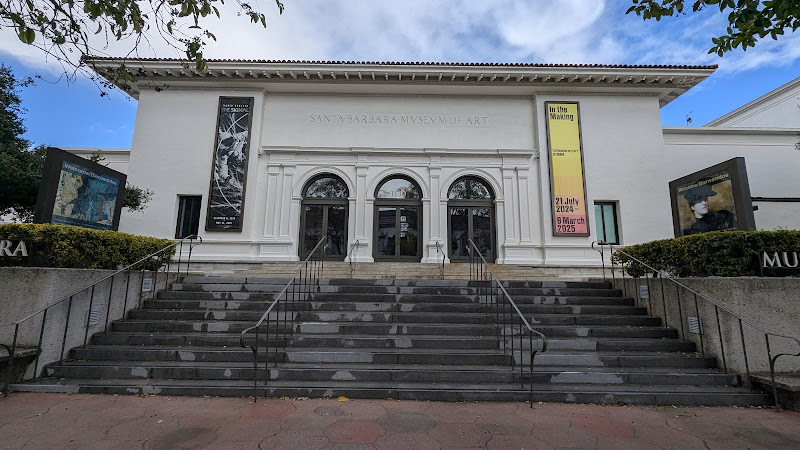
Santa Barbara Museum Of Art
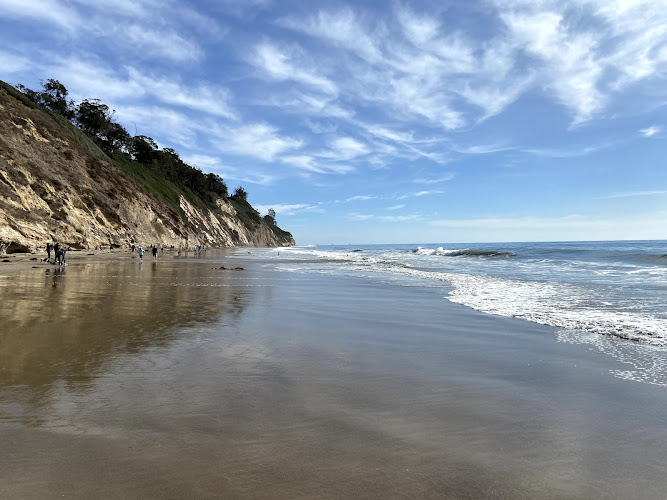
Arroyo Burro Beach County Park

Santa Barbara Parish Church
Find Accommodations Nearby
Recommended Tours & Activities
Visitor Reviews
There are no reviews yet. Be the first one to write one.
Share Your Experience
Have you visited Santa Barbara Museum of Natural History Sea Center? Help other travelers by leaving a review.