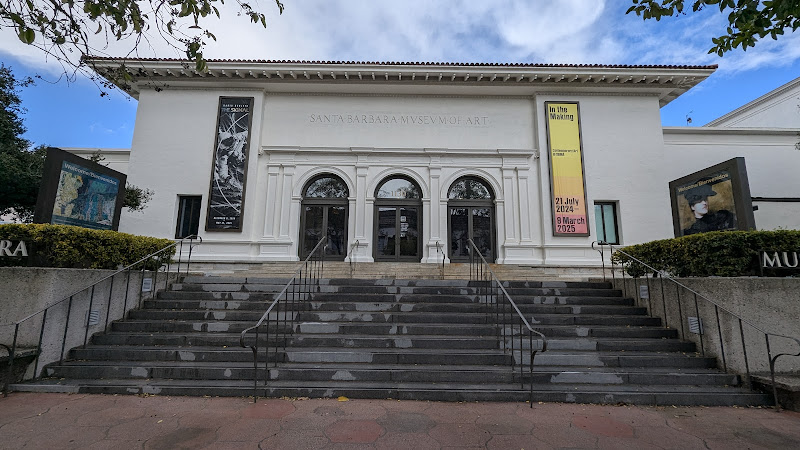
It concentrates on 20th-century Western American painting alongside an unexpectedly strong collection of modern Asian ceramics — a pairing that sometimes surprises visitors and, more often than not, sparks good conversations. The museum feels intimate rather than overwhelming: galleries are scaled for lingering, not for rushed checklist photography. That makes it a welcome contrast to larger institutions where one can easily get museum-fatigue after an hour.
Architecturally, the building wears its history lightly. Natural light filters into certain galleries, and the circulation is intuitive; even someone who gets lost in bigger museum complexes will find their way here without drama. The museum also runs changing exhibitions and occasional live performances, so there’s always something new — a thematic show, a focused monograph on a regional painter, or a ceramics retrospective that reframes what modern craft can be. The gift shop and bookstore are solid; they offer well-selected titles, exhibition catalogues, and art-inspired keepsakes that feel curated rather than souvenir-y.
The museum’s personality is quiet but assured. Curators favor depth over breadth, and the display choices reveal an institution that prefers conversations between works — a Western landscape placed opposite an Asian ceramic piece, for instance, so viewers start thinking about material, surface, and place in fresh ways. Accessibility is genuinely taken seriously: assistive hearing loops, wheelchair-friendly entrances and restrooms, and even wheelchair rentals signal that the museum has thought through practical visitor needs. Active military discounts and family-friendly programming show a community-minded approach, too.
In short, the Santa Barbara Museum Of Art is great for people who like to go slow: art lovers who want to study brushwork up close, families looking for short, meaningful cultural stops, and anyone intrigued by the cross-currents between American and Asian modern art. Expect to spend anywhere from 45 minutes to two hours depending on how stubbornly you stand in front of a painting. The author of this guide once lost an hour to a single ceramics installation — and was not even mad about it.
Best Time to Visit
Timing matters here. Mid-morning on weekdays is the sweet spot: galleries feel calm, staff are available for questions, and guided tours — when scheduled — are easy to join without overcrowding. Weekends draw more families and tourists, especially in holiday seasons, so expect a livelier atmosphere and possibly lines at special exhibitions.
For those who like cooler light and fewer people, the shoulder seasons (spring and fall) are ideal. Santa Barbara’s mild climate makes an off-peak stroll before or after the museum a pleasant option. If anyone asks, the author recommends visiting during a weekday when a live performance or curator talk is on the calendar — it adds meaning to the visit and often creates intimate moments where a small audience can ask questions and actually learn something memorable.
A practical tip: check the museum’s calendar for exhibition openings and free or discounted admission days. These can create short-term crowds, but they also offer rare programming like late openings or themed tours that make the experience feel special.
How to Get There
The museum sits in a walkable part of town, so many visitors pair it with exploring nearby streets, shops, and cafes. Public transportation serves the area well; local buses and shuttles stop within a short walk. Driving is straightforward for those who prefer it, though parking can be a little competitive during peak tourist periods. Fortunately, there are accessible parking options and a wheelchair-accessible parking lot to accommodate visitors with mobility needs.
Rideshare services and taxis are a convenient alternative, especially if planning to visit other sites that day. Biking is another pleasant option — Santa Barbara is fairly bike-friendly and the museum’s central location makes it an easy stop on a short urban route. For visitors flying in, the airport is nearby and domestic connections are frequent.
One quirky personal note: the writer once attempted to catch three cultural stops in a single afternoon — the museum, a nearby gallery, and a garden — and learned that no, that’s not realistic unless one is okay with doing everything in very small bites. Better to savor the museum and plan for another stroll afterward.
Tips for Visiting
Visitors will find the best experience by planning just a bit ahead. Here are practical, on-the-ground tips that the writer has learned from multiple museum trips — honest, slightly opinionated, but useful.
- Buy Tickets Ahead: If an exhibition looks like one to see, reserve tickets online or call ahead. Special exhibitions can sell out, and pre-purchased tickets speed entry.
- Arrive Mid-Morning: Galleries are quieter then. Late afternoons can be busier with school groups and families finishing nearby activities.
- Join a Tour: Guided tours are worth it. They’re short, clarifying, and give context that will change how visitors see certain works.
- Check Performance Schedules: If live music or a performance coincides with a visit, it’s a treat — but note that performances may change the usual gallery flow.
- Plan for No Cafe: There isn’t a restaurant inside, so plan coffee or lunch before or after. Nearby cafes make a nice pairing for post-gallery conversations.
- Use Accessibility Services: If mobility or hearing needs are a concern, contact the museum in advance. The assistive hearing loop and wheelchair rental make a big difference for some visitors.
- Bring a Notebook: For people who geek out on details (the writer included), jotting down artists’ names and catalog numbers makes later research fun and less frustrating.
- Kids & Families: The space is family-friendly. Short scavenger-hunt prompts (which families can make up) often keep kids engaged without turning the visit into a battlefield.
- Mind the Photography Rules: Flash is usually not allowed. Policies vary by exhibition, so ask before snapping photos for keepsakes.
- Look Beyond the Big Names: While occasional shows reference well-known figures like Van Gogh in thematic ways, the museum’s strengths are its regional painters and ceramic artists. Give the lesser-known works time; they repay patience.
- Plan for 60–90 Minutes: That’s a comfortable visit length. But if someone loves ceramics or Western landscapes, add extra time.
- Ask Staff Questions: Museum staff are usually happy to point out highlights, suggest routes through the galleries, or explain a piece’s historical context. Don’t be shy.
- Shop Thoughtfully: The gift shop carries exhibition catalogues and art books that are genuinely useful for those who want to dig deeper after the visit.
Finally, a small aside: art visits are personal. Two people can stand in front of the same painting and walk away thinking completely different things. That’s part of the point. The Santa Barbara Museum Of Art doesn’t insist on a single interpretation; instead, it invites visitors to form their own. If the writer had to give one last piece of advice, it would be this — leave space for surprise. Sometimes the least conspicuous work becomes the one that lingers for days afterward.
 Real Journey Travels