
Bimbia
About Bimbia
Key Features
More Details
Updated April 15, 2024
## Bimbia, Cameroon: Visiting a Powerful Historic Site Near Limbe
Bimbia sits on the Atlantic coast just southeast of Limbe in Cameroon’s Southwest Region (approx. 3.9714° N, 9.2508° E). Today it’s quiet—mangroves, surf, fishing canoes—but for centuries this shoreline linked the Gulf of Guinea to trans-Atlantic commerce and, tragically, the slave trade. The site is historically tied to the Isubu (Isuwu) people and to treaties and missions that reshaped the region in the 1800s. If you’re planning a visit from Limbe, Bimbia offers a sobering, high-impact stop that is more about reflection and learning than amenities.
### Why Bimbia Matters
Bimbia was the seat of an Isubu polity that brokered coastal trade with Europeans from at least the 16th–19th centuries. Portuguese contact dates to 1472 along the nearby Wouri estuary; over time, British traders became dominant, and the Isubu acted as middlemen in trade that included enslaved people as well as ivory and other goods. In 1844 and 1848, King William of Bimbia signed anti-slave-trade agreements with British representatives—part of a complex period when abolition efforts and commerce were tightly interwoven.
By the mid-1800s, missionary activity accelerated. In 1858, missionary Alfred Saker founded Victoria (modern-day Limbe) after acquiring land with King William’s authorization—another pivot that redirected population and power along this coast. These interactions ultimately preceded Germany’s declaration of a protectorate over Kamerun in 1884, which included Bimbia.
### Recognition and Protection Status
“Bimbia and its associated sites” has been placed on Cameroon’s UNESCO Tentative List—an official step toward potential World Heritage nomination that acknowledges the site’s historical value but does not yet confer inscription. For travelers, this signals cultural importance and ongoing documentation work; it does not guarantee on-site infrastructure. World Heritage Centre
Local and national media continue to spotlight Bimbia’s preservation needs. In August 2025, Cameroonian outlets highlighted calls from historians and officials to protect and responsibly develop the site; separate reporting the same month emphasized the urgency of safeguarding Bimbia on the International Day for the Remembrance of the Slave Trade and its Abolition. This is relevant for visitors: conditions, access points, and community initiatives may change as preservation projects advance. Guardian Post
### What You’ll See on the Ground
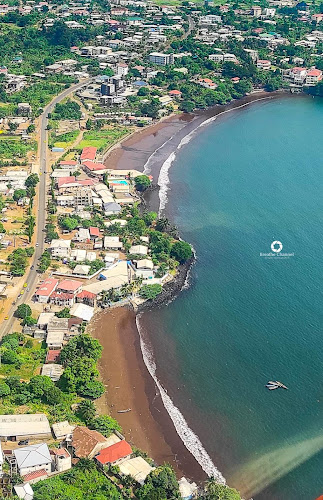
Expect a coastal forest walk toward the shore, with remains that testify to the trade era—foundations, holding areas, and a “Gate of No Return” motif used in interpretation at the waterfront. Visuals from recent international reporting and guide entries depict a mangrove-lined beach with fishing pirogues offshore and simple interpretive elements on land. Don’t expect a museum-grade visitor center; plan for a field visit where your guide’s knowledge is central. News
### Practical Visiting Advice (From Limbe)
– Base yourself in Limbe. Limbe is the closest urban gateway, with accommodations and transport options. The city’s official profile lists coordinates (approx. 4°01′ N, 9°13′ E) and a low-elevation tropical setting; it’s hot and humid, so plan for heat, sun, and rain. City Council Website
– Go with a local guide or operator. Because signage and on-site amenities are limited and trails can be muddy, a guide helps with route-finding, context, and community protocols. Several Cameroon-based tour companies operate historical day trips to Bimbia from Limbe; verify licensing and current access conditions before booking. Cameroon
– Time your visit. Mornings bring lower heat and better light along the forest path. After rain, expect slippery sections and standing water near mangroves.
– Footwear and kit. Closed-toe hiking shoes, long pants, insect repellent, water, and a small first-aid kit are sensible.
– Behavior at the site. This is a place of remembrance. Follow your guide’s lead, avoid drone use unless explicitly permitted, and ask before photographing people.
### Understanding the History You’re Walking Through
– Isubu trading networks. The Isubu forged relationships with European traders while maintaining regional alliances and rivalries along the coast. Bimbia emerged as a hub, and European manufactured goods (textiles, tools, firearms) became status markers. These dynamics, documented by historians, reshaped local governance and intensified friction with neighboring groups during the 19th century.
– Treaties and abolition efforts. British anti-slavery treaties signed by King William aimed to suppress the trade while formalizing commerce; missionaries negotiated space for churches and schools, accelerating cultural change.
– From Bimbia to Victoria (Limbe). The 1858 founding of Victoria by Alfred Saker—on land arranged with King William—shifted regional focus westward. If you’re staying in Limbe, you’re literally in the successor city to those mid-19th-century negotiations.
### Responsible Travel & Community Benefit
– Hire locally. Use Limbe-based guides and small operators who pay site fees transparently and involve community custodians. Cameroon
– Ask about conservation contributions. With preservation needs publicly documented in 2025, visitors can choose operators that contribute to trail maintenance or interpretation updates. Guardian Post
– Build a learning day. Pair Bimbia with time in Limbe to process what you’ve seen and to support local restaurants and artisans.
### Planning Notes, Limitations, and What May Be Outdated
– On-site infrastructure is evolving. Media and local stakeholders have called for improved preservation and development. Information such as ticketing points, formal opening hours, and permanent exhibits may change. Verify details the week you travel (tour companies in Limbe usually have the latest). Guardian Post
– Interpretive claims vary by source. Some online articles present large, sweeping statistics for Bimbia’s role in the trans-Atlantic trade. Treat any exact global share figures with caution unless they’re clearly attributed to peer-reviewed historical research or official documentation encountered on site. (This is a general accuracy flag—don’t rely on viral summaries.)
– UNESCO status. Bimbia is not a World Heritage Site; it is on the Tentative List, which signifies recognized potential but no inscription yet. Any source suggesting otherwise is outdated or incorrect. World Heritage Centre
### Sample Half-Day Itinerary From Limbe
1. 08:00 – Depart Limbe with a pre-booked guide (4×4 or taxi depending on road conditions).
2. 09:00 – Trailhead & forest approach. Short briefing on safety and site etiquette.
3. 09:30 – Historic remains. Visit foundations/holding areas; discuss treaty period and missionary expansion.
4. 10:30 – Shoreline reflection. Walk to the waterfront and interpret the “Gate of No Return” motif; take time for quiet reflection. News
5. 11:30 – Return to Limbe for lunch and debrief.
### When to Go
The coast is hot year-round with high humidity. Rain can render paths muddy, so dry-season windows generally offer easier walking. Even in dry months, brief downpours happen—carry water and rain protection. Limbe’s official overview underscores the area’s heat and humidity; plan accordingly. City Council Website
—
#### Bottom Line
Bimbia is one of West-Central Africa’s most significant, yet under-interpreted, places to grapple with the history of the Atlantic world. Go prepared for a modest, conservation-in-progress site: hire a knowledgeable local guide, verify current access, and give yourself space to absorb the story. You’re not visiting a polished museum—you’re walking through a landscape that still bears the imprints of treaties, missions, commerce, and forced migration, a short drive from modern-day Limbe.
Accuracy and recency notes: UNESCO listing is Tentative (checked via UNESCO and curated lists). Multiple Cameroonian outlets as of August 2025 report active preservation debates; on-site facilities may change as projects evolve. World Heritage Centre
Table of Contents
Key Highlights
Bimbia
Location
Places to Stay Near Bimbia
Find and Book a Tour
Explore More Travel Guides
No reviews found! Be the first to review!
Traveler Reviews for Bimbia
There are no reviews yet. Be the first one to write one.
Have you visited Bimbia? Help other travelers by sharing your review.
You Might Also Like
Limbe Wildlife Centre
LIFE AND EVERYTHING AFTER
Limbe
Find Accommodations Nearby
Recommended Tours & Activities
Visitor Reviews
There are no reviews yet. Be the first one to write one.
Share Your Experience
Have you visited Bimbia? Help other travelers by leaving a review.