
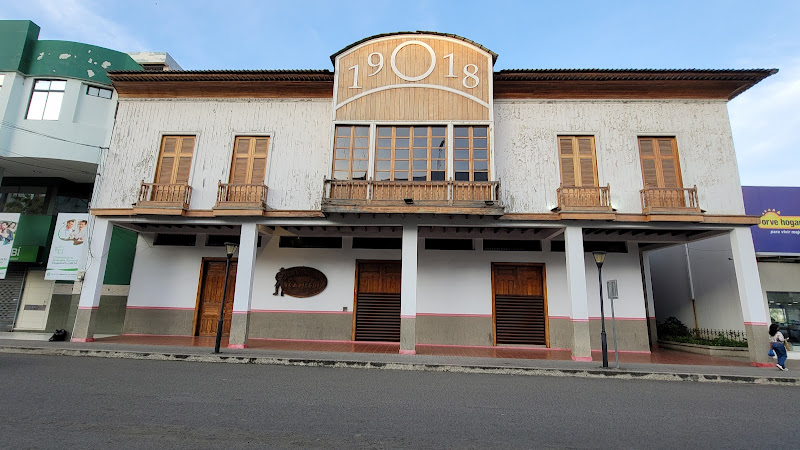
Cancebí Museum
About Cancebí Museum
Description
The Cancebí Museum in Manta is a compact, hands-on cultural museum focused on the customs and everyday life of Manabí. Rather than presenting art for art's sake, the Museo Cultural Pictórico aims to show how people lived, worked, celebrated and dressed in this coastal province over the decades. Displays include painted scenes, recreated domestic spaces, traditional clothing and objects that hint at fishing, agriculture and craft traditions. It feels less like a distant archive and more like a local neighbor telling stories in plain language.
Visitors find the layout approachable: rooms arranged by theme, clear captions and a mix of paintings, textiles and small objects. The museum serves as a municipal ethnographic center, preserving regional memory and making it readable for people who arrive with only a few hours in town. The building itself is modest, without grand marble halls, which actually helps the content breathe. This is not a pompous museum; it’s a focused cultural stop that rewards curiosity.
The museum leans into education. School groups show up regularly, and the staff work to make exhibits accessible for children and families. The space is wheelchair accessible at the entrance and has restroom facilities, which are small but functional. There is no onsite restaurant, so plan accordingly. Staff can often suggest nearby cafés or markets where visitors can follow up a museum visit with a coffee or seafood lunch.
One of the quieter pleasures is the pictórico approach: painted panels that recreate scenes of folk life. They are not museum-perfect masterpieces, but they are lively, direct and full of detail that invites slow looking. The museum mixes this pictorial storytelling with artifacts — baskets, tools, garments — and contextual notes that aim to connect objects to real lives. For travelers interested in the cultural beat of Ecuador’s coast, the Cancebí Museum offers an efficient primer on Manabí identity, one that sits comfortably between anthropology and local storytelling.
The museum also doubles as a small cultural nerve center. It occasionally hosts short workshops, talks and events tied to local celebrations. The schedule is variable, so the best move is to ask at the front desk when arriving. It’s the kind of place where a friendly staff member might pull out a local map and point to nearby cultural spots, or mention a festival that will make the whole town feel different for a weekend. That personal, human touch is part of what keeps the museum memorable.
Not everything is perfect. Some rooms feel a little dated and lighting can be uneven in places; interpretive labels are informative but sometimes brief. Yet those rough edges often add charm rather than detract — a reminder that this place is run with limited resources but genuine cultural commitment. A short visit here is likely to leave travelers better equipped to understand the local region, its customs and the everyday objects that shaped life in Manabí.
Key Features
- Focus on Manabí customs and cultural history through painted scenes and ethnographic objects
- Municipal ethnographic orientation, useful for travelers wanting local context
- Wheelchair accessible entrance making access easier for many visitors
- Family-friendly exhibits and activities that work well for kids
- Restroom facilities onsite for visitor convenience
- No onsite restaurant; nearby cafes and markets recommended
- Occasional workshops, talks and cultural events—ask staff for schedules
- Compact layout ideal for short visits or as part of a half-day cultural itinerary
Best Time to Visit
The best time to visit the Cancebí Museum is during weekday mornings, when the light in the galleries is softer and crowds are lighter. Mornings give a better chance to move through exhibits at a relaxed pace, ask questions and, if lucky, catch staff-led commentary or a small demonstration. If the trip happens on a weekend, expect more local families and school groups, which can be lively and add to the experience, but may also make the quieter, contemplative visit harder.
Seasonally, the coastal climate of Manta tends to be warm year-round. For many travelers, the drier months offer more comfortable conditions for combining a museum visit with walking around town and visiting outdoor markets. That said, the museum is an indoor refuge on hot afternoons or rainy days, and it pairs well with a longer cultural itinerary: two hours here plus a stroll through nearby plazas and artisanal shops makes for a balanced day.
Timing advice, from experience: leave time to talk to staff or volunteers. Those five-minute conversations can point out little-known objects, local legends and community memories that the labels don’t capture. The museum rewards curiosity more than a checklist attitude, so slow down and let the place reveal itself.
How to Get There
The Cancebí Museum sits within the urban fabric of Manta and is easy to reach from central neighborhoods. Local buses and small collective taxis serve the main avenues; ask for directions to the museum or to the municipal cultural center if the Spanish name is easier for drivers. From the central part of the city, a short taxi ride is typically the most straightforward option, particularly for travelers carrying bags or traveling with family. Walking is possible from nearby districts, and the route offers a nice way to see everyday life and shops along the avenues.
For visitors using ride apps or taxis, giving the museum name and Avenida 2 as reference points usually works well. Drivers in Manta tend to be familiar with municipal cultural sites. For those using public transport: hop off at major stops near the city center and expect a short walk. Wheelchair users will find an accessible entrance, though pavement conditions outside can vary, so a taxi drop-off as close as possible will be most convenient.
International travelers typically arrive by plane into Manta or nearby hubs. From the airport, a taxi or shuttle into town followed by a short local transfer is a common route. If time allows, combine the visit with other coastal attractions—Montecristi or artisanal workshops nearby—so transport arrangements feel well used and the day seems fuller than a single stop.
Tips for Visiting
Plan for a compact, thoughtful visit. The museum is not enormous, so one to two hours is usually sufficient to explore exhibits and read through labels. But if the visitor is a curious type who enjoys details, budgeting more time pays off — there are little surprises tucked into corners that a quick pass will miss.
Respect the rules about photography. Flash photography can damage pigments and textiles, so follow posted signs and ask staff if photography is allowed in specific rooms. Bring a small notebook or use a phone to jot down names of local crafts and events; those notes turn certain objects into story prompts for later exploration in markets or workshops.
There is no restaurant on site, so bring a water bottle and plan food for before or after. Ask the desk for recommendations—museum staff often point to trustworthy local cafés with good coffee and seafood specialties. If traveling with kids, mention that exhibits are kid-friendly but sometimes text-heavy; a short scavenger-game (find a hat, a fishing tool, a painted boat) makes the visit more engaging for little ones.
Accessibility matters. The entrance is wheelchair accessible, but visitors with mobility needs should request assistance if needed; some thresholds and small steps may be present inside. Restrooms are available though not extensive, so plan accordingly.
Ask about events. When the museum hosts a workshop or talk, that single addition can transform a standard visit into an experience—guarded recipes, craft demonstrations, or oral histories from local elders make the past feel alive. The schedule isn’t always posted widely, so the simple act of asking can unlock a surprise.
Buy locally. If there is a small gift table or a list of recommended local artisans, purchasing a small craft supports the community and gives a tangible reminder of the visit. Even a postcard or a printed brochure keeps the memory alive and funds local cultural work.
Pack light and dress for comfort. Coastal Manta is warm, so a light layer is useful for moving between sunlit streets and the cooler interior of the museum. Comfortable shoes make walking the surrounding avenues more pleasant, and sunscreen is a good idea if the plan includes outdoor market stops afterward.
Finally, be curious and patient. The Cancebí Museum rewards visitors who want to learn about Manabí cultural threads without the pretense of big institutions. It’s the kind of museum that expects questions and appreciates interest. Travelers who slow down, chat with staff and follow a hunch to a lesser-known painted scene will leave with sharper, more human impressions of life on Ecuador’s coast.
Key Features
- Focus on Manabí customs and cultural history through painted scenes and ethnographic objects
- Municipal ethnographic orientation, useful for travelers wanting local context
- Wheelchair accessible entrance making access easier for many visitors
- Family-friendly exhibits and activities that work well for kids
- Restroom facilities onsite for visitor convenience
- No onsite restaurant; nearby cafes and markets recommended
- Occasional workshops, talks and cultural events—ask staff for schedules
- Compact layout ideal for short visits or as part of a half-day cultural itinerary
More Details
Updated August 30, 2025
Table of Contents
Description
The Cancebí Museum in Manta is a compact, hands-on cultural museum focused on the customs and everyday life of Manabí. Rather than presenting art for art’s sake, the Museo Cultural Pictórico aims to show how people lived, worked, celebrated and dressed in this coastal province over the decades. Displays include painted scenes, recreated domestic spaces, traditional clothing and objects that hint at fishing, agriculture and craft traditions. It feels less like a distant archive and more like a local neighbor telling stories in plain language.
Visitors find the layout approachable: rooms arranged by theme, clear captions and a mix of paintings, textiles and small objects. The museum serves as a municipal ethnographic center, preserving regional memory and making it readable for people who arrive with only a few hours in town. The building itself is modest, without grand marble halls, which actually helps the content breathe. This is not a pompous museum; it’s a focused cultural stop that rewards curiosity.
The museum leans into education. School groups show up regularly, and the staff work to make exhibits accessible for children and families. The space is wheelchair accessible at the entrance and has restroom facilities, which are small but functional. There is no onsite restaurant, so plan accordingly. Staff can often suggest nearby cafés or markets where visitors can follow up a museum visit with a coffee or seafood lunch.
One of the quieter pleasures is the pictórico approach: painted panels that recreate scenes of folk life. They are not museum-perfect masterpieces, but they are lively, direct and full of detail that invites slow looking. The museum mixes this pictorial storytelling with artifacts — baskets, tools, garments — and contextual notes that aim to connect objects to real lives. For travelers interested in the cultural beat of Ecuador’s coast, the Cancebí Museum offers an efficient primer on Manabí identity, one that sits comfortably between anthropology and local storytelling.
The museum also doubles as a small cultural nerve center. It occasionally hosts short workshops, talks and events tied to local celebrations. The schedule is variable, so the best move is to ask at the front desk when arriving. It’s the kind of place where a friendly staff member might pull out a local map and point to nearby cultural spots, or mention a festival that will make the whole town feel different for a weekend. That personal, human touch is part of what keeps the museum memorable.
Not everything is perfect. Some rooms feel a little dated and lighting can be uneven in places; interpretive labels are informative but sometimes brief. Yet those rough edges often add charm rather than detract — a reminder that this place is run with limited resources but genuine cultural commitment. A short visit here is likely to leave travelers better equipped to understand the local region, its customs and the everyday objects that shaped life in Manabí.
Key Features
- Focus on Manabí customs and cultural history through painted scenes and ethnographic objects
- Municipal ethnographic orientation, useful for travelers wanting local context
- Wheelchair accessible entrance making access easier for many visitors
- Family-friendly exhibits and activities that work well for kids
- Restroom facilities onsite for visitor convenience
- No onsite restaurant; nearby cafes and markets recommended
- Occasional workshops, talks and cultural events—ask staff for schedules
- Compact layout ideal for short visits or as part of a half-day cultural itinerary
Best Time to Visit
The best time to visit the Cancebí Museum is during weekday mornings, when the light in the galleries is softer and crowds are lighter. Mornings give a better chance to move through exhibits at a relaxed pace, ask questions and, if lucky, catch staff-led commentary or a small demonstration. If the trip happens on a weekend, expect more local families and school groups, which can be lively and add to the experience, but may also make the quieter, contemplative visit harder.
Seasonally, the coastal climate of Manta tends to be warm year-round. For many travelers, the drier months offer more comfortable conditions for combining a museum visit with walking around town and visiting outdoor markets. That said, the museum is an indoor refuge on hot afternoons or rainy days, and it pairs well with a longer cultural itinerary: two hours here plus a stroll through nearby plazas and artisanal shops makes for a balanced day.
Timing advice, from experience: leave time to talk to staff or volunteers. Those five-minute conversations can point out little-known objects, local legends and community memories that the labels don’t capture. The museum rewards curiosity more than a checklist attitude, so slow down and let the place reveal itself.
How to Get There
The Cancebí Museum sits within the urban fabric of Manta and is easy to reach from central neighborhoods. Local buses and small collective taxis serve the main avenues; ask for directions to the museum or to the municipal cultural center if the Spanish name is easier for drivers. From the central part of the city, a short taxi ride is typically the most straightforward option, particularly for travelers carrying bags or traveling with family. Walking is possible from nearby districts, and the route offers a nice way to see everyday life and shops along the avenues.
For visitors using ride apps or taxis, giving the museum name and Avenida 2 as reference points usually works well. Drivers in Manta tend to be familiar with municipal cultural sites. For those using public transport: hop off at major stops near the city center and expect a short walk. Wheelchair users will find an accessible entrance, though pavement conditions outside can vary, so a taxi drop-off as close as possible will be most convenient.
International travelers typically arrive by plane into Manta or nearby hubs. From the airport, a taxi or shuttle into town followed by a short local transfer is a common route. If time allows, combine the visit with other coastal attractions—Montecristi or artisanal workshops nearby—so transport arrangements feel well used and the day seems fuller than a single stop.
Tips for Visiting
Plan for a compact, thoughtful visit. The museum is not enormous, so one to two hours is usually sufficient to explore exhibits and read through labels. But if the visitor is a curious type who enjoys details, budgeting more time pays off — there are little surprises tucked into corners that a quick pass will miss.
Respect the rules about photography. Flash photography can damage pigments and textiles, so follow posted signs and ask staff if photography is allowed in specific rooms. Bring a small notebook or use a phone to jot down names of local crafts and events; those notes turn certain objects into story prompts for later exploration in markets or workshops.
There is no restaurant on site, so bring a water bottle and plan food for before or after. Ask the desk for recommendations—museum staff often point to trustworthy local cafés with good coffee and seafood specialties. If traveling with kids, mention that exhibits are kid-friendly but sometimes text-heavy; a short scavenger-game (find a hat, a fishing tool, a painted boat) makes the visit more engaging for little ones.
Accessibility matters. The entrance is wheelchair accessible, but visitors with mobility needs should request assistance if needed; some thresholds and small steps may be present inside. Restrooms are available though not extensive, so plan accordingly.
Ask about events. When the museum hosts a workshop or talk, that single addition can transform a standard visit into an experience—guarded recipes, craft demonstrations, or oral histories from local elders make the past feel alive. The schedule isn’t always posted widely, so the simple act of asking can unlock a surprise.
Buy locally. If there is a small gift table or a list of recommended local artisans, purchasing a small craft supports the community and gives a tangible reminder of the visit. Even a postcard or a printed brochure keeps the memory alive and funds local cultural work.
Pack light and dress for comfort. Coastal Manta is warm, so a light layer is useful for moving between sunlit streets and the cooler interior of the museum. Comfortable shoes make walking the surrounding avenues more pleasant, and sunscreen is a good idea if the plan includes outdoor market stops afterward.
Finally, be curious and patient. The Cancebí Museum rewards visitors who want to learn about Manabí cultural threads without the pretense of big institutions. It’s the kind of museum that expects questions and appreciates interest. Travelers who slow down, chat with staff and follow a hunch to a lesser-known painted scene will leave with sharper, more human impressions of life on Ecuador’s coast.
Key Highlights
- Focus on Manabí customs and cultural history through painted scenes and ethnographic objects
- Municipal ethnographic orientation, useful for travelers wanting local context
- Wheelchair accessible entrance making access easier for many visitors
- Family-friendly exhibits and activities that work well for kids
- Restroom facilities onsite for visitor convenience
- No onsite restaurant; nearby cafes and markets recommended
- Occasional workshops, talks and cultural events—ask staff for schedules
- Compact layout ideal for short visits or as part of a half-day cultural itinerary
Location
Places to Stay Near Cancebí Museum
Find and Book a Tour
Explore More Travel Guides
No reviews found! Be the first to review!
Traveler Reviews for Cancebí Museum
There are no reviews yet. Be the first one to write one.
Have you visited Cancebí Museum? Help other travelers by sharing your review.
Find Accommodations Nearby
Recommended Tours & Activities
Visitor Reviews
There are no reviews yet. Be the first one to write one.
Share Your Experience
Have you visited Cancebí Museum? Help other travelers by leaving a review.