
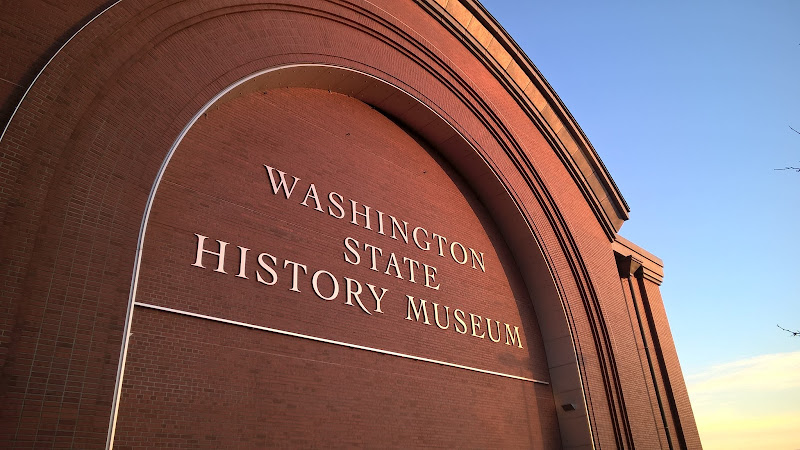
Washington State History Museum
About Washington State History Museum
Description
The Washington State History Museum in Tacoma presents Washington state history in a way that quietly insists visitors pay attention. Rather than a dry parade of dates and dust, the museum mixes storytelling, artifacts, and high-tech displays — including an impressively large model railroad that tends to steal the show — to trace the story of the region from the lives of Indigenous communities through the industrial age to the present day. The place is built around making history feel tangible, sometimes playful, sometimes sobering, but rarely dull.
Travelers who love museums because they like to poke and prod will be pleased. Interactive exhibits invite touch and curiosity; screens and projection-based displays add layers of context without shouting at the visitor. Expect to see hands-on stations for kids, immersive narrative galleries for adults, and rotating installations that highlight contemporary issues and seldom-told stories. The museum functions as both a public history center and as a kind of civic memory box, holding objects and stories that matter to the people of Washington state.
One visiting parent described the model railroad as a small theatrical production. Trains wind through miniature towns, past tiny depictions of local industries, and under tiny bridges — and yes, it is deliberately engineered to delight kids while giving grown-ups a neat, condensed view of regional development. The model railroad is also a neat example of how the museum blends old-school charm with modern interpretation. While some displays rely on classic artifact curation, many have been digitally enhanced: augmented timelines, projection mapping, and touchscreens that let visitors dig deeper into topics that interest them.
Accessibility is a clear priority. The museum offers a wheelchair accessible entrance, parking, restrooms, and seating, and it strives to be a place families and visitors with varying mobility can enjoy without a lot of fuss. Gender-neutral restrooms and changing tables make it easier for families traveling with little ones, and the mix of theatre programming and live performances means the museum can feel both like a classroom and a small-town performing arts venue on certain days.
Practical amenities are present and useful. Onsite parking is available, though there is a paid lot nearby for busier days, and the museum offers Wi-Fi, a gift shop filled with locally made goods and history-inspired mementos, and a small restaurant area or café where one can regroup between galleries. Tours are offered for those who want a guided experience rather than wandering solo. There is an admission fee, but the museum also recognizes community service by providing active military discounts; that tends to matter to travelers who are mindful of budget and benefits.
What sets this museum apart is how it situates Washington state history within contemporary life. Exhibits do not solely dwell on the past as something sealed off; they emphasize connections to policy, culture, and the environment today. Topics like migration, industry, and the relationship between people and the landscape come up again and again. Native and Indigenous history appears in focused sections and through artifacts and interpretive media that attempt, increasingly, to present those stories with appropriate depth and respect. The museum is part of the larger effort in the Pacific Northwest to present a fuller, more honest historical record, and that effort is visible on the floor and in the program listings.
The Washington State History Museum is also event-minded. Live performances, film screenings, and speaker series animate the space; sometimes these are small and intimate, sometimes larger community events. This makes the museum a predictable stop for travelers who enjoy catching local programming in the afternoon or evening. The onsite theater is used for films and lectures; for a visitor on a short itinerary, a single exhibit plus a 45-minute film can form a perfectly satisfying cultural interlude between errands and dinner plans.
Families tend to rate the experience highly because the museum balances content and entertainment well. There are designated spaces for hands-on learning that keep restless little ones engaged while the adults read labels and linger over artifacts. The museum staff often curate kid-friendly trails or activity sheets during school holiday periods, which is handy for travelers passing through with children. And while some exhibits are geared toward a more academic or archival sensibility, many of those same exhibits include entry points for beginners: timelines, audiovisual summaries, and staff-friendly explanations that make complex topics approachable.
On the other hand, a visitor expecting a minimal, contemplative museum might find the museum occasionally noisy and busy — especially on days with special events or school programs. That said, the design of the space tends to create pockets of calm; small alcoves and quieter display cases allow someone who wants to linger in reflection to do so. The museum strikes a pragmatic balance between accessibility and depth; it caters to both the casual traveler and the history buff who wants more than just a surface-level rundown.
For visitors who like to plan, tours are worth considering. A guided tour can pull threads across exhibits that are less obvious to a first-time visitor, and docents will often point out small artifacts or interpretive moments that quietly change how one understands the larger story. The museum's programming schedule, which includes occasional themed nights and live performance events, means that a traveler who checks timing might find an evening show or lecture that aligns with their trip. Food options on site make it easy to spend several hours without leaving, which many travelers appreciate; it's one of those places where a half-day visit often turns into a full afternoon.
The gift shop is not merely an afterthought. It emphasizes regional makers and history-focused products, so picking up a postcard, a kids' book about local geography, or a reproduction artifact is both convenient and charming. For travelers who like to bring back something meaningful — not just the usual tourist trinket — the shop tends to deliver. And the theater sometimes screens short films that are unique to the museum, which is a pleasant way to absorb context while sitting down for a bit.
Something that doesn't always make the quick guidebooks but matters to certain visitors: the museum has actively tried to be responsive to community concerns. That shows up in rotating exhibits that spotlight underrepresented stories and in programming that invites public dialogue. Travelers who look for museums that are engaged in ongoing conversations about history and civic life will likely be intrigued by the museum's approach. It is not perfect, and like any institution it receives a mix of reactions from visitors, but it does aim to be thoughtful rather than complacent.
Locationally, the museum sits along Pacific Avenue in Tacoma and is part of a cluster of cultural institutions. That makes it easy to combine a museum visit with a walk around downtown or a quick coffee stop at a local café. For travelers who enjoy museum-hopping or who prefer to base a day around a cultural district, this is convenient. It is also why the museum feels like a natural stop for day-trippers from nearby cities who want to dig into the historical roots of the Puget Sound region without committing to an all-day itinerary.
Overall, the Washington State History Museum in Tacoma offers a layered experience: accessible for families and casual visitors, deep enough for history lovers, and active in community-oriented programming. It presents Washington state history through modern exhibit techniques and a few delightful surprises — most notably the large model railroad — and it takes accessibility and family needs seriously. A traveler seeking a thoughtful, well-presented snapshot of Washington's past and present will find it a worthwhile stop. Best to leave some extra time; people tend to linger longer than they plan, and that model railroad is a deceptively magnetic little thing that draws more than just kids.
Key Features
More Details
Updated August 30, 2025
Table of Contents
Description
The Washington State History Museum in Tacoma presents Washington state history in a way that quietly insists visitors pay attention. Rather than a dry parade of dates and dust, the museum mixes storytelling, artifacts, and high-tech displays — including an impressively large model railroad that tends to steal the show — to trace the story of the region from the lives of Indigenous communities through the industrial age to the present day. The place is built around making history feel tangible, sometimes playful, sometimes sobering, but rarely dull.
Travelers who love museums because they like to poke and prod will be pleased. Interactive exhibits invite touch and curiosity; screens and projection-based displays add layers of context without shouting at the visitor. Expect to see hands-on stations for kids, immersive narrative galleries for adults, and rotating installations that highlight contemporary issues and seldom-told stories. The museum functions as both a public history center and as a kind of civic memory box, holding objects and stories that matter to the people of Washington state.
One visiting parent described the model railroad as a small theatrical production. Trains wind through miniature towns, past tiny depictions of local industries, and under tiny bridges — and yes, it is deliberately engineered to delight kids while giving grown-ups a neat, condensed view of regional development. The model railroad is also a neat example of how the museum blends old-school charm with modern interpretation. While some displays rely on classic artifact curation, many have been digitally enhanced: augmented timelines, projection mapping, and touchscreens that let visitors dig deeper into topics that interest them.
Accessibility is a clear priority. The museum offers a wheelchair accessible entrance, parking, restrooms, and seating, and it strives to be a place families and visitors with varying mobility can enjoy without a lot of fuss. Gender-neutral restrooms and changing tables make it easier for families traveling with little ones, and the mix of theatre programming and live performances means the museum can feel both like a classroom and a small-town performing arts venue on certain days.
Practical amenities are present and useful. Onsite parking is available, though there is a paid lot nearby for busier days, and the museum offers Wi-Fi, a gift shop filled with locally made goods and history-inspired mementos, and a small restaurant area or café where one can regroup between galleries. Tours are offered for those who want a guided experience rather than wandering solo. There is an admission fee, but the museum also recognizes community service by providing active military discounts; that tends to matter to travelers who are mindful of budget and benefits.
What sets this museum apart is how it situates Washington state history within contemporary life. Exhibits do not solely dwell on the past as something sealed off; they emphasize connections to policy, culture, and the environment today. Topics like migration, industry, and the relationship between people and the landscape come up again and again. Native and Indigenous history appears in focused sections and through artifacts and interpretive media that attempt, increasingly, to present those stories with appropriate depth and respect. The museum is part of the larger effort in the Pacific Northwest to present a fuller, more honest historical record, and that effort is visible on the floor and in the program listings.
The Washington State History Museum is also event-minded. Live performances, film screenings, and speaker series animate the space; sometimes these are small and intimate, sometimes larger community events. This makes the museum a predictable stop for travelers who enjoy catching local programming in the afternoon or evening. The onsite theater is used for films and lectures; for a visitor on a short itinerary, a single exhibit plus a 45-minute film can form a perfectly satisfying cultural interlude between errands and dinner plans.
Families tend to rate the experience highly because the museum balances content and entertainment well. There are designated spaces for hands-on learning that keep restless little ones engaged while the adults read labels and linger over artifacts. The museum staff often curate kid-friendly trails or activity sheets during school holiday periods, which is handy for travelers passing through with children. And while some exhibits are geared toward a more academic or archival sensibility, many of those same exhibits include entry points for beginners: timelines, audiovisual summaries, and staff-friendly explanations that make complex topics approachable.
On the other hand, a visitor expecting a minimal, contemplative museum might find the museum occasionally noisy and busy — especially on days with special events or school programs. That said, the design of the space tends to create pockets of calm; small alcoves and quieter display cases allow someone who wants to linger in reflection to do so. The museum strikes a pragmatic balance between accessibility and depth; it caters to both the casual traveler and the history buff who wants more than just a surface-level rundown.
For visitors who like to plan, tours are worth considering. A guided tour can pull threads across exhibits that are less obvious to a first-time visitor, and docents will often point out small artifacts or interpretive moments that quietly change how one understands the larger story. The museum’s programming schedule, which includes occasional themed nights and live performance events, means that a traveler who checks timing might find an evening show or lecture that aligns with their trip. Food options on site make it easy to spend several hours without leaving, which many travelers appreciate; it’s one of those places where a half-day visit often turns into a full afternoon.
The gift shop is not merely an afterthought. It emphasizes regional makers and history-focused products, so picking up a postcard, a kids’ book about local geography, or a reproduction artifact is both convenient and charming. For travelers who like to bring back something meaningful — not just the usual tourist trinket — the shop tends to deliver. And the theater sometimes screens short films that are unique to the museum, which is a pleasant way to absorb context while sitting down for a bit.
Something that doesn’t always make the quick guidebooks but matters to certain visitors: the museum has actively tried to be responsive to community concerns. That shows up in rotating exhibits that spotlight underrepresented stories and in programming that invites public dialogue. Travelers who look for museums that are engaged in ongoing conversations about history and civic life will likely be intrigued by the museum’s approach. It is not perfect, and like any institution it receives a mix of reactions from visitors, but it does aim to be thoughtful rather than complacent.
Locationally, the museum sits along Pacific Avenue in Tacoma and is part of a cluster of cultural institutions. That makes it easy to combine a museum visit with a walk around downtown or a quick coffee stop at a local café. For travelers who enjoy museum-hopping or who prefer to base a day around a cultural district, this is convenient. It is also why the museum feels like a natural stop for day-trippers from nearby cities who want to dig into the historical roots of the Puget Sound region without committing to an all-day itinerary.
Overall, the Washington State History Museum in Tacoma offers a layered experience: accessible for families and casual visitors, deep enough for history lovers, and active in community-oriented programming. It presents Washington state history through modern exhibit techniques and a few delightful surprises — most notably the large model railroad — and it takes accessibility and family needs seriously. A traveler seeking a thoughtful, well-presented snapshot of Washington’s past and present will find it a worthwhile stop. Best to leave some extra time; people tend to linger longer than they plan, and that model railroad is a deceptively magnetic little thing that draws more than just kids.
Key Highlights
Washington State History Museum
Location
Places to Stay Near Washington State History Museum
Find and Book a Tour
Explore More Travel Guides
No reviews found! Be the first to review!
Traveler Reviews for Washington State History Museum
There are no reviews yet. Be the first one to write one.
Have you visited Washington State History Museum? Help other travelers by sharing your review.
You Might Also Like
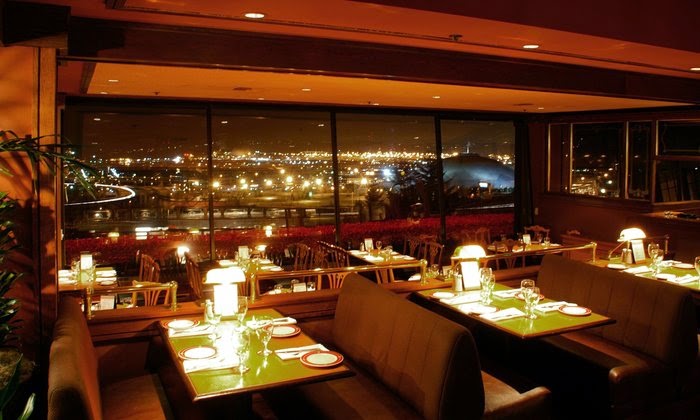
Stanley & Seafort's
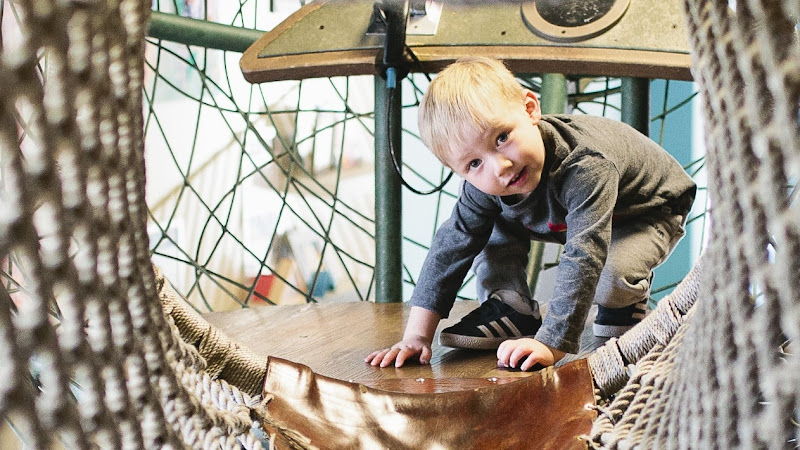
Children's Museum of Tacoma
Chihuly Bridge of Glass
Find Accommodations Nearby
Recommended Tours & Activities
Visitor Reviews
There are no reviews yet. Be the first one to write one.
Share Your Experience
Have you visited Washington State History Museum? Help other travelers by leaving a review.