
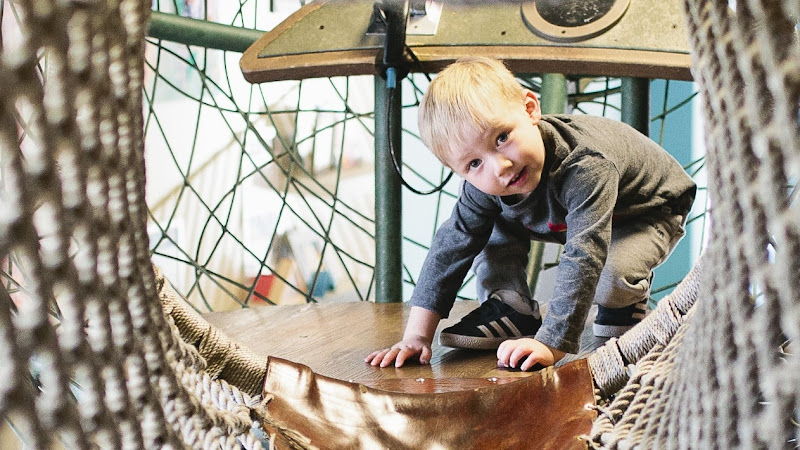
Children’s Museum of Tacoma
About Children’s Museum of Tacoma
Description
The Children's Museum of Tacoma sits in downtown Tacoma near Pacific Avenue and offers five distinct playscapes designed to spark curiosity, messy creativity, and plain-old play. It presents an approach to hands-on exploration that blends early learning, art-making, and physical play into compact, rotating experiences that appeal to preschoolers and elementary-aged children. The museum identifies as women-owned and operates with a clear family-first mission; staff tend to foreground inclusive practices — it is known locally as LGBTQ+ friendly and a transgender safe space — so families from varied backgrounds often report feeling welcome.
Exhibits are intentionally tactile. The five playscapes change periodically, so one visit might center on water play and building towers, while another could focus on light, shadow, or an art studio where kids paint, stamp, and glue with abandon. There are active learning moments tucked into the fun: water tables teach cause-and-effect, building stations suggest basic engineering, and art tables promote motor skills and creativity. Live performances and scheduled programs add a theatrical element that often delights small audiences; these are short, engaging shows and demonstrations designed for young attention spans.
Practical features matter here. A small café area and Wi-Fi make it easier for caregivers who need a moment to regroup; restrooms include changing tables and are accessible. There is a clear effort to serve a broad spectrum of visitors: wheelchair-accessible entrances, parking, and restrooms are available, and wheelchair rental can be arranged in advance. The museum charges admission, but there are discounts for active military families and periodic free or low-cost community days. The visitor experience leans toward high-touch interactivity rather than passive observation—kids are encouraged to touch, build, and experiment. That can mean noise and energy (and, yes, glitter) but that’s kind of the point.
Travelers who come from nearby cities often pair a visit here with other downtown Tacoma attractions. The location on or near Pacific Avenue makes it convenient for short stays; parking is available but can fill up during weekend peaks or during seasonal events. The museum staff usually rotate exhibits with community partnerships and special events, which keeps the offerings fresh for repeat visitors. While some of the hands-on elements are best suited to younger children, older siblings often find the science and discovery corners intriguing as well.
As with many well-loved children’s venues, the museum experiences a range of visitor feedback. Many families praise the imaginative layouts and the friendly, helpful staff. At the same time, some visitors note that popular hours get crowded and that certain exhibits can feel smaller when full. Still, the overall impression is of a local institution that prioritizes playful learning and community connection, delivering memorable moments for families who bring a little patience and an appetite for creative chaos.
Key Features
- Five rotating playscapes focused on hands-on exploration and early learning
- Interactive, tactile exhibits including water play, building stations, and an art studio
- Live performances and scheduled programs appropriate for young audiences
- Women-owned organization with community-focused programming
- Active military discounts available on admission
- Wheelchair-accessible entrance, parking, restrooms, and wheelchair rental
- On-site café area, Wi-Fi, and family-friendly restrooms with changing tables
- Playground-style zones that promote gross motor skills and imaginative play
- Safe and welcoming environment that is LGBTQ+ friendly and designated as a transgender safe space
- Admission fee supports museum operations and rotating exhibits
Best Time to Visit
The best time to visit the Children's Museum of Tacoma depends on priorities. For quieter exploration, weekday mornings right when doors open are usually the calmest; families with toddlers and preschoolers often snag the early slot to enjoy activities before larger groups arrive. If the family wants the extra buzz of live performances, mid-morning to early afternoon on weekends is when scheduled shows typically happen, but expect more crowds then.
Season matters. Summer brings special programming and often new or expanded playscapes, which is great if the goal is novelty and lots of activities. But summer weekends are busiest. Off-peak times like late fall or mid-winter weekdays can deliver relaxed access to favorites and shorter waits for popular stations. Many parents also factor in local school schedules: school holidays produce spikes in visitor numbers, so plan ahead during those weeks if avoiding lines matters to you.
If the group includes mobility-challenged family members or anyone sensitive to noise, the museum sometimes offers low-sensory or quiet hours; call ahead to confirm. Also, military families who want to use a discount should check the museum’s calendar and admission policy beforehand to avoid surprises at the door.
How to Get There
Arriving to the museum is straightforward for most travelers. It sits in downtown Tacoma close to Pacific Avenue, which puts it within walking distance of many hotels and restaurants. For drivers, municipal parking lots and street parking exist in the area; still, during weekend mornings and holiday events it can be wise to arrive early or allow extra time to find a good parking spot. If a visitor prefers transit, local buses serve downtown Tacoma with stops near Pacific Avenue, making car-free trips feasible.
Those coming from Seattle or nearby suburbs can drive across the Tacoma Narrows Bridge or take I-5; travel times can vary with rush hours, so factoring in traffic is prudent. Rideshare services and taxis are common downtown and drop-off points are convenient. For families traveling with strollers or wheelchairs, accessible drop-off zones and entrances make entrance smoother than one might expect for an urban museum.
Parking tips: check the museum’s website or call before arrival for recommended lots and any evening or event restrictions. If visiting during a holiday weekend or during a special event in downtown Tacoma, consider parking a short distance away and enjoying a brief walk — sometimes that’s easier and less stressful than circling for a closer spot.
Tips for Visiting
Plan with little ones in mind. The museum’s playscapes are highest-impact when families allow time: plan at least two hours to explore without rushing. Quick visits are possible, but children often warm up to exhibits after a bit of wandering. Bring a change of clothes if a water play area is in rotation; it’s not over-the-top advice — the writer once saw a very proud three-year-old engineer an entire dam and totally soak their pants. That’s part of the charm, but also part of being prepared.
Buy tickets ahead of time when possible. Reservations can save a lot of waiting, especially on weekends and during special programming. If the museum publishes a daily schedule for performances and hands-on demonstrations, use it to time the day so kids catch the shows that interest them most. Arrive a bit before a scheduled performance to secure seats and settle in.
Travel light but smart. A small backpack with snacks, a refillable water bottle, wipes, and a portable first-aid kit goes a long way. While the museum has restrooms and changing tables, a familiar snack can calm a cranky child and keep the visit enjoyable for everyone. Many caregivers appreciate bringing a small towel or a spare shirt if water activities are expected.
Embrace the mess and encourage exploration. Staff tend to encourage touching, building, and experimenting — the experience is designed that way. If conservation or fragility is a concern, the instructors and volunteers often guide kids on how to handle materials and clean up after activities. Teach-and-help moments are part of the fun and help kids learn responsibility for shared spaces.
Be mindful of crowds. Peak times can lead to waiting for popular installations. If patience is limited, consider splitting up: one caregiver can explore a high-demand station while another watches a calmer zone or enjoys the café area. For families with mixed-age kids, scout out quieter corners for toddlers while older kids rotate through busier exhibits.
Accessibility and comfort: visitors using wheelchairs should notify staff upon arrival for the smoothest experience; wheelchair rentals are available if arranged. If anyone in the group needs low-sensory accommodations, call ahead to confirm quiet hours or reduced-capacity sessions. Staff are typically accommodating and can suggest the best times and routes through exhibits.
Lastly, give the museum a little time to work its magic. The place often rewards repeat visits because exhibits rotate and programming changes with community partnerships. Travelers who find themselves in Tacoma for a few days will often get the most value by scheduling the museum on a day when energy levels are high and schedules are flexible. And yes—bring a camera. While kids are focused on play, those candid moments of discovery make the best travel memories.
Key Features
- Five rotating playscapes focused on hands-on exploration and early learning
- Interactive, tactile exhibits including water play, building stations, and an art studio
- Live performances and scheduled programs appropriate for young audiences
- Women-owned organization with community-focused programming
- Active military discounts available on admission
- Wheelchair-accessible entrance, parking, restrooms, and wheelchair rental
- On-site café area, Wi-Fi, and family-friendly restrooms with changing tables
- Playground-style zones that promote gross motor skills and imaginative play
More Details
Updated August 30, 2025
Table of Contents
Description
The Children’s Museum of Tacoma sits in downtown Tacoma near Pacific Avenue and offers five distinct playscapes designed to spark curiosity, messy creativity, and plain-old play. It presents an approach to hands-on exploration that blends early learning, art-making, and physical play into compact, rotating experiences that appeal to preschoolers and elementary-aged children. The museum identifies as women-owned and operates with a clear family-first mission; staff tend to foreground inclusive practices — it is known locally as LGBTQ+ friendly and a transgender safe space — so families from varied backgrounds often report feeling welcome.
Exhibits are intentionally tactile. The five playscapes change periodically, so one visit might center on water play and building towers, while another could focus on light, shadow, or an art studio where kids paint, stamp, and glue with abandon. There are active learning moments tucked into the fun: water tables teach cause-and-effect, building stations suggest basic engineering, and art tables promote motor skills and creativity. Live performances and scheduled programs add a theatrical element that often delights small audiences; these are short, engaging shows and demonstrations designed for young attention spans.
Practical features matter here. A small café area and Wi-Fi make it easier for caregivers who need a moment to regroup; restrooms include changing tables and are accessible. There is a clear effort to serve a broad spectrum of visitors: wheelchair-accessible entrances, parking, and restrooms are available, and wheelchair rental can be arranged in advance. The museum charges admission, but there are discounts for active military families and periodic free or low-cost community days. The visitor experience leans toward high-touch interactivity rather than passive observation—kids are encouraged to touch, build, and experiment. That can mean noise and energy (and, yes, glitter) but that’s kind of the point.
Travelers who come from nearby cities often pair a visit here with other downtown Tacoma attractions. The location on or near Pacific Avenue makes it convenient for short stays; parking is available but can fill up during weekend peaks or during seasonal events. The museum staff usually rotate exhibits with community partnerships and special events, which keeps the offerings fresh for repeat visitors. While some of the hands-on elements are best suited to younger children, older siblings often find the science and discovery corners intriguing as well.
As with many well-loved children’s venues, the museum experiences a range of visitor feedback. Many families praise the imaginative layouts and the friendly, helpful staff. At the same time, some visitors note that popular hours get crowded and that certain exhibits can feel smaller when full. Still, the overall impression is of a local institution that prioritizes playful learning and community connection, delivering memorable moments for families who bring a little patience and an appetite for creative chaos.
Key Features
- Five rotating playscapes focused on hands-on exploration and early learning
- Interactive, tactile exhibits including water play, building stations, and an art studio
- Live performances and scheduled programs appropriate for young audiences
- Women-owned organization with community-focused programming
- Active military discounts available on admission
- Wheelchair-accessible entrance, parking, restrooms, and wheelchair rental
- On-site café area, Wi-Fi, and family-friendly restrooms with changing tables
- Playground-style zones that promote gross motor skills and imaginative play
- Safe and welcoming environment that is LGBTQ+ friendly and designated as a transgender safe space
- Admission fee supports museum operations and rotating exhibits
Best Time to Visit
The best time to visit the Children’s Museum of Tacoma depends on priorities. For quieter exploration, weekday mornings right when doors open are usually the calmest; families with toddlers and preschoolers often snag the early slot to enjoy activities before larger groups arrive. If the family wants the extra buzz of live performances, mid-morning to early afternoon on weekends is when scheduled shows typically happen, but expect more crowds then.
Season matters. Summer brings special programming and often new or expanded playscapes, which is great if the goal is novelty and lots of activities. But summer weekends are busiest. Off-peak times like late fall or mid-winter weekdays can deliver relaxed access to favorites and shorter waits for popular stations. Many parents also factor in local school schedules: school holidays produce spikes in visitor numbers, so plan ahead during those weeks if avoiding lines matters to you.
If the group includes mobility-challenged family members or anyone sensitive to noise, the museum sometimes offers low-sensory or quiet hours; call ahead to confirm. Also, military families who want to use a discount should check the museum’s calendar and admission policy beforehand to avoid surprises at the door.
How to Get There
Arriving to the museum is straightforward for most travelers. It sits in downtown Tacoma close to Pacific Avenue, which puts it within walking distance of many hotels and restaurants. For drivers, municipal parking lots and street parking exist in the area; still, during weekend mornings and holiday events it can be wise to arrive early or allow extra time to find a good parking spot. If a visitor prefers transit, local buses serve downtown Tacoma with stops near Pacific Avenue, making car-free trips feasible.
Those coming from Seattle or nearby suburbs can drive across the Tacoma Narrows Bridge or take I-5; travel times can vary with rush hours, so factoring in traffic is prudent. Rideshare services and taxis are common downtown and drop-off points are convenient. For families traveling with strollers or wheelchairs, accessible drop-off zones and entrances make entrance smoother than one might expect for an urban museum.
Parking tips: check the museum’s website or call before arrival for recommended lots and any evening or event restrictions. If visiting during a holiday weekend or during a special event in downtown Tacoma, consider parking a short distance away and enjoying a brief walk — sometimes that’s easier and less stressful than circling for a closer spot.
Tips for Visiting
Plan with little ones in mind. The museum’s playscapes are highest-impact when families allow time: plan at least two hours to explore without rushing. Quick visits are possible, but children often warm up to exhibits after a bit of wandering. Bring a change of clothes if a water play area is in rotation; it’s not over-the-top advice — the writer once saw a very proud three-year-old engineer an entire dam and totally soak their pants. That’s part of the charm, but also part of being prepared.
Buy tickets ahead of time when possible. Reservations can save a lot of waiting, especially on weekends and during special programming. If the museum publishes a daily schedule for performances and hands-on demonstrations, use it to time the day so kids catch the shows that interest them most. Arrive a bit before a scheduled performance to secure seats and settle in.
Travel light but smart. A small backpack with snacks, a refillable water bottle, wipes, and a portable first-aid kit goes a long way. While the museum has restrooms and changing tables, a familiar snack can calm a cranky child and keep the visit enjoyable for everyone. Many caregivers appreciate bringing a small towel or a spare shirt if water activities are expected.
Embrace the mess and encourage exploration. Staff tend to encourage touching, building, and experimenting — the experience is designed that way. If conservation or fragility is a concern, the instructors and volunteers often guide kids on how to handle materials and clean up after activities. Teach-and-help moments are part of the fun and help kids learn responsibility for shared spaces.
Be mindful of crowds. Peak times can lead to waiting for popular installations. If patience is limited, consider splitting up: one caregiver can explore a high-demand station while another watches a calmer zone or enjoys the café area. For families with mixed-age kids, scout out quieter corners for toddlers while older kids rotate through busier exhibits.
Accessibility and comfort: visitors using wheelchairs should notify staff upon arrival for the smoothest experience; wheelchair rentals are available if arranged. If anyone in the group needs low-sensory accommodations, call ahead to confirm quiet hours or reduced-capacity sessions. Staff are typically accommodating and can suggest the best times and routes through exhibits.
Lastly, give the museum a little time to work its magic. The place often rewards repeat visits because exhibits rotate and programming changes with community partnerships. Travelers who find themselves in Tacoma for a few days will often get the most value by scheduling the museum on a day when energy levels are high and schedules are flexible. And yes—bring a camera. While kids are focused on play, those candid moments of discovery make the best travel memories.
Key Highlights
- Five rotating playscapes focused on hands-on exploration and early learning
- Interactive, tactile exhibits including water play, building stations, and an art studio
- Live performances and scheduled programs appropriate for young audiences
- Women-owned organization with community-focused programming
- Active military discounts available on admission
- Wheelchair-accessible entrance, parking, restrooms, and wheelchair rental
- On-site café area, Wi-Fi, and family-friendly restrooms with changing tables
- Playground-style zones that promote gross motor skills and imaginative play
Location
Places to Stay Near Children's Museum of Tacoma
Find and Book a Tour
Explore More Travel Guides
No reviews found! Be the first to review!
Traveler Reviews for Children’s Museum of Tacoma
There are no reviews yet. Be the first one to write one.
Have you visited Children’s Museum of Tacoma? Help other travelers by sharing your review.
You Might Also Like
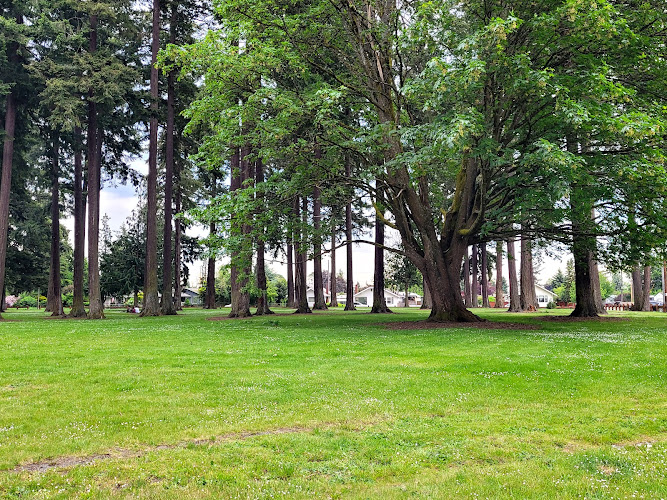
Manitou Park
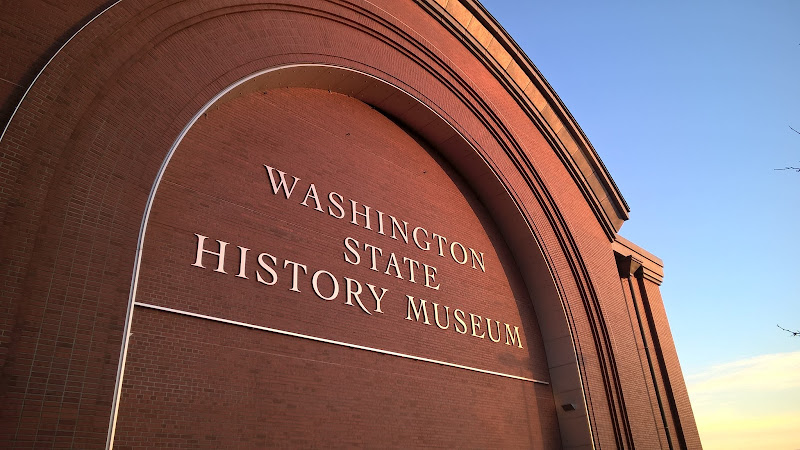
Washington State History Museum

Old Town Park
Find Accommodations Nearby
Recommended Tours & Activities
Visitor Reviews
There are no reviews yet. Be the first one to write one.
Share Your Experience
Have you visited Children’s Museum of Tacoma? Help other travelers by leaving a review.