
Museum of Aboriginal Cultures
About Museum of Aboriginal Cultures
Description
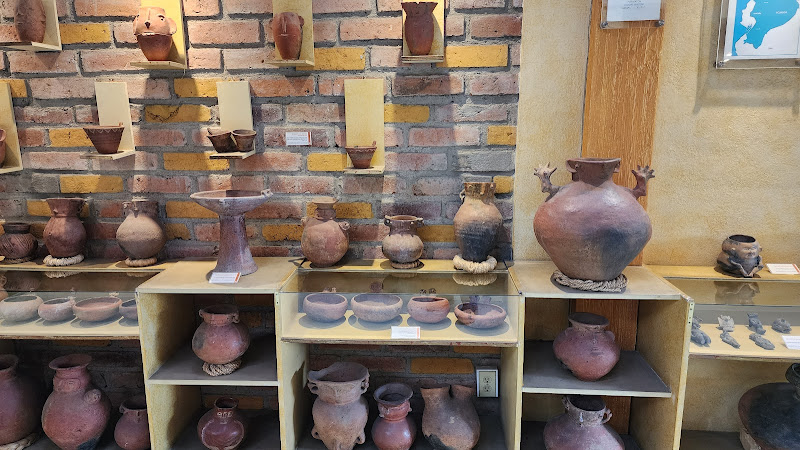
The Museum of Aboriginal Cultures in Cuenca offers visitors a concentrated, thoughtful look at the indigenous histories and archaeological stories of southern Ecuador. It presents an array of artifacts, textiles, ceramic pieces and interpretive panels that trace pre-Columbian daily life, ritual practice and regional exchanges between Cau00f1ari, Inca and other Andean cultures. The museum functions as both a local history museum and an archaeological space, so expect to move between vitrines of small but carefully chosen pieces and rooms that set context with maps, models and occasionally multimedia displays.
Unlike the big national museums that can overwhelm with sheer scale, this museum is more intimate. That intimacy can be a strength: objects are placed to invite close inspection, and text labels tend to focus on stories—who made something, how it was used, what it meant. The curators emphasize cultural continuity as much as ancient origins; a visitor will see links drawn from centuries-old weaving techniques to contemporary artisans. Some rooms feature live performances on scheduled days, where traditional music, dances or storytelling bring an extra layer to the exhibits. Those performances are a highlight for many visitors, and they transform a quiet gallery into a social and sensory experience.
Practical features matter here. The museum offers onsite services including a small restaurant where one can rest and chew over what was seen—handy because pausing between galleries actually helps the material settle. Free Wi-Fi is available in the public areas, and restrooms are clean and maintained. Accessibility is mixed: there is a wheelchair-accessible restroom, which is a welcome detail, but visitors should be prepared for limited accessible parking nearby and some older architectural features that still present steps or narrow passages in parts of the building.
Families often praise the museum for being child-friendly. There are exhibits and labels that cater to younger audiences, plus periodic hands-on and live programming that engage kids without turning the halls into chaos. The museum explicitly positions itself as a safe and inclusive space; it is recognized as welcoming to LGBTQ+ visitors and provides an environment respectful of gender diversity. For travelers who care about respectful cultural presentation and inclusive staff behavior, that social atmosphere is important and noticeable.
From a visitor-experience point of view, this museum rewards curiosity and patience. Some artifacts are small—beads, spindle whorls, carved bone pieces—so a good pair of eyeglasses or the museum’s magnifying stations helps. Interpretive signage is generally informative, though occasionally sparse for visitors who do not read Spanish; English translations exist in several key rooms but not everywhere. Guided tours are recommended for people who want to dig deeper. A guide can bring to life the subtleties behind certain motifs or explain why a seemingly simple pot might be an archaeological key to trade routes and social organization.
One memorable anecdote from repeat visitors: a traveler recalls sitting in the courtyard after a short live music set, the notes still hanging in the air while she flipped through her notebook and sketched a fragment of textile pattern. That kind of slow, reflective museum visit is what this place invites. It’s not about rushing through a checklist. Instead, it favors careful looking and connecting dots between objects, people, and stories.
There are also curatorial choices worth noting. The museum balances archaeological emphasis with cultural interpretation: alongside shards and tools, there are displays about traditional weaving, foodways, and oral histories. Textiles get special attention because they carry both aesthetic and technical information—dyes, loom techniques, patterns that signal identity. Visitors who love ethnography or are interested in the technical craft of making will find these sections rewarding. Photographs and oral history excerpts occasionally accompany objects, which helps humanize centuries-old pieces rather than treating them as inert relics.
Not every detail will please everyone. Some visitors expect blockbuster displays and instead find the museum modest in scale. Others wish for more robust English signage or additional hands-on stations for kids. But for those who seek a thoughtful, respectful encounter with indigenous heritage in Cuenca, the museum frequently delivers. It functions particularly well as part of a broader cultural day in the city: pairing it with a stroll through the historic center or a visit to nearby archaeological sites gives extra perspective and makes the museum’s artifacts make more sense.
What sets this museum apart is the way it centers indigenous voices in narration. The exhibition tone leans toward respectful interpretation rather than exoticization. Curators clearly make an effort to present objects as evidence of lives, technologies, and worldviews—not as curiosities. This emphasis comes through in programming too: workshops, occasional talks and the live performance schedule are often led by local cultural practitioners. For travelers who want to see heritage that remains living and relevant, not frozen in glass, that ongoing community involvement is a real plus.
Visitors should expect to spend between one and two hours on an unhurried visit; those attending a live performance or a workshop can easily expand that to a half-day. The restaurant and a small gift area (focused on ethically sourced artisan goods and reproductions) make it easy to linger. Photographers should check policy on flash and tripods—standard museum rules apply, but handheld photography is commonly permitted for personal use.
In short, the Museum of Aboriginal Cultures in Cuenca is for travelers who appreciate nuanced small-to-medium museums that foreground indigenous narratives and archaeological evidence. It will not surprise with enormous halls or blockbuster loans, but it will reward close attention, curiosity about Andean cultural connections, and a willingness to sit with the stories behind the objects. For many travelers, the experience is quietly moving, enlightening, and refreshingly human—complete with a few little quirks, like uneven signage in places and a courtyard cat who occasionally keeps watch over visitors. Those small imperfections, frankly, add to the charm for people who prefer places with personality rather than polished uniformity.
Key Features
More Details
Updated August 30, 2025
Table of Contents
Description
The Museum of Aboriginal Cultures in Cuenca offers visitors a concentrated, thoughtful look at the indigenous histories and archaeological stories of southern Ecuador. It presents an array of artifacts, textiles, ceramic pieces and interpretive panels that trace pre-Columbian daily life, ritual practice and regional exchanges between Cau00f1ari, Inca and other Andean cultures. The museum functions as both a local history museum and an archaeological space, so expect to move between vitrines of small but carefully chosen pieces and rooms that set context with maps, models and occasionally multimedia displays.
Unlike the big national museums that can overwhelm with sheer scale, this museum is more intimate. That intimacy can be a strength: objects are placed to invite close inspection, and text labels tend to focus on stories—who made something, how it was used, what it meant. The curators emphasize cultural continuity as much as ancient origins; a visitor will see links drawn from centuries-old weaving techniques to contemporary artisans. Some rooms feature live performances on scheduled days, where traditional music, dances or storytelling bring an extra layer to the exhibits. Those performances are a highlight for many visitors, and they transform a quiet gallery into a social and sensory experience.
Practical features matter here. The museum offers onsite services including a small restaurant where one can rest and chew over what was seen—handy because pausing between galleries actually helps the material settle. Free Wi-Fi is available in the public areas, and restrooms are clean and maintained. Accessibility is mixed: there is a wheelchair-accessible restroom, which is a welcome detail, but visitors should be prepared for limited accessible parking nearby and some older architectural features that still present steps or narrow passages in parts of the building.
Families often praise the museum for being child-friendly. There are exhibits and labels that cater to younger audiences, plus periodic hands-on and live programming that engage kids without turning the halls into chaos. The museum explicitly positions itself as a safe and inclusive space; it is recognized as welcoming to LGBTQ+ visitors and provides an environment respectful of gender diversity. For travelers who care about respectful cultural presentation and inclusive staff behavior, that social atmosphere is important and noticeable.
From a visitor-experience point of view, this museum rewards curiosity and patience. Some artifacts are small—beads, spindle whorls, carved bone pieces—so a good pair of eyeglasses or the museum’s magnifying stations helps. Interpretive signage is generally informative, though occasionally sparse for visitors who do not read Spanish; English translations exist in several key rooms but not everywhere. Guided tours are recommended for people who want to dig deeper. A guide can bring to life the subtleties behind certain motifs or explain why a seemingly simple pot might be an archaeological key to trade routes and social organization.
One memorable anecdote from repeat visitors: a traveler recalls sitting in the courtyard after a short live music set, the notes still hanging in the air while she flipped through her notebook and sketched a fragment of textile pattern. That kind of slow, reflective museum visit is what this place invites. It’s not about rushing through a checklist. Instead, it favors careful looking and connecting dots between objects, people, and stories.
There are also curatorial choices worth noting. The museum balances archaeological emphasis with cultural interpretation: alongside shards and tools, there are displays about traditional weaving, foodways, and oral histories. Textiles get special attention because they carry both aesthetic and technical information—dyes, loom techniques, patterns that signal identity. Visitors who love ethnography or are interested in the technical craft of making will find these sections rewarding. Photographs and oral history excerpts occasionally accompany objects, which helps humanize centuries-old pieces rather than treating them as inert relics.
Not every detail will please everyone. Some visitors expect blockbuster displays and instead find the museum modest in scale. Others wish for more robust English signage or additional hands-on stations for kids. But for those who seek a thoughtful, respectful encounter with indigenous heritage in Cuenca, the museum frequently delivers. It functions particularly well as part of a broader cultural day in the city: pairing it with a stroll through the historic center or a visit to nearby archaeological sites gives extra perspective and makes the museum’s artifacts make more sense.
What sets this museum apart is the way it centers indigenous voices in narration. The exhibition tone leans toward respectful interpretation rather than exoticization. Curators clearly make an effort to present objects as evidence of lives, technologies, and worldviews—not as curiosities. This emphasis comes through in programming too: workshops, occasional talks and the live performance schedule are often led by local cultural practitioners. For travelers who want to see heritage that remains living and relevant, not frozen in glass, that ongoing community involvement is a real plus.
Visitors should expect to spend between one and two hours on an unhurried visit; those attending a live performance or a workshop can easily expand that to a half-day. The restaurant and a small gift area (focused on ethically sourced artisan goods and reproductions) make it easy to linger. Photographers should check policy on flash and tripods—standard museum rules apply, but handheld photography is commonly permitted for personal use.
In short, the Museum of Aboriginal Cultures in Cuenca is for travelers who appreciate nuanced small-to-medium museums that foreground indigenous narratives and archaeological evidence. It will not surprise with enormous halls or blockbuster loans, but it will reward close attention, curiosity about Andean cultural connections, and a willingness to sit with the stories behind the objects. For many travelers, the experience is quietly moving, enlightening, and refreshingly human—complete with a few little quirks, like uneven signage in places and a courtyard cat who occasionally keeps watch over visitors. Those small imperfections, frankly, add to the charm for people who prefer places with personality rather than polished uniformity.
Key Highlights
Museum of Aboriginal Cultures
Location
Places to Stay Near Museum of Aboriginal Cultures
Find and Book a Tour
Explore More Travel Guides
No reviews found! Be the first to review!
Traveler Reviews for Museum of Aboriginal Cultures
There are no reviews yet. Be the first one to write one.
Have you visited Museum of Aboriginal Cultures? Help other travelers by sharing your review.
You Might Also Like
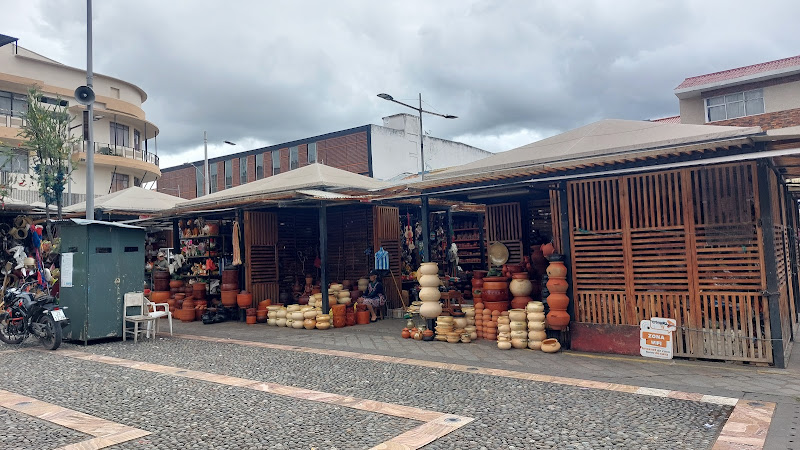
Mercado de Artesanias Rotary

El Paraíso Park
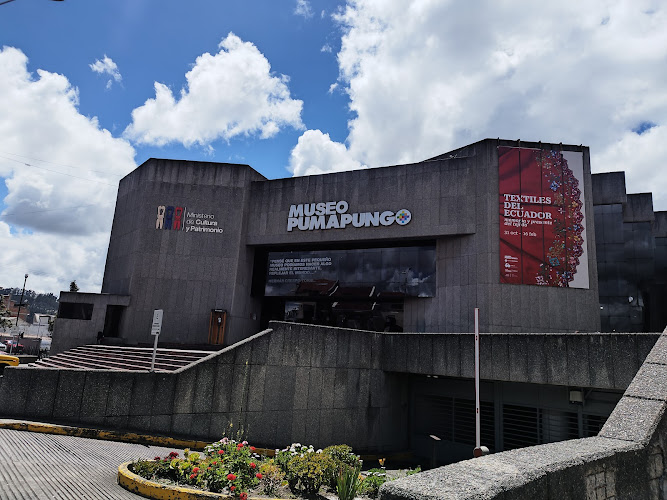
Pumapungo Museum
Find Accommodations Nearby
Recommended Tours & Activities
Visitor Reviews
There are no reviews yet. Be the first one to write one.
Share Your Experience
Have you visited Museum of Aboriginal Cultures? Help other travelers by leaving a review.