
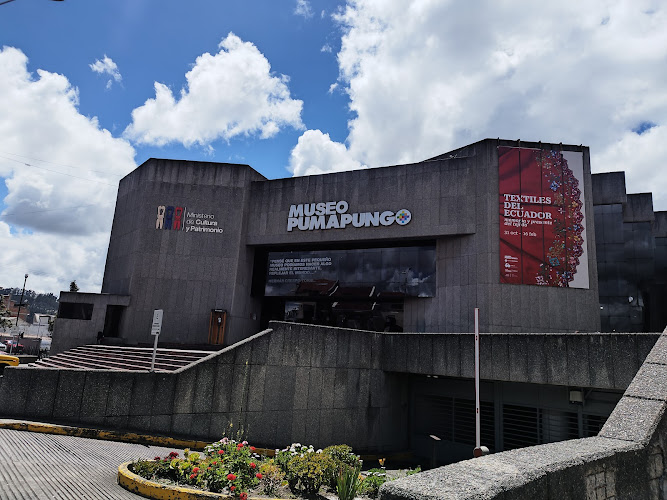
Pumapungo Museum
About Pumapungo Museum
Description
The Pumapungo Museum in Cuenca, Ecuador serves as both an indoor repository of Ecuadorian ethnography and an open-air archaeological park that traces the contours of an ancient urban landscape. Visitors find well-curated displays of pre-Columbian artifacts, traditional costumes, ceramic and metalwork, plus ethnographic material that illuminates the lives of indigenous groups from the Andean highlands to the Amazon. Outside, terraced gardens and exposed Inca-era structures sit atop the remains of the old city of Tomebamba, creating a rare combination: a museum that truly spans artifacts and the very ground they came from.
This museum is notable for embracing multiple narratives: the archaeology of an Inca presence, the material culture of Cañari and other indigenous peoples, and the more recent history of the region. The collections include intact ceramic pieces, textile fragments that hint at techniques still practiced today, and some of those infamous shrunken heads that provoke as much curiosity as controversy. But Pumapungo does not rely solely on objects behind glass. It offers live performances and cultural demonstrations that animate the displays and help visitors connect sounds, movement and ritual with the artifacts on view. That theatrical element, when timed right, is worth planning a visit around.
Accessibility is a practical strength. The site provides a wheelchair-accessible entrance, parking and restroom facilities, which is not always a given in historic sites. Families tend to appreciate the layout: kids can move between indoor rooms and open-air ruins without the museum feeling claustrophobic. There is a functional restroom on site, but no full-service restaurant, so most visitors plan for a snack break before or after the visit. Free parking is another small but genuine convenience; in Cuenca, parking can be the difference between relaxed exploration and the kind of stress that ruins a day.
Many visitors arrive expecting a single-purpose museum and leave surprised at how seamlessly the place blends archaeology, natural elements and live cultural presentations. The open gardens double as a bird-watching opportunity; local and migratory birds often feed among the hedgerows and flowering plants, making it a quiet little bonus for nature-lovers. In short, Pumapungo rewards curiosity. It is a museum where you can study a clay pot and then walk its original neighborhood, imagining the people who once used it.
Key Features
- Combined indoor exhibitions and expansive open-air Inca ruins, offering context for artifacts in situ
- Ethnographic collections that highlight Ecuadorian indigenous cultures, including textiles, pottery and ceremonial objects
- Live performances and cultural demonstrations scheduled regularly to bring exhibits to life
- Wheelchair accessible entrance, parking lot and restroom, improving inclusivity for more visitors
- Free parking lot on site, which eases logistics for self-driving travelers
- Family-friendly layout and activities—good for kids who like hands-on learning and outdoor exploration
- Gardens and bird-friendly spaces integrated with the archaeological park, offering informal nature watching
- Restroom facilities available; no on-site restaurant, so pack snacks or plan nearby
- Displays include rare artifacts such as shrunken heads, which provoke conversation about cultural history and ethics
Best Time to Visit
The museum is enjoyable year-round thanks to Cuenca's temperate climate, but timing can sharpen the experience. Weekday mornings, especially right after opening, tend to be quieter and allow a slow, reflective tour of the galleries and ruins. Many visitors report the afternoons can feel busier, particularly during school holidays and long weekends when families come in groups.
Seasonally, the drier months—roughly June through September—offer the clearest skies for walking the terraces and spotting birds. Trails and stone steps are easier to navigate when they are not slippery, and photography benefits from crisp light. That said, the cloudier, green months have a certain mood: rain softens the stone colors and the gardens look lush, which some photographers and walkers prefer. If the plan is to combine the museum with other outdoor activities around Cuenca, aim for a dry day so nothing gets cut short.
Live performances can be hit-or-miss if one arrives at random, so checking the museum schedule if possible is wise. Performances often align with cultural festivals or weekends; planning a visit around these can transform a straightforward tour into a memorable cultural immersion. And if birdwatching interests the traveler, early morning is best when avian activity peaks.
How to Get There
The museum sits within easy reach of Cuenca’s historic center, which makes it a straightforward stop on a half-day or full-day itinerary. Many travelers combine Pumapungo with nearby museums and plazas for a layered cultural day. Taxis and ride apps from central Cuenca typically take 10–20 minutes depending on traffic, and drivers are generally familiar with the site name—though always useful to have the neighborhood name handy for clarification. For those traveling by car, the free parking lot is a practical perk; arrive mid-morning to snag a convenient spot.
Public buses also serve routes that stop within a short walk, and local guides often suggest combining a bus ride with a scenic walk through adjacent neighborhoods. Walking from the historic center is doable for fit visitors and can be pleasant if time allows. On foot, the trip doubles as urban sightseeing; the streets around Cuenca transition from colonial architecture to more modern blocks, offering a small snapshot of everyday life.
One tip frequently passed among repeat visitors: ask the taxi driver to wait or to return at an agreed time if relying on one for the onward journey. Taxis are plentiful but losing time hunting for a new ride after an extended visit can add needless stress. For groups or families, organizing a pickup spot by the entrance works well because the open-air areas can make cellphone signals spotty in places.
Tips for Visiting
Plan for at least two hours. The museum rewards slow, curious walking; the galleries are detailed, and the archaeological park has multiple terraces and viewpoints that invite lingering. If the group includes children, add another hour so the kids can explore without feeling rushed.
Bring comfortable shoes. Paths in the outdoor area include uneven stone steps and terraces; flat soles with good grip make the difference between a breezy stroll and a cautious shuffle. A light rain jacket or umbrella is smart even on a sunny morning—Cuenca’s weather can shift without much fanfare.
Pack light snacks and water. Since the museum does not offer a full-service restaurant, visitors should plan snack breaks accordingly. There are cafes and eateries in central Cuenca for a solid meal before or after the visit. That said, picnicking in the lower garden areas is common among families, though visitors should be careful to leave no trace and respect the archaeological zones.
Time your visit around live performances if possible. These are not constant, and when they do occur they lend emotion and meaning to the objects on display. The museum sometimes hosts music, dance, and storytelling that contextualize a garment or ritual object, and attending a performance can flip a passive viewing into an active learning moment.
Ask questions. Museum staff and guides are a valuable resource and often eager to share details that do not appear on labels. There is nuance in the stories of Cañari, Inca, Shuar and other peoples, and staff can explain the provenance of tricky items like shrunken heads—why they were made, how they entered collections, and the ethical conversations around them.
Respect photography rules. Many of the indoor displays limit flash photography to protect delicate textiles and pigments; when in doubt, ask. Outdoor areas are more forgiving, and the ruins are particularly photogenic at golden hour. That said, consider the privacy of performers and indigenous practitioners; some cultural demonstrations may ask that photography be limited or staged in a specific way.
Combine the visit with nearby attractions. The museum pairs naturally with other cultural stops in Cuenca, whether that is nearby galleries, markets, or walking tours of the historic center. If time is short, prioritize either the indoor ethnographic galleries or the archaeological park outside; both are strong, but together they create a fuller story.
Be mindful of the interpretive tone. Museums reflect certain curatorial choices, and Pumapungo mixes scientific archaeology with public history. Visitors who read labels critically and embrace the layered narratives will get more out of the experience. The site is a conversation between the material past and the living cultures that continue these traditions today.
Finally, leave time to simply sit. There are benches and quiet corners where one can watch birds, local families, and students. On a personal note, the writer recalls a late-morning visit when a small group of elders gathered near a terrace and began quietly singing. It was unplanned, not an official performance, and yet it provided a more vivid education than any placard could. Small moments like that are the real treasures of Pumapungo: unpredictable, human, and deeply rooted in place.
Key Features
- Combined indoor exhibitions and expansive open-air Inca ruins, offering context for artifacts in situ
- Ethnographic collections that highlight Ecuadorian indigenous cultures, including textiles, pottery and ceremonial objects
- Live performances and cultural demonstrations scheduled regularly to bring exhibits to life
- Wheelchair accessible entrance, parking lot and restroom, improving inclusivity for more visitors
- Free parking lot on site, which eases logistics for self-driving travelers
- Family-friendly layout and activities—good for kids who like hands-on learning and outdoor exploration
- Gardens and bird-friendly spaces integrated with the archaeological park, offering informal nature watching
- Restroom facilities available; no on-site restaurant, so pack snacks or plan nearby
More Details
Updated August 30, 2025
Table of Contents
Description
The Pumapungo Museum in Cuenca, Ecuador serves as both an indoor repository of Ecuadorian ethnography and an open-air archaeological park that traces the contours of an ancient urban landscape. Visitors find well-curated displays of pre-Columbian artifacts, traditional costumes, ceramic and metalwork, plus ethnographic material that illuminates the lives of indigenous groups from the Andean highlands to the Amazon. Outside, terraced gardens and exposed Inca-era structures sit atop the remains of the old city of Tomebamba, creating a rare combination: a museum that truly spans artifacts and the very ground they came from.
This museum is notable for embracing multiple narratives: the archaeology of an Inca presence, the material culture of Cañari and other indigenous peoples, and the more recent history of the region. The collections include intact ceramic pieces, textile fragments that hint at techniques still practiced today, and some of those infamous shrunken heads that provoke as much curiosity as controversy. But Pumapungo does not rely solely on objects behind glass. It offers live performances and cultural demonstrations that animate the displays and help visitors connect sounds, movement and ritual with the artifacts on view. That theatrical element, when timed right, is worth planning a visit around.
Accessibility is a practical strength. The site provides a wheelchair-accessible entrance, parking and restroom facilities, which is not always a given in historic sites. Families tend to appreciate the layout: kids can move between indoor rooms and open-air ruins without the museum feeling claustrophobic. There is a functional restroom on site, but no full-service restaurant, so most visitors plan for a snack break before or after the visit. Free parking is another small but genuine convenience; in Cuenca, parking can be the difference between relaxed exploration and the kind of stress that ruins a day.
Many visitors arrive expecting a single-purpose museum and leave surprised at how seamlessly the place blends archaeology, natural elements and live cultural presentations. The open gardens double as a bird-watching opportunity; local and migratory birds often feed among the hedgerows and flowering plants, making it a quiet little bonus for nature-lovers. In short, Pumapungo rewards curiosity. It is a museum where you can study a clay pot and then walk its original neighborhood, imagining the people who once used it.
Key Features
- Combined indoor exhibitions and expansive open-air Inca ruins, offering context for artifacts in situ
- Ethnographic collections that highlight Ecuadorian indigenous cultures, including textiles, pottery and ceremonial objects
- Live performances and cultural demonstrations scheduled regularly to bring exhibits to life
- Wheelchair accessible entrance, parking lot and restroom, improving inclusivity for more visitors
- Free parking lot on site, which eases logistics for self-driving travelers
- Family-friendly layout and activities—good for kids who like hands-on learning and outdoor exploration
- Gardens and bird-friendly spaces integrated with the archaeological park, offering informal nature watching
- Restroom facilities available; no on-site restaurant, so pack snacks or plan nearby
- Displays include rare artifacts such as shrunken heads, which provoke conversation about cultural history and ethics
Best Time to Visit
The museum is enjoyable year-round thanks to Cuenca’s temperate climate, but timing can sharpen the experience. Weekday mornings, especially right after opening, tend to be quieter and allow a slow, reflective tour of the galleries and ruins. Many visitors report the afternoons can feel busier, particularly during school holidays and long weekends when families come in groups.
Seasonally, the drier months—roughly June through September—offer the clearest skies for walking the terraces and spotting birds. Trails and stone steps are easier to navigate when they are not slippery, and photography benefits from crisp light. That said, the cloudier, green months have a certain mood: rain softens the stone colors and the gardens look lush, which some photographers and walkers prefer. If the plan is to combine the museum with other outdoor activities around Cuenca, aim for a dry day so nothing gets cut short.
Live performances can be hit-or-miss if one arrives at random, so checking the museum schedule if possible is wise. Performances often align with cultural festivals or weekends; planning a visit around these can transform a straightforward tour into a memorable cultural immersion. And if birdwatching interests the traveler, early morning is best when avian activity peaks.
How to Get There
The museum sits within easy reach of Cuenca’s historic center, which makes it a straightforward stop on a half-day or full-day itinerary. Many travelers combine Pumapungo with nearby museums and plazas for a layered cultural day. Taxis and ride apps from central Cuenca typically take 10–20 minutes depending on traffic, and drivers are generally familiar with the site name—though always useful to have the neighborhood name handy for clarification. For those traveling by car, the free parking lot is a practical perk; arrive mid-morning to snag a convenient spot.
Public buses also serve routes that stop within a short walk, and local guides often suggest combining a bus ride with a scenic walk through adjacent neighborhoods. Walking from the historic center is doable for fit visitors and can be pleasant if time allows. On foot, the trip doubles as urban sightseeing; the streets around Cuenca transition from colonial architecture to more modern blocks, offering a small snapshot of everyday life.
One tip frequently passed among repeat visitors: ask the taxi driver to wait or to return at an agreed time if relying on one for the onward journey. Taxis are plentiful but losing time hunting for a new ride after an extended visit can add needless stress. For groups or families, organizing a pickup spot by the entrance works well because the open-air areas can make cellphone signals spotty in places.
Tips for Visiting
Plan for at least two hours. The museum rewards slow, curious walking; the galleries are detailed, and the archaeological park has multiple terraces and viewpoints that invite lingering. If the group includes children, add another hour so the kids can explore without feeling rushed.
Bring comfortable shoes. Paths in the outdoor area include uneven stone steps and terraces; flat soles with good grip make the difference between a breezy stroll and a cautious shuffle. A light rain jacket or umbrella is smart even on a sunny morning—Cuenca’s weather can shift without much fanfare.
Pack light snacks and water. Since the museum does not offer a full-service restaurant, visitors should plan snack breaks accordingly. There are cafes and eateries in central Cuenca for a solid meal before or after the visit. That said, picnicking in the lower garden areas is common among families, though visitors should be careful to leave no trace and respect the archaeological zones.
Time your visit around live performances if possible. These are not constant, and when they do occur they lend emotion and meaning to the objects on display. The museum sometimes hosts music, dance, and storytelling that contextualize a garment or ritual object, and attending a performance can flip a passive viewing into an active learning moment.
Ask questions. Museum staff and guides are a valuable resource and often eager to share details that do not appear on labels. There is nuance in the stories of Cañari, Inca, Shuar and other peoples, and staff can explain the provenance of tricky items like shrunken heads—why they were made, how they entered collections, and the ethical conversations around them.
Respect photography rules. Many of the indoor displays limit flash photography to protect delicate textiles and pigments; when in doubt, ask. Outdoor areas are more forgiving, and the ruins are particularly photogenic at golden hour. That said, consider the privacy of performers and indigenous practitioners; some cultural demonstrations may ask that photography be limited or staged in a specific way.
Combine the visit with nearby attractions. The museum pairs naturally with other cultural stops in Cuenca, whether that is nearby galleries, markets, or walking tours of the historic center. If time is short, prioritize either the indoor ethnographic galleries or the archaeological park outside; both are strong, but together they create a fuller story.
Be mindful of the interpretive tone. Museums reflect certain curatorial choices, and Pumapungo mixes scientific archaeology with public history. Visitors who read labels critically and embrace the layered narratives will get more out of the experience. The site is a conversation between the material past and the living cultures that continue these traditions today.
Finally, leave time to simply sit. There are benches and quiet corners where one can watch birds, local families, and students. On a personal note, the writer recalls a late-morning visit when a small group of elders gathered near a terrace and began quietly singing. It was unplanned, not an official performance, and yet it provided a more vivid education than any placard could. Small moments like that are the real treasures of Pumapungo: unpredictable, human, and deeply rooted in place.
Key Highlights
- Combined indoor exhibitions and expansive open-air Inca ruins, offering context for artifacts in situ
- Ethnographic collections that highlight Ecuadorian indigenous cultures, including textiles, pottery and ceremonial objects
- Live performances and cultural demonstrations scheduled regularly to bring exhibits to life
- Wheelchair accessible entrance, parking lot and restroom, improving inclusivity for more visitors
- Free parking lot on site, which eases logistics for self-driving travelers
- Family-friendly layout and activities—good for kids who like hands-on learning and outdoor exploration
- Gardens and bird-friendly spaces integrated with the archaeological park, offering informal nature watching
- Restroom facilities available; no on-site restaurant, so pack snacks or plan nearby
Location
Places to Stay Near Pumapungo Museum
Find and Book a Tour
Explore More Travel Guides
No reviews found! Be the first to review!
Traveler Reviews for Pumapungo Museum
There are no reviews yet. Be the first one to write one.
Have you visited Pumapungo Museum? Help other travelers by sharing your review.
You Might Also Like
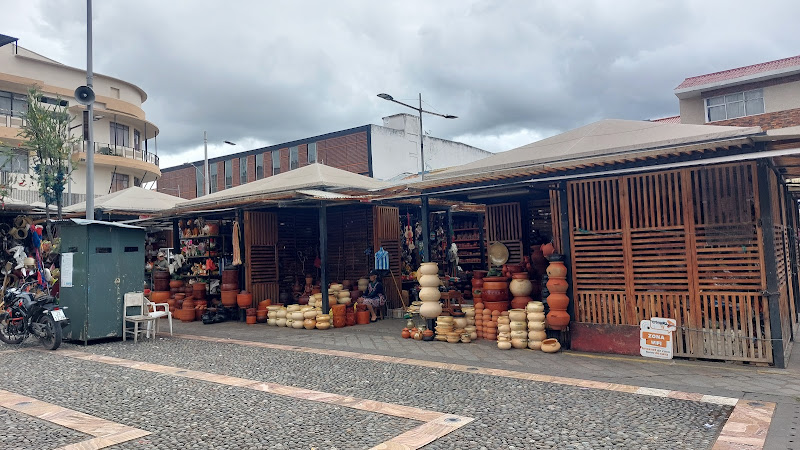
Mercado de Artesanias Rotary
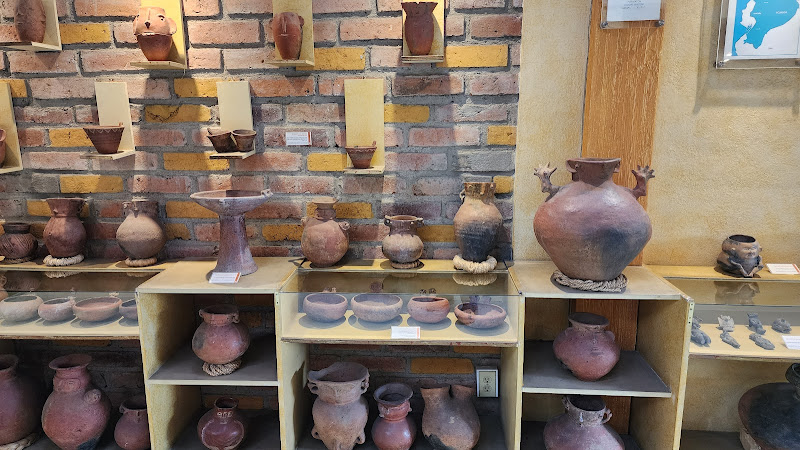
Museum of Aboriginal Cultures

El Paraíso Park
Find Accommodations Nearby
Recommended Tours & Activities
Visitor Reviews
There are no reviews yet. Be the first one to write one.
Share Your Experience
Have you visited Pumapungo Museum? Help other travelers by leaving a review.