
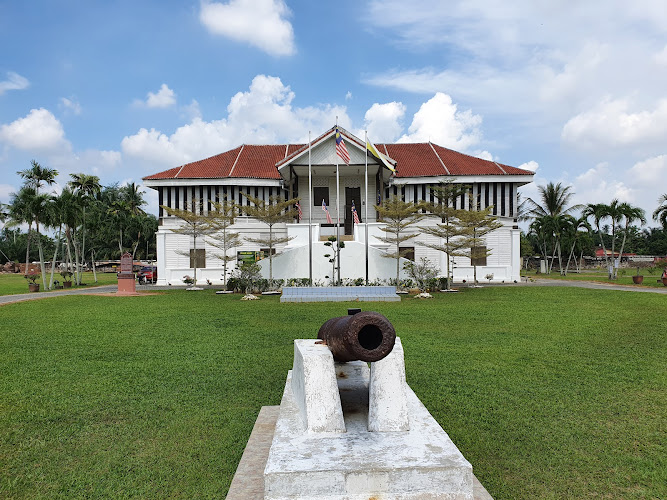
Matang Museum
About Matang Museum
Description
The Matang Museum sits in Matang, Perak, Malaysia, as a quietly authoritative keeper of local history — the sort of place that rewards patience and curiosity. It focuses on the story of the Matang area and the surrounding Larut district: tin mining eras, Malay and Chinese settlements, colonial interactions, and the environmental tale of the Matang mangrove. Rather than a flashy blockbuster exhibition, the museum offers layered, carefully labeled displays that feel like a conversation with the past. Expect objects, maps, archival photos, and small dioramas that stitch together how communities lived, worked and adapted here over the decades.
Visitors will notice an emphasis on regional context: tin mining tools and ledger books that speak to the economic pulse of 19th-century Perak; household items and traditional crafts that hint at daily life; and panels exploring the relationship between the mangrove forests and local livelihoods. There are also sections that touch on broader events — the arrival of the British, local resistance, and the social changes that followed — presented without grandstanding but with enough detail to keep history buffs engaged. For someone who came for one exhibit and ended up staying an extra hour, this place quietly does its job very well.
Accessibility is straightforward and thought-through. The entrance, parking bay, and restroom facilities are wheelchair accessible, which makes a real difference for travelers who need it. A small on-site restaurant and clean restrooms provide a practical break point for families or those doing a longer sightseeing loop around Matang and nearby Taiping. Parents appreciate that the museum is good for kids: hands-on corners, short explanatory captions, and displays scaled so that children can get close without a fuss. It’s not a high-tech wonderland, but it’s warm, human, and deliberately readable.
The building itself carries some character — modest heritage lines rather than grand architecture — and that helps the exhibits land. There are corners where local volunteers or guides occasionally add a personal layer: stories, a pointed explanation of an artifact, or recommendations for where to walk afterward. Those moments are gold; they are the human connective tissue between object and context. The museum doesn’t try to dazzle with multimedia; it trusts solid scholarship and clear storytelling instead.
One of the most memorable threads is the connection to the Matang mangrove forest and coastal life. Exhibits illustrate how mangroves shaped fishing, charcoal-making, and boat-building, with simple displays that make ecological history feel immediate. If the visitor follows that thread, it’s an excellent primer before heading out to explore the mangrove reserve or nearby riverfronts. The museum gives the environmental story the respect it deserves, showing that natural history and human history are stitched together here — literally and economically.
For travelers who like context before they wander, the Matang Museum is an efficient primer. It’s the kind of small museum that improves the rest of the trip: go here first, and the places you see afterward — old forts, tin tailings, village compounds, the mangrove boardwalks — will read differently. The labels are clear, often bilingual, and the pacing is forgiving. People rarely race through; most linger, read, and ask the staff a question or two.
There are a few little quirks worth noting. The exhibit lighting is functional but sometimes a tad dim in the older rooms; photography is allowed in most sections, but flash is discouraged. Some panels could use updated translations or extra context for non-local visitors, so if a term or a name feels mysterious, don’t hesitate to ask for clarification — staff and volunteers are generally helpful and talkative. The museum’s modest size is actually its strength: it avoids overwhelm and makes planning easy. A typical visit runs between 45 minutes and 90 minutes depending on how much reading you do or whether you join a short guided talk.
In short, Matang Museum is the kind of cultural stop that makes a travel day richer. It won’t blast you with spectacle, but it will give you a clearer, truer sense of place. If the traveler values grounded historical context, a friendly on-site team, and practical facilities (including wheelchair access and a restaurant for a quick bite), this museum will feel like exactly the right detour. The guide who wrote this remembers a rainy afternoon there when a retired teacher started telling stories about the old river route — an unexpected human history add-on that underscored how museums sometimes really come alive when people start sharing what they remember. That, more than anything, is the museum’s quiet charm: it invites conversation as much as it presents objects.
Key Features
More Details
Updated August 30, 2025
Table of Contents
Description
The Matang Museum sits in Matang, Perak, Malaysia, as a quietly authoritative keeper of local history — the sort of place that rewards patience and curiosity. It focuses on the story of the Matang area and the surrounding Larut district: tin mining eras, Malay and Chinese settlements, colonial interactions, and the environmental tale of the Matang mangrove. Rather than a flashy blockbuster exhibition, the museum offers layered, carefully labeled displays that feel like a conversation with the past. Expect objects, maps, archival photos, and small dioramas that stitch together how communities lived, worked and adapted here over the decades.
Visitors will notice an emphasis on regional context: tin mining tools and ledger books that speak to the economic pulse of 19th-century Perak; household items and traditional crafts that hint at daily life; and panels exploring the relationship between the mangrove forests and local livelihoods. There are also sections that touch on broader events — the arrival of the British, local resistance, and the social changes that followed — presented without grandstanding but with enough detail to keep history buffs engaged. For someone who came for one exhibit and ended up staying an extra hour, this place quietly does its job very well.
Accessibility is straightforward and thought-through. The entrance, parking bay, and restroom facilities are wheelchair accessible, which makes a real difference for travelers who need it. A small on-site restaurant and clean restrooms provide a practical break point for families or those doing a longer sightseeing loop around Matang and nearby Taiping. Parents appreciate that the museum is good for kids: hands-on corners, short explanatory captions, and displays scaled so that children can get close without a fuss. It’s not a high-tech wonderland, but it’s warm, human, and deliberately readable.
The building itself carries some character — modest heritage lines rather than grand architecture — and that helps the exhibits land. There are corners where local volunteers or guides occasionally add a personal layer: stories, a pointed explanation of an artifact, or recommendations for where to walk afterward. Those moments are gold; they are the human connective tissue between object and context. The museum doesn’t try to dazzle with multimedia; it trusts solid scholarship and clear storytelling instead.
One of the most memorable threads is the connection to the Matang mangrove forest and coastal life. Exhibits illustrate how mangroves shaped fishing, charcoal-making, and boat-building, with simple displays that make ecological history feel immediate. If the visitor follows that thread, it’s an excellent primer before heading out to explore the mangrove reserve or nearby riverfronts. The museum gives the environmental story the respect it deserves, showing that natural history and human history are stitched together here — literally and economically.
For travelers who like context before they wander, the Matang Museum is an efficient primer. It’s the kind of small museum that improves the rest of the trip: go here first, and the places you see afterward — old forts, tin tailings, village compounds, the mangrove boardwalks — will read differently. The labels are clear, often bilingual, and the pacing is forgiving. People rarely race through; most linger, read, and ask the staff a question or two.
There are a few little quirks worth noting. The exhibit lighting is functional but sometimes a tad dim in the older rooms; photography is allowed in most sections, but flash is discouraged. Some panels could use updated translations or extra context for non-local visitors, so if a term or a name feels mysterious, don’t hesitate to ask for clarification — staff and volunteers are generally helpful and talkative. The museum’s modest size is actually its strength: it avoids overwhelm and makes planning easy. A typical visit runs between 45 minutes and 90 minutes depending on how much reading you do or whether you join a short guided talk.
In short, Matang Museum is the kind of cultural stop that makes a travel day richer. It won’t blast you with spectacle, but it will give you a clearer, truer sense of place. If the traveler values grounded historical context, a friendly on-site team, and practical facilities (including wheelchair access and a restaurant for a quick bite), this museum will feel like exactly the right detour. The guide who wrote this remembers a rainy afternoon there when a retired teacher started telling stories about the old river route — an unexpected human history add-on that underscored how museums sometimes really come alive when people start sharing what they remember. That, more than anything, is the museum’s quiet charm: it invites conversation as much as it presents objects.
Key Highlights
Matang Museum
Location
Places to Stay Near Matang Museum
Find and Book a Tour
Explore More Travel Guides
No reviews found! Be the first to review!
Traveler Reviews for Matang Museum
There are no reviews yet. Be the first one to write one.
Have you visited Matang Museum? Help other travelers by sharing your review.
You Might Also Like
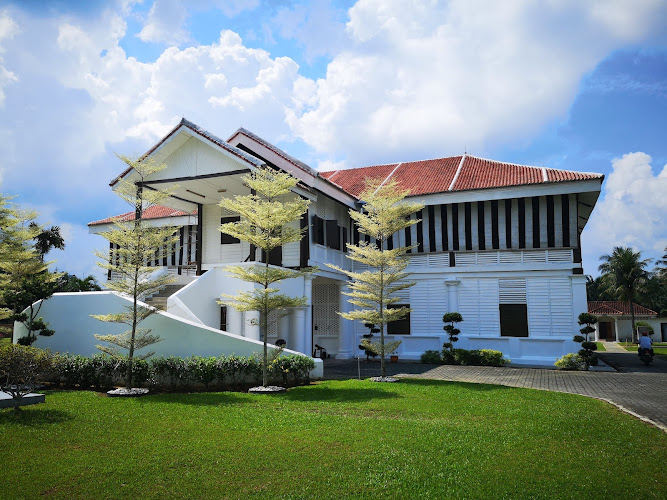
Kota Ngah Ibrahim
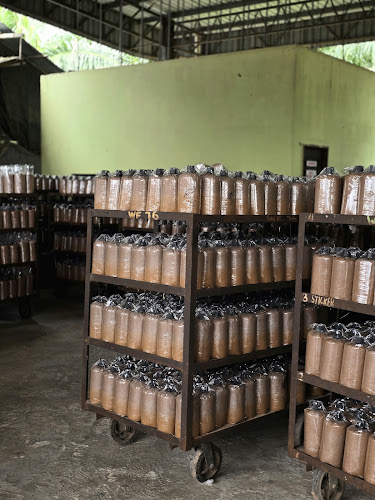
Wonder Farm Mushroom
Find Accommodations Nearby
Recommended Tours & Activities
Visitor Reviews
There are no reviews yet. Be the first one to write one.
Share Your Experience
Have you visited Matang Museum? Help other travelers by leaving a review.